Essential Jordan Travel Tips for First-Time Visitors
Discover the Best Time to Visit Jordan
The timing of your visit to Jordan can greatly enhance your experience. The climate varies significantly, so it's important to consider whether you prefer mild temperatures or the thrill of fewer tourists. Spring (March to May) is the most popular time to visit, as wildflowers bloom across the landscape, and the weather is perfect for exploring sites like Petra and hiking in Dana or Ajloun. Expect larger crowds and slightly higher prices during this peak season. Autumn (September to November) is another excellent period when the oppressive summer heat subsides, making it ideal for enjoying the Dead Sea and Wadi Rum. Summer (June to August) is scorching, with temperatures exceeding 40°C (104°F), but if you can handle the heat, you’ll encounter fewer crowds and better deals. Winter (December to February) can be chilly, especially in northern regions, but it offers a tranquil atmosphere and the rare sight of snow in places like Petra.
Understanding Costs in Jordan
Traveling in Jordan may feel more expensive than its neighboring countries, especially if you include major attractions such as Petra, the Dead Sea, and Wadi Rum in your itinerary. A one-day ticket to Petra costs around 50 JD (approximately $70), which is a significant expense but well worth it for the experience. Accommodation varies widely, from budget hostels to luxury hotels, particularly in tourist hotspots like Petra and Aqaba. Budget travelers can expect to spend around 40-60 JD daily by sticking to local eateries and public transport, while mid-range travelers should budget around 80-120 JD for a more comfortable experience, including guided tours and private transport. High-end travelers will find opulent resorts and exclusive experiences that cater to luxury seekers.
Safety Tips for Travelers in Jordan
Jordan is regarded as one of the safest countries in the Middle East, characterized by its hospitable locals and low crime rates. However, it's vital to remain vigilant, particularly in crowded areas like markets or tourist sites where petty theft can occur. Women traveling solo may encounter some unwanted attention, so dressing modestly and exuding confidence can help. When using taxis, opt for registered services or ride-sharing apps like Careem to avoid potential scams. Jordan's borders with Syria and Iraq can sound intimidating, but travelers are not allowed near conflict zones, making the interior of the country safe for exploration.
Essential Etiquette in Jordan
Understanding local customs can enhance your travel experience in Jordan. Dress modestly, particularly in rural areas and when visiting religious sites; women should cover their shoulders and knees, while men should avoid tank tops. Greetings are important in Jordanian culture; a handshake is customary, but be mindful that some conservative women may prefer not to shake hands with men. When dining, wait for the host to start eating, and remember that using your right hand for eating is considered polite. If invited to someone's home, it's customary to bring a small gift, such as sweets, as a token of appreciation.
Visa and Entry Requirements
Most travelers will need a visa to enter Jordan, which can be obtained upon arrival at airports and land borders for about 40 JD (approximately $56) or through an online application. It’s beneficial to secure a Jordan Pass if you plan to visit major sites like Petra and Jerash, as it covers your visa fee and grants access to over 40 attractions. Should you need to extend your stay, tourist visas can typically be renewed for an additional 60 days.
Staying Healthy While Traveling
Health precautions are crucial when traveling in Jordan. Stay hydrated by drinking bottled water, as tap water may not be safe. Carry a basic first-aid kit, and consider vaccinations for Hepatitis A and B, especially if you plan to eat street food. Be cautious with food choices; opting for freshly cooked dishes can reduce the risk of stomach issues. Protect yourself from the sun, particularly during hikes in the desert, and apply sunscreen regularly. If you encounter any health issues, seek medical attention in major cities where facilities are of reasonable quality.
Family-Friendly Activities in Jordan
Jordan is an excellent destination for families, offering a range of activities that cater to children of all ages. Petra is a must-visit, where kids can explore ancient tombs and enjoy a donkey ride up the narrow paths. Wadi Rum provides thrilling jeep tours and starry nights in Bedouin camps, while the Dead Sea offers a unique floating experience that kids will love. Aqaba's beaches and snorkeling opportunities add another layer of fun, and Amman's Roman ruins can spark interest in history. Traveling with kids may require extra planning, such as ensuring access to family-friendly accommodations and meals that suit younger palates.
Must-Visit Places in Jordan
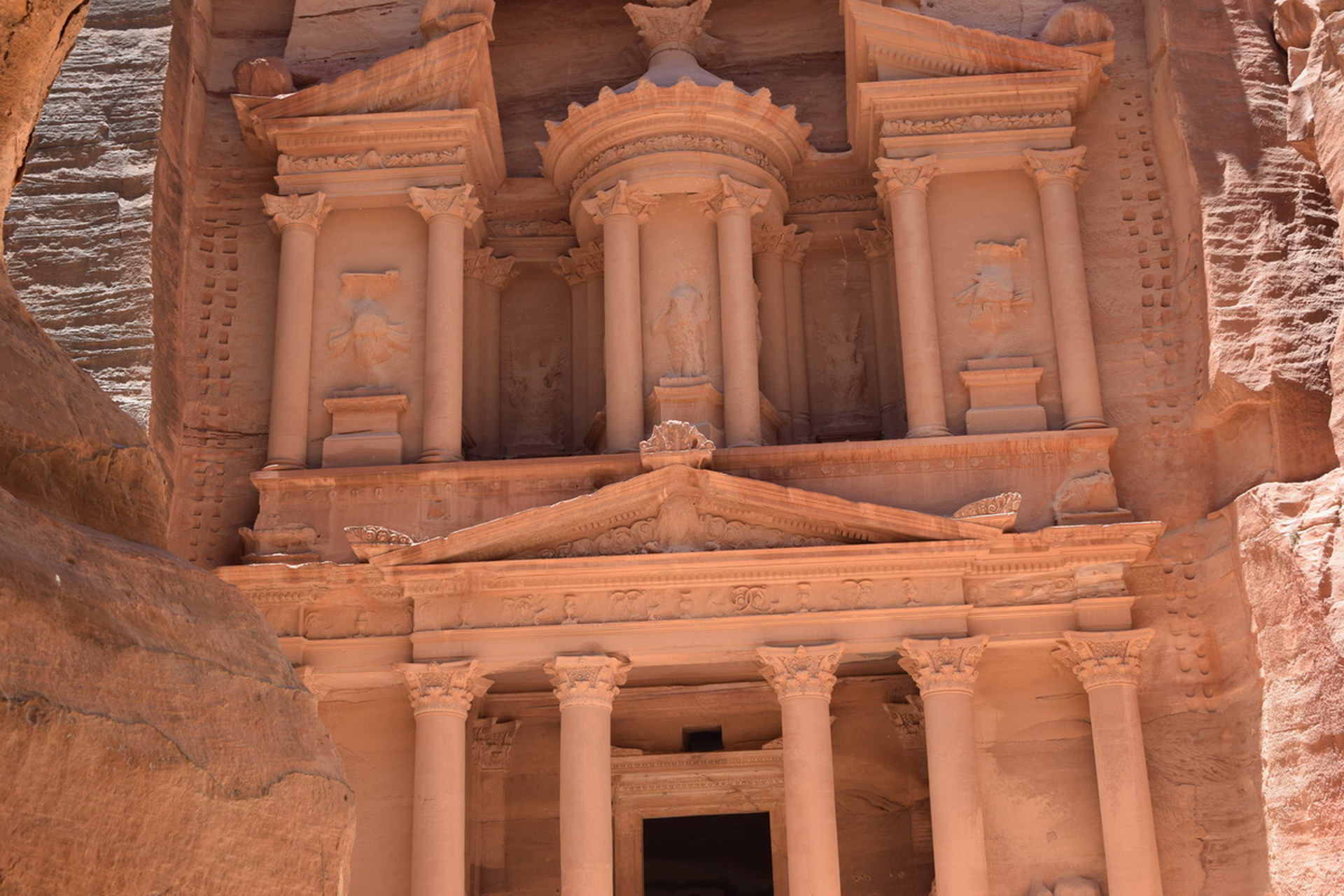
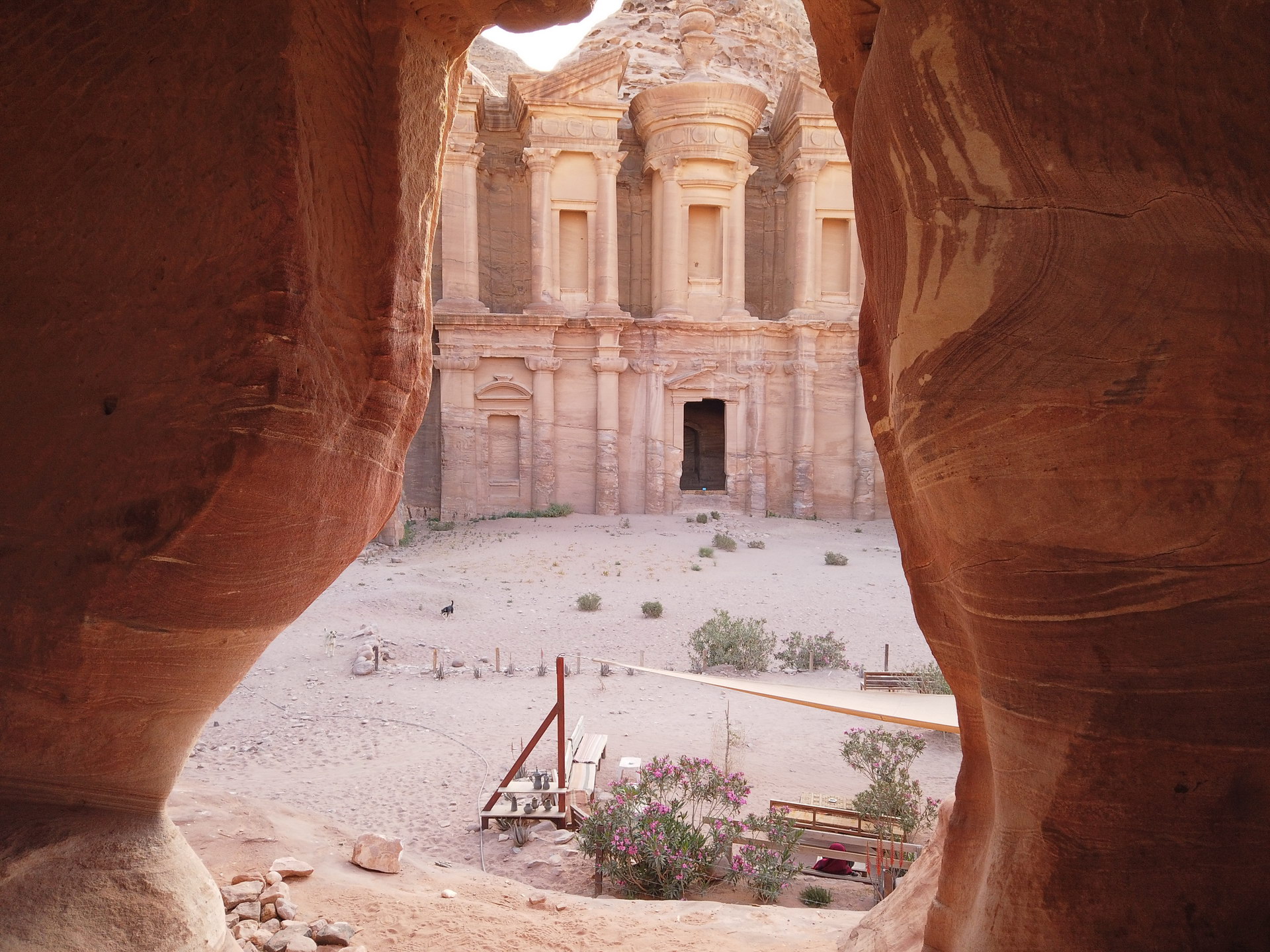
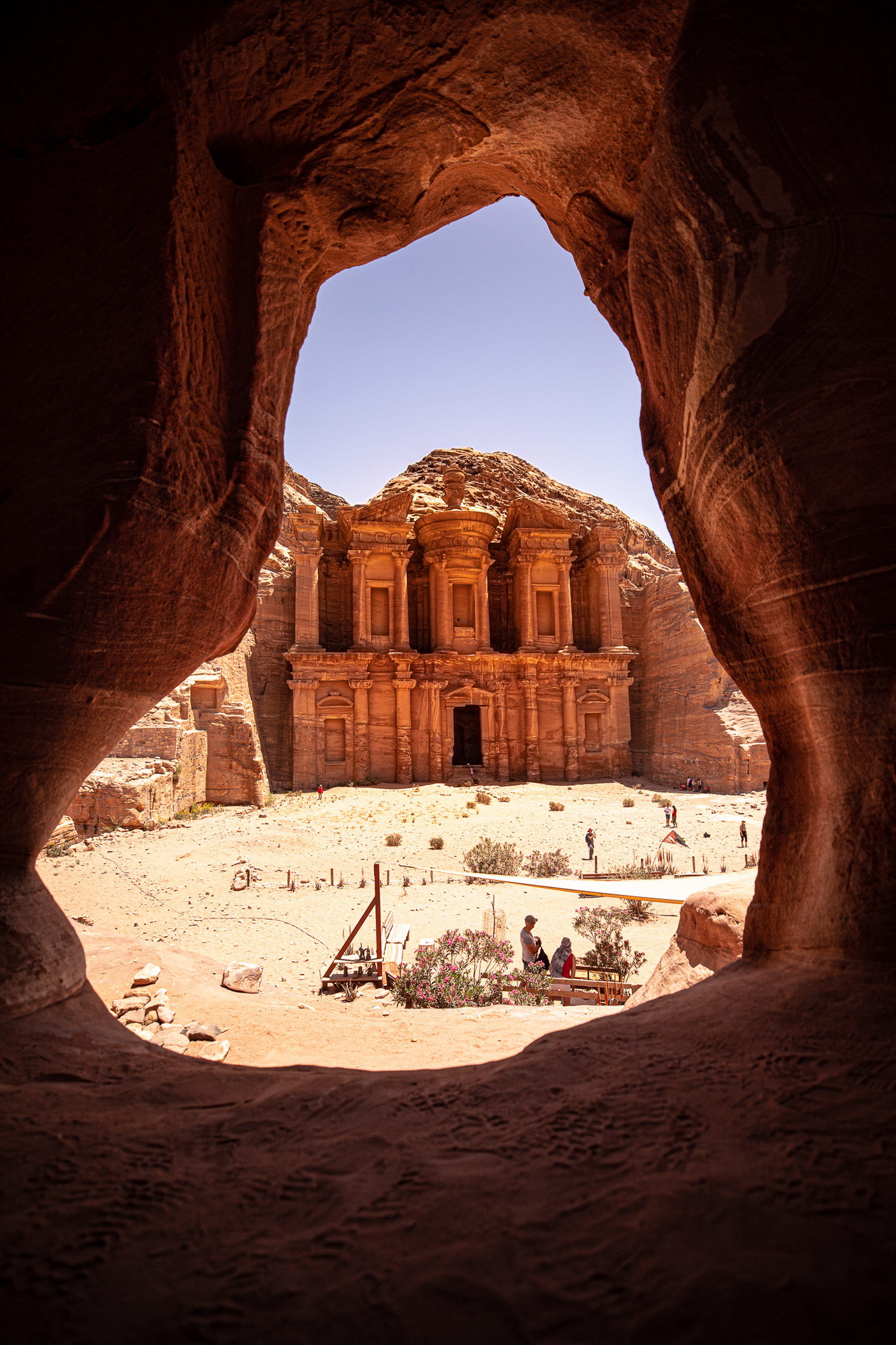
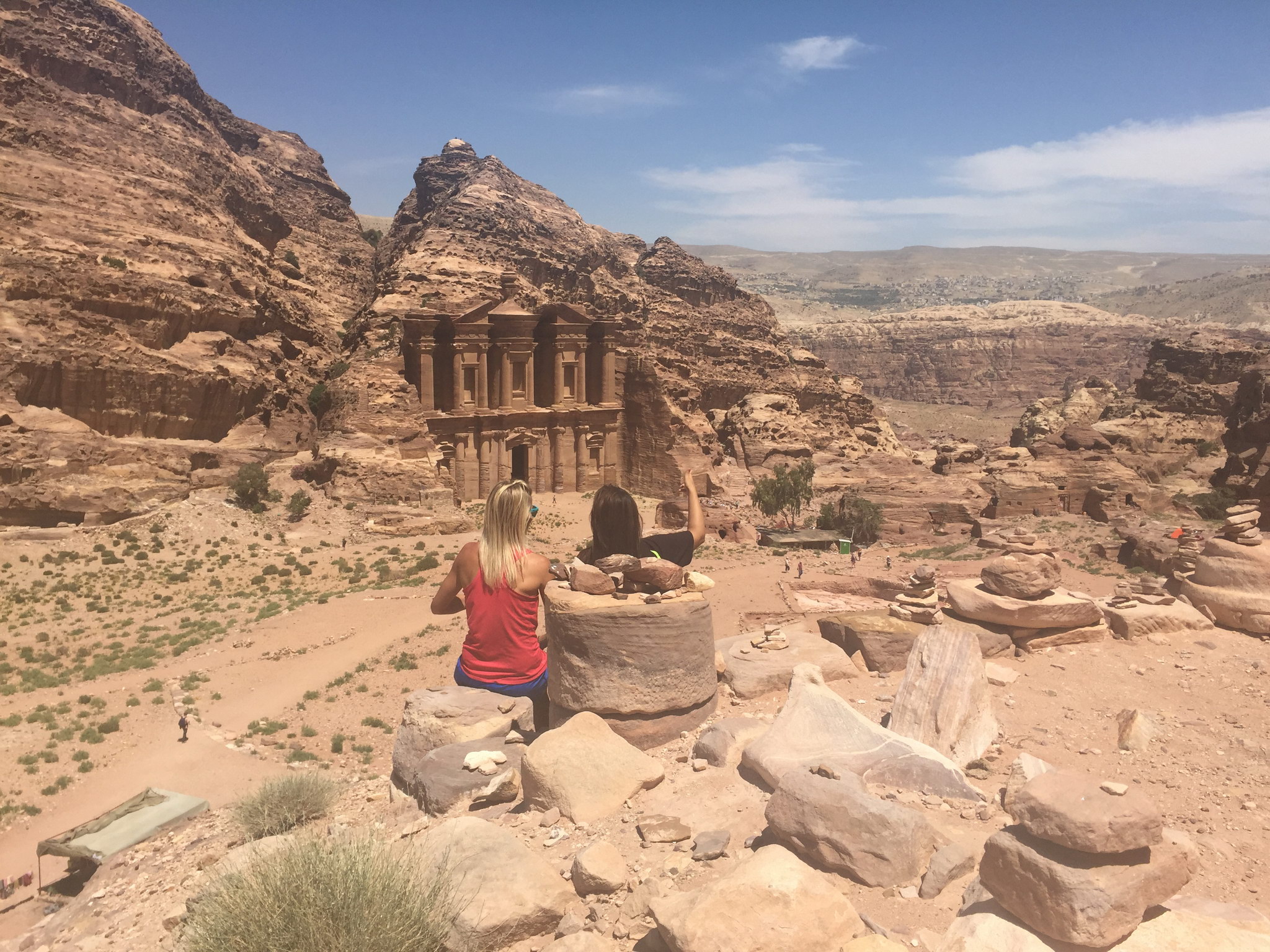
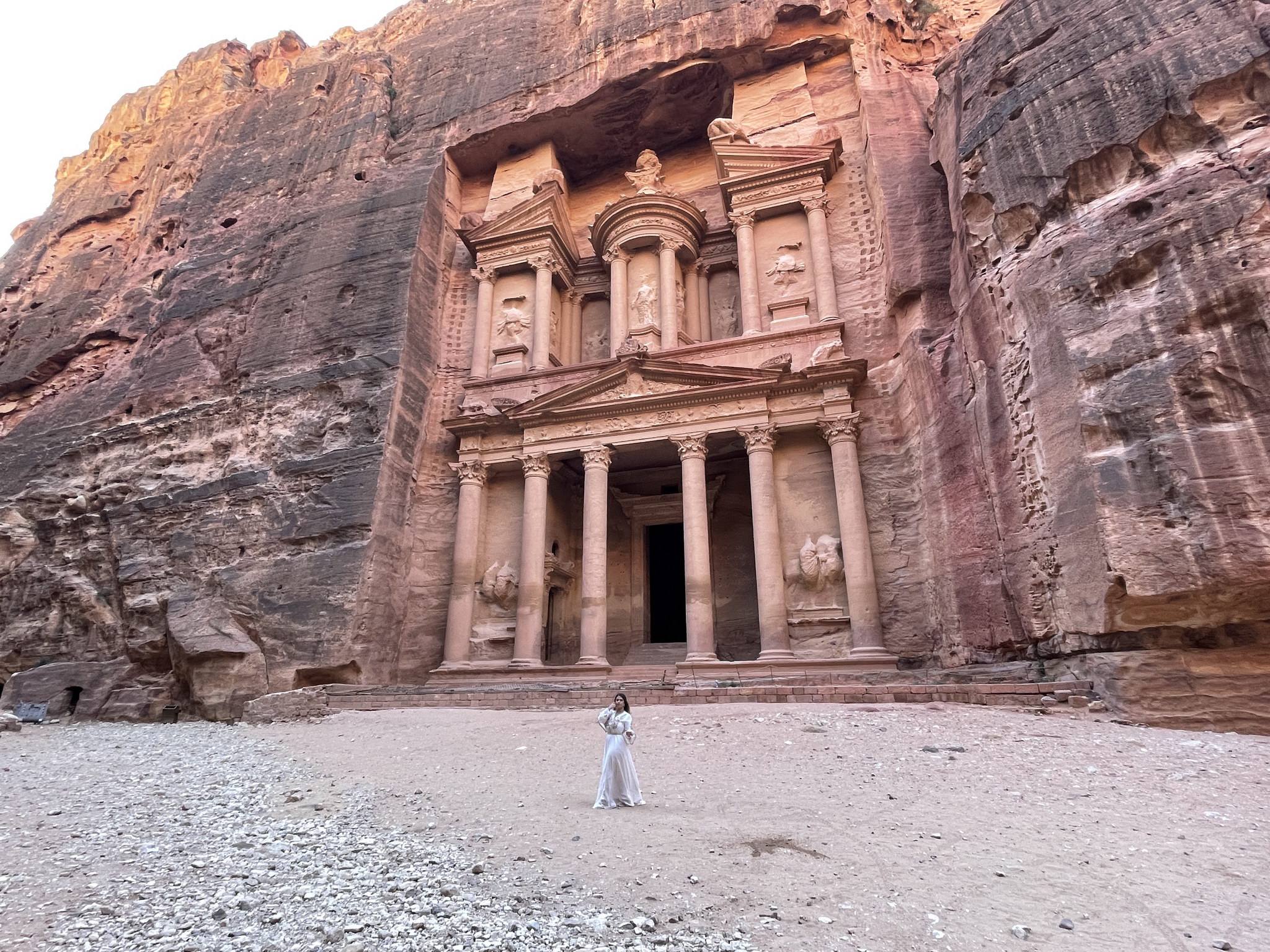
Petra: This UNESCO World Heritage site is Jordan's crown jewel, famous for its rock-cut architecture and water conduit system. Begin your journey through the Siq, a narrow gorge leading to the majestic Treasury. Spend at least two days here to explore the many trails, including the climb to the Monastery and the High Place of Sacrifice, where you can enjoy panoramic views of the surrounding landscape. Early morning visits can help you avoid the crowds and experience the serenity of this ancient city.
Wadi Rum: Known as the Valley of the Moon, Wadi Rum's otherworldly landscape features towering sandstone cliffs and vast desert expanses. Engage in activities like camel rides, jeep tours, or hot air ballooning for a breathtaking perspective of the desert. Spend a night in a Bedouin camp to fully absorb the tranquility and beauty of the starlit skies.
Amman: The capital city blends modernity with history, showcasing Roman ruins alongside bustling markets. Visit the Citadel, which offers insights into the city’s ancient past, and explore the Roman Theatre, which is still used for performances today. Amman is also a great base for trying local street food and shopping in vibrant souks.
Jerash: One of the best-preserved Roman cities, Jerash boasts colonnaded streets, temples, and an amphitheater that still hosts events. A day trip from Amman is easy, and the site is less crowded than Petra, allowing for a more relaxed exploration of the ruins.
Dead Sea: Experience the unique sensation of floating in the saltiest water on Earth. Enjoy the therapeutic benefits of the mineral-rich mud and relax in one of the many resorts along the shore. Although not ideal for an extended stay, the Dead Sea is a wonderful stop for relaxation and wellness.
Madaba: Famous for its Byzantine mosaics, Madaba is a charming town where you can visit St. George's Church to see the renowned map mosaic of the Holy Land. It’s also a gateway to Mount Nebo, where Moses is said to have viewed the Promised Land.
Aqaba: As Jordan’s only coastal city, Aqaba offers beautiful beaches, excellent diving spots, and a relaxed atmosphere. Enjoy water activities such as snorkeling or glass-bottom boat tours to explore the coral reefs of the Red Sea.
Dana Biosphere Reserve: This ecological treasure provides stunning landscapes, diverse wildlife, and hiking opportunities. Stay in eco-lodges run by local communities and immerse yourself in nature while learning about conservation efforts.
Ajloun: Known for its lush forests and the historic Ajloun Castle, this area is perfect for hiking and experiencing Jordan's rural charm. The cooler climate makes it an excellent escape from the heat of the desert.
Mount Nebo: A sacred site for many, Mount Nebo offers breathtaking views of the Jordan Valley and beyond. Visit the memorial church and consider it as an easy side trip from Madaba.
How Long to Spend in Jordan
While Jordan may seem small, the richness of its attractions warrants a well-planned itinerary. For a quick trip, allocate 3-5 days to visit Petra, Wadi Rum, and either the Dead Sea or Amman. A week allows for a more comprehensive experience, including Jerash and the Dana Biosphere. If you have two weeks, consider adding Aqaba for some beach time and leisurely exploration of rural areas. For those looking to dive deep into Jordan’s culture and landscape, three to four weeks will let you embrace the slower pace of life and discover hidden gems off the beaten path.
Planning Your Jordan Itinerary
Creating an itinerary for Jordan involves balancing between must-see attractions and the desire to experience local culture. Start by determining how much time you have and what interests you the most. If you prefer history and ruins, prioritize Petra, Jerash, and the Amman Citadel. For nature lovers, Wadi Rum and the Dana Reserve should be at the top of the list. Consider traveling the scenic King’s Highway for a more immersive experience, allowing you to explore small towns and enjoy stunning vistas. Booking key accommodations and activities in advance is advisable, especially during peak seasons.
Slow Travel in Jordan
Embracing the concept of slow travel in Jordan can lead to a more enriching experience. Instead of rushing from one site to another, take time to enjoy local cafes, engage with residents, and explore less-visited areas. Stay longer in fewer locations, allowing you to soak in the surroundings and enjoy spontaneous moments. Accept invitations for tea, which can lead to memorable conversations and connections with locals. Whether you’re hiking in Dana or exploring Amman’s neighborhoods, savor the journey and the warm hospitality that Jordan offers.
Handling Money in Jordan
In Jordan, cash is king, especially outside urban centers. The local currency is the Jordanian dinar (JD), and ATMs are widely available in cities and towns. While larger establishments accept credit cards, always be prepared with cash for smaller vendors and local eateries. Tipping is customary; rounding up the bill or leaving a small percentage is appreciated in restaurants, and a few dinars for guides and drivers goes a long way.
Common Scams to Watch Out For
While Jordan is generally safe, being aware of common scams can help mitigate any issues. Taxi drivers may sometimes forget to turn on the meter, so always insist on using it or agree on a fare beforehand. Be cautious of unlicensed guides who may approach you near major attractions; it’s best to hire guides through official channels. Additionally, avoid purchasing what appear to be ancient artifacts, as they may be replicas or illegal to export.
Traveling Responsibly in Jordan
Traveling responsibly in Jordan means respecting local customs and the environment. Dress modestly, especially when visiting religious sites, and learn basic Arabic phrases to show appreciation for the culture. Support local crafts by purchasing souvenirs from artisans rather than mass-produced items. Be mindful of the fragile ecosystems and historical sites; follow trails, avoid littering, and refrain from climbing on ruins. Lastly, conserve water, as Jordan is one of the most water-scarce countries on the planet.
Don’t Skip the King’s Highway
When traveling in Jordan, opt for the scenic King’s Highway over the faster Desert Highway. This route not only offers breathtaking views but also allows for unforgettable stops at quaint towns, historical sites, and local eateries. Embrace the slower journey, and you'll discover the heart of Jordan along the way.
Friday is Not a Normal Day in Jordan
As the holy day of Islam, Friday sees many businesses and attractions closed until after midday prayers. Plan your itinerary accordingly, using the morning for relaxation or visiting rural areas, and be prepared for a quieter atmosphere in urban centers.
Respect the Tea and the Pause
Tea is an important part of Jordanian hospitality. When offered tea, accept graciously and take the time to enjoy it. This pause is not just about refreshing yourself; it's an opportunity to connect with your hosts and learn more about their culture.