Exploring the Wonders of Petra - A Comprehensive Guide
Introduction to Petra: The Jewel of Jordan
Petra, often referred to as the Rose City due to its distinctive pink sandstone cliffs, is a historical gem nestled in southern Jordan. Known in antiquity as Raqmu, this archaeological marvel has captured the imagination of travelers for centuries. Established over two millennia ago by the Nabataeans, this site served as an important trade hub due to its strategic position along several significant trade routes. The focal point of Jordan tourism, Petra was designated a UNESCO World Heritage Site in 1985 and is celebrated as one of the New7Wonders of the World.
Many travelers prefer a small to mid-size guided group tour in Jordan for Petra and Wadi Rum.
The Nabataeans, a nomadic tribe, were skilled traders who utilized innovative water management systems and rock-cut architecture, features that continue to dazzle tourists today. Their mastery in carving vast structures into the mountains has not only left a legacy of artistic wonder but has also seen Petra evolve into one of the most sought-after destinations when planning a trip to Jordan.
Today, the site stands as a testament to human ingenuity and perseverance, welcoming visitors who seek to explore its majestic ruins and uncover the secrets of its storied past. Each corner of Petra has a tale to tell, and every visitor walks in the footsteps of ancient merchants and explorers. The mystery surrounding its hidden depths concocts an inviting aura, drawing thousands of guests each year who wish to unravel its long-forgotten narratives.
In addition to its historical significance, Petra embodies a unique blend of natural beauty and human-made wonders. Surrounded by rugged mountains and vast desert landscapes, visitors are often left in awe of the picturesque scenes that unfold before their eyes. From sunrise to sunset, the shifting light on the rose-colored stones casts enchanting shadows, enhancing the sense of magic in the air.
The Geography of Petra: Nature’s Fortress
Set against the breathtaking backdrop of Jebel al-Madhbah, often associated with the biblical Mount Hor, Petra is enveloped by towering cliffs that offer both protection and a stunning vista. It lies in Wadi Musa, a valley that stretches from the Dead Sea to the Gulf of Aqaba. This geographical positioning provides Petra with a natural refuge, making it an ideal location for the Nabataeans to establish their bustling trade civilization. Surrounded by golden sand dunes and rugged hills, the landscape itself adds to the allure of this magnificent ancient city.
The city is sustained by a natural spring that contributes to its water system, allowing the Nabataeans to thrive. They ingeniously constructed dams and water conduits that capture rainwater, which is critical for survival in the arid desert climate. This innovative approach to resource management allowed Petra to prosper as a bustling trade center, manipulating flash floods and transforming the environment into a flourishing oasis.
Today's visitors approach Petra primarily through the Siq, a dramatic, narrow gorge that extends for approximately a mile, leading ultimately to the awe-inspiring Al Khazneh, also known as the Treasury. The Siq itself is a geological wonder, shaped over centuries, providing a sense of anticipation and excitement for all who venture through its winding path. Walking through the Siq, you are enveloped by towering cliffs on either side, which accentuate the feelings of being in a real-life treasure hunt.
The flora and fauna around Petra also contribute to its unique charm. The area is home to various plant and animal species, adapted to the arid conditions, making it a fascinating study for nature enthusiasts. This blend of cultural history and natural beauty creates an immersive experience that leaves guests spellbound.
The Architectural Marvels of Petra
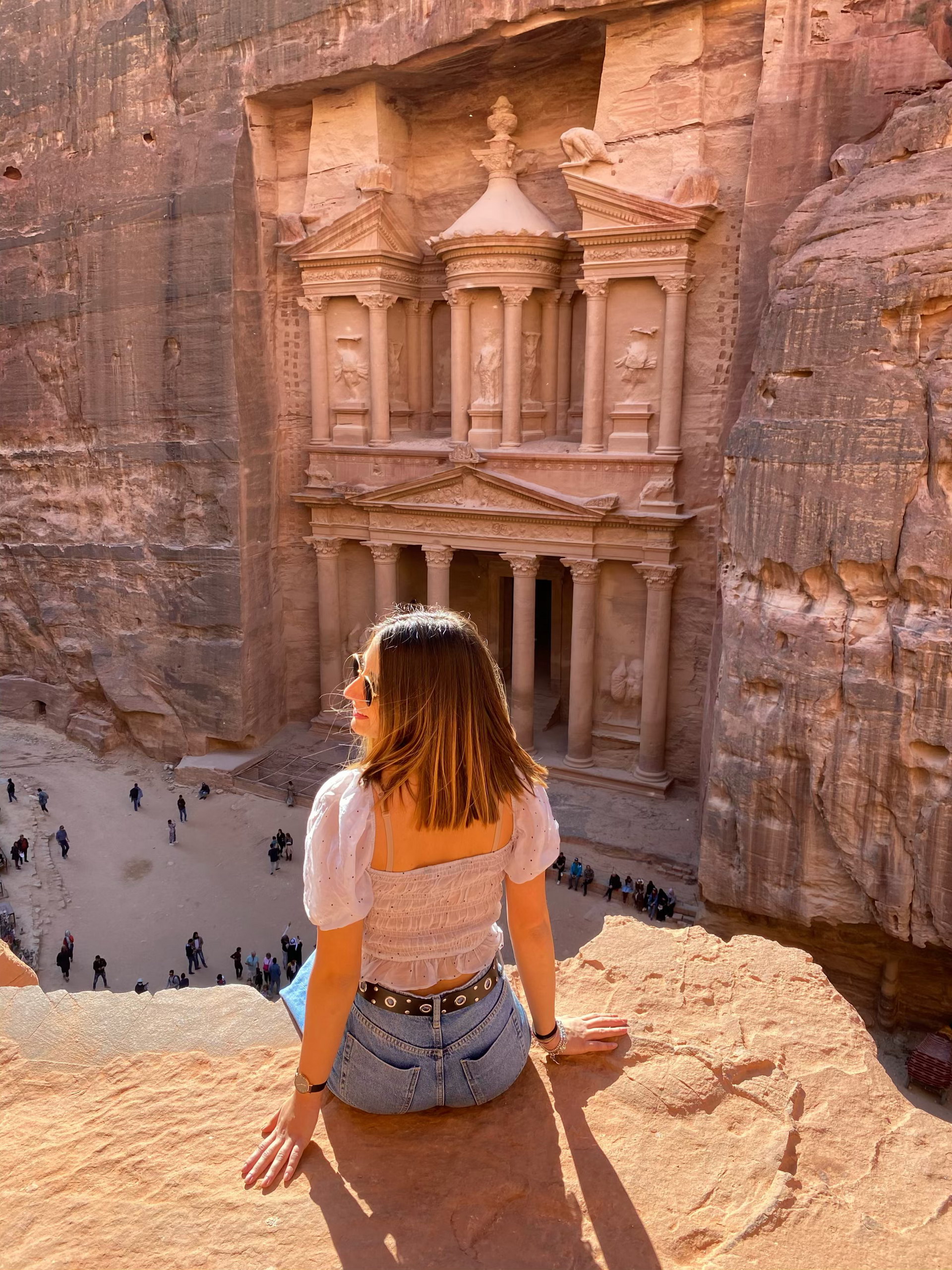
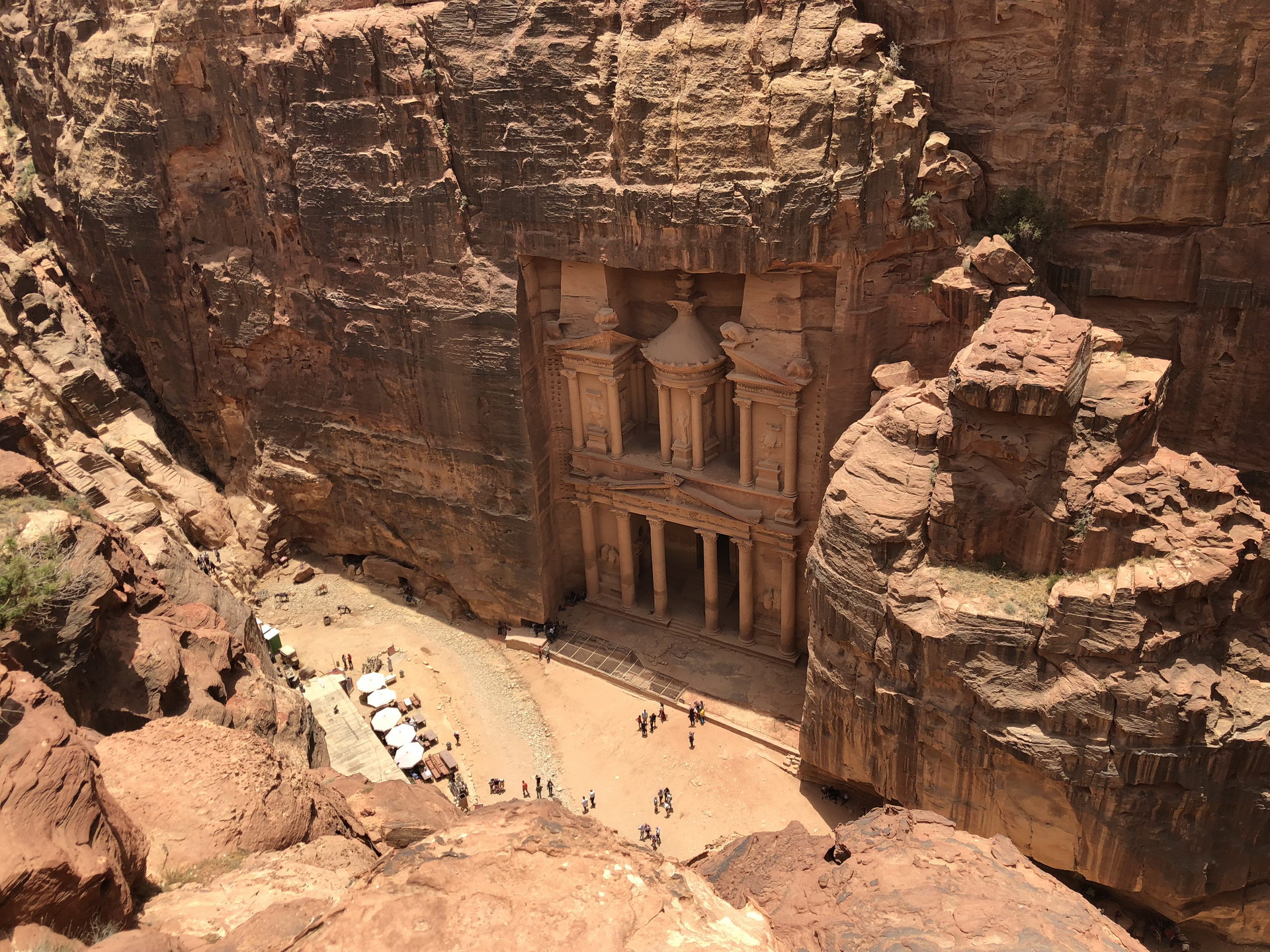
Once you emerge from the Siq, the sight of the Treasury leaves many visitors breathless. Carved directly into the rich pink stone, this majestic structure served various roles, from a tomb to a temple, and is arguably one of Petra's most iconic symbols. The intricate carvings and the grandeur of this façade are a testament to the creative spirit of the Nabataeans. The astonishing detail visible in the stonework includes ornate friezes and carvings that illustrate the wealth and cultural depth of the Nabataean civilization.
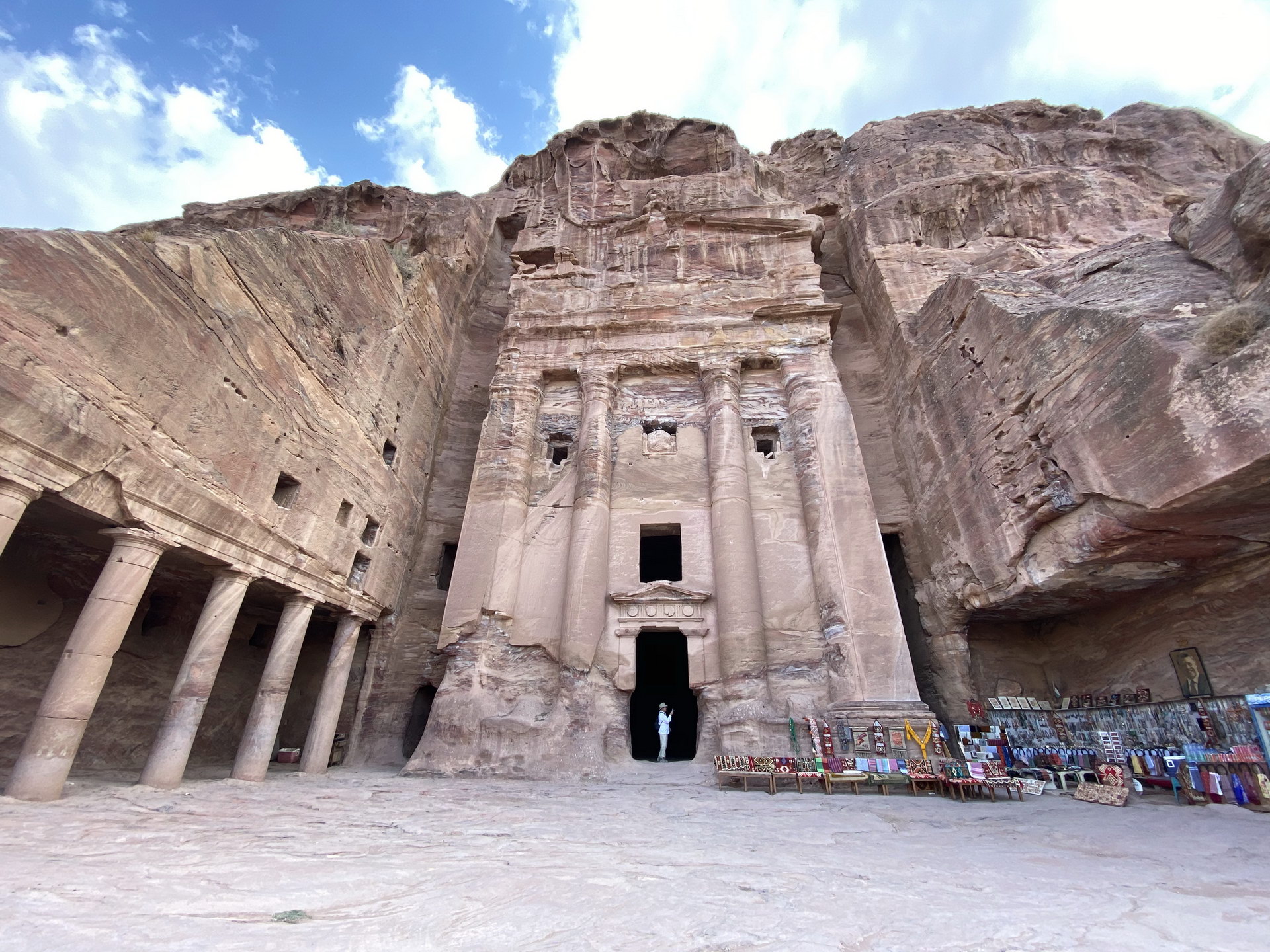
Moving further into the site, visitors encounter a myriad of fascinating structures, including the Roman theater, which was excavated into the mountainside. This impressive amphitheater could host thousands and was strategically positioned to maximize the volume of sound, demonstrating the Nabataeans’ architectural prowess. Many of the tombs, adorned with elaborate facades, line the cliffs surrounding the theater. Each tomb showcases designs that reflect the wealth and status of its owner, telling stories of lives lived long ago through their architectural grandeur.
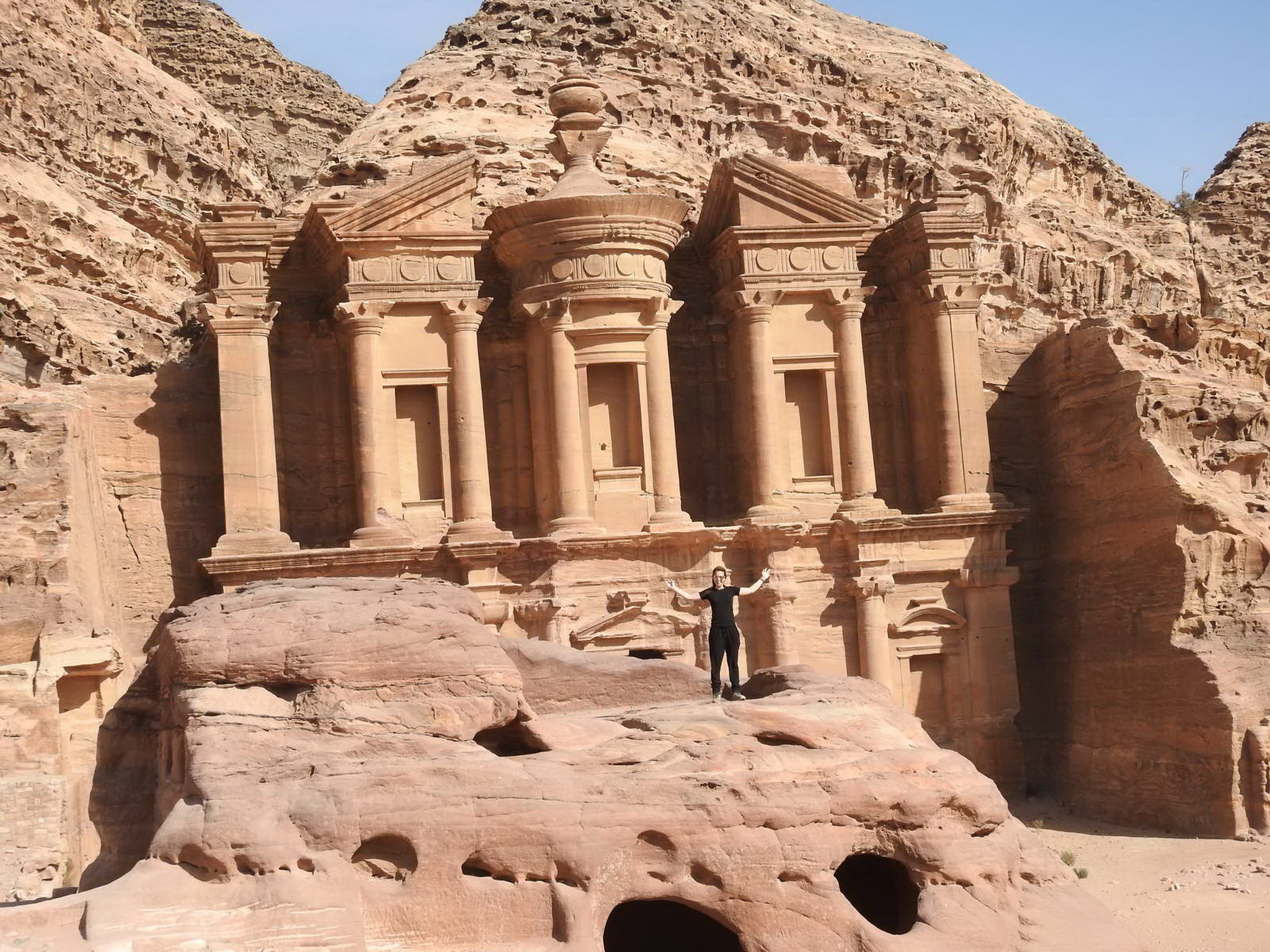
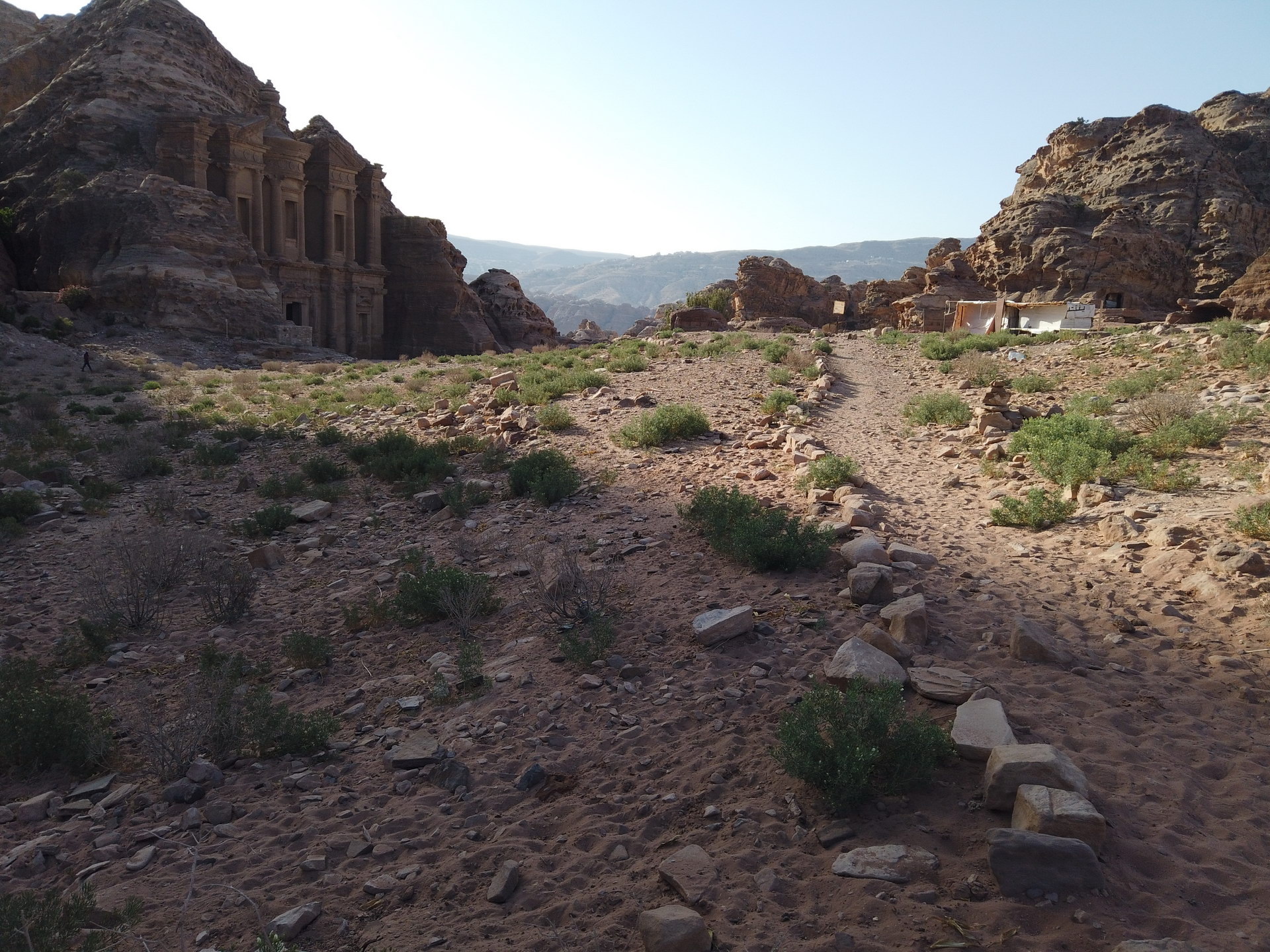
Another significant highlight is the Monastery known as Ad Deir. This site, much larger than the Treasury, served a similar purpose but exhibits a unique architectural style with its expansive facade that offers remarkable views of the surrounding landscapes. Walking through Petra, you'll find over 800 individual structures, with many still yet to be fully excavated, hinting at more secrets waiting to be uncovered. Each structure has its own unique story, with diverse architectural elements blending Hellenistic and local styles, making it a true architectural encyclopedia that showcases the evolution of building practices in ancient times.
The larger discourse of Petra's architecture also reflects the societal hierarchy of the Nabataeans. The meticulous planning and purposeful design highlight their advanced understanding of urban layout in an epoch when such sophistication was rare. The combination of spirituality with practicality can be seen not only in magnificent temples but also in the infrastructure designed for daily life, which still intrigues historians to this day.
Historical Significance of Petra
The history of Petra is as rich and layered as the different stone hues that adorn its cliffs. Originally settled around 310 BC, Petra quickly rose to prominence under the Nabataean kingdom. This society flourished due to its strategic location, which allowed it to control trade routes between the East and West, facilitating the exchange of valuable goods like spices, incense, and textiles. As trade thrived, so did the Nabataean culture, leading to advancements in art, architecture, and engineering that are evident throughout the site.
During the Roman Empire's expansion, Petra became a vital trading hub known as Arabia Petraea. This transition brought the city immense wealth and architectural advancements. Roman influences are evident in numerous structures, including the Roman archways and the layout of the city streets. However, the decline of the trade routes, exacerbated by changing political landscapes and a series of natural disasters, led to the city's gradual abandonment. This decline further obscured Petra from the historical narrative, turning it into a legend whispered among the nomadic tribes of the region.
Despite its obscurity, Petra garnered the curiosity of travelers in the Middle Ages. Eventually, it was rediscovered in 1812 by Swiss explorer Johann Ludwig Burckhardt, who introduced the site to the Western world. His accounts sparked interest among scholars and adventurers, setting the stage for the modern exploration and excavation efforts. The revival of interest in Petra led to international archaeological initiatives and conservation efforts, aimed at preserving its unique attributes for future generations. This historical revival also brought forth a wealth of scholarly studies, exploring not just the site but the Nabataean cultural context.
The legacies of Petra are preserved not only in its stones but also in the narratives woven through its history. The rise and fall of this remarkable city mirror the shifting patterns of trade and power dynamics in the region. The continued interest and research surrounding Petra help to sustain its relevance in understanding ancient societies' interactions, resilience, and legacies.
Planning Your Visit to Petra
When considering a Petra visit, there are several factors to keep in mind to optimize your experience. Located approximately 240 km south of Amman, the capital city of Jordan, visitors often travel to Petra via Amman. Depending on your itinerary, a day trip can be organized but many find it beneficial to stay overnight to fully appreciate the majesty of the site at different times of the day, particularly at sunrise and sunset. Agritours provide an excellent means of engaging with the local culture and exploring beyond the ruins, which can enrich your trip.
The best time to visit Jordan and Petra is during the spring (March to May) or fall (September to November) when the weather is mild and conducive for exploring. Summer can be particularly harsh, with temperatures soaring, making daytime exploration challenging. For those considering an overnight experience, guided tours often include options for camping in Wadi Rum, allowing visitors to bask in the stars after a day of exploration. Camping amidst the desert rocks and experiencing traditional Bedouin hospitality should be part of the adventure.
When you visit Petra, a ticket grants you access to the site, but consider investing in a guided tour for a more comprehensive experience. Various operators offer guided tours that can delve into the rich history and lesser-known details of Petra. A knowledgeable guide can guide you through the essential spots, helping you witness the delicate carvings and intricate details of the structures that you might overlook on your own.
Traveling to Petra requires a Jordan visa, which is typically available upon arrival for many nationalities. It's advisable to check current Jordan travel requirements to ensure a smooth entrance. Once there, safety is often a concern, especially for first-time travelers asking, 'Is Jordan safe to travel now?' The overall security situation in Jordan is stable, with many agencies encouraging travel to this historic site. Additionally, the friendly local population is more than willing to assist visitors, contributing to an environment where adventurers can feel secured.
Travel Tips: Enhancing Your Petra Experience
For a fulfilling journey through Petra, several visiting tips can make all the difference. Firstly, ensure comfortable footwear, as the site involves considerable walking on uneven terrain. Opt for lightweight and breathable clothing based on the season of your visit. It's also advisable to carry a reusable water bottle to stay hydrated. Food and drinks can be acquired within the site, but bringing along light snacks can sustain energy levels during long exploration hours.
If you wish to delve deeper into the stories behind the ruins, consider joining a Jordan private tour or a guided Petra day tour. Knowledgeable guides can enrich your experience with historical insights and anecdotes that you may miss on a solo adventure. Additionally, take advantage of the photographic opportunities – sunrise and sunset provide the best lighting for capturing the beauty of this ancient city. The golden hour creates spectacular visual effects that can elevate even simple pictures to something breathtaking.
Don't forget to experience Petra by night if your schedule allows, as the site holds special candle-lit tours that provide a magical atmosphere as you stroll through the Siq and see the Treasury bathed in the glow of hundreds of candles. This unique perspective of Petra undoubtedly adds an unforgettable layer to your visit.
Before you embark on your trip to Jordan, be aware of current Jordan travel restrictions. It’s beneficial to stay updated regarding local customs and guidelines regarding health and safety measures to ensure a seamless experience. Whether it's your first journey or a return trip, the allure of Petra promises a profound and unforgettable experience. Learning basic Arabic phrases can also enhance interactions with locals and deepen the immersive experience of this historic land.
Local Insights: Embracing Petra's Culture
Beyond the breathtaking attractions, immersing yourself in the local culture can greatly enhance your experience. The region surrounding Petra is home to vibrant communities, including the Bedouins, whose traditions and lifestyles reflect the resilience and spirit of the desert. Engaging with the local people can provide valuable insights into their way of life and the history of the region.
Consider sampling local cuisine while visiting Petra. Traditional dishes such as Mansaf, a lamb dish served with rice and yogurt, or Zarb, a Bedouin-style barbecue cooked underground, offer a taste of Jordanian hospitality. Many local restaurants and food stalls serve reputable food options that can complement your adventure beautifully. Moreover, learning about the significance of local ingredients and food preparation methods adds dimension to your culinary journey.
Shopping for handcrafted souvenirs can also be a rewarding part of your visit. Local artisans produce a variety of items—ranging from intricate jewelry to handmade crafts that reflect the cultural heritage of the area. Supporting these artisans not only offers you a unique piece of Petra to take home but also positively impacts the local economy.
Finally, taking part in local events or festivals can broaden your perspective on Jordanian culture. If your visit coincides with a local festival, such as the Jerash Festival of Culture and Arts, it is worthwhile to attend. These gatherings celebrate art, music, and cultural heritage, providing a lively atmosphere and a chance to experience the rich customs of the region.