Exploring Umm al-Jimal - Jordans Hidden Gem of Ancient Heritage
An Overview of Umm al-Jimal
Located approximately 80 kilometers north of Amman, Umm al-Jimal is a site that captures the essence of Jordan's late antique history and architectural brilliance. Its name translates to 'Mother of Camels' in Arabic, indicating its historical significance as a caravan stop linking various trade routes. This site stands out due to its construction primarily from basalt stone, a reflection of the local geological resources.
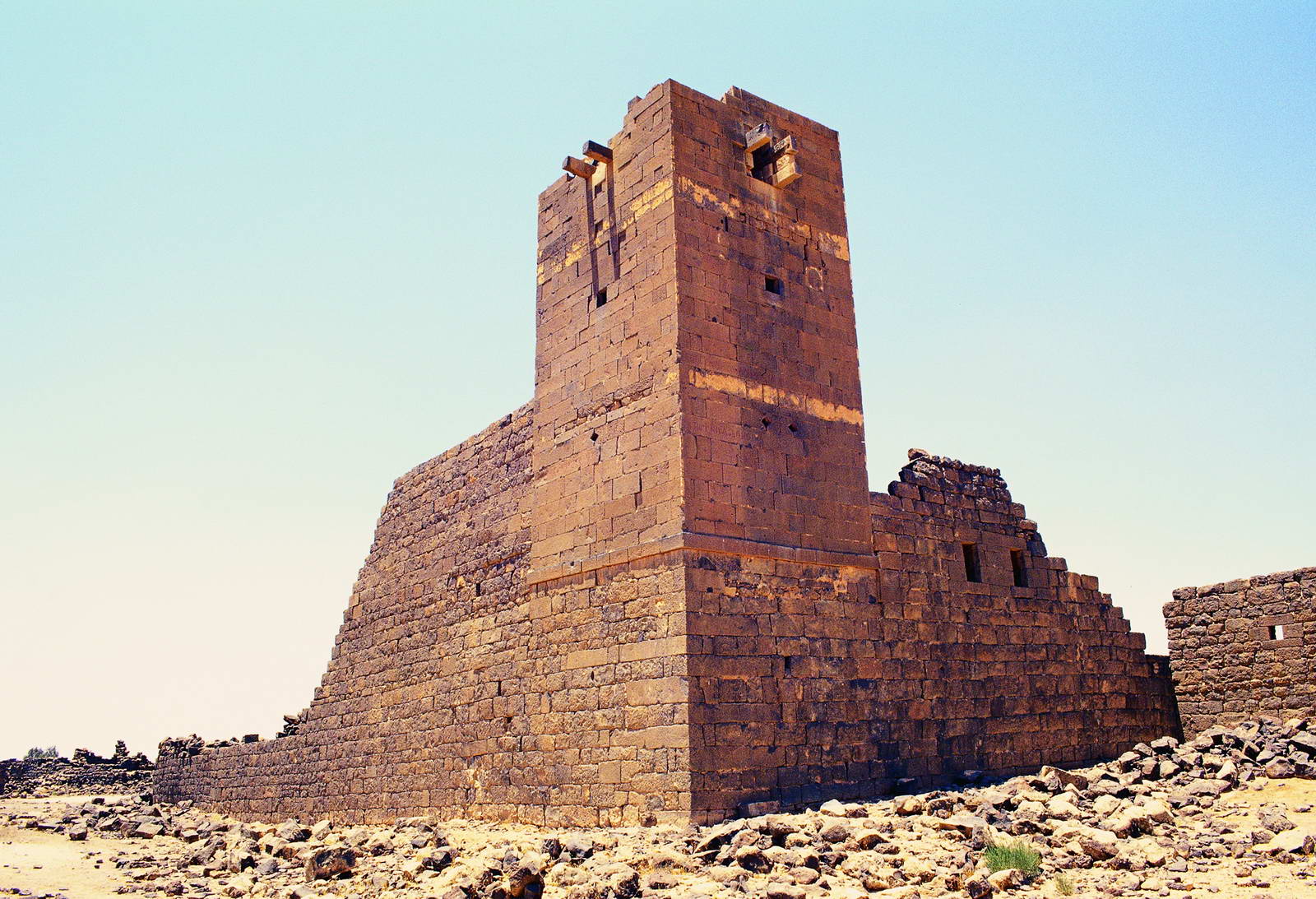
Originally, Umm al-Jimal was a Nabataean settlement before transitioning into a Roman military outpost. However, it truly flourished during the Byzantine era between the 5th and 7th centuries, transforming into a bustling farming and trading hub. The site boasts over 150 black basalt houses, 16 churches, and significant structures like the Praetorium, the Commodus Gate, and the Great Reservoir, all embodying its rich Roman and Byzantine heritage.
Architectural Marvels of Umm al-Jimal
The architecture of Umm al-Jimal is a testament to the incredible ingenuity of its builders. The innovative use of basalt stone includes techniques such as corbelling and interlocking courses, which allowed for the construction of resilient multi-story buildings that have withstood the ravages of time. A prime example can be seen in the House XVII-XVIII complex, where visitors can explore remnants of ancient domestic life.
In addition, the churches located here, such as the Double Church and the Cathedral, provide a glimpse into the shifts in religious practices from Roman paganism to Christianity and eventually into the early Islamic period. Each structure tells its own story, offering valuable insights into the historical evolution of Umm al-Jimal.
Cultural Significance and UNESCO Status
In 2024, Umm al-Jimal achieved recognition as a UNESCO World Heritage Site, elevating its status and importance within Jordan and the broader international community. This designation not only underscores the site's cultural and historical significance but also emphasizes the need for preservation efforts. The site’s rich heritage lies in its blend of architectural styles and the cultural fusion evidenced by Nabataean inscriptions, some of which are bilingual in Greek.
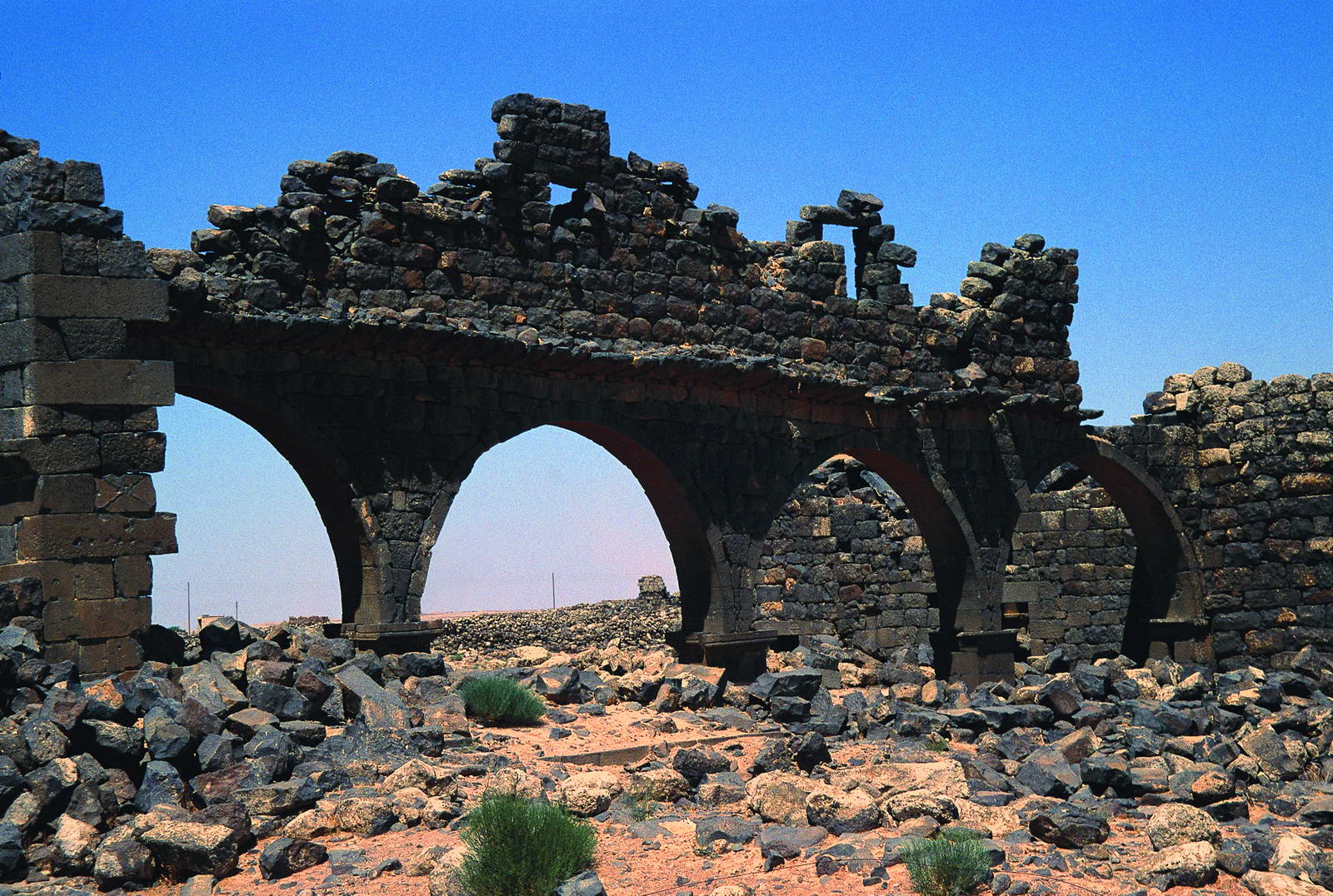
Visitors can traverse the Interpretive Trail, which features 33 points of interest that illuminate the history and significance of the area. Moreover, the on-site museum offers a collection of artifacts that provide deeper insights into life in Umm al-Jimal throughout the centuries, making it a must-visit for history buffs and tourists alike.
Experiences Awaiting You in Umm al-Jimal
A visit to Umm al-Jimal is not just about observing ancient ruins; it's about engaging with the living culture of the region. Tourists can immerse themselves in Bedouin life by exploring the surrounding landscape with local shepherds or camel herders. This unique experience allows for a deeper connection with the cultural identity of the local communities.
- **Bedouin Experience**: Visit a traditional ‘beit shahar’ or Bedouin tent and savor authentic Arabic coffee while listening to stories about Bedouin customs and traditions.
- **Basalt Stone Carving Workshops**: Engage in hands-on workshops where you can create your own carved artworks, an experience guided by skilled local artisans.
Both activities not only provide a creative outlet but also support local artists and craftsmen, contributing to the sustainable tourism model in Jordan.
Local Cuisine: A Taste of Jordan
Food lovers will find delight in the traditional Jordanian dishes offered by local families in Umm al-Jimal. Signature dishes such as Mansaf, a meal made with lamb and rice, offer a taste of Jordan's culinary heritage. Visitors can participate in cooking demonstrations, learning how to prepare these delectable dishes, including the underground cooking method known as Zarb. Sharing a meal with local families allows for storytelling and cultural exchange, enriching the overall travel experience.
A visit to Umm al-Jimal isn't complete without sampling local delicacies like lebneh and olives, enhancing the cultural immersion while providing opportunities to connect with the local community.
Planning Your Journey to Umm al-Jimal
As you plan your trip to Jordan, including Umm al-Jimal in your itinerary guarantees a thrilling encounter with history and culture. The site is easily accessible, located close to major travel routes leading to Amman, Petra, and other Jordanian highlights. Visitors often consider taking a Jordan group tour, which can provide a comprehensive experience of the country's rich heritage and numerous attractions.
For those interested in exploring the landscapes, excursions into Wadi Rum are also available, offering breathtaking desert views and adventure opportunities. Make sure to stay updated on the current Jordan travel restrictions and requirements to ensure a smooth journey, including details regarding airport procedures and visa acquisitions.