Exploring Jordans Enigmatic Desert Castles - A Journey Through History
A Glimpse Into Jordan's Desert Castles
The desert castles of Jordan represent an extraordinary fusion of history, art, and architecture, dating back to the 8th century. These stunning structures are not merely fortresses; they served as vital hubs for agriculture, trade, and hospitality, connecting distant rulers with the local Bedouin tribes. Nestled primarily to the east and south of Amman, these castles draw travelers keen on enriching their Jordan itinerary with cultural gems.
When planning a trip to Jordan, including these castles allows visitors to experience the unique blend of Islamic artistry and the influences of Persian and Graeco-Roman traditions. Each castle, with its intricate mosaics, frescoes, and carvings, narrates compelling stories from a bygone era, enriching the visitor’s understanding of Jordan’s rich history.
This guide will provide an overview of several prominent desert castles, recommendations on how to get there, and insights into their historical significance.
Getting There: Accessing the Desert Castles
Reaching Jordan's desert castles is straightforward, making them an accessible addition to any Jordan tour. Most castles are located within a few hours' drive from Amman, allowing for convenient day trips. Visitors can rent a car or opt for local guided tours, which often include round-trip transport and insightful commentary on the history and cultural significance of each site.
For those looking for a longer exploration, planning a two-day loop from Amman can yield a more comprehensive experience, encompassing multiple castles in one trip. Whether you choose to embark on a Jordan private tour or join a group, these ancient sites await your discovery.
As you travel, ensure you are aware of the Jordan travel requirements, including any visa requirements, as well as current travel restrictions for tourists. For those asking, 'is Jordan safe for tourists?' – rest assured, the landscapes and attractions are welcoming and largely secure for visitors.
Al-Mshatta Palace: The Opulent Winter Retreat
Situated approximately 32 kilometers southeast of Amman, Al-Mshatta Palace, also known as the Winter Palace, is an exquisite example of Umayyad architecture. Commissioned by Caliph al-Walid bin Yazid in 744 AD, the extensive palace complex features a substantial square wall measuring 144 meters, adorned with 25 circular towers. Visitors can marvel at the ornate stone and stucco carvings that reveal the influences of classical art forms.
A visit to Al-Mshatta offers a glimpse into the luxurious lifestyle enjoyed by the Umayyad elite, complete with intricate mosaics depicting pastoral scenes and hunting motifs. As one of the significant historical sites, it provokes awe and reflection on the sophisticated culture that once thrived here. For those venturing from Amman, a Petra visit can be easily incorporated into your Jordan itinerary, making both destinations essentials on your discovery list.
The palace is often included in Jordan group tours, allowing for communal exploration and guided insights into its rich past.
Qasr Al-Harrana: The Fortress of Time
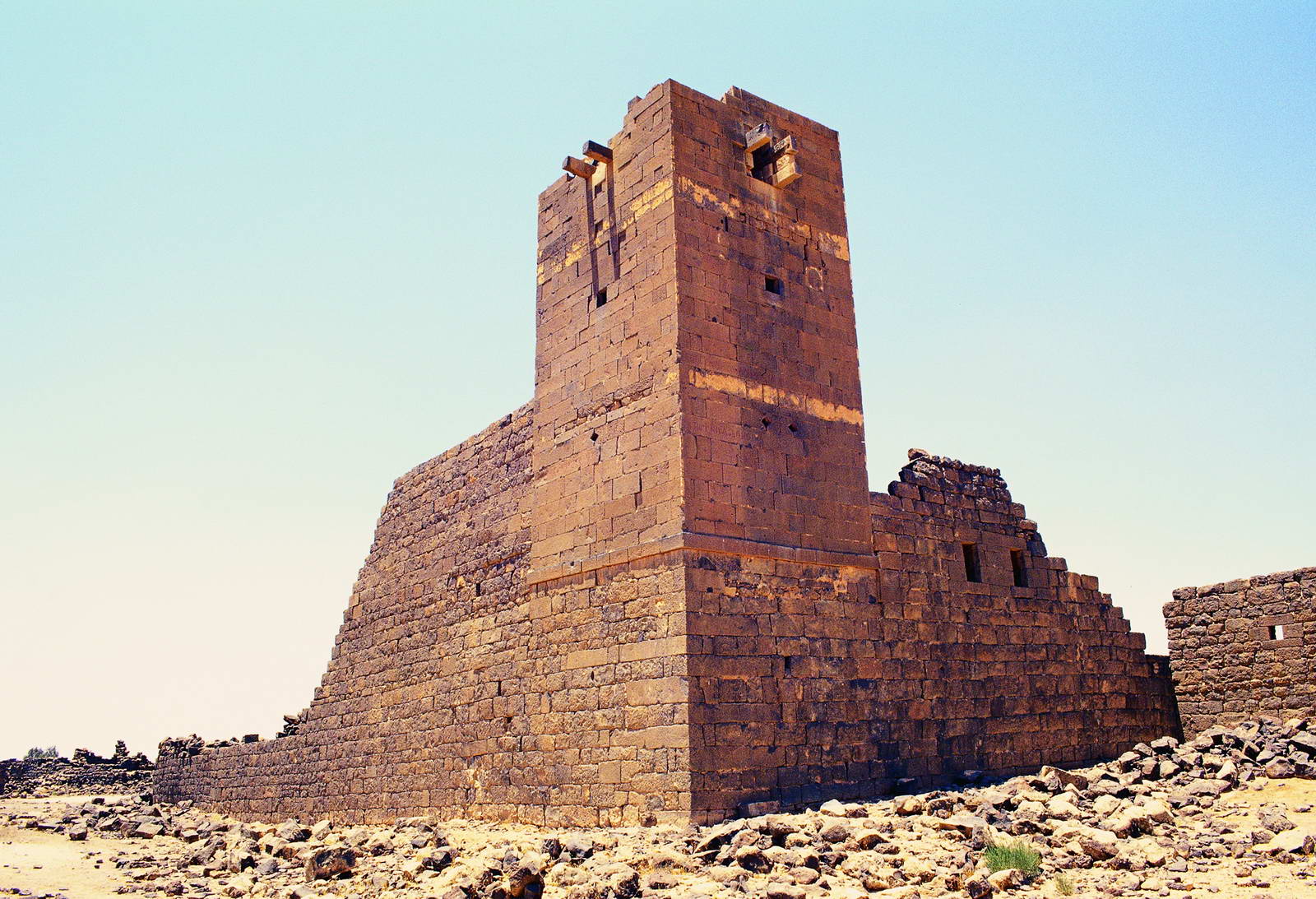
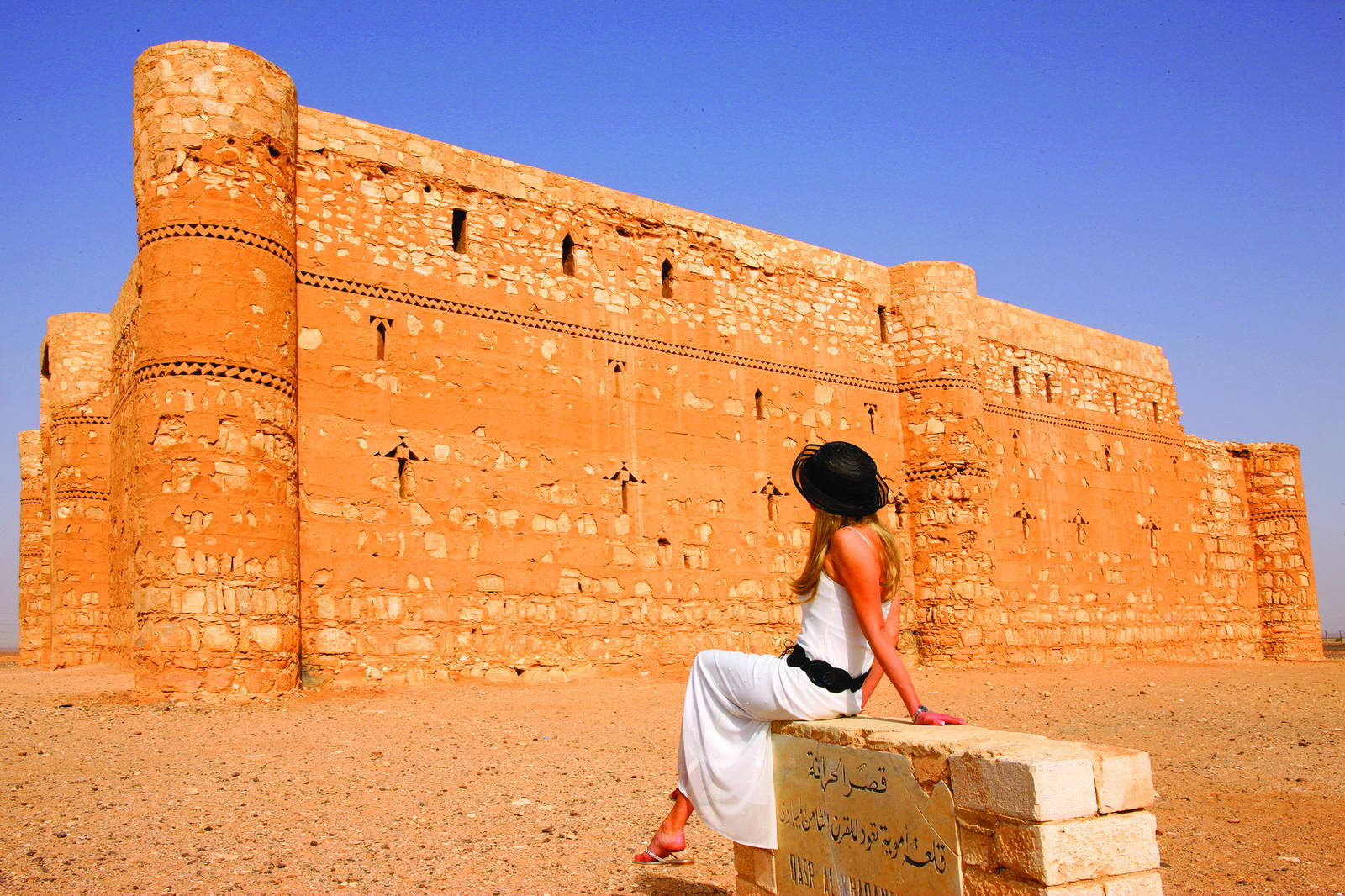
Qasr Al-Harrana, located in the Al-Harrana Valley and identifiable by its square fortress structure, dates back to the reign of Al-Walid ibn Abd al-Malik. This castle has endured the passage of time, having been restored multiple times throughout its history. Positioned strategically on the road to Azraq, it serves as a testament to the architectural ingenuity of the era.
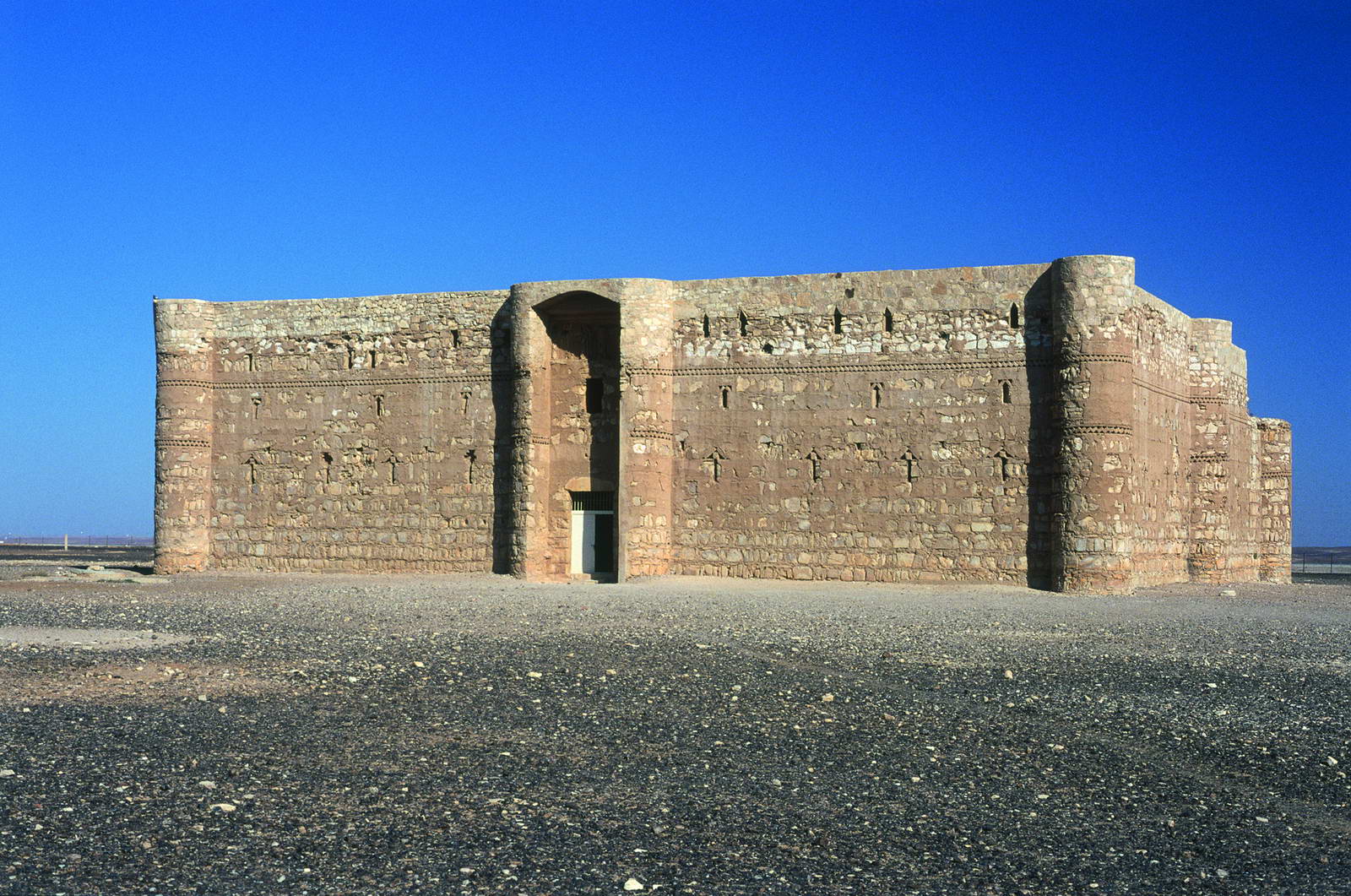
Visitors exploring Qasr Al-Harrana can enjoy the well-preserved interiors, which showcase the significance of this site as a refuge and a center for local trade and interaction between various tribes. The castle’s impressive fortifications invite exploration and offer a sense of adventure for those keen on delving deeper into Jordan’s desert landscape.
Incorporating a visit to Qasr Al-Harrana into your Jordan travel guide will undoubtedly enhance your understanding of this region's historical complexities. After your castle tours, a subsequent trip to the renowned Wadi Rum Desert can provide a perfect contrast of natural beauty and adventure, making for a well-rounded experience.
Quseir Amra: A UNESCO World Heritage Marvel
Recognized as a UNESCO World Heritage site, Quseir Amra stands out for its architectural uniqueness and the stunning frescoes that adorn its walls. Built during the reign of Caliph Yazid bin Abd al-Malik, Quseir Amra served as a leisure palace and hunting lodge, emphasizing the Umayyad's appreciation for arts and recreation.
Inside, visitors can admire elaborate murals depicting scenes of daily life, nature, and mythological subjects, which reflect a wealth of cultural influences and artistic endeavors of the time. The preservation of these artworks allows insights into not just the artistic but also social practices of the Umayyad period.
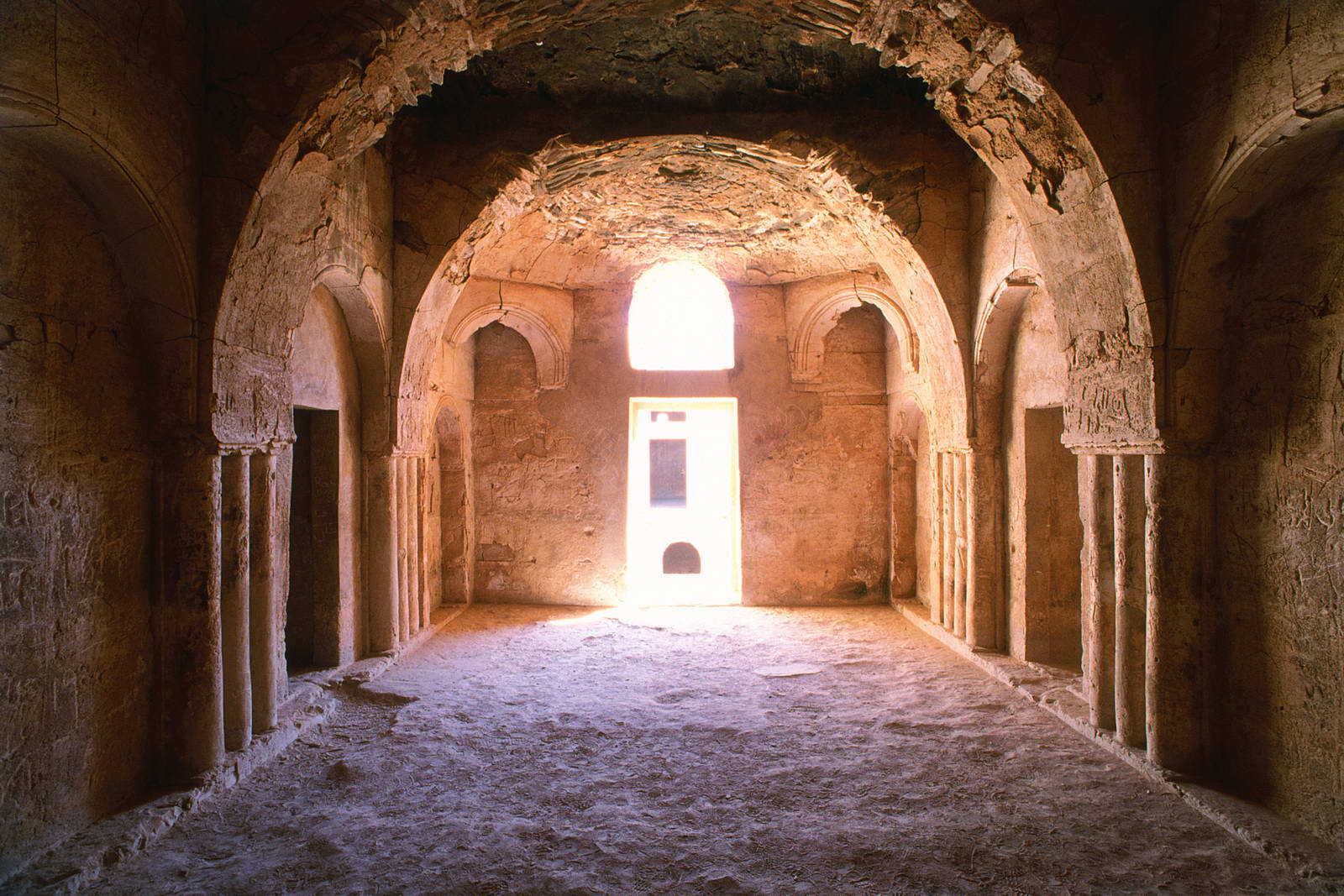
To fully appreciate Quseir Amra, plan a dedicated Petra trip focused around art and architecture, making time to explore this historical gem alongside other significant sites in your Jordan itinerary. The juxtaposition of Quseir Amra’s artistic splendor with the rugged charm of Wadi Rum further cements Jordan’s reputation as an extraordinary land of contrasts.
Qasr Burqu': An Ancient Oasis
Qasr Burqu', situated in the Mafraq governorate, is a desert castle backed by rich history and intricate engineering, originally constructed by the Romans. Its design included sophisticated steam irrigation channels that supplied fresh water throughout the facilities. The preservation of Qasr Burqu' speaks volumes about the ancient civilizations that once thrived in these harsh environments.
Visitors can engage with the ruins, which tell tales of the strategic use of water resources and the importance of the site for regional control and trade. Notably, its location makes it an essential stop for those on a Jordan highlights tour focused on the ancient history of the region.
The experience of exploring Qasr Burqu' integrates well into both day trips and longer excursions, including an overnight tour in the enchanting landscapes of Wadi Rum, showcasing the best of Jordan’s natural and historical beauty.
Qasr Hammam al-Sar’h: An Umayyad Bathhouse
Known also as the Eastern Hallabat Palace, Qasr Hammam al-Sar’h presents a different perspective on Umayyad life, functioning primarily as a bathhouse. Constructed by Caliph Hisham ibn Abd al-Malik in the early 8th century, this site reveals insights into the daily rituals and customs of that era.
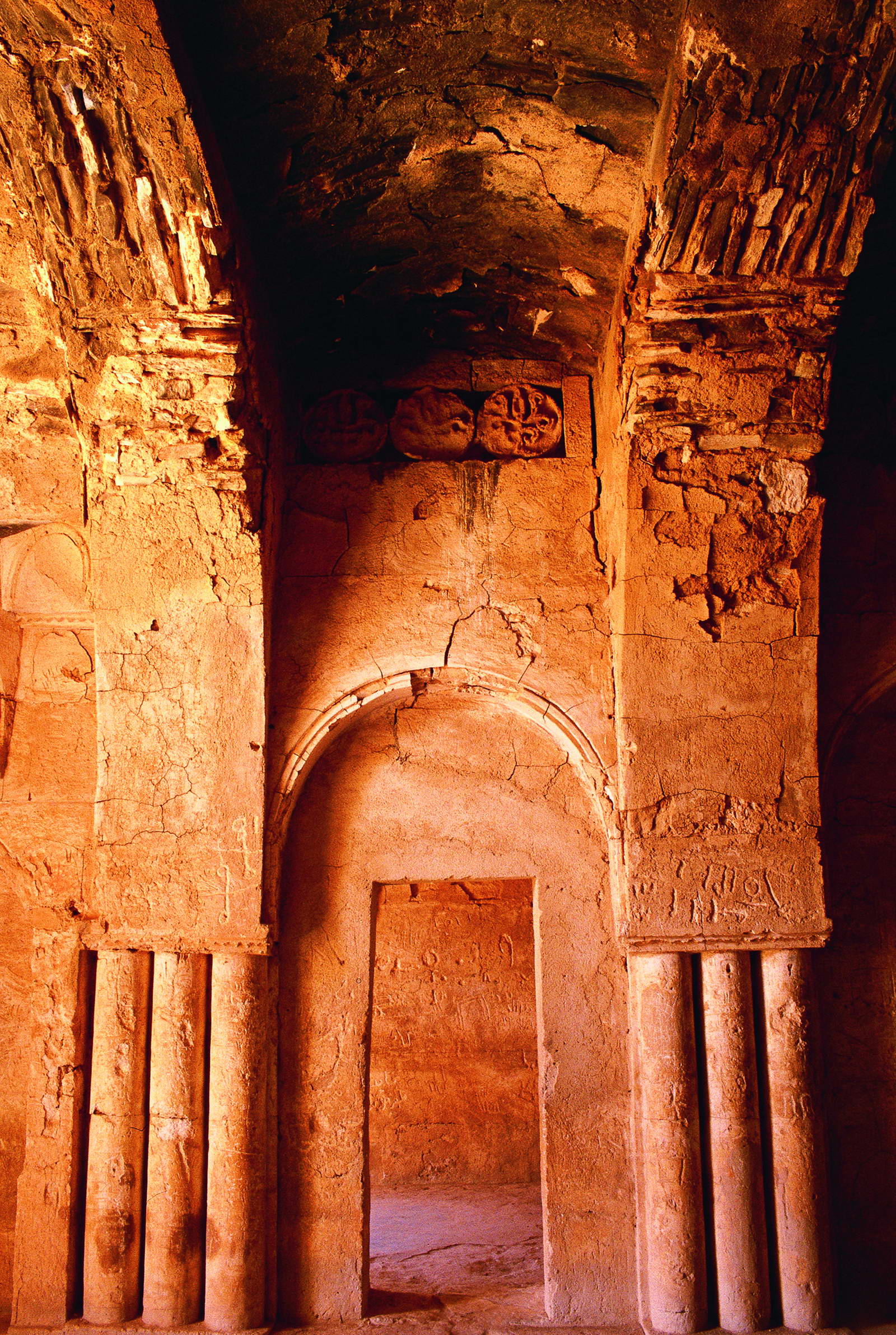
The architectural design signifies a blend of functionality and luxury, aiming to provide relaxation and social interaction among the elite. Exploring this bathhouse recommends an informative approach to understanding the cultural norms and lifestyle practices of the Umayyads.
A visit can be part of a wider journey around Jordan, perhaps capped off with leisure time at the Dead Sea, where visitors can unwind and reflect on the historical journey they’ve undertaken through the desert castles.
Qasr Tuba: A Monument to Resilience
Qasr Tuba, another impressive Umayyad palace, maintains a significant portion of its original structure despite time’s erosive impacts. Strategically located along a commercial route linking Balqa to the Arabian Peninsula, Qasr Tuba highlights the importance of trade in sustaining the Umayyad economy.
Visitors to Qasr Tuba can wander through its remains and appreciate how the desert environment shaped architectural choices. Its impressive layout exemplifies the ingenuity and skill of the builders and provides a narrative thread connecting the past to modern Jordan.
Incorporating Qasr Tuba into your Jordan travel advice can help travelers not just see the palaces, but understand their context within the broader tapestry of Jordanian history. With its architectural beauty and historical relevance, this castle is a must-see on any trip to Jordan.