Exploring the Dead Sea - A Journey to Jordans Natural Wonder
Introduction to the Dead Sea
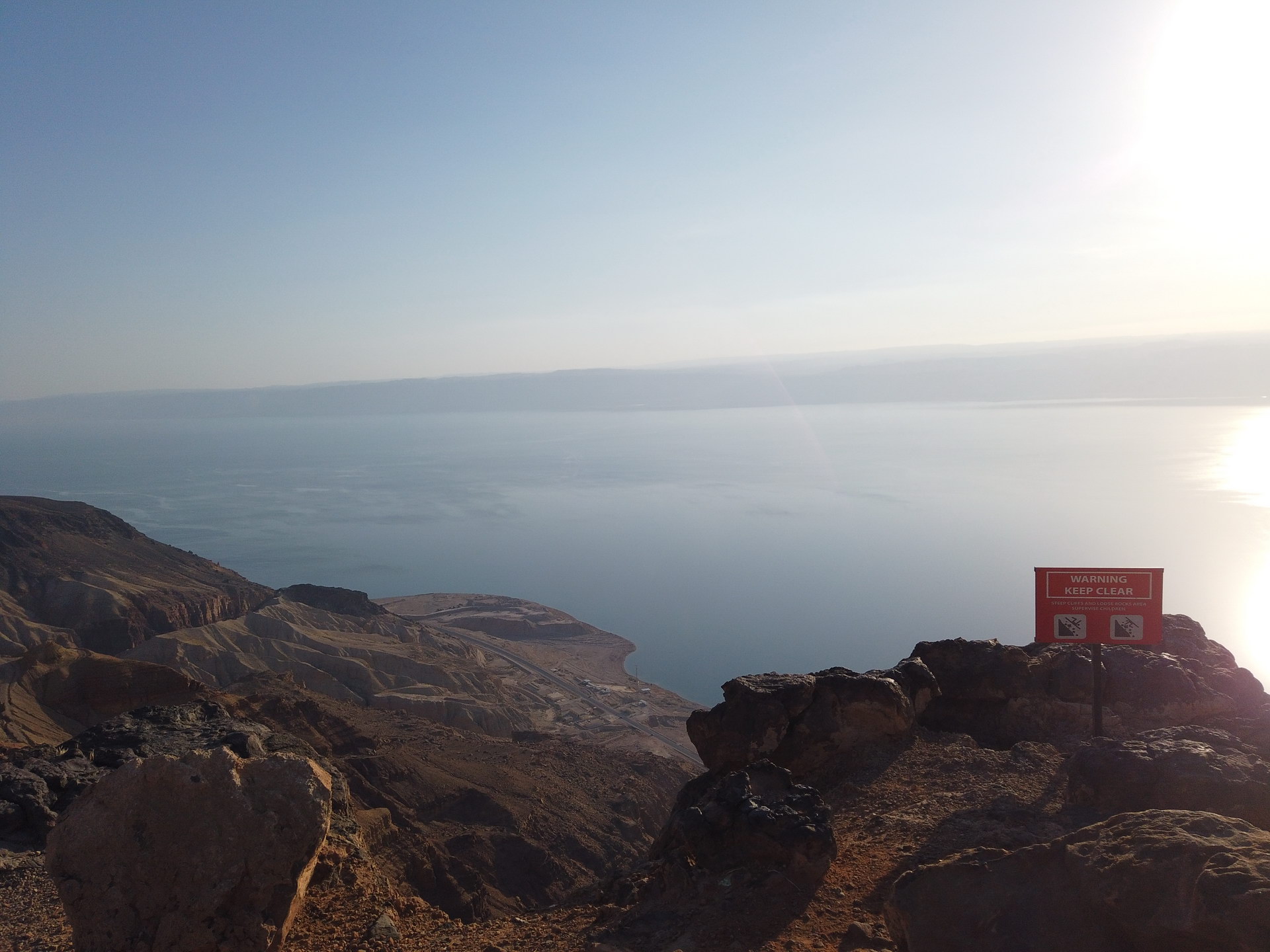
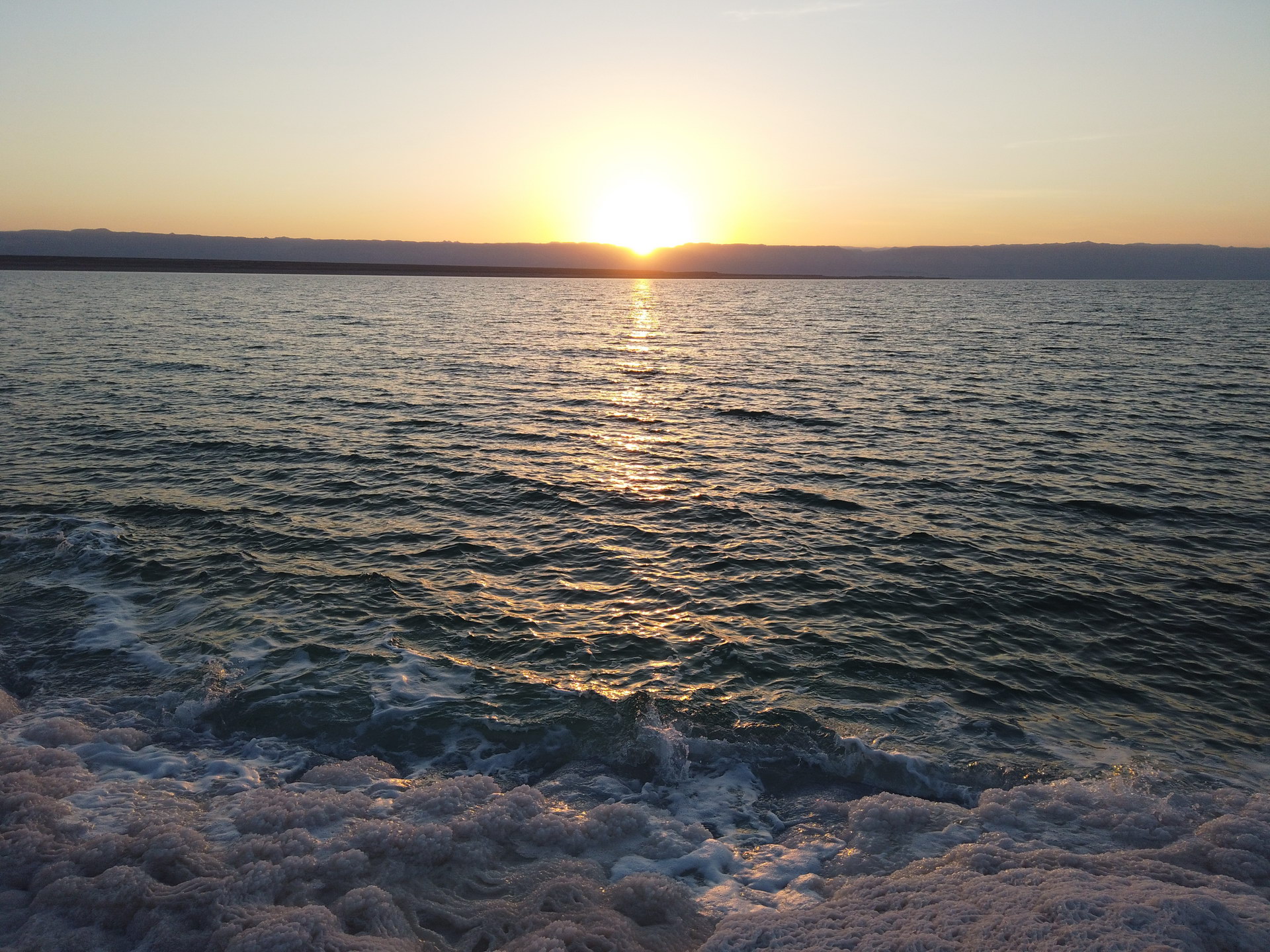
The Dead Sea, famously positioned at 427 meters below sea level, stands as one of the most remarkable natural phenomena on the planet. This extraordinary body of water, which is ten times saltier than typical sea water, has drawn visitors for centuries, offering an unparalleled mix of wellness and recreation. Travelers planning a trip to Jordan will find the Dead Sea to be a highlight that complements visits to iconic locations like Petra and Wadi Rum.
For those comparing options, a mid-size guided group tour offers a balance between private and large bus tours.
What makes the Dead Sea truly special is not only its extreme salinity but also its geological significance as the lowest point on Earth. It's renowned for its therapeutic qualities, believed to heal various skin ailments and promote overall wellness. The mineral-rich waters are complemented by the area's incredible atmospheric conditions, which include high oxygen levels that add to the sense of rejuvenation felt by visitors.
The Health Benefits of Floating
Visitors flock to the Dead Sea primarily for the therapeutic experience of floating in its saline waters. The buoyancy is so remarkable that people can effortlessly remain afloat while enjoying the sun-drenched atmosphere. The high concentration of minerals such as magnesium, potassium, and bromine contributes significantly to the skin's health, making it a perfect destination for wellness tourism.
Many luxury resorts around the Dead Sea provide spa services allowing guests to indulge in mud wraps made from the region's black mud, known for its nourishing properties. This mud, combined with the soothing waters, offers a unique way to unwind and rejuvenate. Whether you are on a Petra trip or simply relaxing by the shores, experiencing this natural spa is a must.
Historical Significance: Baptism Site and Beyond
The area surrounding the Dead Sea is rich in historical importance, housing significant archaeological and religious sites. Notably, the Baptism Site of Jesus, known as Al-Maghtas, is located just a short distance from the shores. This UNESCO World Heritage site attracts both religious pilgrims and curious tourists alike, eager to walk the paths once tread by historical figures.
Visitors to Al-Maghtas can explore the lush surroundings filled with native vegetation and ancient ruins dating back to the Roman and Byzantine empires. This site not only enhances the cultural aura of the Dead Sea but also provides a deep connection to religious history, making it a meaningful stop on any Jordan tour.
Activities and Adventures: More than Just Floating
Aside from the wellness experiences, the Dead Sea offers a range of activities to engage travelers more deeply with the landscape. Visitors can enjoy the scenic views from nearby lookout points or hike along rugged trails that give a panoramic perspective of this natural wonder. For those interested in adventure, an organized Wadi Rum desert tour can be easily arranged to complement their visit, showcasing the contrast of Jordan's diverse topography.
For those keen on cultural crafts, the Safi Crafts center supports local artisans and provides an opportunity to purchase handmade goods while contributing to community development. Such experiences enrich your understanding of local culture and enhance your overall Jordan travel guide.
How to Reach the Dead Sea and Nearby Attractions
Reaching the Dead Sea is convenient, particularly from Amman, Jordan's capital. The drive is manageable and allows travelers to soak in the picturesque landscapes en route. The nearest airport is Queen Alia International Airport, ensuring that visitors can easily navigate to their desired destinations. Car rentals and organized tours are widely available, making it simpler for tourists to plan an itinerary that includes stops at both the Dead Sea and other major highlights like Petra.
Once at the Dead Sea, accommodations range from luxurious resorts to cozy guesthouses, catering to every kind of traveler. A stay at one of the resorts grants easy access to private beaches and spas, further enhancing your experience.
Best Time to Visit and Safety Tips
When planning a visit to the Dead Sea, timing can greatly influence your experience. Generally, the best time to visit Jordan is during the spring (March to May) and fall (September to November) when temperatures are comfortably warm. Summer can be extremely hot, particularly in desert areas, while winters can be cooler. Is Jordan safe to travel now? Most travelers find Jordan to be safe, but it’s important to stay updated on travel restrictions and safety conditions. Checking local advisories and following general travel safety tips, such as keeping personal belongings secure and being aware of your surroundings, is a good practice.
When floating in the Dead Sea, always heed safety signs, as some areas might have changing water levels. If you plan to explore nearby attractions like the Ma'in Hot Springs, secure your transportation in advance to avoid last-minute hassles.
Conclusion: A Unique Experience Awaits at the Dead Sea
The Dead Sea is not merely a destination; it is an experience steeped in history, wellness, and stunning natural beauty. From indulging in its buoyant waters to exploring the surrounding cultural landmarks, a trip here promises to be unforgettable. Whether you're partaking in a Jordan highlights tour, or planning visits to sites like Petra, the Dead Sea should be a staple on your Jordan itinerary. The unique combination of health benefits, stunning landscapes, and rich history ensure that your visit to Jordan will be memorable.