Essential Travel Guide to Jordan - Tips, Safety, and Attractions
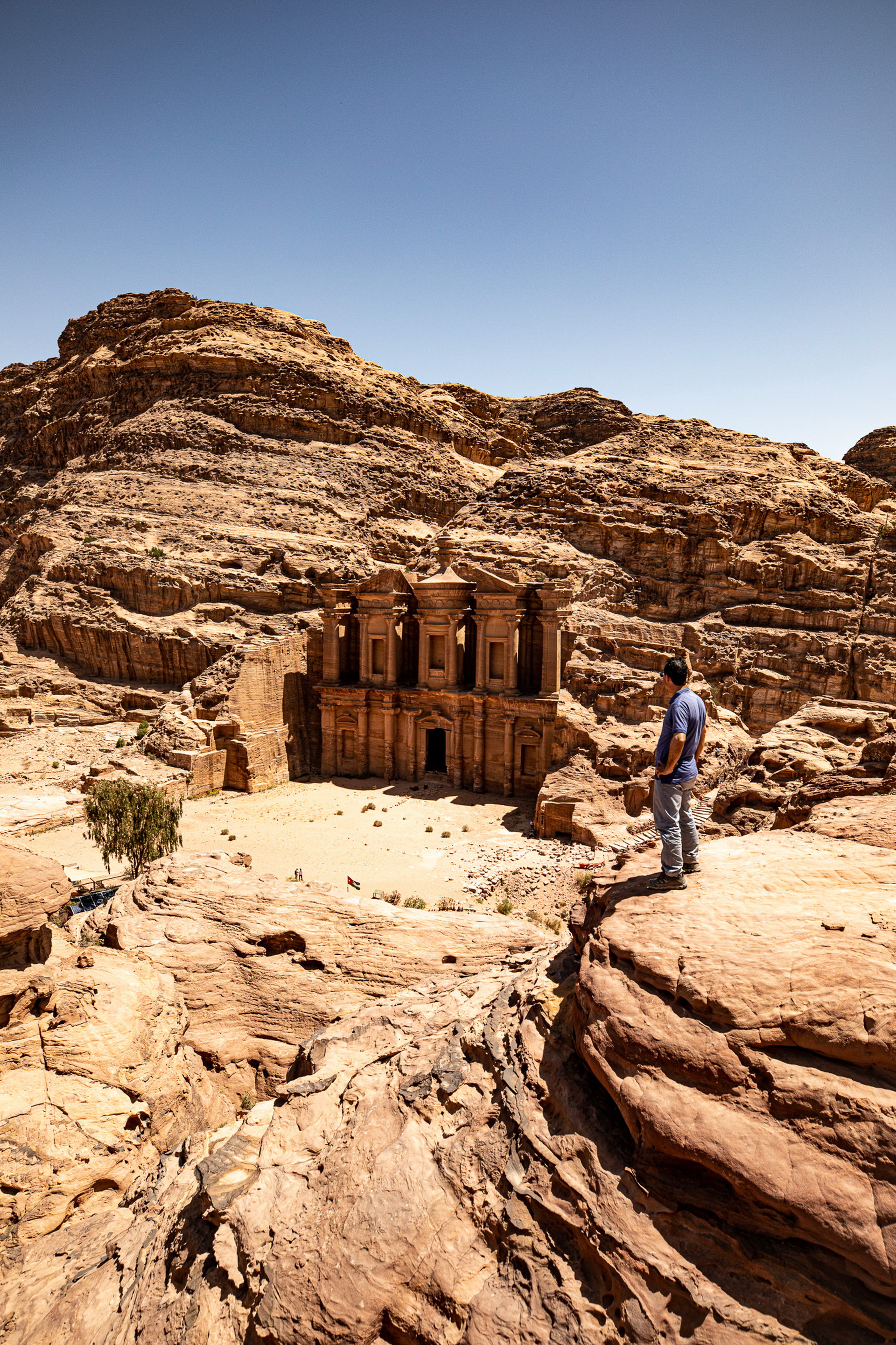
Jordan is a captivating destination, rich in history, culture, and natural beauty. Whether you're visiting iconic sites like Petra or relaxing by the Dead Sea, understanding the local landscape and safety considerations will enhance your travel experience. Here’s a comprehensive guide for tourists traveling to Jordan.
Top Attractions in Jordan
1. Petra
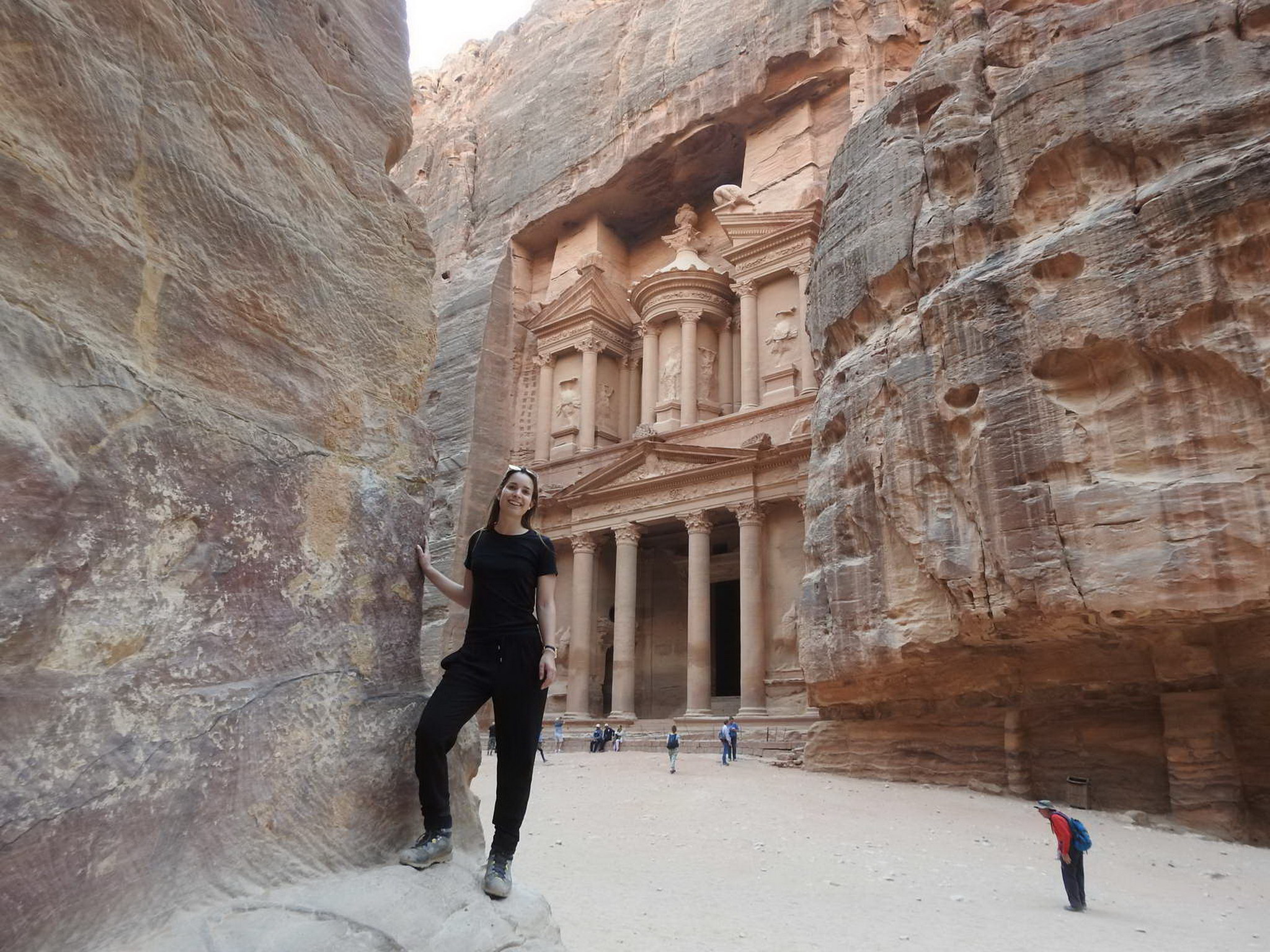
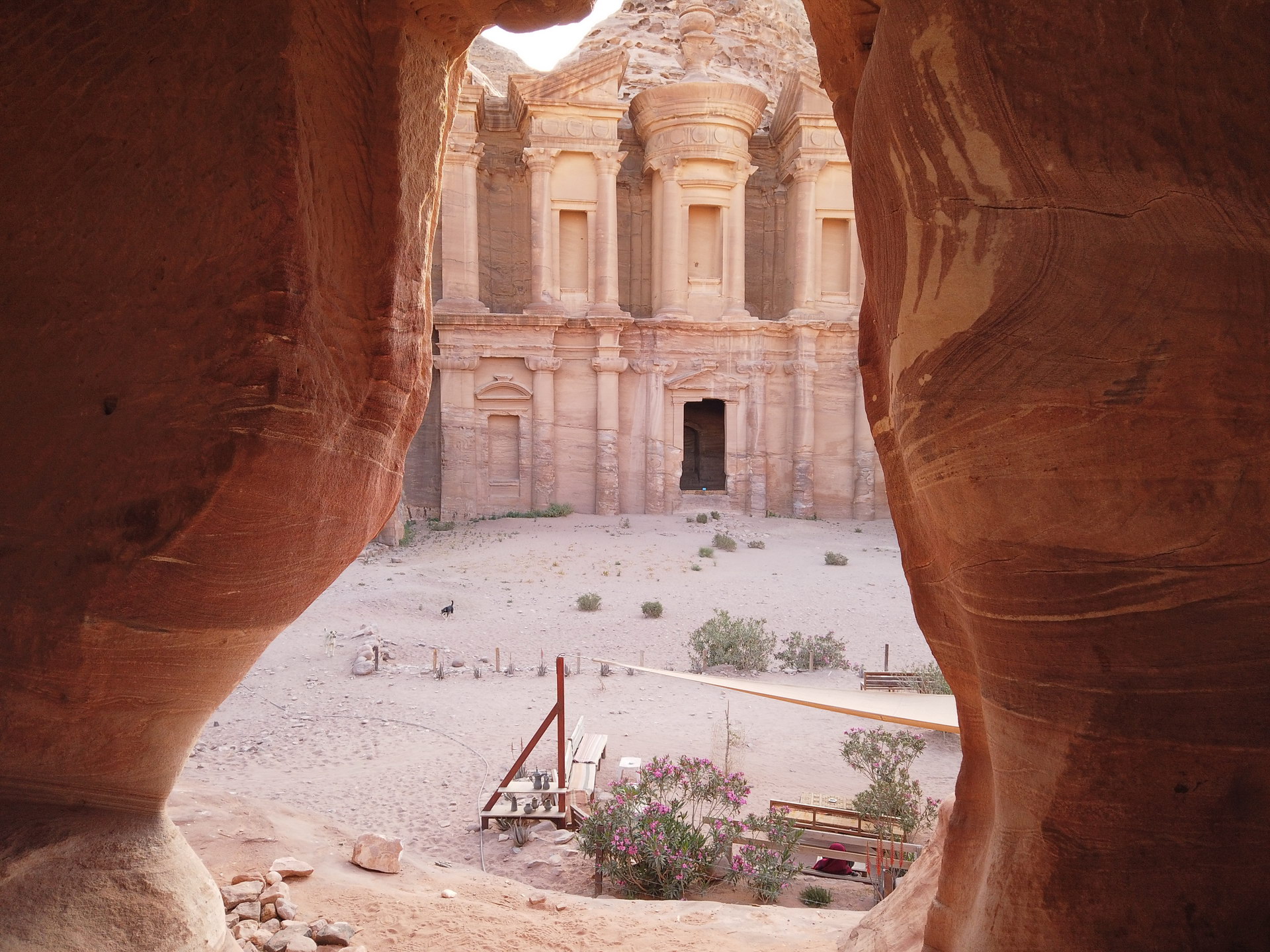
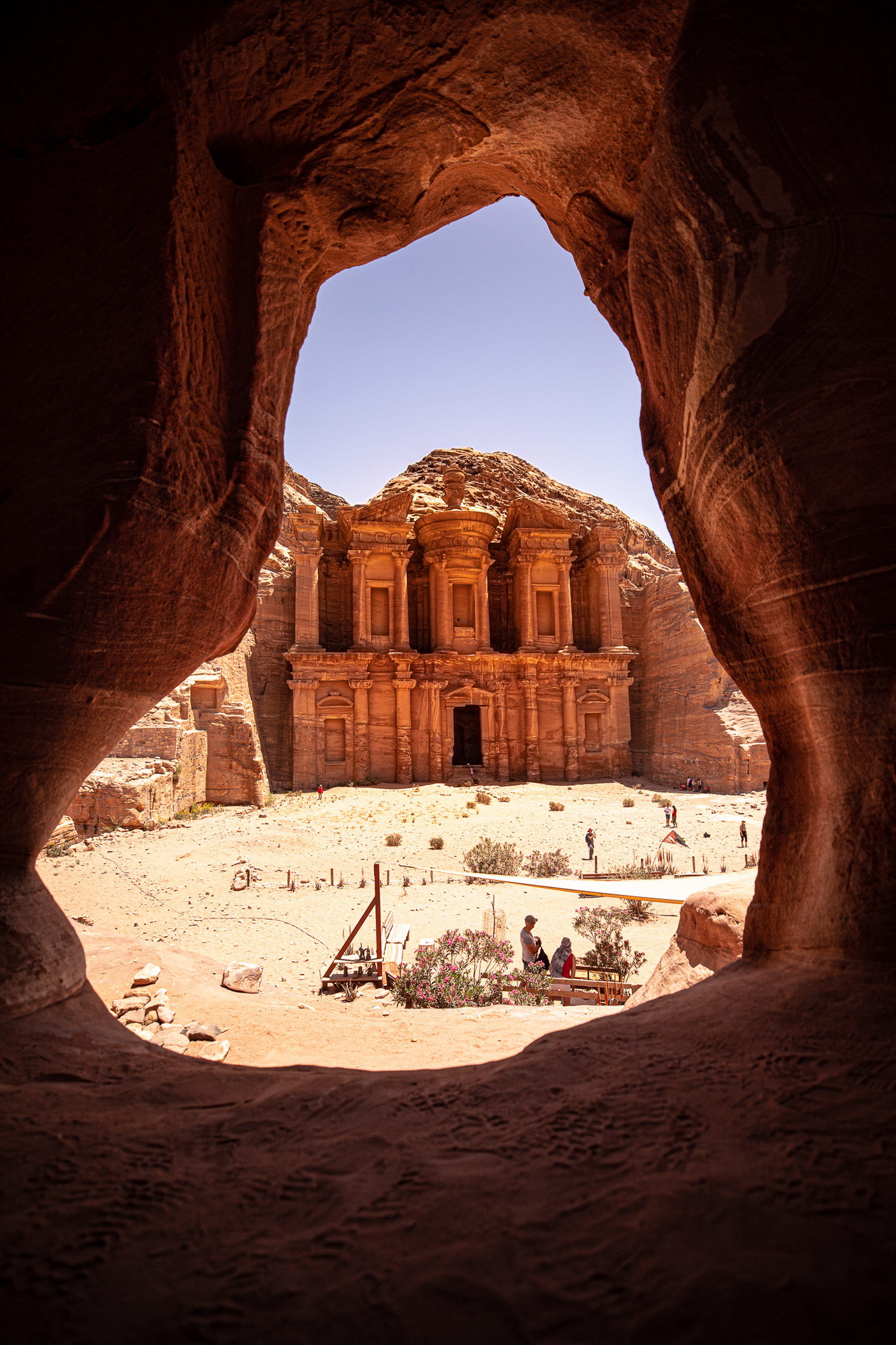
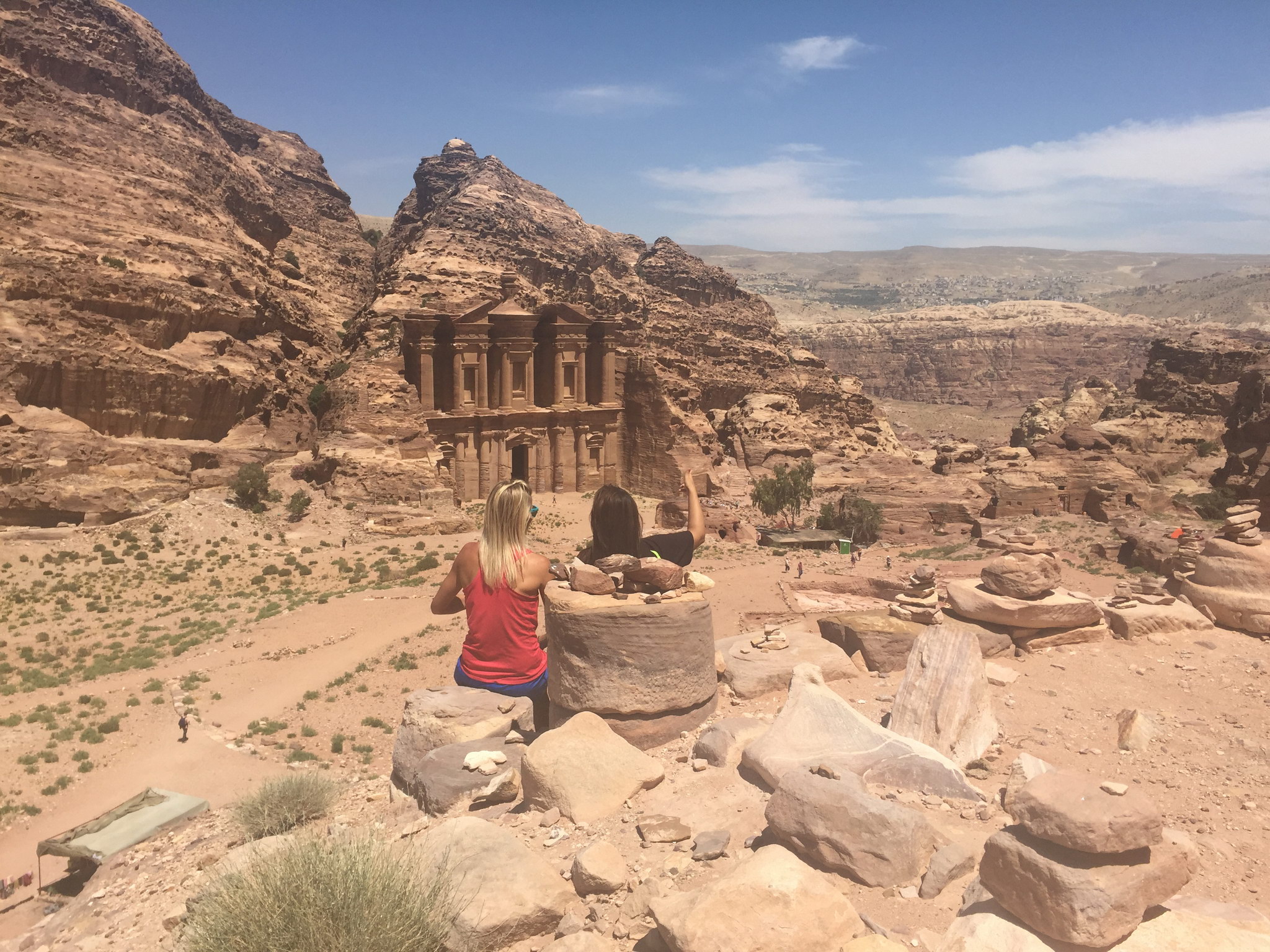
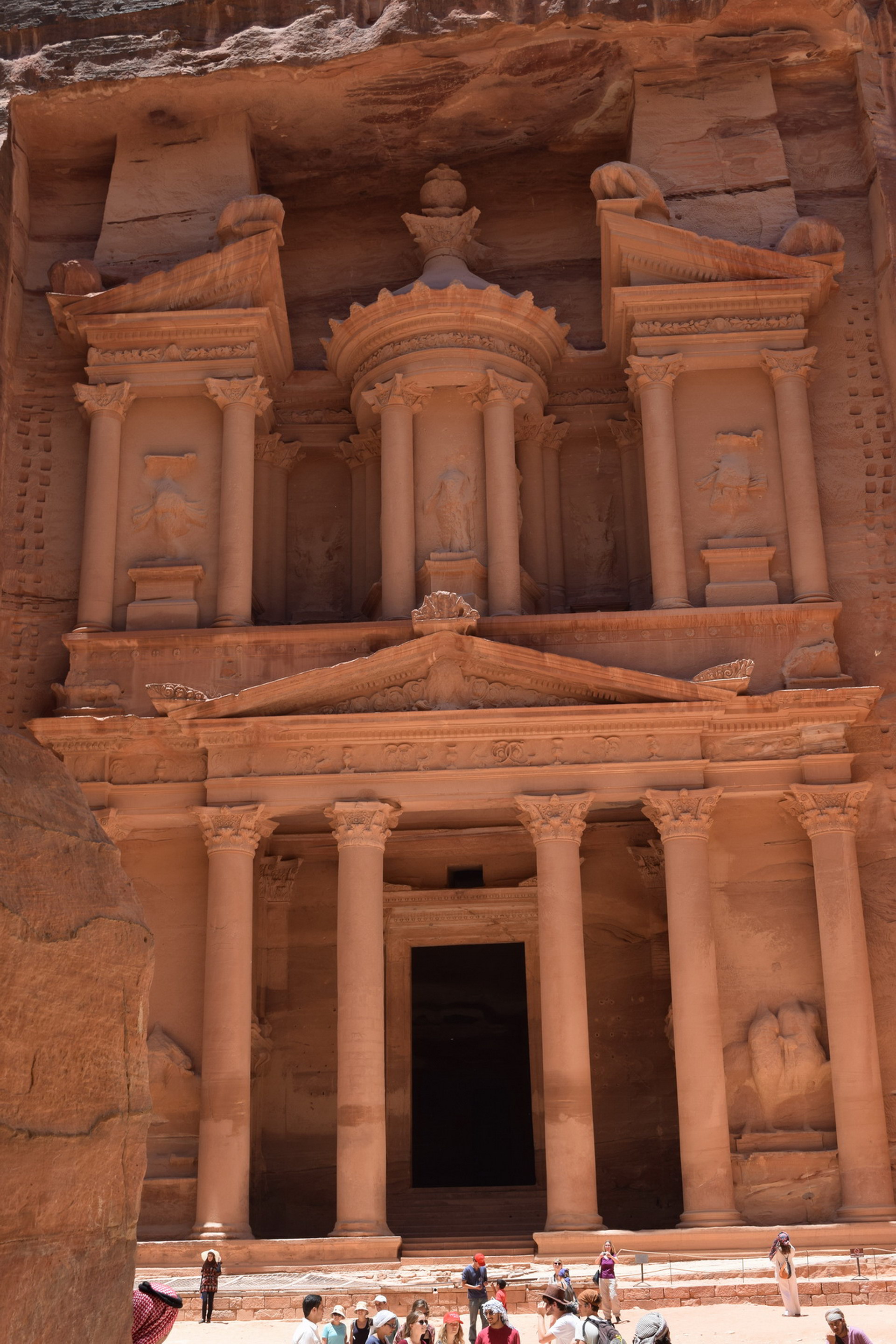
Petra, a UNESCO World Heritage site, is often referred to as the "Rose City" due to its stunning pink sandstone cliffs. This ancient Nabatean city, carved into the rock, dates back to the 5th century BC and is one of the New Seven Wonders of the World. Visitors can explore the Siq, a narrow gorge that leads to the iconic Treasury, and hike up to the Monastery for breathtaking views. The best time to visit is during spring or autumn when the weather is mild. Plan for an entire day to fully explore the vast site, and bring plenty of water and comfortable walking shoes.
2. Wadi Rum
Known as the "Valley of the Moon," Wadi Rum is a stunning desert landscape famous for its dramatic sandstone mountains and vast open spaces. This UNESCO World Heritage site offers a range of activities, including jeep tours, hot air balloon rides, and rock climbing. Spend a night in a Bedouin camp to experience traditional hospitality and stargaze under the clear desert skies. The best time to visit is from March to May and September to November for comfortable temperatures. Be sure to carry sunscreen and plenty of water, as the sun can be intense.
3. The Dead Sea
The Dead Sea, the lowest point on earth, is famous for its incredibly salty waters, which allow visitors to float effortlessly. This natural wonder is renowned for its therapeutic properties, with mineral-rich mud that is believed to have healing benefits. Popular activities include mud baths and relaxing at one of the many resorts along the shore. The best time to visit is during the cooler months from October to April. When heading to the Dead Sea, don’t forget to bring a swimsuit, sunscreen, and a hat for sun protection.
4. Jerash
Jerash is one of the best-preserved Greco-Roman cities in the world, showcasing stunning temples, theaters, and colonnaded streets. This ancient city offers a fascinating glimpse into Roman life and architecture. The highlight includes the South Theater, which still hosts performances today. Visit during the Jerash Festival of Culture and Arts in July for a unique cultural experience. Plan your visit in the morning to avoid the heat and allow ample time to wander through the expansive ruins.
5. Amman
The capital city of Jordan, Amman, is a vibrant blend of ancient history and modern culture. Key attractions include the Citadel, which offers panoramic views of the city and houses ancient ruins. The Roman Theater, dating back to the 2nd century, is another must-see. Sample local cuisine at the bustling Al-Balad district, where you can find traditional dishes like falafel and mansaf. The best time to explore Amman is during spring and autumn. Use public transport or taxis to navigate the city, and be mindful of your surroundings, especially in crowded areas.
6. Aqaba
Aqaba, Jordan's only coastal city, is a gateway to the Red Sea and is renowned for its snorkeling and diving opportunities. The vibrant coral reefs are home to a variety of marine life, making it a paradise for underwater enthusiasts. Visitors can also explore the nearby archaeological site of Ayla, a historical town dating back to the 3rd century. The best time to visit Aqaba is from March to May and September to November for pleasant weather. Be sure to bring your snorkeling gear and enjoy the beach resorts along the coast.
Safety Tips for Travelers
While Jordan is generally considered safe for tourists, it is essential to remain vigilant and informed. Here are some tips for a safe visit:
- Stay Informed: Monitor local news and follow any travel advisories from your home country.
- Avoid Certain Areas: Refrain from traveling to the borders with Syria and Iraq and areas known for unrest, like Ruwayshid.
- Respect Local Customs: Dress modestly, especially when visiting religious sites, and be aware of local laws regarding behavior in public.
- Emergency Contacts: Keep a list of emergency contacts, including local authorities and your embassy.
- Travel Insurance: Purchase travel insurance that covers medical emergencies and evacuation.
Practical Travel Information
Entry Requirements
To enter Jordan, a passport with at least six months of validity and a visa are required. U.S. citizens can obtain a visa upon arrival at major entry points like Queen Alia International Airport. It’s advisable to have some Jordanian dinars for local purchases, though credit cards are widely accepted in cities.
Transportation
Jordan has a variety of transportation options, including taxis and ride-sharing services like Uber. While public transportation exists, it may not be the safest option for tourists. Renting a car is a viable option, but be cautious of local driving habits and road conditions. Always carry your international driving permit if you plan to drive.
Health and Safety
Modern medical facilities are available in major cities, but rural areas may lack adequate care. Make sure to have a health insurance plan that covers overseas treatment, and carry any necessary medications in their original packaging. Drinking bottled water is recommended to avoid issues with tap water quality.
Conclusion
Jordan is a destination that offers a unique blend of history, culture, and natural beauty. By following safety tips and being prepared, travelers can enjoy all that this remarkable country has to offer. From the ancient wonders of Petra to the serene waters of the Dead Sea, every corner of Jordan has a story waiting to be discovered.