Essential Travel Tips for Visiting Jordan
The Hashemite Kingdom of Jordan is a treasure trove of history, culture, and breathtaking landscapes. The welcoming nature of the locals, the delicious cuisine, and the diverse scenery make it a fantastic destination for any traveler. Here are some essential travel tips to help you make the most of your visit to this remarkable country.
1. Consider Car Rental
Renting a car in Jordan provides the flexibility to explore beyond the main tourist attractions, such as the stunning Umm Qays, the vast expanse of Wadi Rum, and the serene Dead Sea. The roads, particularly those frequented by tourists, are generally well-maintained, and signage is available in both English and Arabic. It’s advisable to rent from reputable companies like Monte Carlo, known for their excellent service. Having your own vehicle allows you to stop at hidden gems along the way, giving you a more personalized experience of Jordan’s beauty.
2. Avoid Driving in Amman
While renting a car is beneficial for road trips, navigating the streets of Amman can be daunting due to heavy traffic and narrow roads. To bypass the chaos, consider using ride-hailing services like Uber or Careem. A smart strategy is to stay in Amman for a few nights and book your rental car from Queen Alia Airport. This way, you can take an Uber to the rental office, avoiding the stress of driving in the city and making your journey much smoother.
3. Have Adequate Travel Insurance
Even though Jordan is considered safe for travelers, having travel insurance is essential. It protects you against unexpected medical issues, lost belongings, and trip cancellations. I recommend SafetyWing, which offers affordable and flexible plans tailored for travelers. With coverage spanning over 180 countries, including medical emergencies and lost luggage, it ensures peace of mind while you explore. Their pay-as-you-go model lets you purchase coverage anytime, even during your trip, making it a convenient choice for families as well.
4. Buy a Jordan Pass
The Jordan Pass is a fantastic investment for travelers, allowing you to save money while enjoying the country's rich heritage. This pass grants you access to over 40 attractions, including the world-famous Petra, which typically charges a daily entrance fee of 50 JOD. Furthermore, it offers a complimentary visa waiver if you stay in Jordan for at least three nights. You can purchase your Jordan Pass online before your trip to streamline your entry into various sites.
5. Consider Seasons Wisely
Jordan experiences extreme weather conditions, so timing your visit is crucial. The summer months (June to August) can reach scorching temperatures, especially in places like Petra and Wadi Rum, with highs around 45-50°C. Winter (December to February) can be cold, particularly in Amman and Petra, with potential snowfall. The best times to visit are during spring (March to May) and autumn (September to November), when temperatures are comfortable, and the weather is generally pleasant for outdoor activities.
6. Get a Local SIM Card
Staying connected while in Jordan is essential, and purchasing a local SIM card is the best option. You can find SIM cards at the airport for around 14 JOD, providing ample data for your needs. Providers like Zain and Umniah are popular, with reports of good coverage in most areas. Avoid eSIMs, as they tend to be more expensive and offer limited data. Having a local SIM allows you to navigate, communicate, and share your adventures easily.
7. Hire a Guide When Possible
Jordan's rich history is best appreciated with the help of local guides. Their knowledge adds depth to your experience, making historical sites come alive. For instance, in Amman, consider a food tour with 3J Expeditions, which combines culinary delights with historical insights. In Petra, hiring a guide at the entrance (approximately 50 JOD) can enhance your understanding of this UNESCO World Heritage Site. Local organizations like Baraka Destinations offer community-based tours in Umm Qays, providing unique experiences that connect travelers with local culture.
8. Explore Beyond Major Attractions
While Petra and Wadi Rum are must-see destinations, Jordan is home to many lesser-known but equally captivating sites. Madaba, renowned for its Byzantine mosaics, features the famous Mosaic Map of the Holy Land, dating back to the 6th century. This detailed map showcases ancient cities like Jerusalem and Jericho. Nearby, Mount Nebo offers stunning views and is believed to be the site where Moses viewed the Promised Land. Umm Qays, a hilltop ruin once part of the Greco-Roman Decapolis, boasts impressive ruins, including a Roman theatre and ancient colonnaded streets. Azraq, with its historic fort and wetland reserve, is perfect for birdwatching, while Umm El Jimal showcases ancient basalt-stone architecture. These sites provide a glimpse into Jordan's diverse history and allow for a more intimate exploration of the region.
9. Look on Get Your Guide for Activities
For those seeking organized tours and unique experiences, platforms like Get Your Guide are invaluable. You can find a variety of activities, including guided hikes, cultural experiences, and day trips from Amman that cover multiple sites. Whether you're interested in wine tasting in Amman or exploring the ancient ruins of Umm Qays, these platforms make it easy to plan your itinerary. Booking in advance ensures you secure your spot and often provides better rates.
10. Petra's Highlights in a Day
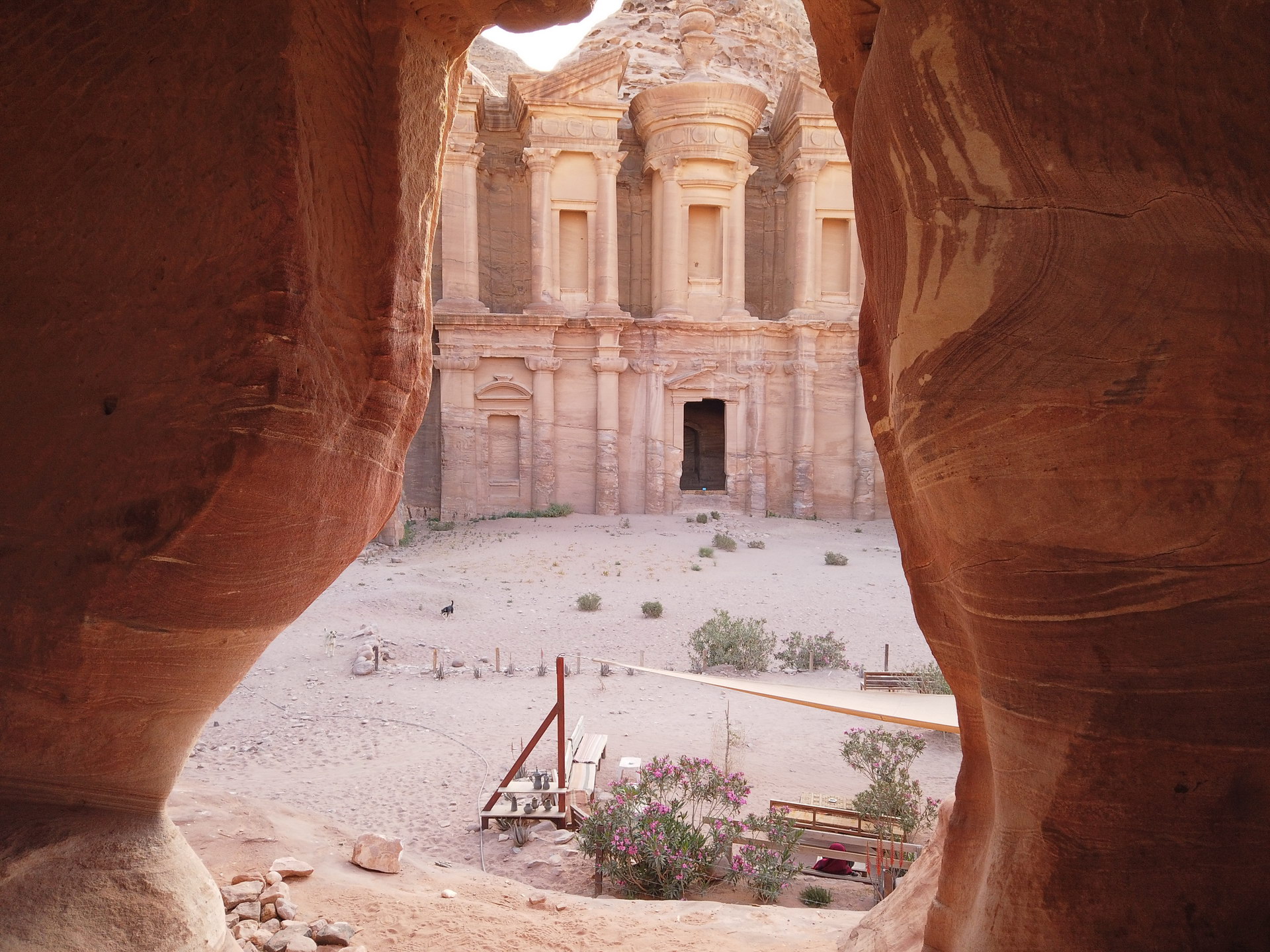
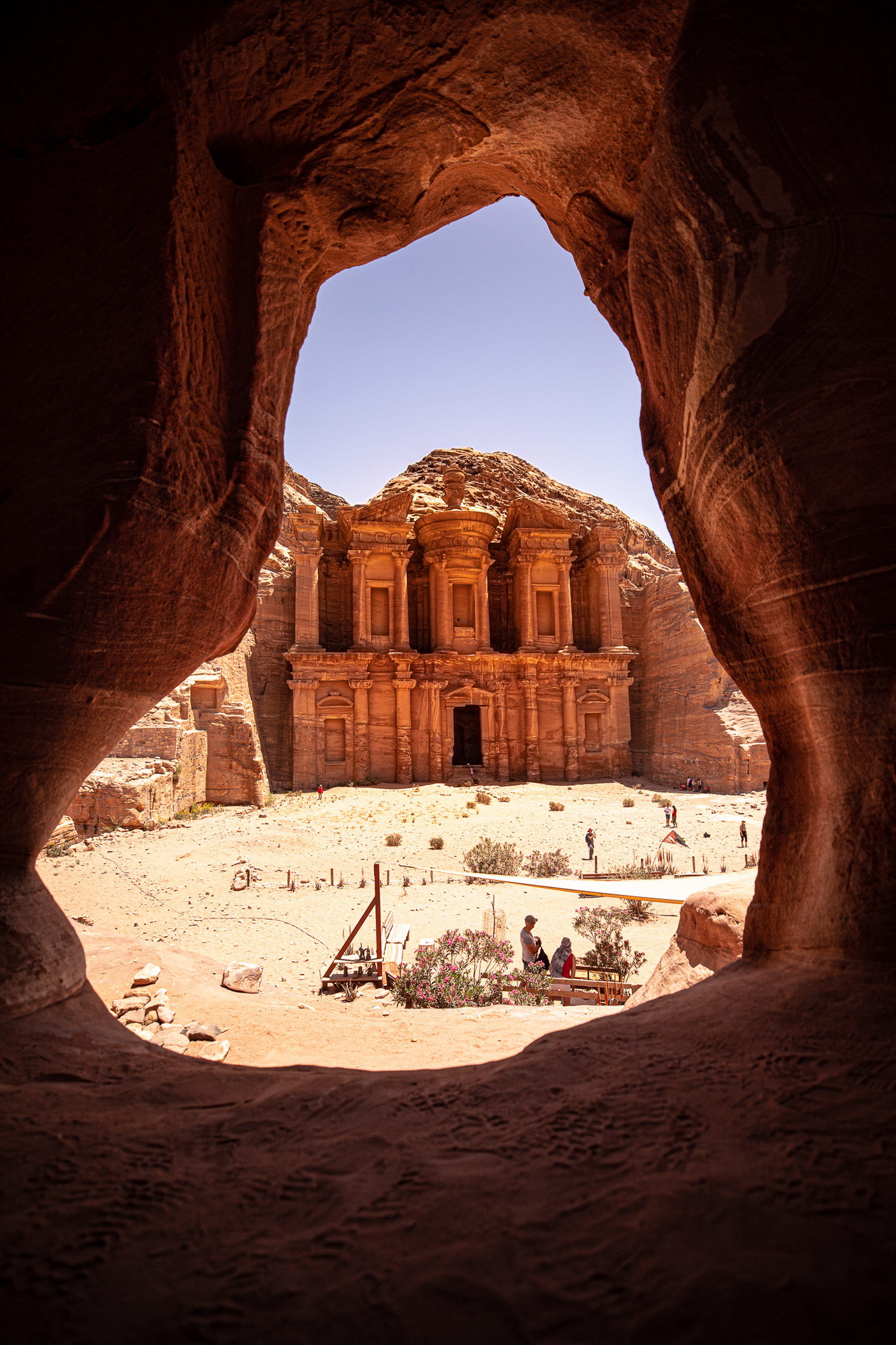
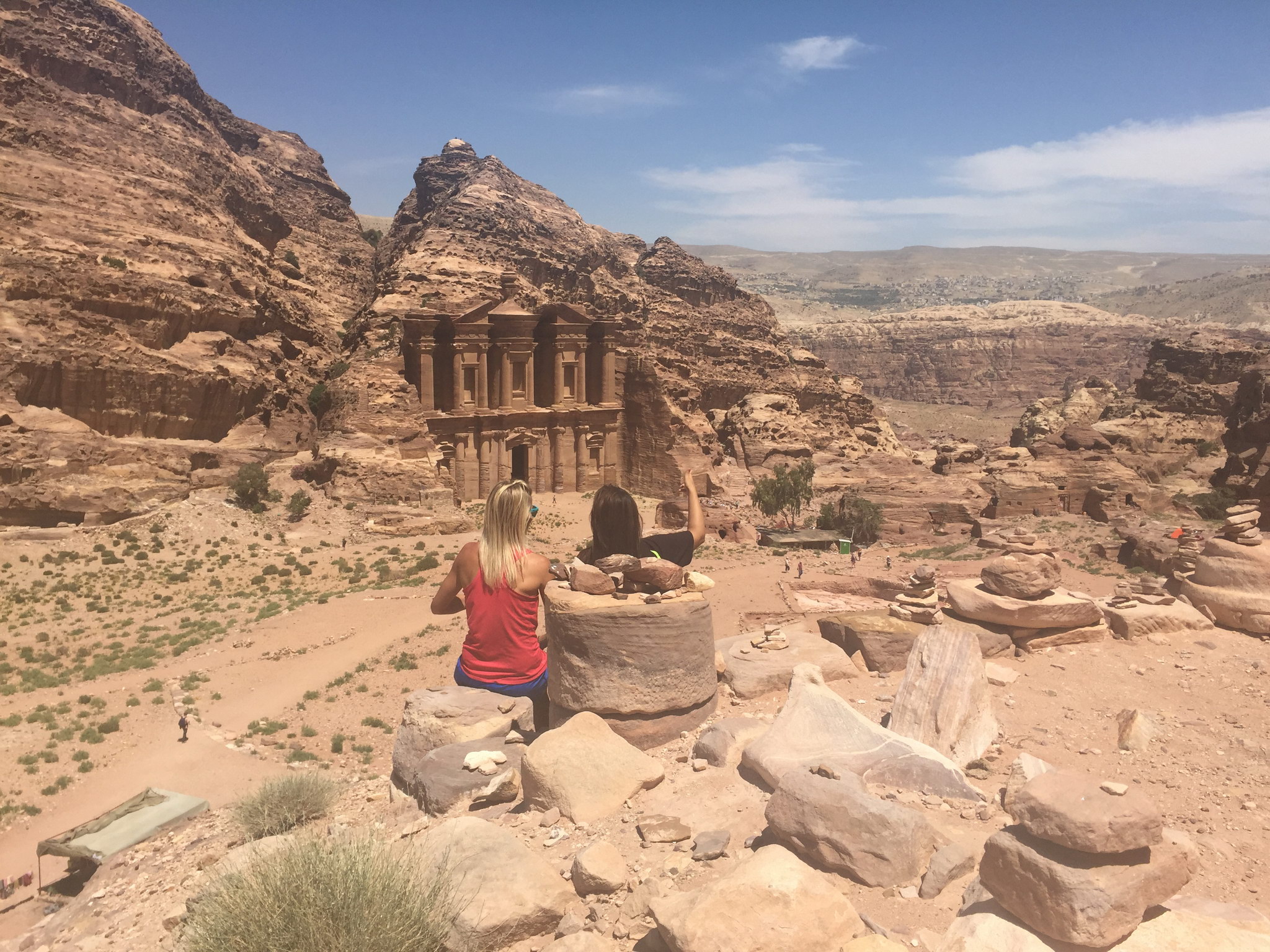
Petra, one of the New Seven Wonders of the World, spans approximately 264 square kilometers, making it impossible to see everything in a single day. However, you can still experience its iconic sights in a few hours. Start with the Treasury (Al-Khazneh), located just 2 kilometers from the entrance, accessed via the Siq, a narrow gorge that sets the dramatic stage. Further along, you can explore the Street of Facades, a collection of Nabatean tombs, and the impressive amphitheater carved into the rock. The Royal Tombs and the Monastery (Al-Deir) are also must-see highlights, with the latter requiring a moderate hike but rewarding you with breathtaking views. Plan your visit wisely to make the most of your time in this ancient city.
11. Dress Modestly
Jordan is a conservative country, and dressing modestly is a sign of respect for local customs. While the locals are incredibly friendly and welcoming, it's advisable to wear loose-fitting clothing, especially in rural areas. In the winter, opting for comfortable layers is best, while summer attire should include maxi dresses or long skirts. Men should avoid wearing shorts in non-tourist areas, although they are more acceptable in places like Petra and Wadi Rum. Swimwear is appropriate at beach resorts, but when exploring local culture, modest attire is recommended to ensure a respectful experience.
12. Learn Basic Arabic Phrases
While many Jordanians speak English, learning a few basic Arabic phrases can go a long way in enhancing your travel experience. Simple expressions like "Shukran" (thank you), "As-salamu alaykum" (hello), and "Afwan" (you're welcome) show respect for the local culture and can lead to warmer interactions with locals. Understanding how to ask for the bill or inquire about prices can also enhance your dining and shopping experiences. Making an effort to speak the language, even if only a few words, is often appreciated by the locals.
13. Be Cautious with Tap Water
Opinions regarding the safety of tap water in Jordan can vary, but it's generally wise to err on the side of caution. Many tourists opt to drink bottled water due to concerns about taste and potential contaminants. Most hotels provide refill stations, and using a Water to Go bottle allows you to filter water from any source safely. Staying hydrated is essential, especially during outdoor activities, so plan accordingly to ensure a safe and enjoyable trip.
14. Spend at Least a Night in Wadi Rum
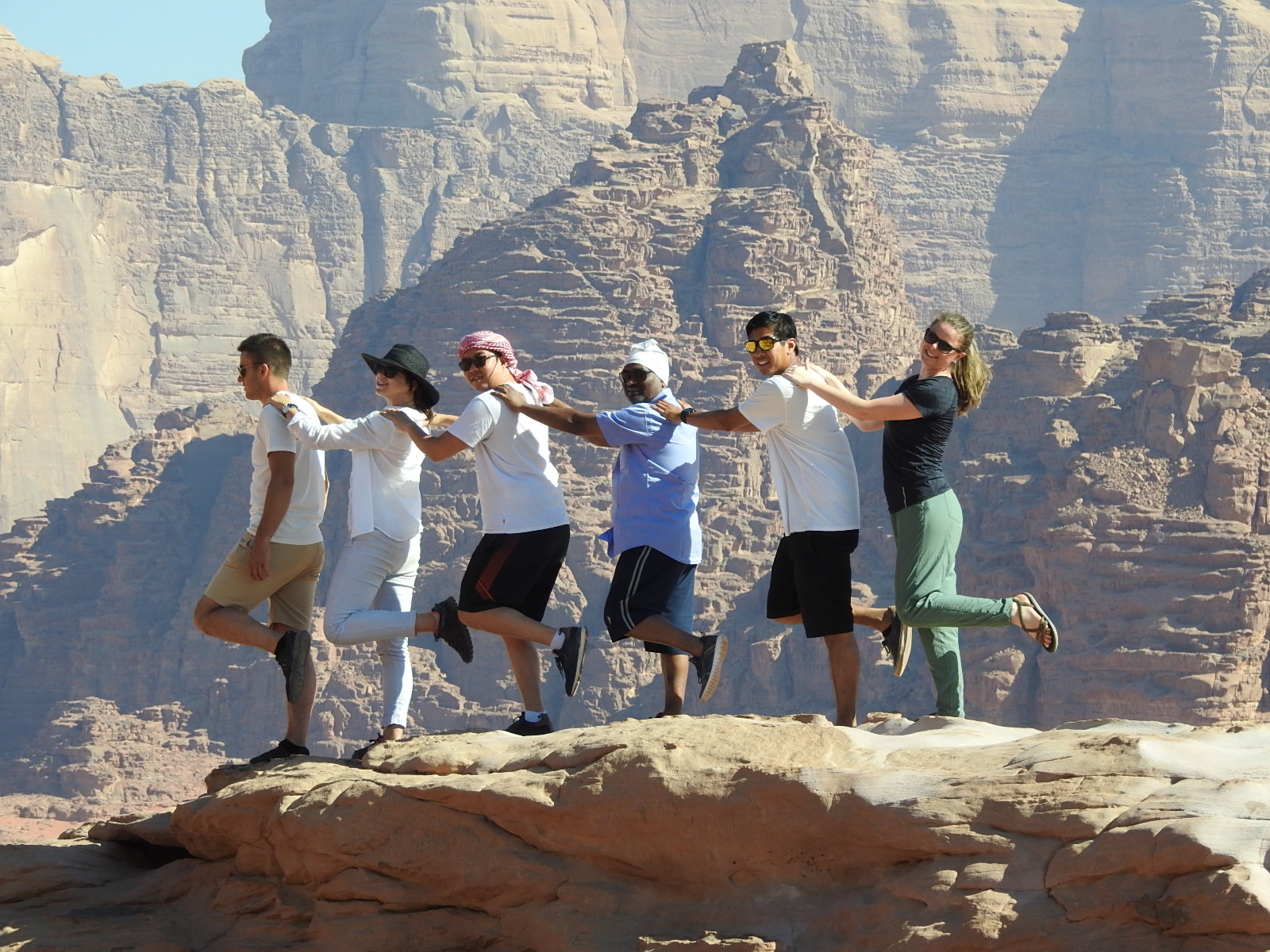
Wadi Rum's breathtaking desert landscapes are a highlight of any Jordanian itinerary. Spending at least one night here allows you to experience the beauty of the desert at sunrise and sunset, which are truly magical. Consider staying at a camp like Hasan Zawaideh Camp, where you can choose between traditional Bedouin-style tents and modern bubble tents. Engaging in a jeep tour across the stunning dunes and sandstone cliffs is a must, and you can even hop on the heritage Hejaz Railway for a unique experience. Stargazing in the clear desert sky is also a highlight, making an overnight stay in Wadi Rum unforgettable.
15. Be Prepared for Checkpoints
As you travel through Jordan, especially near the northern border with Syria and along the Desert Highway to Wadi Rum, you may encounter checkpoints. Typically, tourists are waved through without any issues, but it's essential to have your passport, driving license, rental agreement, and vehicle registration handy. Most interactions at checkpoints are friendly and brief, with officers often showing a genuine interest in tourists. Staying informed and prepared will ensure a hassle-free journey throughout the country.
16. Respect Local Customs During Ramadan
Ramadan is a significant time for the majority-Muslim population in Jordan, characterized by fasting from sunrise to sunset. During this period, it is considered disrespectful to eat or drink in public during daylight hours. While many restaurants in tourist areas remain open, some local eateries may close during the day. If invited to an Iftar meal, which breaks the fast at sunset, consider it a wonderful opportunity to experience local hospitality and traditions. Engaging with the community during this time can provide deeper insights into Jordanian culture and customs.
With its rich historical tapestry, stunning natural beauty, and the warm-heartedness of its people, Jordan promises an enchanting experience. By following these travel tips, you'll be well-prepared to explore this incredible country and create lasting memories.