Explore the Wonders of Jordan - A Comprehensive Travel Guide
Introduction to Jordan
Jordan is a captivating destination known for its rich history, stunning landscapes, and vibrant culture. Every year, thousands of tourists flock to this Middle Eastern gem to explore its ancient ruins, breathtaking natural wonders, and warm hospitality. Whether you’re an adventure seeker, a history buff, or someone looking to relax, Jordan has something to offer everyone. This guide will cover the must-see attractions, practical travel advice, and tips to make the most of your visit to Jordan.
1. Petra: The Rose-Red City
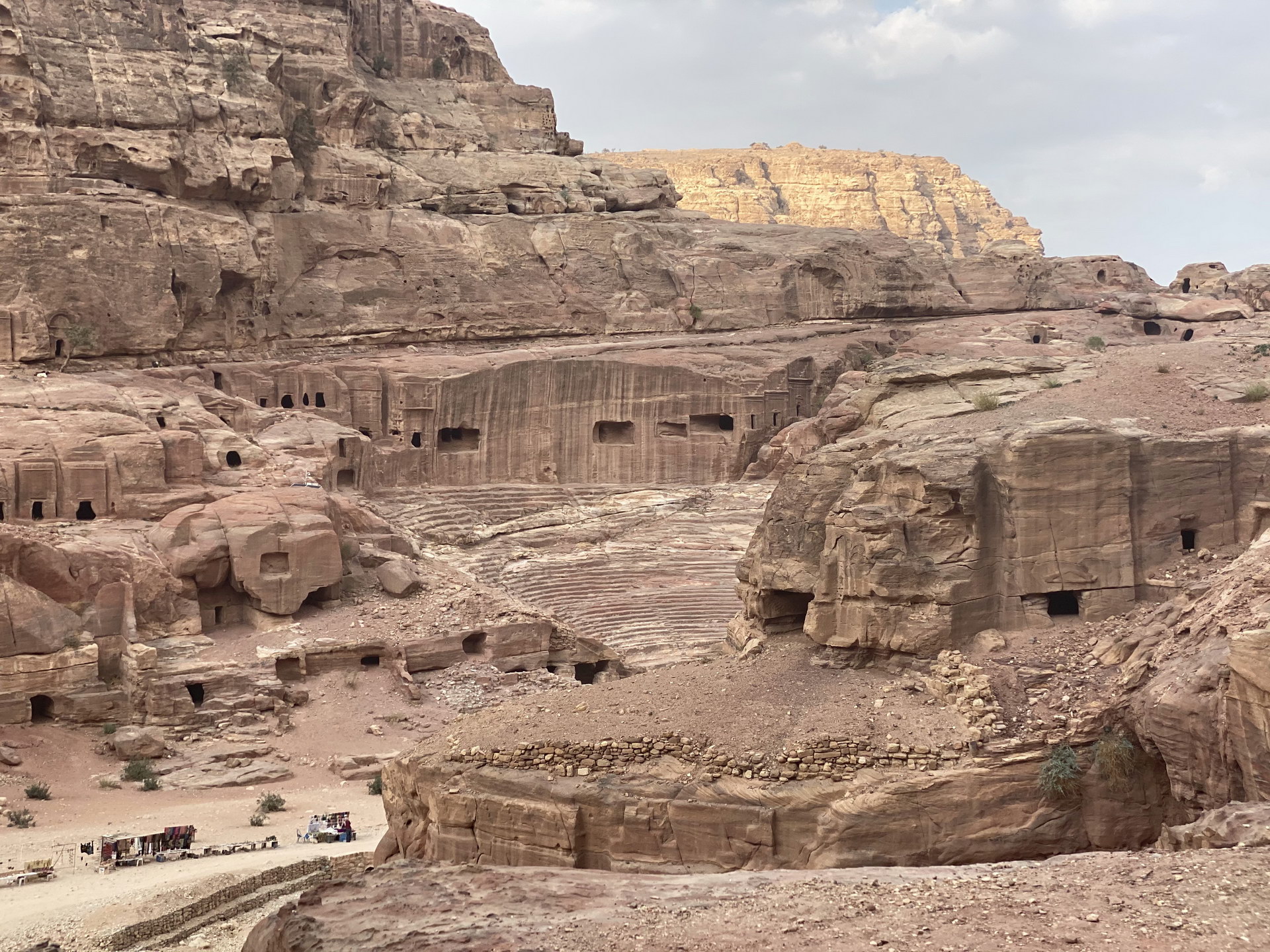
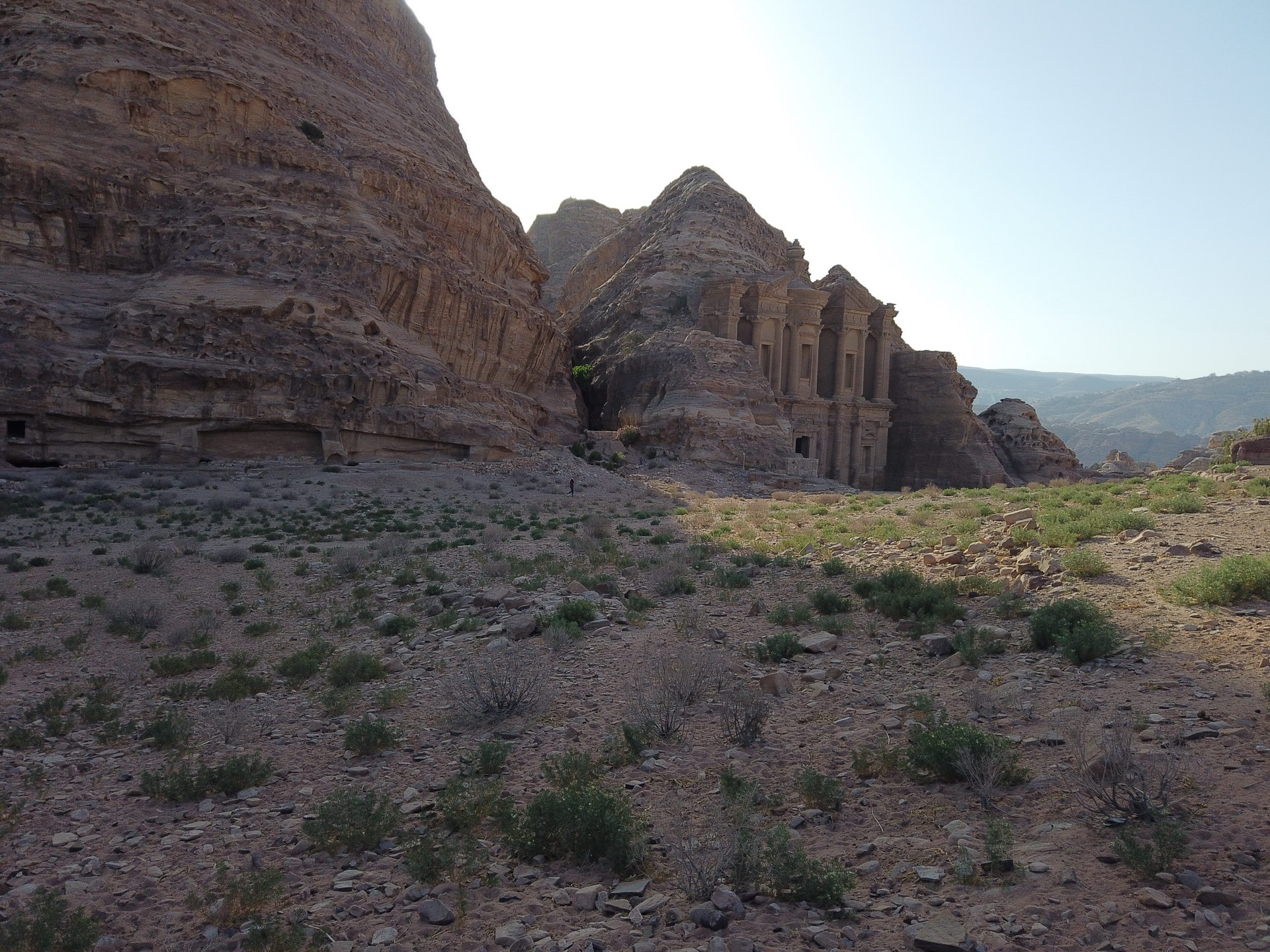
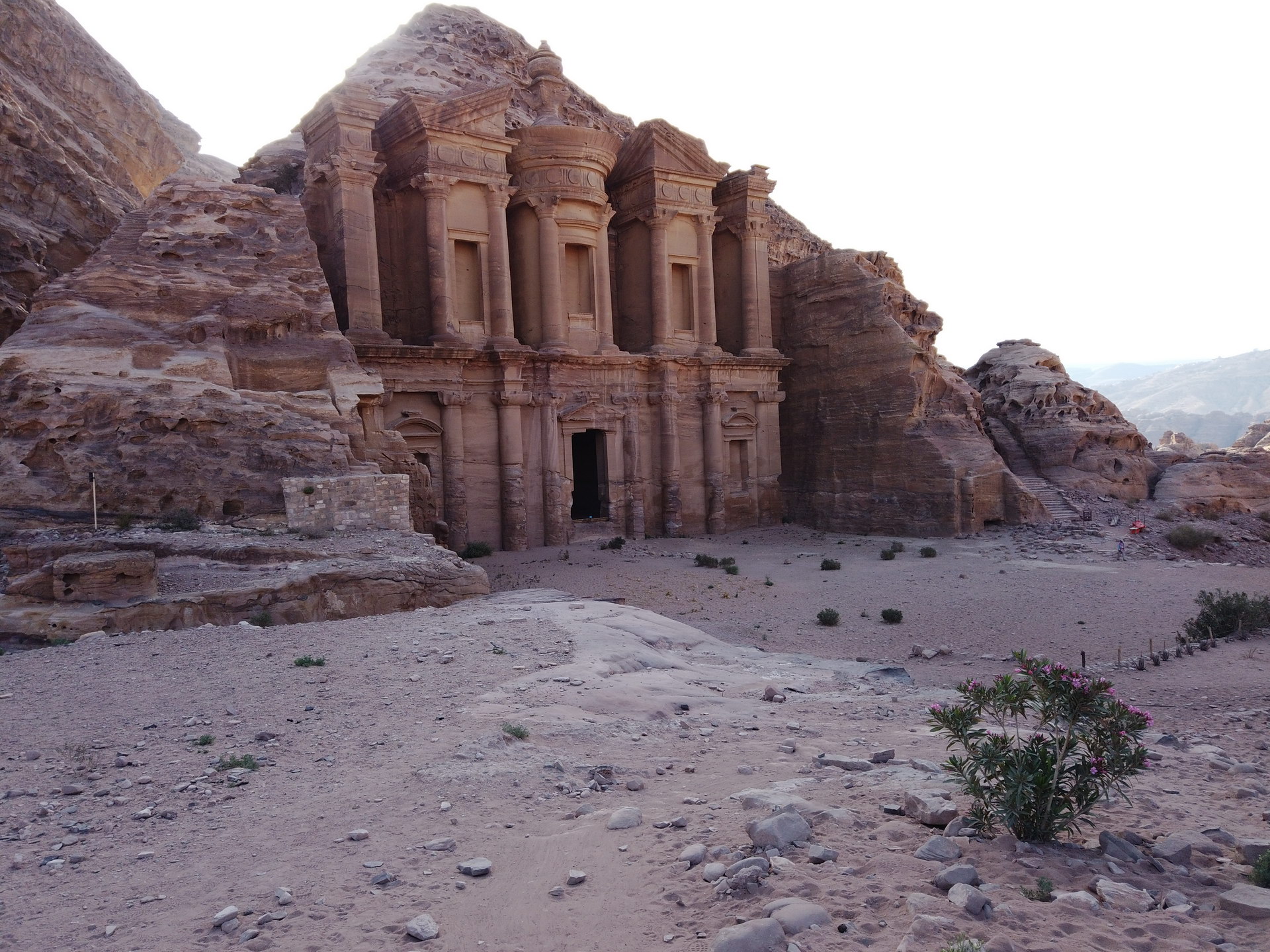
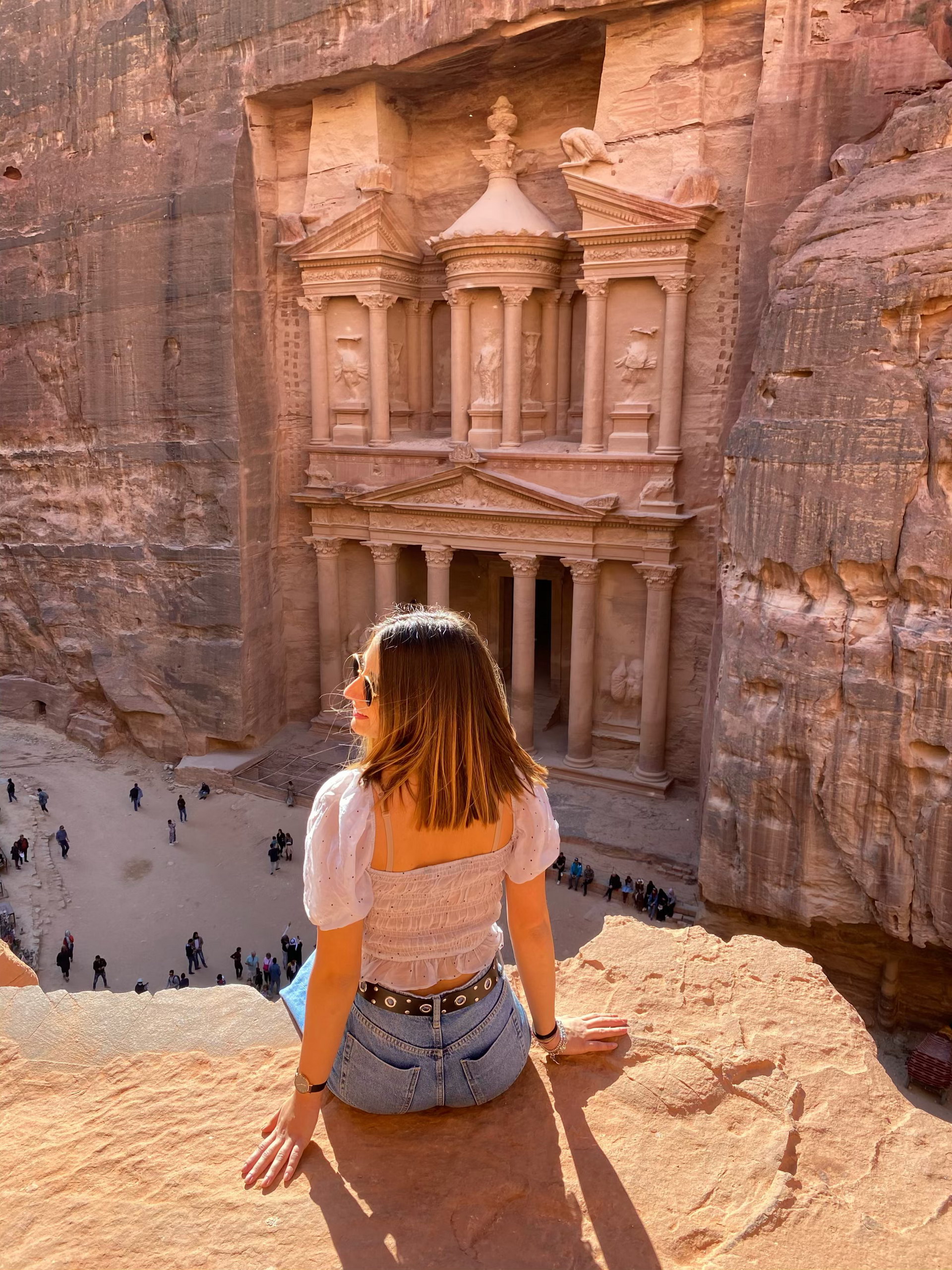
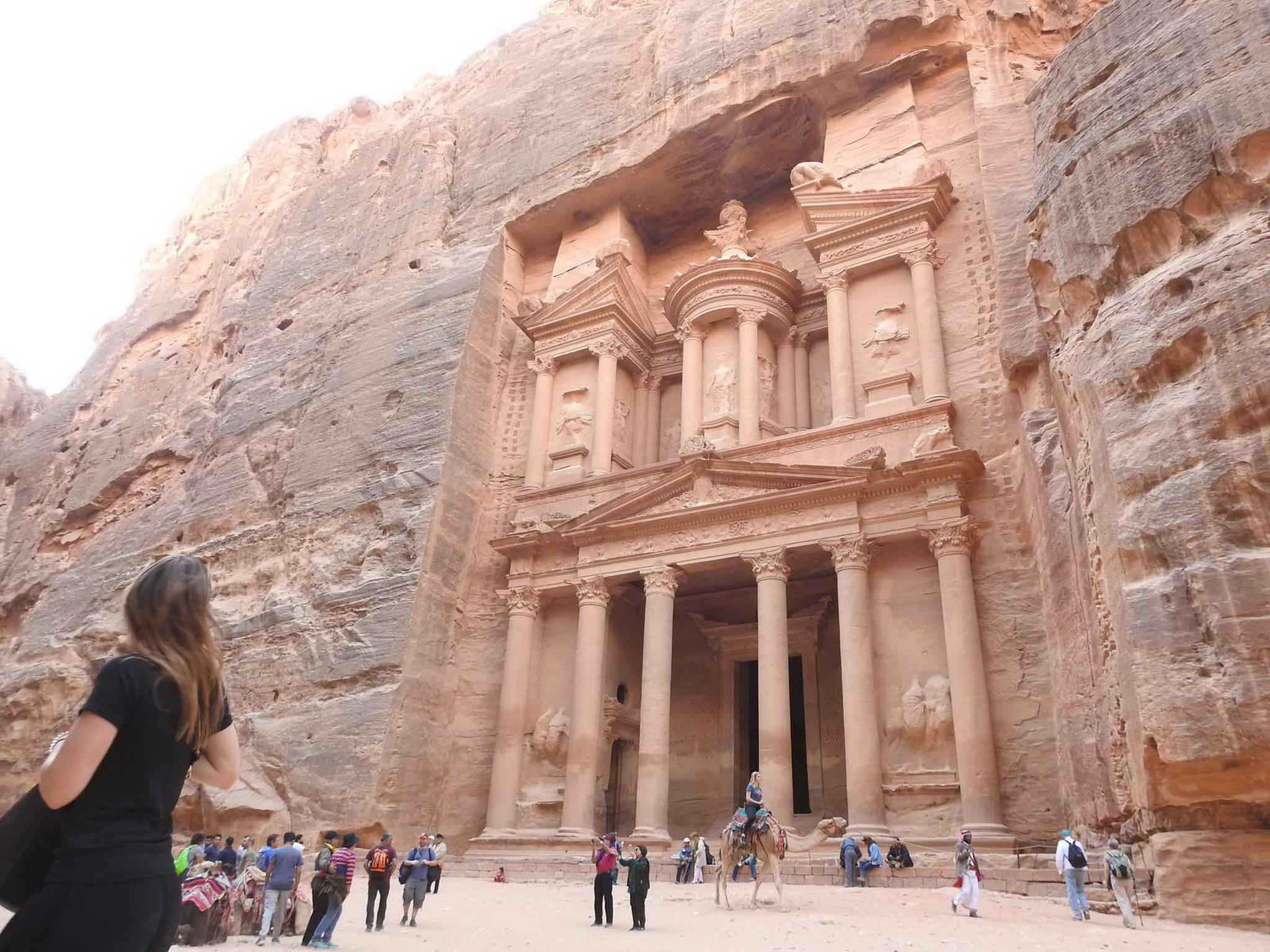
Petra, a UNESCO World Heritage Site, is perhaps the most iconic attraction in Jordan. Carved into rose-red cliffs, this ancient city served as the capital of the Nabataean Kingdom over 2,000 years ago. Visitors can enter through the Siq, a narrow gorge that leads to the breathtaking Treasury (Al-Khazneh), which stands at an impressive 40 meters high. As you explore the archaeological site, make sure to visit the Monastery (Ad-Deir) and the Royal Tombs for stunning views and insight into the Nabataean civilization. The best time to visit is during the spring (March to May) or fall (September to November) when temperatures are more moderate. Consider joining a guided tour to gain a deeper understanding of the history and significance of the site.
2. Wadi Rum: The Valley of the Moon
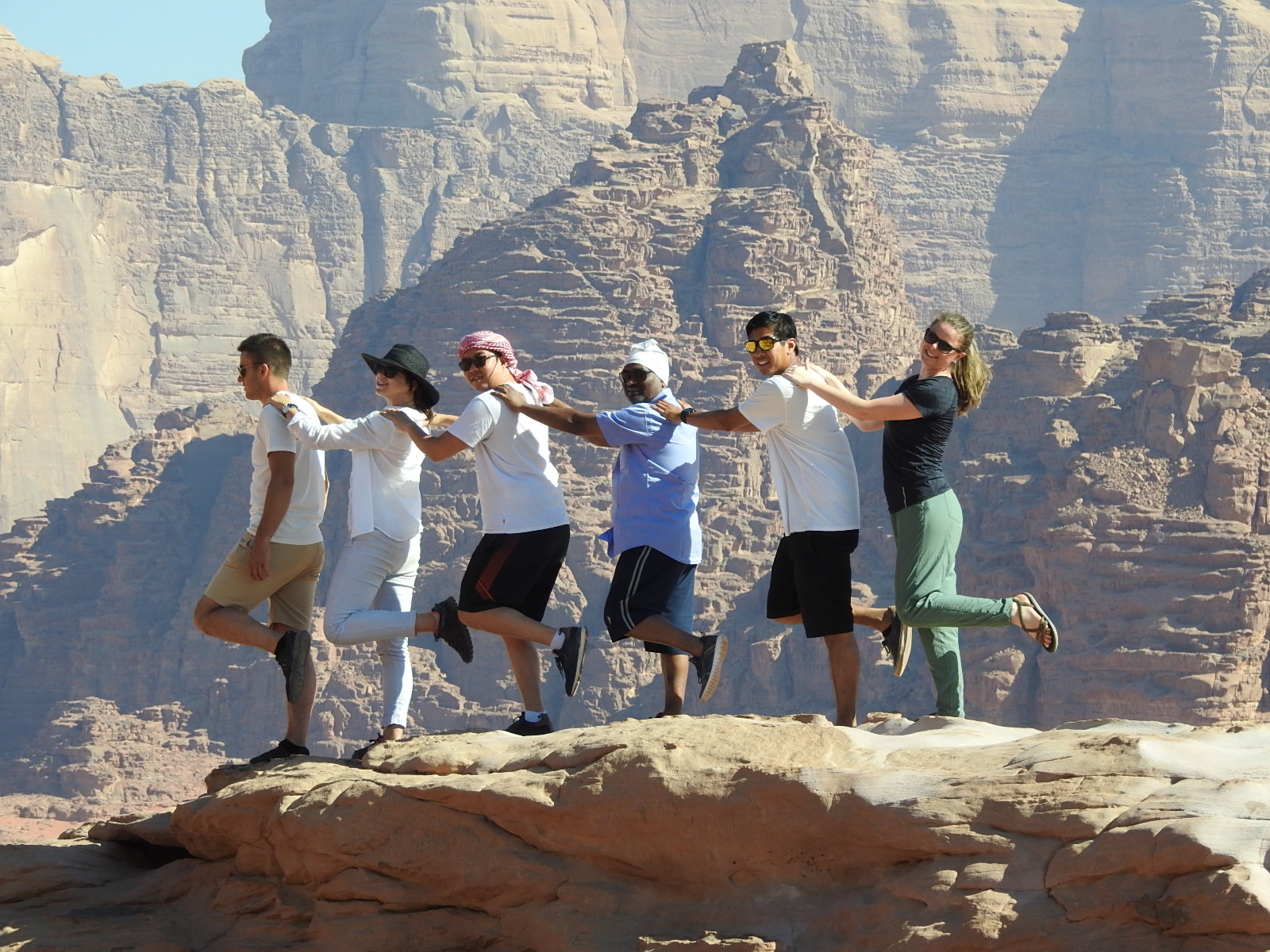
Wadi Rum, known as the Valley of the Moon, is a breathtaking desert landscape characterized by towering sandstone mountains, vast open spaces, and unique rock formations. This UNESCO World Heritage Site offers a range of activities, including jeep tours, camel rides, and hiking. One of the highlights is the chance to sleep under the stars in a Bedouin camp, experiencing the tranquility and beauty of the desert at night. The best time to visit Wadi Rum is from September to April when temperatures are cooler. Be sure to bring plenty of water, sunscreen, and sturdy shoes for your adventures.
3. The Dead Sea: Float in the Salty Waters
The Dead Sea, the lowest point on Earth, is famous for its high salinity, which allows visitors to float effortlessly on the surface. The mineral-rich mud is also known for its therapeutic properties, making it a popular spot for relaxation and wellness treatments. There are several resorts along the shores of the Dead Sea that offer spa services, private beach access, and stunning views of the surrounding mountains. The best time to visit the Dead Sea is during the cooler months, from October to April, to avoid the extreme heat of summer. Don’t forget to bring a towel and be careful not to get the salty water in your eyes!
4. Amman: The Capital City
Amman, the capital of Jordan, is a vibrant city that blends ancient history with modern life. Explore the Citadel, where you can see ruins from the Roman, Byzantine, and Umayyad periods. The Roman Theater, built in the 2nd century, is another must-see, showcasing the city’s historical significance. Amman is also a great place to experience local cuisine, with many restaurants offering traditional dishes such as mansaf and falafel. The best time to visit Amman is during spring or fall for pleasant weather. Use public transport or taxis to navigate the city easily.
5. Jerash: The Roman Ruins
Jerash is one of the best-preserved Roman cities outside of Italy, showcasing the grandeur of Roman architecture. The site features impressive structures such as the Oval Plaza, the Temple of Artemis, and the South Theater. Walking through the colonnaded streets, you can truly feel the history of this ancient city. Jerash hosts an annual Roman Festival in the summer where visitors can enjoy performances and reenactments. The best time to visit is during the spring or fall when the weather is mild. Jerash is easily accessible from Amman, making it a great day trip.
6. Aqaba: The Red Sea Resort
Aqaba, located on the Red Sea, is the perfect destination for water sports and relaxation. The area is known for its stunning coral reefs, making it a diver’s paradise. Snorkeling, scuba diving, and glass-bottom boat tours offer glimpses of vibrant marine life. In addition to water activities, Aqaba boasts beautiful beaches and a lively waterfront with shops and restaurants. The best time to visit Aqaba is from November to April for comfortable temperatures. When visiting, check out the local markets for handmade crafts and spices.
7. Local Cuisine: A Taste of Jordan
Jordanian cuisine is a delightful experience, offering a variety of flavors and dishes. Don’t miss trying mansaf, the national dish made of lamb cooked in yogurt sauce and served over rice. Other popular dishes include makloubeh, a rice and vegetable dish, and kebabs. For dessert, indulge in knafeh, a sweet pastry layered with cheese and soaked in syrup. Visit local restaurants or street vendors to savor authentic flavors. Consider joining a food tour to explore the culinary scene and learn about the cultural significance of each dish.
Tips for Traveling in Jordan
- Currency: The currency used in Jordan is the Jordanian Dinar (JOD). Credit cards are widely accepted, but it's advisable to carry some cash for small purchases.
- Dress Code: Jordan is a predominantly Muslim country, so it’s respectful to dress modestly, especially when visiting religious sites.
- Transportation: Public transportation, including buses and taxis, is available in major cities, but consider hiring a private driver for more remote areas.
- Language: Arabic is the official language, but English is widely spoken in tourist areas.
- Safety: Jordan is considered a safe travel destination. However, it's always wise to stay informed about local customs and regulations.
Conclusion
Jordan is a country rich in history and natural beauty, offering visitors a unique travel experience. Whether you’re exploring the ancient city of Petra, relaxing by the Dead Sea, or immersing yourself in the vibrant culture of Amman, your journey in Jordan will undoubtedly be memorable. Plan your trip with this guide, and get ready to create unforgettable memories in this remarkable destination.