Explore the Wonders of Wadi Rum - A Complete Travel Guide
Introduction to Wadi Rum
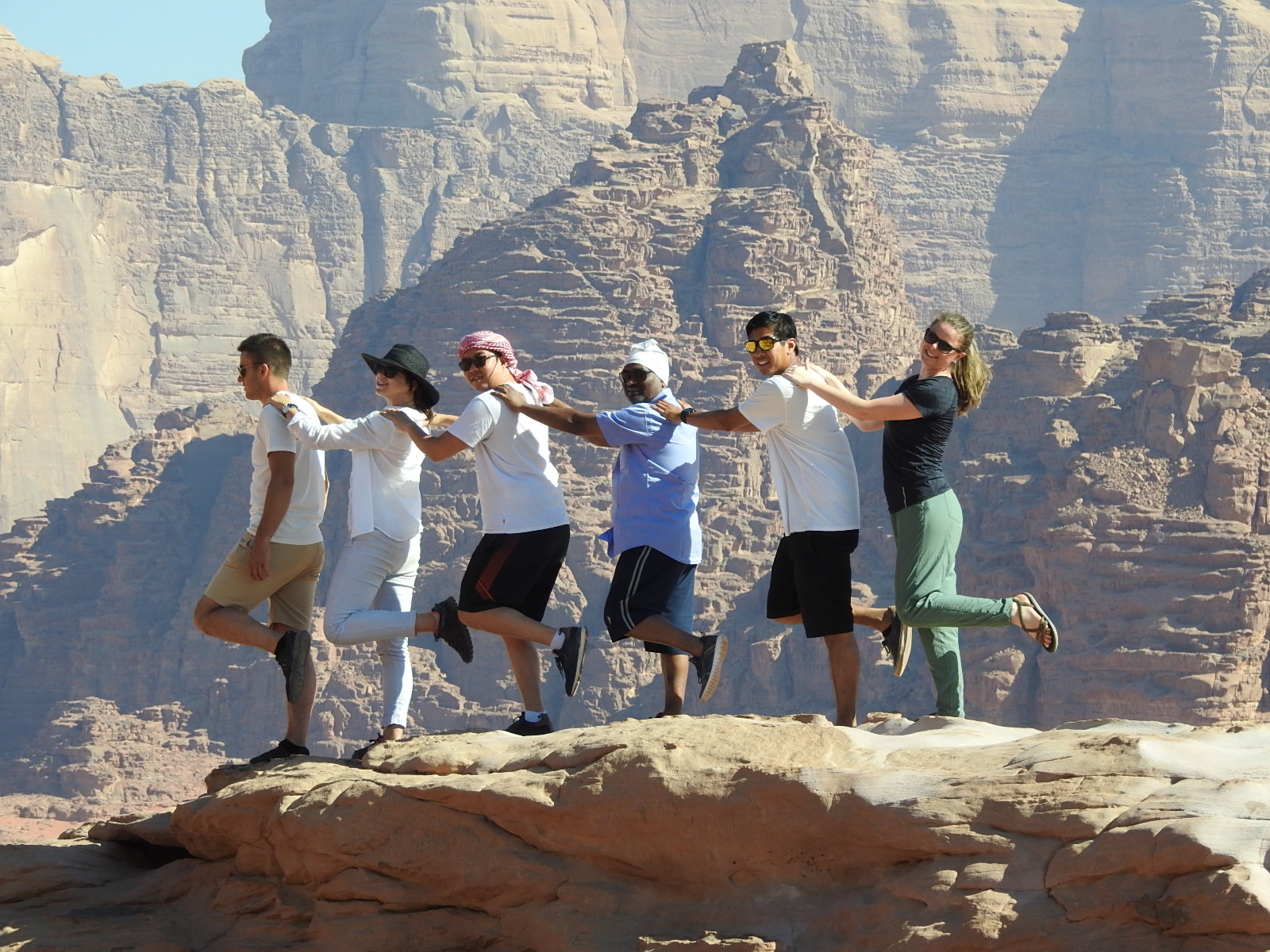
Wadi Rum, also known as the Valley of the Moon, is a spectacular desert wilderness that spans over 300 square miles. Its unique landscape features towering sandstone mountains, dramatic cliffs, and vast stretches of sandy plains, making it a top attraction in Jordan. Visitors flock to this area not only for its natural beauty but also for its historical significance, particularly linked to T.E. Lawrence, famously known as Lawrence of Arabia. Whether you're an adventure seeker or a history enthusiast, Wadi Rum has something to offer everyone.
When to Visit Wadi Rum
The best times to visit Wadi Rum are during the spring (March to May) and autumn (September to November) months. These seasons provide pleasant temperatures, ideal for outdoor activities such as hiking and camel rides. Springtime brings a burst of wildflowers that contrast beautifully with the red and white sands, while autumn offers mild days and cool nights. Summer can be unbearably hot, with temperatures often exceeding 40°C (104°F), making it less suitable for exploration. Winter can be chilly, yet the desert is less crowded, allowing for a tranquil experience under the stars.
Getting to Wadi Rum
Wadi Rum is accessible from various cities in Jordan. It's approximately a 4-hour drive from Amman (320 km), about 1 hour and 45 minutes from Petra (112 km), and roughly 1 hour from Aqaba (70 km). Renting a car is recommended for the freedom to explore at your own pace. Alternatively, public buses run from both Petra and Aqaba to Rum Village, the main entry point to Wadi Rum. Remember, the entrance fee to Wadi Rum is included in the Jordan Pass, making it a cost-effective option for travelers.
Choosing a Bedouin Camp
Staying overnight in a Bedouin camp is an unforgettable experience. The camps vary in style, from traditional goat-hair tents to modern bubble-tents that offer unique views of the night sky. Popular options include the UFO Luxotel and Memories Aicha Luxury Camp, providing comfortable amenities and authentic Bedouin hospitality. Staying in a camp allows you to immerse yourself in the local culture and enjoy traditional meals prepared in a Zarb, a method of cooking underground. Be sure to book in advance, particularly during peak seasons.
Spending the Night in a Bedouin Camp
Staying overnight at a Bedouin camp offers a unique opportunity to experience the desert's tranquility. The tents provide a comfortable setting with proper beds and blankets. Many camps encourage guests to sleep under the stars, which is a magical experience in Wadi Rum due to the minimal light pollution. After enjoying a communal dinner of delicious local fare, such as grilled meats and stews, gather around the fire for storytelling or traditional music. The clear desert skies provide a breathtaking backdrop for stargazing, where you can witness the Milky Way in all its glory.
What to Bring to Wadi Rum
When visiting Wadi Rum, pack light but smart. Essential items include sturdy footwear suitable for hiking, sun protection like hats and sunscreen, and a good pair of sunglasses. Bring a flashlight for nighttime activities and warm layers for the cooler evenings. A wide scarf can also be useful to protect against wind and sand while exploring the dunes. Most Bedouin camps provide basic necessities, but it's always good to check in advance.
Exploring Wadi Rum: One Day Itinerary
A full day of exploring Wadi Rum can be a highlight of your Jordan trip. Start your day early, around 7 or 8 AM, to beat the crowds. Begin with a 4x4 jeep tour that takes you to the main attractions. A typical itinerary includes stops at the iconic sand dunes, Mushroom Rock, and the Little Arch, each offering unique photo opportunities and exploration chances. Don't miss the chance to hike to Burdah Arch, a stunning natural formation that requires a moderate climb but rewards you with breathtaking views of the desert landscape.
The Top Sites to See in Wadi Rum
The Sand Dunes
The red sand dunes of Wadi Rum are a must-visit. While not as extensive as those in the Sahara, they are spectacular in their own right, offering the chance to hike, sandboard, or simply take in the beautiful views. The contrast between the red sand and the surrounding rocky landscape is breathtaking, especially during sunrise and sunset.
Mushroom Rock
This natural rock formation resembles a mushroom and is an interesting site to visit. It offers a shaded spot to rest during hot days and provides a unique backdrop for photographs. The rock's unusual shape is a testament to the forces of nature that have shaped Wadi Rum over millennia.
Little Arch
Little Arch is one of several natural arches in the area. You can scramble up to it for a panoramic view or admire it from below. The surrounding landscape is dotted with other rock formations, making it a great spot for exploration and photography.
Burdah Arch
This impressive natural arch is a bit of a trek but well worth the effort. The hike takes about 2-3 hours, and upon reaching the top, you'll be greeted with stunning vistas of the surrounding desert. It's a popular spot for climbers and offers a unique perspective of Wadi Rum's beauty.
The Khazali Canyon
Khazali Canyon is famous for its ancient petroglyphs and inscriptions carved into the canyon walls by the Nabateans. The short hike through the canyon allows you to appreciate these historical markings while enjoying the unique geological features of the area.
Lawrence Spring
This site is named after T.E. Lawrence and is the closest major attraction to Rum Village. Although it can get crowded, it's worth visiting to see the small water spring and the surrounding landscape. It offers a glimpse into the area's historical significance during the Arab Revolt.
House of Lawrence
Visit the ruins of the House of Lawrence, where T.E. Lawrence supposedly kept weapons during the Arab Revolt. Though partially crumbled, it remains an intriguing historical site. The nearby rock face provides a great viewpoint for taking in the desert scenery.
Abu Khashaba Canyon
This lesser-known canyon offers a unique hiking experience. Your guide may leave you to explore on your own, adding an element of adventure to your visit. The canyon's high walls and narrow passages create a stunning environment, ideal for photography and exploration.
Um Frouth Arch
Another natural wonder, Um Frouth Arch is more accessible and allows visitors to scramble up for great views. Standing in the center of this arch is a memorable experience, offering a perfect photo opportunity with the surrounding landscape.
Lunch in the Wadi Rum Desert
Midway through your adventure, enjoy a delicious lunch prepared by your guide. Typically, this includes local dishes like fresh salads and stews made over an open fire, providing a perfect break amidst the stunning desert backdrop.
The Steam Train in Wadi Rum
Don't miss the chance to see the historic Hejaz train, which played a significant role during the Arab Revolt. This steam train runs along the tracks built by the Ottomans and is an intriguing relic of the past. You can spot it along the road between the Desert Highway and Wadi Rum, and it offers occasional tourist rides, adding a unique touch to your visit.
Conclusion
Wadi Rum is truly a remarkable destination that should be included in any Jordan travel itinerary. From its stunning landscapes and rich history to the immersive experiences offered by Bedouin camps, Wadi Rum provides a unique adventure for travelers. Whether you choose to spend a day or several nights, the memories you create in this enchanting desert will last a lifetime. Plan your trip wisely, and enjoy all that Wadi Rum has to offer!