Exploring Jordans Rich Cultural Heritage - New Findings in Tor Fawaz

Recent archaeological excavations at Tor Fawaz in southeastern Jordan have unearthed significant Upper Paleolithic artifacts, further enriching the historical narrative of this ancient region. These discoveries not only illuminate the prehistoric period in Jordan but also highlight the country's broader cultural heritage, making it an exciting time for travelers interested in history and archaeology.
What it means for travelers
For travelers planning a trip to Jordan, the recent findings at Tor Fawaz underscore the country's rich historical tapestry. As Jordan continues to uncover its ancient past, visitors can expect a more profound appreciation of the archaeological sites they encounter. The addition of Tor Fawaz to the list of significant historical sites means that tourists now have even more opportunities to explore and engage with Jordan's extensive history. This is particularly appealing for those interested in archaeology and the prehistoric era, as it showcases the depth of human activity in the region for thousands of years.
How it affects tours
The discovery at Tor Fawaz is likely to influence Jordan's tourism landscape by drawing interest from archaeology enthusiasts and educational tours. As awareness of these findings spreads, local tour operators may begin to incorporate Tor Fawaz into their itineraries, providing a unique experience that highlights the significance of the site. This could lead to the development of new tours focused on prehistoric and archaeological themes, enhancing the diverse offerings already available in Jordan. Tourists can expect an increase in specialized trips that delve deeper into the country's archaeological wonders.
Actionable guidance
If you're planning a trip to Jordan, consider scheduling your visit around some of the country's renowned archaeological sites, including Jerash, Petra, and now Tor Fawaz. Ensure you check with local tour operators for any newly offered tours that may include these significant historical locations. When visiting archaeological sites, be sure to respect the guidelines and regulations in place to preserve these treasures. Furthermore, engage with knowledgeable local guides who can provide deeper insights into the history and significance of the sites you visit. Additionally, packing comfortable shoes and staying hydrated will enhance your experience as you explore these fascinating locations.
Best places to visit in Jordan
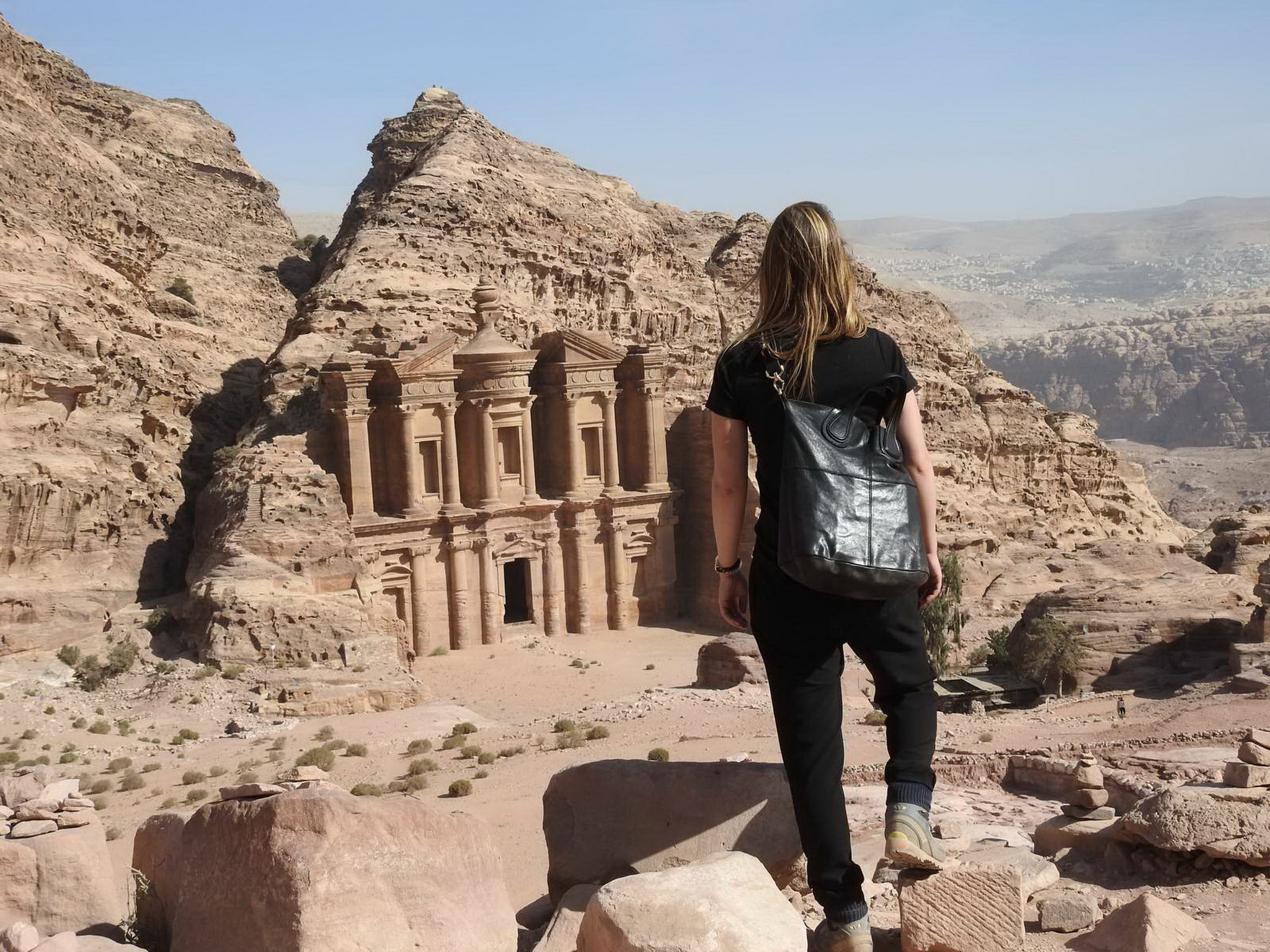
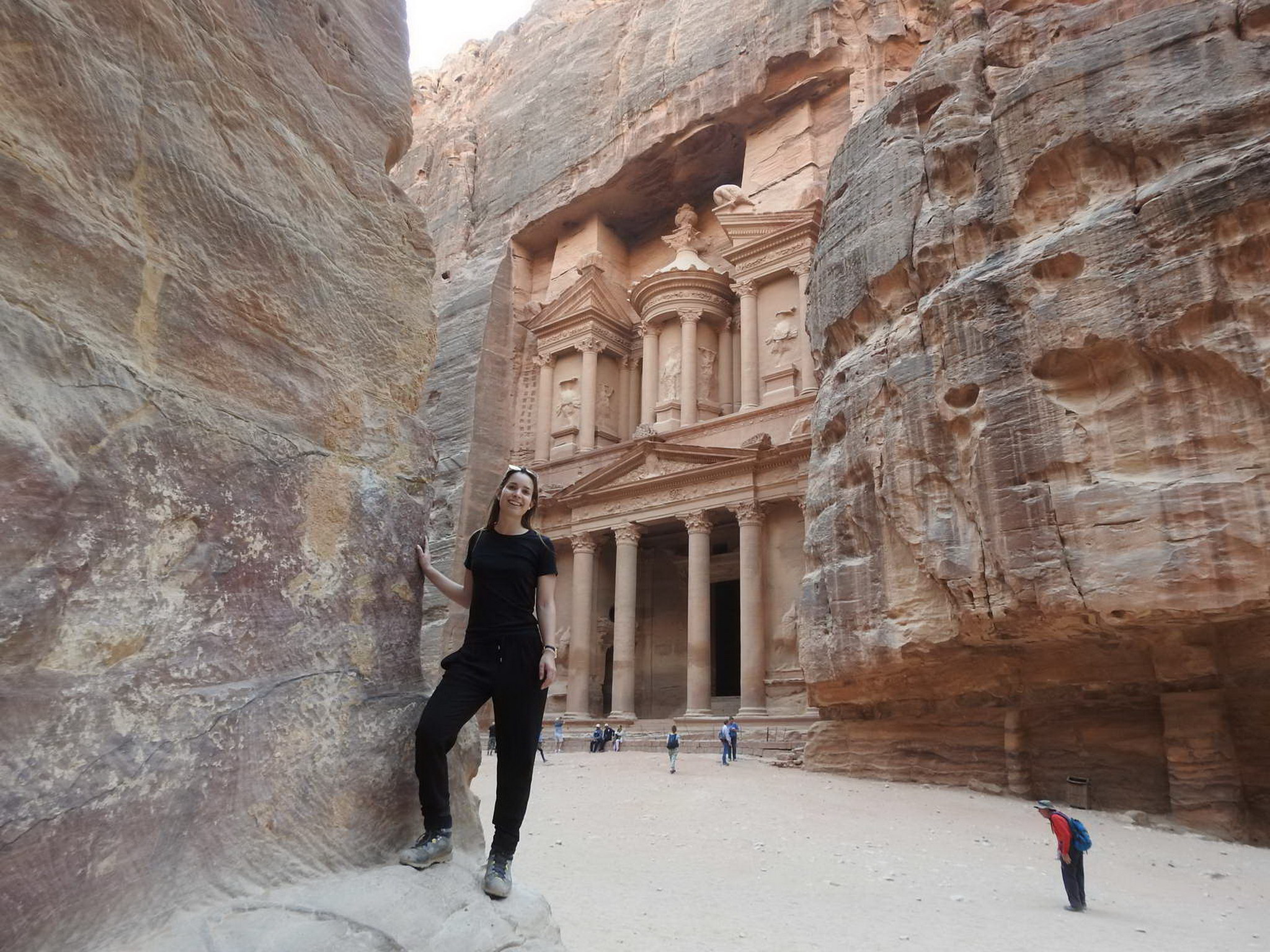
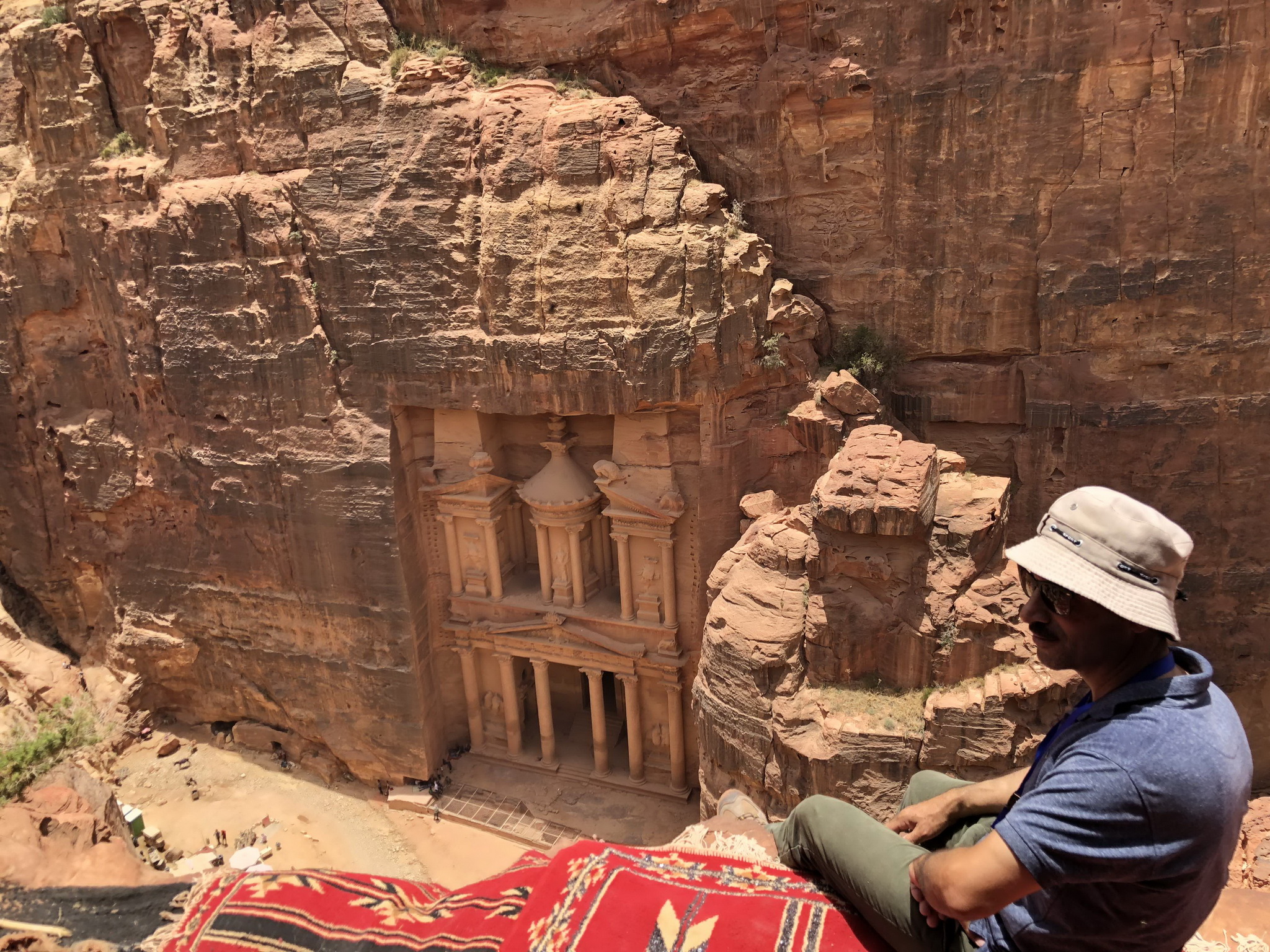
Jordan is home to some of the most remarkable destinations in the world, each offering a unique glimpse into its rich history and stunning landscapes. Petra, often referred to as the 'Rose City', is a UNESCO World Heritage site known for its breathtaking rock-cut architecture and water conduit system. Visiting Petra is like stepping back in time, as you wander through the Siq to the iconic Treasury. The best way to experience Petra is to take a guided tour that can provide historical context and stories behind its stunning structures. Allocate ample time to explore the vast site, as there are numerous trails and hidden gems to discover.
Wadi Rum, known as the 'Valley of the Moon', captivates visitors with its dramatic sandstone mountains and vast desert landscapes. A Wadi Rum desert tour offers an exhilarating experience, where you can ride camels, go rock climbing, or simply take in the stunning sunset views. For an unforgettable adventure, consider an overnight tour in a Bedouin-style camp to truly immerse yourself in the desert's tranquility. The Dead Sea, famous for its therapeutic properties, is another must-visit destination. Here, you can float effortlessly in the salty waters, enjoy spa treatments, and witness stunning views of the surrounding landscapes. Whether you're seeking adventure, relaxation, or historical exploration, Jordan's diverse attractions cater to all types of travelers.
Best time to visit Jordan
The best time to visit Jordan generally falls during the spring (March to May) and autumn (September to November) months. During these periods, the weather is pleasantly moderate, making it ideal for exploring outdoor attractions such as Petra and Wadi Rum. Spring brings blooming wildflowers and lush landscapes, perfect for hiking and photography, while autumn offers cooler temperatures and fewer crowds. Winter (December to February) can be chilly, especially in the northern regions, but can also provide a unique experience for those who enjoy a quieter atmosphere. The summer months (June to August) are hot, particularly in the desert regions, so it's advisable to plan indoor activities or visits to cooler areas such as the Dead Sea during this time.
More for travelers
While in Jordan, don't miss a chance to explore the capital city of Amman, where ancient history meets modern culture. Visit the Citadel for panoramic views and the Roman Theatre for a glimpse into the past. For those interested in local cuisine, try traditional dishes like Mansaf or Maqluba at local restaurants, which offer an authentic taste of Jordanian hospitality. Another recommendation is to explore the vibrant markets, where you can buy spices, handicrafts, and souvenirs. After your archaeological adventures, a relaxing experience awaits at the Dead Sea, where you can float in its mineral-rich waters and enjoy wellness treatments. For a touch of adventure, consider a Wadi Rum desert tour to experience the breathtaking landscapes that have inspired countless filmmakers and adventure seekers alike.
Sources
About Petra
Jerash: A Journey Through TimeLocated just 48 kilometers north of Amman, Jerash is one of the best-preserved Roman cities outside of Italy. This ancient site invites you to wander through its colonnaded streets, where you can marvel at the architectural masterpieces that date back to the Greco-Roman period. Key highlights include Hadrian’s Arch, built to honor Emperor Hadrian's visit, and...