Exploring Qalat Unaiza - A Hidden Gem for Travelers in Southern Jordan
Qalat Unaiza, a well-preserved Ottoman fortress located on Jordan’s Desert Highway, offers a unique glimpse into the country’s historical significance as a pilgrimage route. This structure not only showcases Ottoman architecture but also highlights Jordan's role in the Hajj journey, making it a compelling stop for history enthusiasts and travelers seeking to explore off-the-beaten-path destinations.
What it means for travelers
For travelers looking to immerse themselves in Jordan's rich history, visiting Qalat Unaiza provides an opportunity to experience a lesser-known yet significant site. This Ottoman fortress stands as a testament to Jordan's role in the pilgrimage to Mecca, allowing visitors to appreciate the cultural and historical contexts of their journey. As tourism in Jordan continues to grow, sites like Qalat Unaiza enhance the overall travel experience by offering unique insights into the country's past and its architectural heritage.
How it affects tours
Incorporating Qalat Unaiza into Jordan tours can enhance the itinerary for travelers interested in cultural exploration. Tour guides can provide informative narratives about the site's history and its importance as a way station for pilgrims. As more tours begin to include this site, travelers will have the chance to discover more about Jordan’s historical landscape, making their trips richer and more diverse.
Actionable guidance
If you're planning a trip to Jordan, consider scheduling a visit to Qalat Unaiza as part of your itinerary. The fortress is accessible from major cities and can be visited as a day trip. Ensure you allocate enough time to explore the site and take in the surrounding desert views. It’s advisable to wear comfortable walking shoes and bring plenty of water, especially during the warmer months. Additionally, hiring a knowledgeable local guide can enhance your understanding of the site's history and significance.
Best places to visit in Jordan
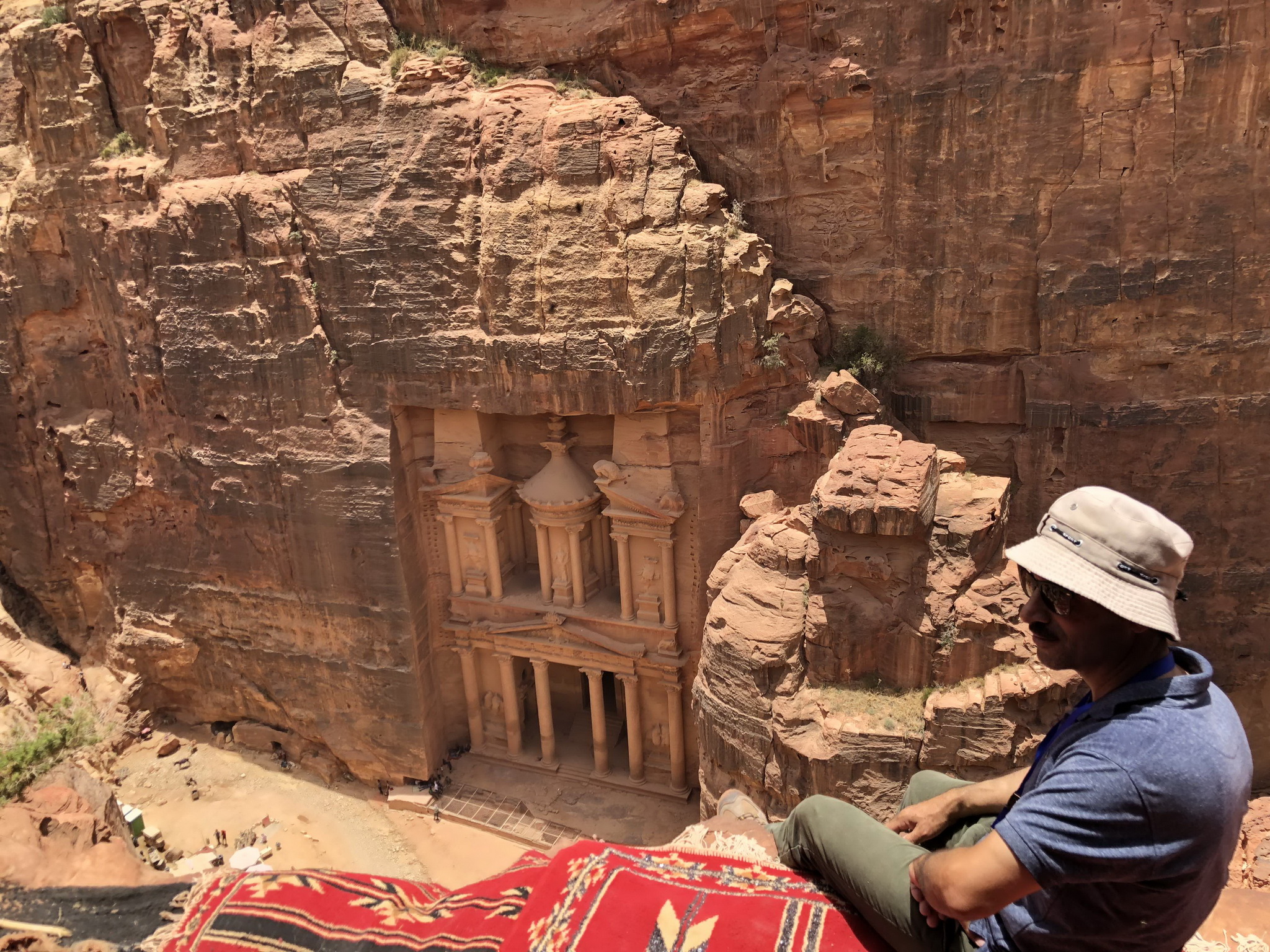
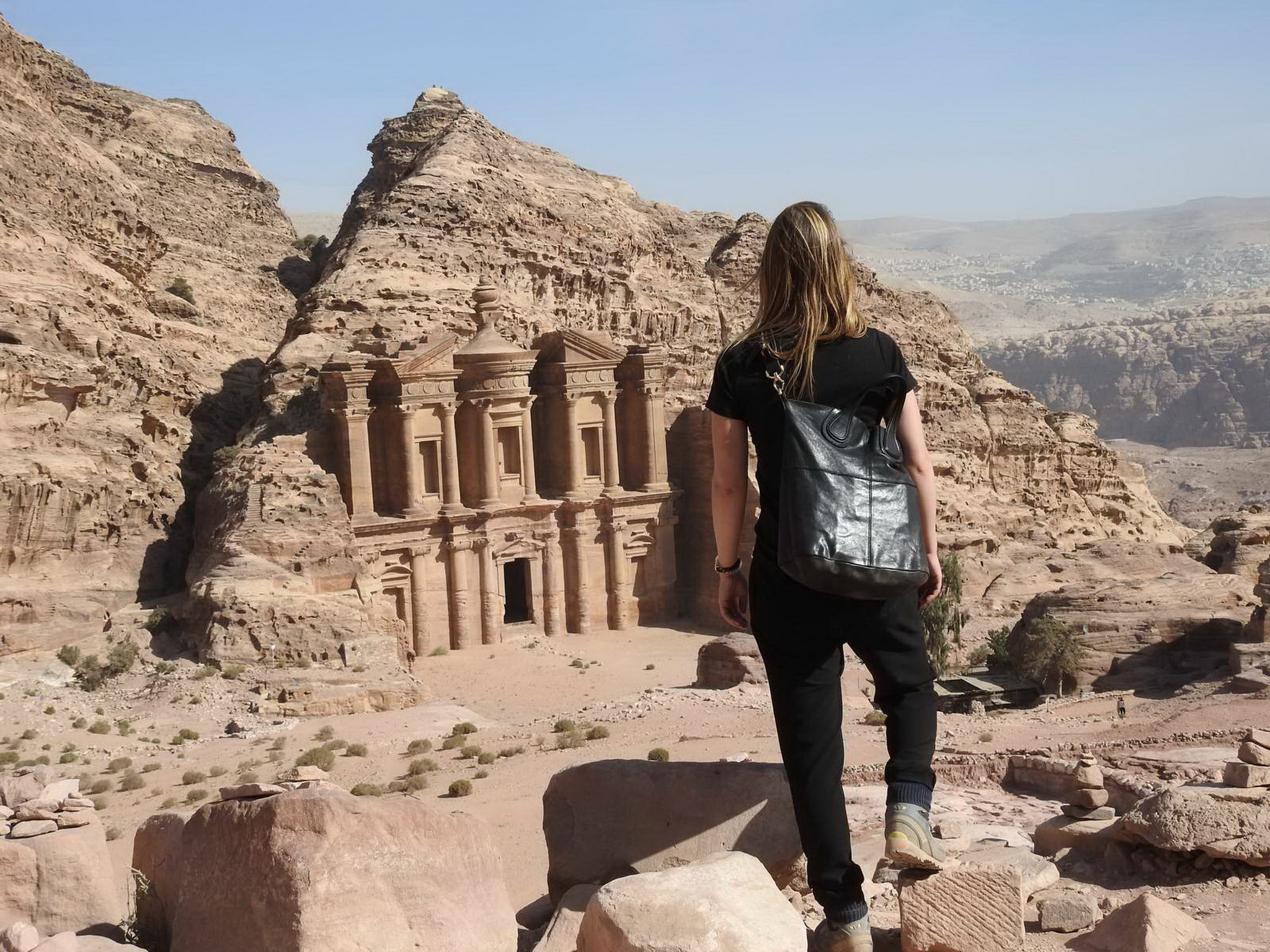
Jordan is home to several remarkable destinations that should not be missed. First on the list is Petra, often referred to as the 'Rose City' due to its stunning pink sandstone cliffs. As a UNESCO World Heritage Site, Petra is known for its impressive rock-cut architecture and water conduit system. Visitors typically spend an entire day exploring its vast ruins, including the famous Treasury and the Monastery, making it a must-visit on any Jordan trip.
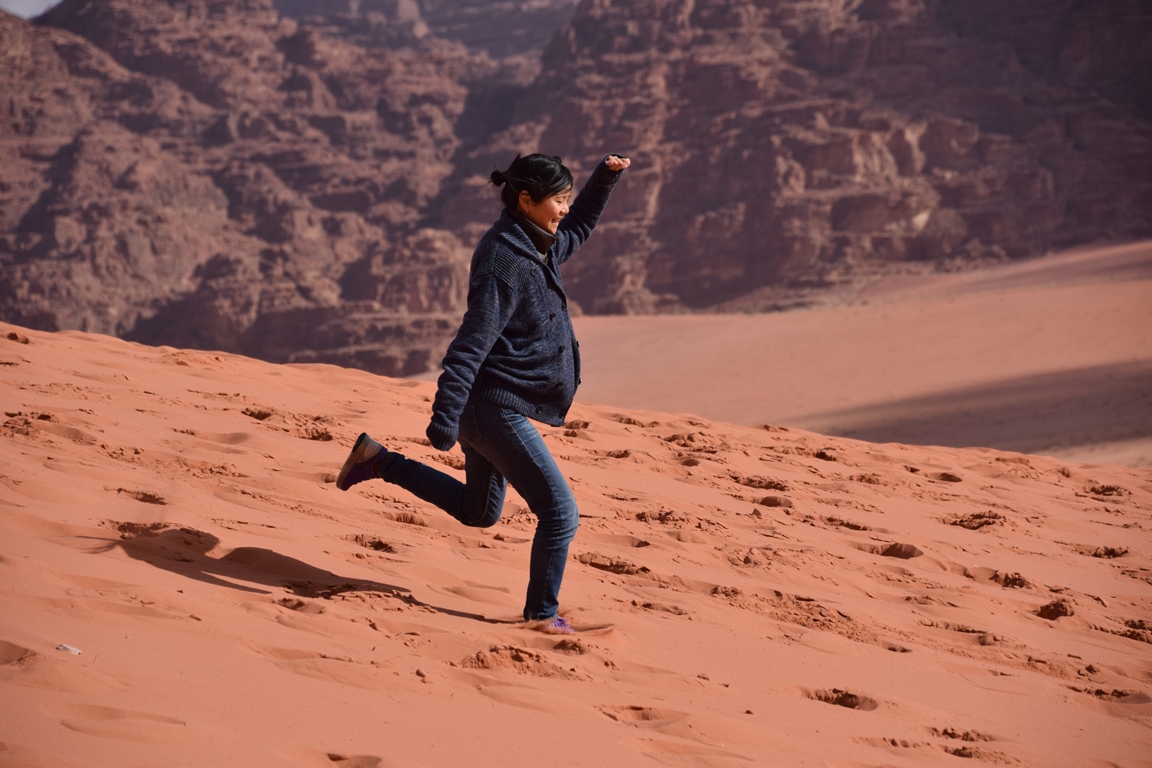
Another iconic destination is Wadi Rum, a breathtaking desert landscape characterized by towering sandstone mountains and vast open spaces. Known as 'The Valley of the Moon,' Wadi Rum offers various activities, including jeep tours, camel rides, and hot air ballooning. For a truly unforgettable experience, consider an overnight stay in a traditional Bedouin camp, where you can stargaze under the clear desert sky.
The Dead Sea is another highlight, famous for its high salt content, allowing visitors to float effortlessly on its surface. It's an ideal spot for relaxation and wellness, with numerous resorts offering spa treatments that utilize the mineral-rich mud and water. Whether you're seeking adventure in Petra and Wadi Rum or relaxation at the Dead Sea, these destinations showcase the diverse offerings of Jordan.
Best time to visit Jordan
The best time to visit Jordan generally falls between March to May and September to November. During these shoulder seasons, the weather is pleasantly mild, making it ideal for exploring outdoor sites like Petra and Wadi Rum. Summer months can be quite hot, especially in desert areas, while winter may bring cooler temperatures, particularly in the northern regions. For those planning to visit the Dead Sea, it is suitable year-round due to its warm climate. However, spring and autumn are particularly pleasant for enjoying the beach and wellness activities.
More for travelers
While exploring Qalat Unaiza, you might also want to combine your visit with nearby attractions such as the ancient city of Petra or the stunning landscapes of Wadi Rum. Both locations are not only iconic but also offer unique experiences that showcase Jordan’s natural beauty and historical richness. After your tour, indulge in some local cuisine at nearby restaurants, where you can enjoy traditional dishes like mansaf or falafel, providing a taste of Jordanian culture.
Sources
About Petra
Introduction to Little PetraLocated just 9 kilometers north of Petra's main entrance, Little Petra, known as Siq al-Barid or 'the cold canyon', is often overlooked by tourists. This ancient Nabataean suburb served as a rest stop for trading caravans arriving from the north, providing shelter and sustenance before they continued their journey to the capital. Today, visitors can explore the...