Jordan Sees Surge in Tourism as Visitors Flock to Iconic Destinations
Jordan is experiencing a notable increase in tourist arrivals, driven by the allure of its ancient sites and natural wonders. With attractions like Petra, Wadi Rum, and the Dead Sea gaining international recognition, the country's tourism sector is on the rise, providing travelers with ample opportunities to explore its rich history and stunning landscapes.
What it means for travelers
For travelers planning a trip to Jordan, this surge in tourism means more services and options available, including guided tours and accommodations. Visitors can experience the cultural richness and natural beauty of Jordan with a variety of tour packages tailored to different interests and budgets. Additionally, with increasing awareness of the country's safety and hospitality, travelers can feel more confident about their plans. Jordan's tourism revival is set to enhance accessibility to its major attractions, ensuring a smoother travel experience.
How it affects tours
The rise in tourism is encouraging local operators to enhance their offerings, resulting in more comprehensive tours that cover popular sites. Companies are introducing time-efficient packages that allow travelers to explore multiple destinations in a short period, such as the two-day tours that include Petra, Wadi Rum, and the Dead Sea. This trend signifies a shift towards more organized travel experiences, allowing visitors to make the most of their time in Jordan without the hassle of planning every detail themselves. Expect to see a variety of Jordanian tour packages that cater to diverse preferences, including adventure, culture, and relaxation.
Actionable guidance
When planning a trip to Jordan, it is essential to consider your itinerary carefully. Start by determining the key sites you wish to visit—Petra, Wadi Rum, and the Dead Sea should undoubtedly be on your list. Book your tours in advance to secure spots in popular excursions, especially during peak seasons. Make sure to check visa requirements, as most travelers will need a visa to enter Jordan. Safety is generally good, but always stay updated on travel advisories. Also, familiarize yourself with local customs and dress codes, particularly when visiting religious sites. It's advisable to have a local SIM card or mobile data plan for navigation and communication.
Best places to visit in Jordan
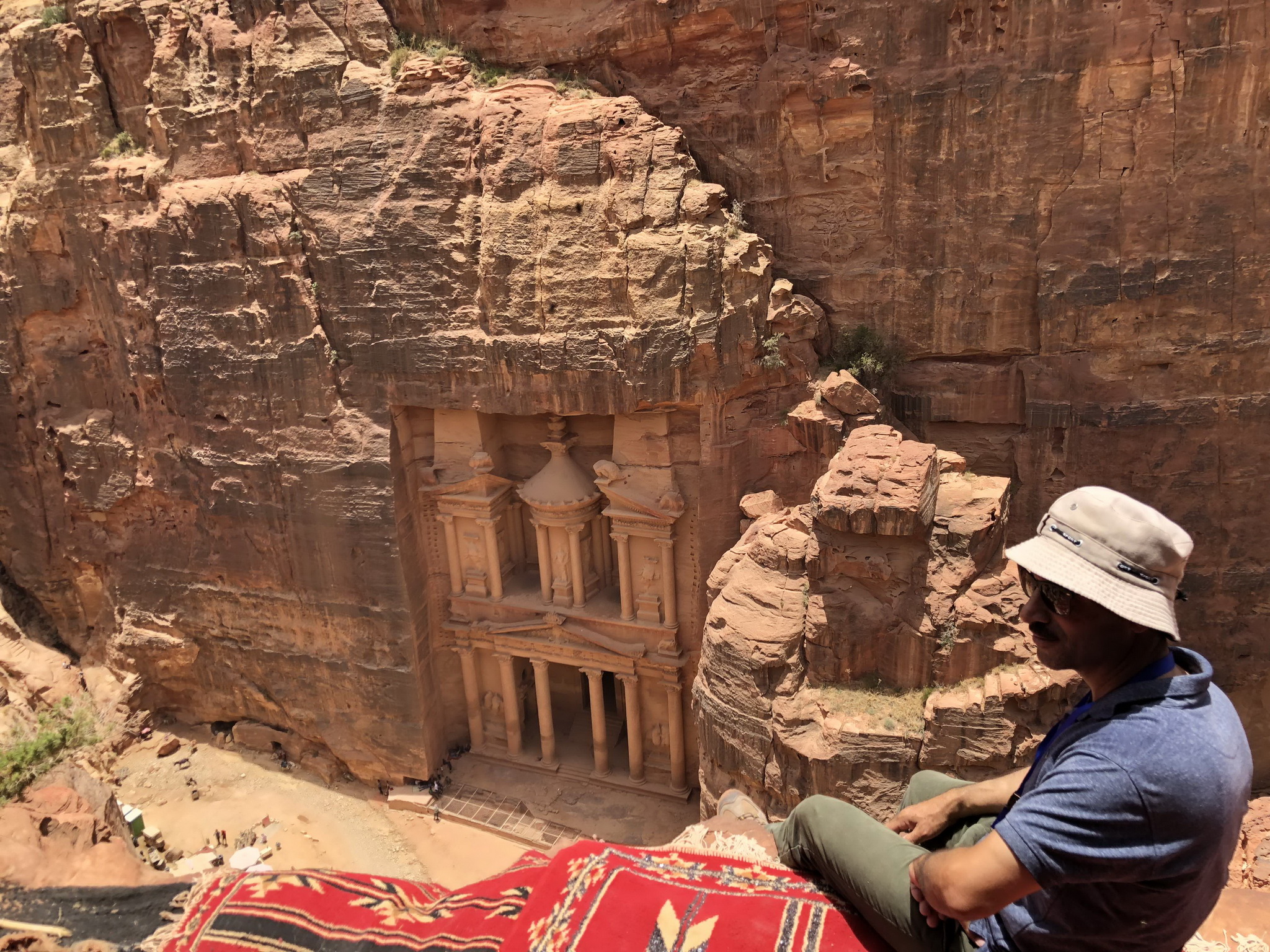
No visit to Jordan is complete without exploring Petra, the ancient Nabatean city carved into rose-red rock. This UNESCO World Heritage site is famous for its archaeological significance and breathtaking views. Visitors can walk through the Siq, a narrow gorge that leads to the iconic Treasury, and explore various tombs, temples, and the Roman-style theater. To fully appreciate Petra, consider a guided tour that provides insights into its history and architecture, or opt for a sunrise visit to avoid crowds and capture stunning photographs.
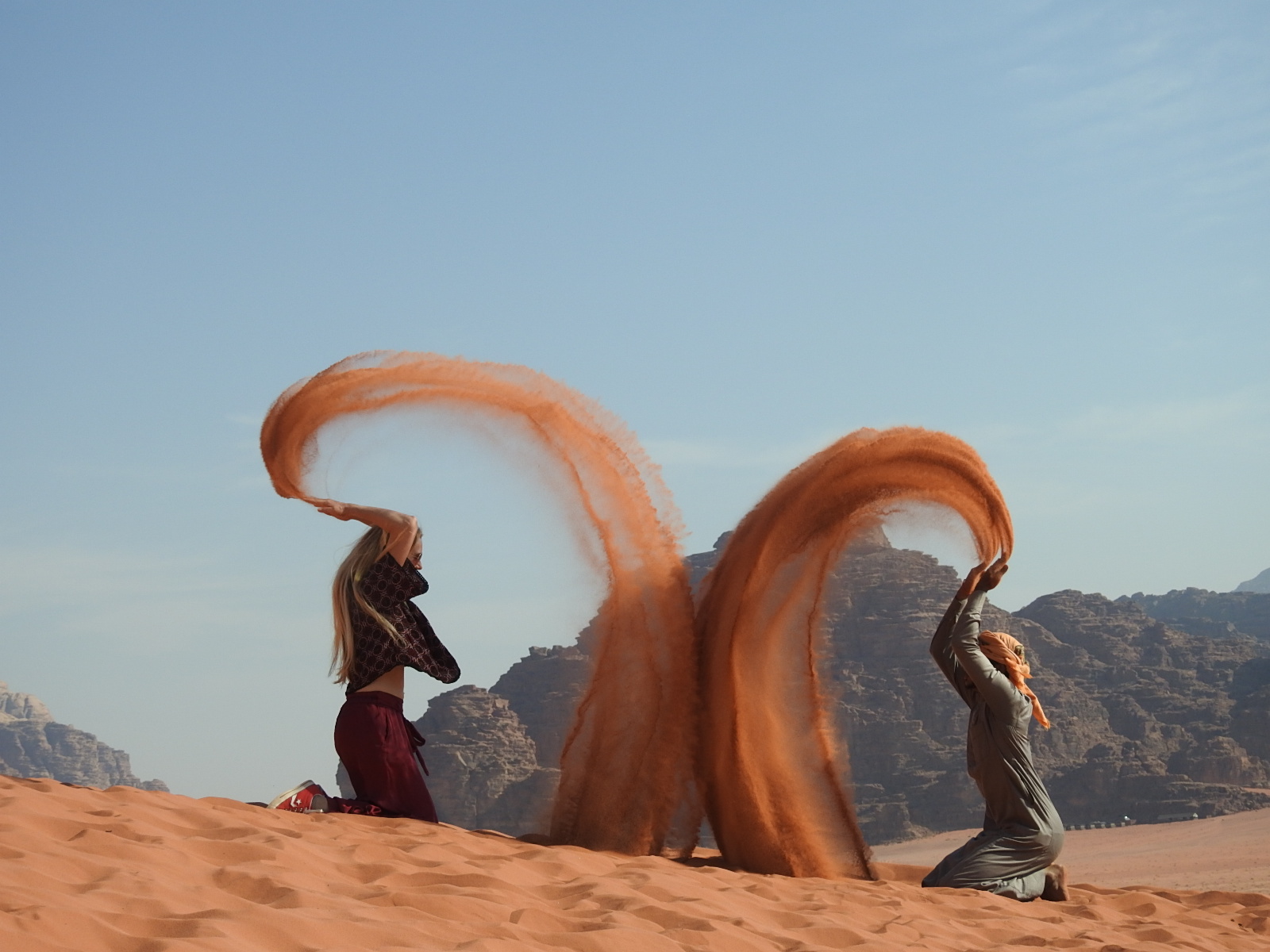
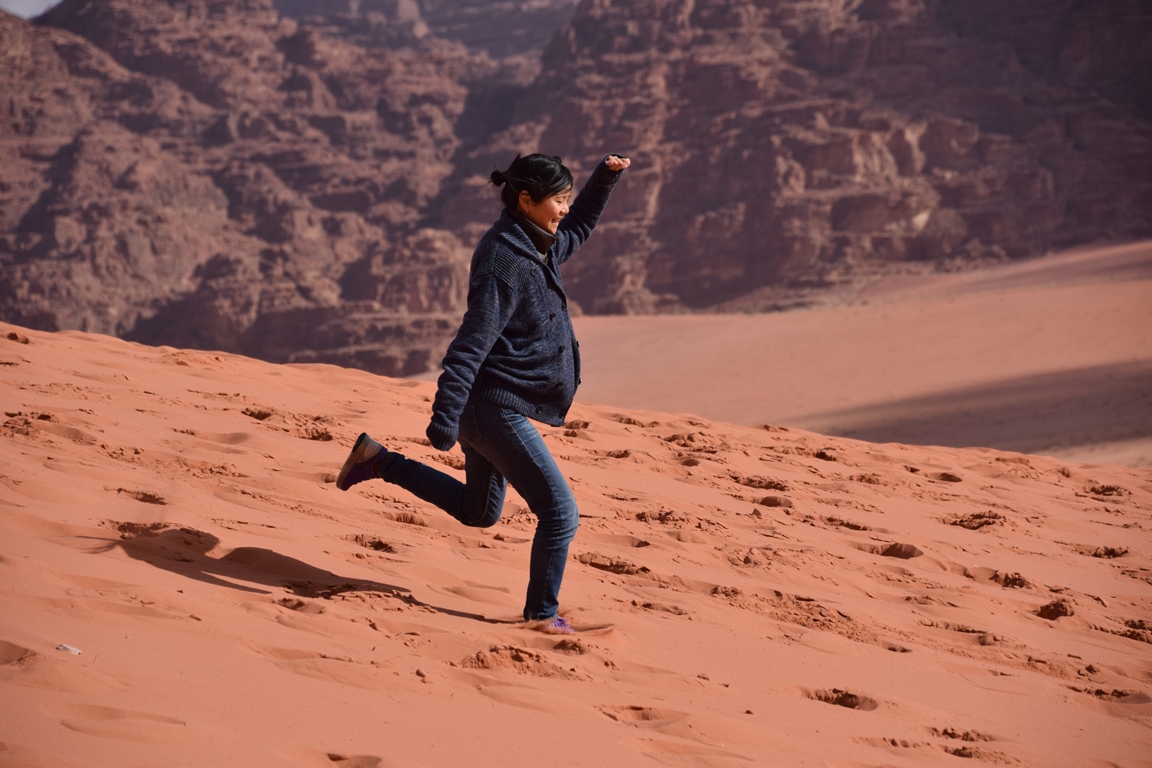
Known for its dramatic desert landscapes, Wadi Rum is a paradise for adventure enthusiasts. The vast expanse of red sand and towering cliffs create a surreal environment perfect for jeep tours, rock climbing, and even hot air balloon rides. An overnight stay in a Bedouin camp allows travelers to experience traditional hospitality while stargazing in one of the clearest night skies. A Wadi Rum desert tour can be a highlight of your Jordan itinerary, offering both tranquility and excitement in a unique setting.
The Dead Sea, famous as the lowest point on Earth, is renowned for its mineral-rich waters and therapeutic mud. Visitors flock here to experience the unique sensation of floating effortlessly in the salty waters. Many resorts offer spa services that utilize the area's natural minerals for rejuvenation and relaxation. The best time to visit the Dead Sea is year-round, but spring and autumn are particularly pleasant for outdoor activities. Plan a day trip from nearby Aqaba or Amman to enjoy the rejuvenating properties of this remarkable destination.
Best time to visit Jordan
The ideal time to visit Jordan is during the spring (March to May) and autumn (September to November) months when temperatures are mild and comfortable for outdoor exploration. These shoulder seasons provide the perfect climate for visiting Petra, where the flowers bloom, enhancing the picturesque landscape. Summer can be extremely hot, especially in the desert regions, while winter can bring cooler temperatures and occasional rain. Regardless of the season, the Dead Sea is a year-round attraction, providing visitors with a unique floating experience. Be mindful of peak travel times during major holidays and school vacations, as attractions may be busier.
More for travelers
For those interested in local cuisine, don't miss out on trying traditional dishes such as Mansaf, a lamb dish served with rice and yogurt, and Falafel, a popular vegetarian option. Additionally, consider exploring local markets in Amman, where you can find handicrafts, spices, and delicious street food. To enhance your Jordanian experience, think about participating in cultural activities, such as a cooking class or a traditional music evening. For adventure seekers, a Wadi Rum desert tour offers an unforgettable experience, where you can explore stunning landscapes, sleep under the stars, and engage in activities like rock climbing or camel trekking.
Sources
About Dead Sea
Introduction Jordan is a land of diverse landscapes and rich history, making it a must-visit destination for travelers. Among its jewels, the Dead Sea offers a unique experience with its mineral-rich waters and stunning vistas. If you're based in Aqaba, you might be wondering how to get to the Dead Sea efficiently. This guide covers various transportation options, including buses, taxis,...