Jordan Signs Artemis Accords with NASA - A New Era for Space and Tourism
Jordan has officially signed the Artemis Accords with NASA, marking a significant step in international cooperation for space exploration. This agreement not only enhances Jordan's scientific and technological landscape but is also poised to boost tourism as the country embraces new opportunities for educational and cultural exchanges related to space.
What it means for travelers
The signing of the Artemis Accords signifies Jordan's commitment to advancing its technological capabilities and cooperating with global partners in space exploration. For travelers, this development opens new avenues for engaging with science and technology in Jordan. As the country focuses on building its capabilities and promoting scientific tourism, visitors may find new attractions, exhibitions, and events related to space exploration in the coming years. This could lead to a more robust travel experience that combines the historical and natural beauty of Jordan with cutting-edge science.
How it affects tours
Tour operators in Jordan may begin to incorporate themes of space exploration and science into their offerings. This can add a unique dimension to traditional tours, which already include breathtaking sites like Petra and Wadi Rum. Expect to see new packages that combine visits to historical sites with educational opportunities, such as lectures or guided tours focused on aerospace and technology. The synergy between Jordan's rich history and its future in technological innovation could create compelling narratives for travelers, enhancing the overall appeal of Jordan as a tourist destination.
Actionable guidance
For those planning a trip to Jordan, keep an eye out for new tours that may emerge as a result of this partnership with NASA. Visitors should consider visiting local science centers or exhibitions that focus on astronomy and technology during their trips. Additionally, travelers should stay informed about any special events or exhibitions related to space that may be hosted in Jordan in the near future. Engaging with local guides who can provide insights into the intersections of Jordanian history and modern scientific advancements can enrich your travel experience. Planning your itinerary to include these elements may provide a unique glimpse into Jordan’s evolving role in global science.
Best places to visit in Jordan
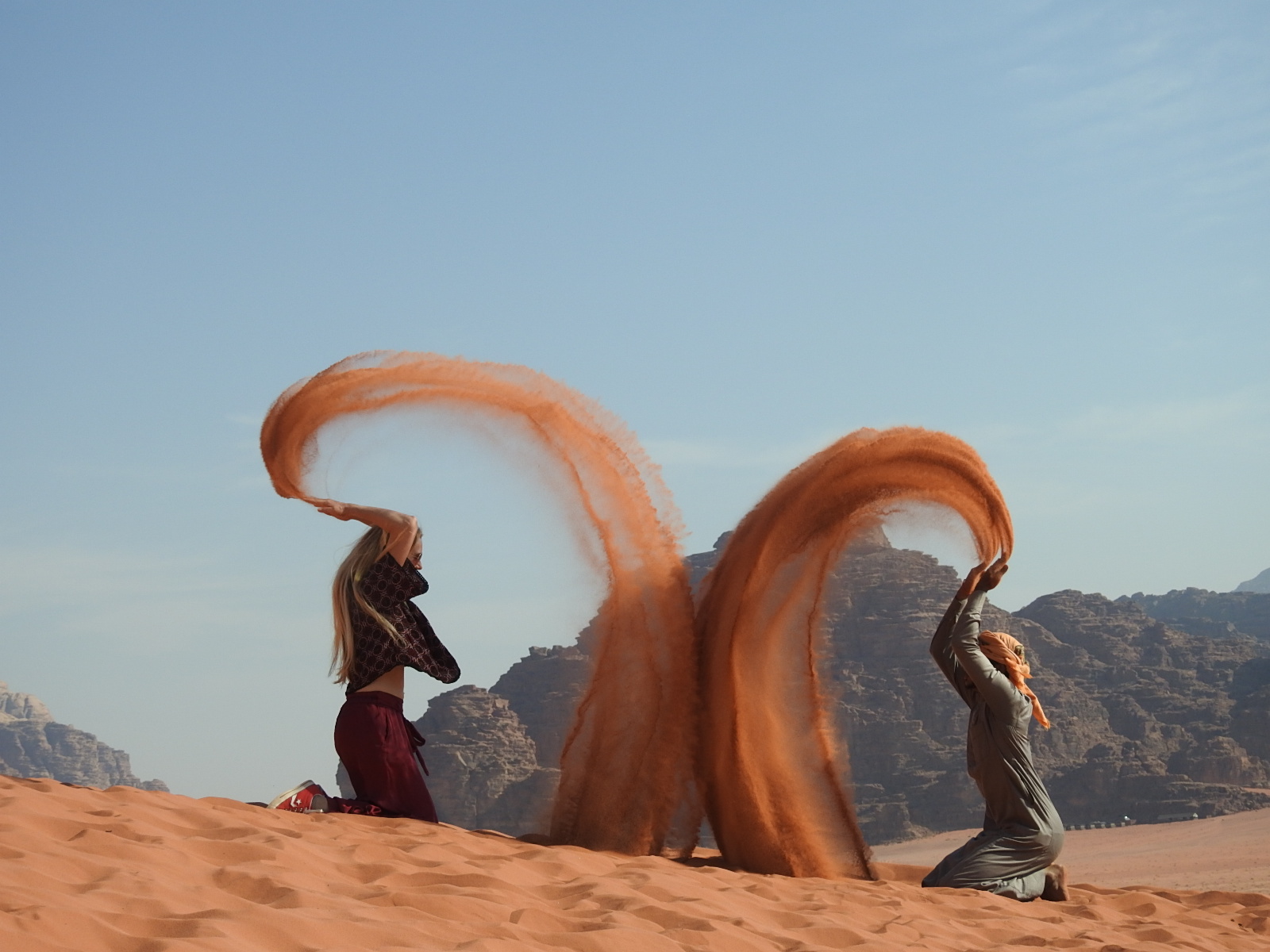
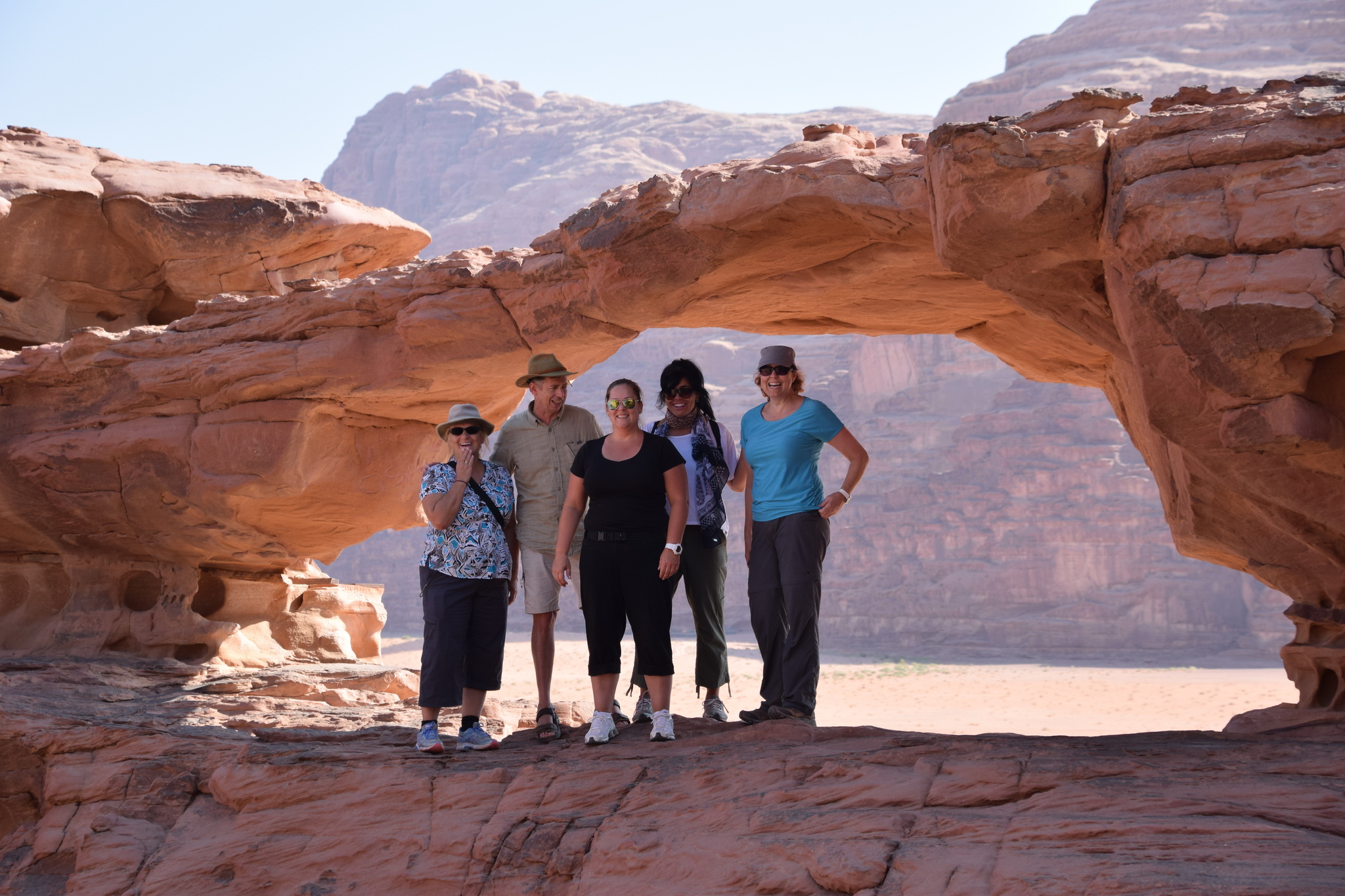
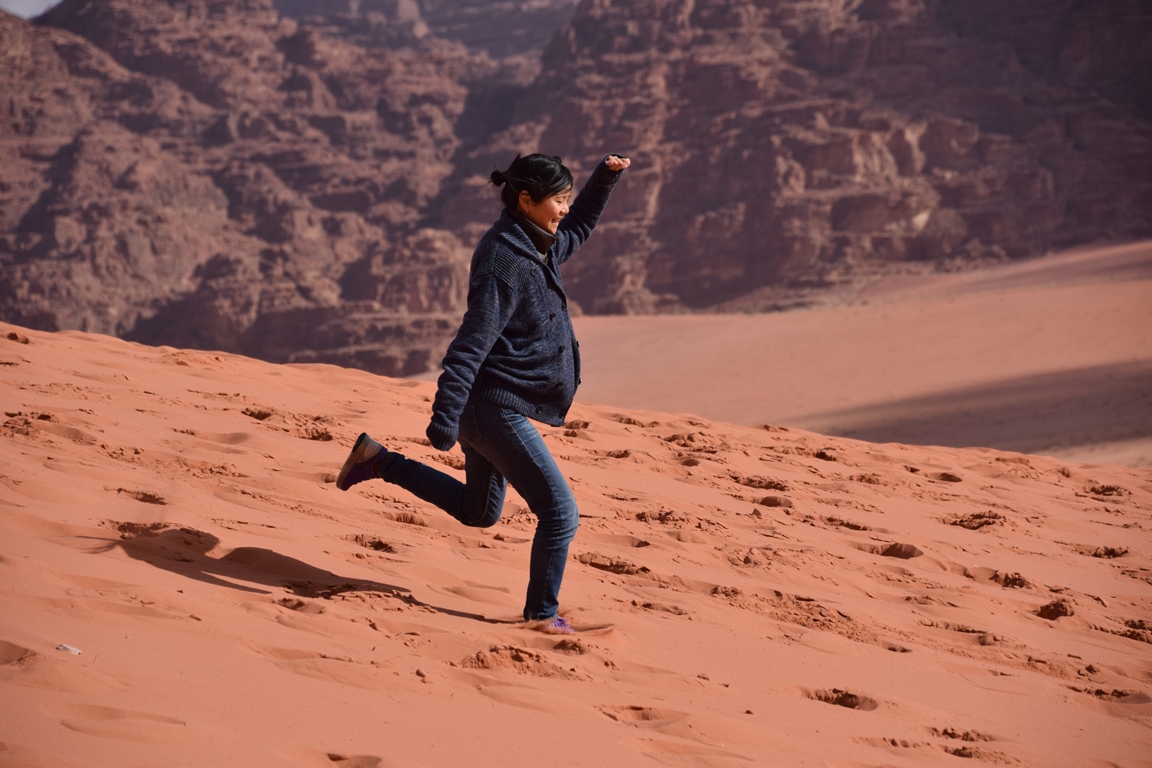
Jordan is home to some of the most breathtaking sites in the world. A visit to Petra, the ancient city carved into rose-red cliffs, is an absolute must. Travelers can explore the Siq, a narrow gorge leading to the iconic Treasury, and spend hours wandering the ruins of this UNESCO World Heritage site. For those seeking adventure, Wadi Rum offers stunning desert landscapes that are perfect for hiking, rock climbing, and overnight camping under the stars. The unique rock formations and vastness of the desert make it a favorite for adventure enthusiasts. Additionally, the Dead Sea provides a unique experience with its mineral-rich waters that allow visitors to float effortlessly, making it a popular spot for relaxation and therapeutic treatments.
Amman, the capital, is vibrant with a mix of modernity and tradition. Explore the ancient Roman theater and the Citadel, which offer insights into Jordan’s rich history. Jerash, with its well-preserved Roman ruins, is another highlight that showcases the grandeur of ancient architecture. Lastly, Aqaba, with its beautiful beaches and coral reefs, provides a perfect getaway for those looking to relax or engage in water sports. Each of these destinations offers unique experiences that cater to different interests, making Jordan a versatile destination for all types of travelers.
Best time to visit Jordan
The best time to visit Jordan typically falls during the spring (March to May) and autumn (September to November) months. During these seasons, the weather is milder and more pleasant for outdoor activities, making it ideal for exploring sites like Petra and Wadi Rum. Spring brings blooming wildflowers and comfortable temperatures, perfect for hiking and sightseeing. In contrast, the summer months can be extremely hot, especially in the desert regions, while winter can bring cooler temperatures, particularly in the north. Shoulder seasons not only provide better weather but also less crowded experiences at popular tourist attractions, enhancing your visit to this remarkable country.
More for travelers
When planning your trip to Jordan, it's essential to consider not just the major historical and natural attractions but also how these new developments in technology and space exploration can enhance your experience. Explore cities like Amman, where you can visit museums that may soon include exhibits about Jordan's role in space. In your downtime, try local cuisine—don’t miss the chance to dine at restaurants that serve traditional Jordanian dishes like mansaf or falafel. While in Amman, consider visiting the Royal Jordanian Geographic Society or the Jordan Museum, where you might find exhibitions related to Jordan's scientific advancements. Don't forget to look into outdoor activities in Wadi Rum or the Dead Sea, which are year-round attractions where you can relax and enjoy the unique landscapes of Jordan.
Sources
About Petra
How to Get to PetraTo visit Petra, you will first need to fly into Jordan, with Queen Alia International Airport in Amman serving as the main gateway. From Amman, it takes approximately two hours to reach Wadi Musa, the town adjacent to Petra. Wadi Musa is the closest point to the archaeological site, making it a convenient base for your exploration.For public transport, the Jett Bus company...