Jordan Tourism Thrives Amid Positive Developments in Regional Stability
Jordan continues to attract tourists as regional stability improves, with the recent agreement for the release of Yemeni detainees being a sign of diplomatic progress. This positive atmosphere encourages travelers to explore Jordan’s rich heritage and breathtaking landscapes.
What it means for travelers
The ongoing improvements in regional stability and diplomatic relations signal a safe environment for tourists to visit Jordan. Travelers can expect a warm welcome in a country known for its hospitality, allowing them to explore its iconic sites with peace of mind. With increased safety and an eagerness to showcase its cultural treasures, Jordan is poised to see a surge in tourism, making it an ideal time for travelers to plan their visit.
How it affects tours
Tour operators in Jordan are likely to see an uptick in bookings as travelers gain confidence in visiting the region. Group tours, private excursions, and tailored itineraries will become increasingly popular, catering to diverse traveler needs. As more visitors arrive, tours to major attractions like Petra, Wadi Rum, and the Dead Sea will offer enhanced experiences, including local guides who can provide insights into the rich history and culture of the area.
Actionable guidance
Travelers planning a trip to Jordan should keep an eye on the evolving regional situation, but current indications suggest that it is safe to travel now. Ensure you have the necessary visas and check the latest travel requirements before departing. For those looking to book their stay, consider reserving accommodations in advance, especially during peak tourist seasons. It is advisable to include a variety of activities in your itinerary, such as a Petra day tour, a Wadi Rum desert adventure, and relaxation time at the Dead Sea to experience the best that Jordan has to offer.
Best places to visit in Jordan
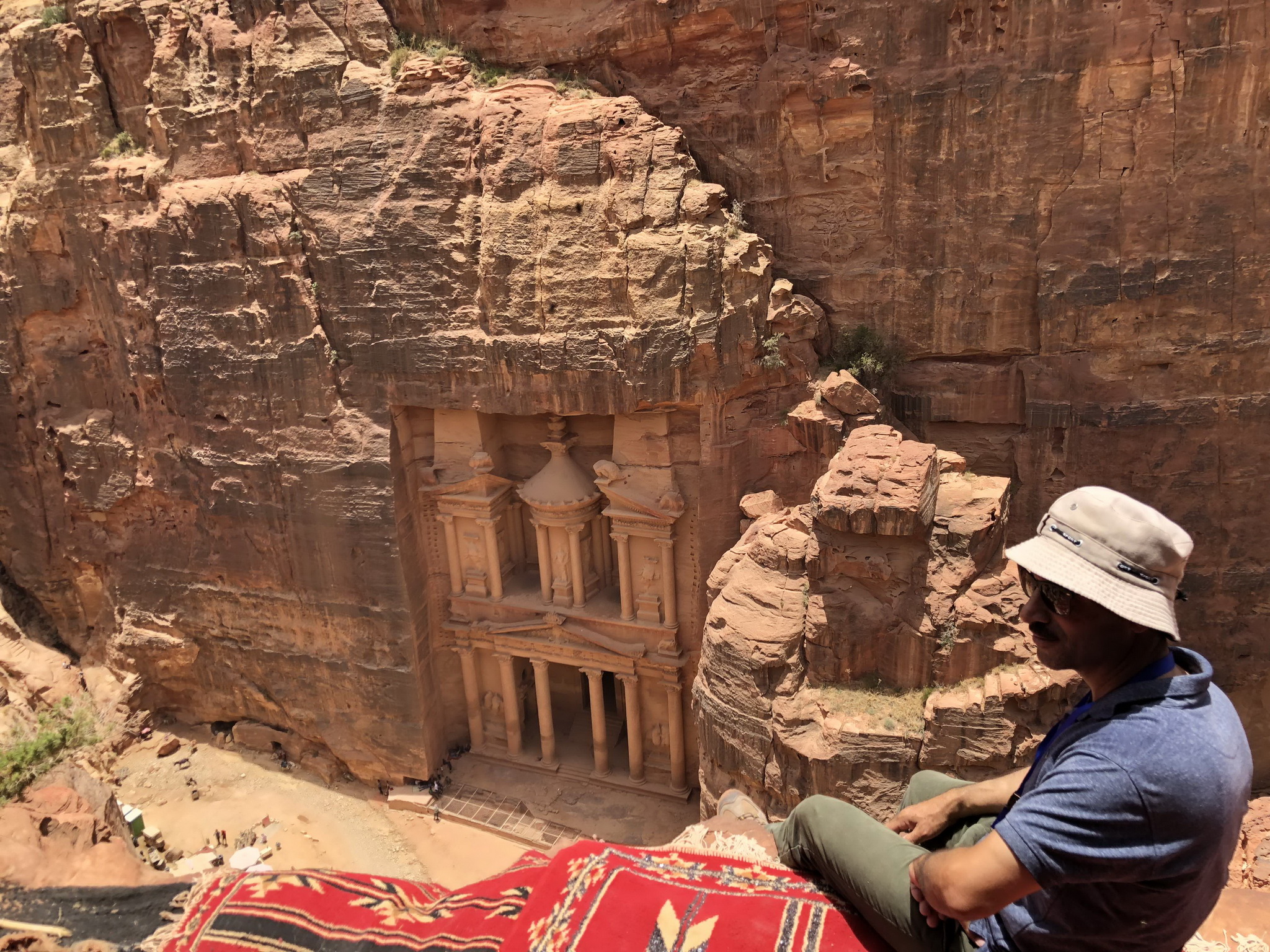
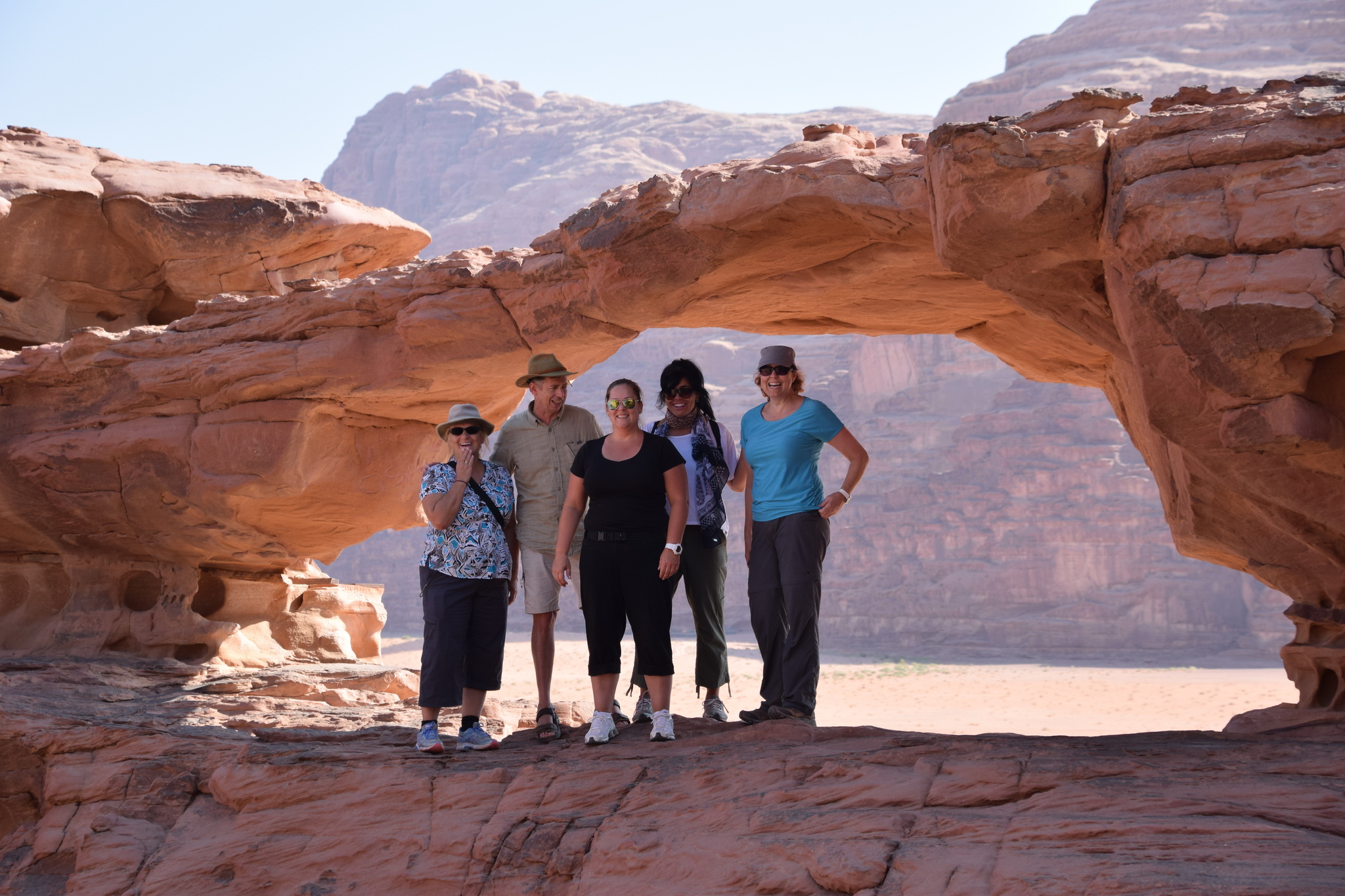
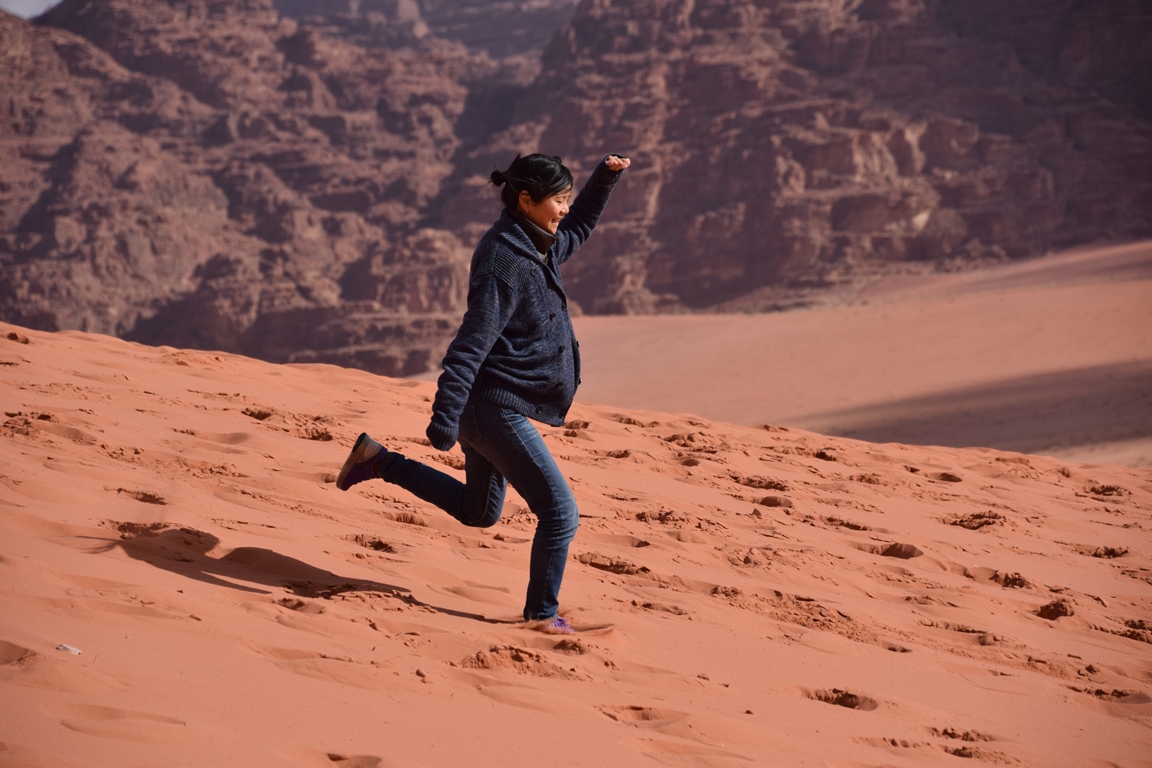
Jordan is home to some of the world's most remarkable attractions. Petra, often referred to as the 'Rose City', is a UNESCO World Heritage Site known for its stunning rock-cut architecture and water conduit system. Visitors can explore the Siq, a narrow gorge that leads to the Treasury, and hike to the Monastery for breathtaking views. Wadi Rum, a vast desert wilderness, captivates adventurers with its dramatic sandstone mountains and serene landscapes, perfect for jeep tours, camel rides, or stargazing under the clear desert sky.
The Dead Sea offers a unique experience with its hypersaline waters, allowing visitors to float effortlessly while enjoying the therapeutic benefits of the mineral-rich mud. Amman, the capital city, blends ancient history with modern culture; sights like the Roman Theatre and Amman Citadel showcase its rich past. Jerash, with its well-preserved Roman ruins, and Aqaba, known for its vibrant coral reefs and diving spots, are also must-visit destinations that highlight the diversity of attractions available in Jordan.
Best time to visit Jordan
The best time to visit Jordan typically falls between March to May and September to November, when the weather is mild and perfect for outdoor activities. Spring blooms across the landscape, creating a picturesque backdrop for exploring historical sites like Petra and Jerash. Autumn also offers pleasant temperatures, making it ideal for desert adventures in Wadi Rum. Summer can be quite hot, especially in regions like the Dead Sea, where visitors may prefer to enjoy the cooler mornings and evenings. Winter offers a unique perspective, with fewer crowds and the possibility of visiting Petra in a serene atmosphere, though temperatures can drop significantly.
More for travelers
When visiting Jordan, don’t miss the chance to try traditional Jordanian cuisine. Dishes like Mansaf, a lamb and rice dish served with yogurt sauce, and Falafel, are local favorites that you will find in restaurants and street vendors. For an authentic experience, dine at local eateries where you can savor the flavors of Jordan in a vibrant atmosphere. Additionally, exploring local markets, or souks, can provide insights into Jordanian culture and allow you to purchase unique souvenirs to remember your trip.
Sources
About Dead Sea
Getting from Aqaba to the Dead Sea The distance from Aqaba to the Dead Sea is approximately 170 miles (273 km), making for a scenic three-hour drive along Route 65. Travelers can choose between private transfers, taxis, or buses, each offering a different experience. For those pressed for time, a private transfer or taxi is the best option, while budget travelers might consider the longer bus...