Jordans Agricultural Sector Thrives, Boosting Tourism Potential
Jordan's agricultural exports have reached record highs, signaling a robust economic performance that could enhance tourism offerings. With increased agricultural output, travelers can expect fresher, locally-sourced food during their Jordan trip, enriching their cultural experience. This growth not only supports local farmers but also offers a glimpse into the vibrant agricultural landscape of Jordan, inviting tourists to explore rural areas alongside iconic attractions.
What it means for travelers
The growth of Jordan's agricultural sector means that visitors can anticipate a more authentic culinary experience. As local produce becomes more readily available, travelers can indulge in traditional Jordanian dishes made with fresh ingredients. This development also highlights the potential for agritourism, encouraging tourists to explore rural Jordan, participate in farm tours, and enjoy regional food festivals. For those planning a trip to Jordan, this adds a unique dimension to their itinerary, allowing them to connect with local culture in a deeper way.
How it affects tours
Tour operators may begin to incorporate visits to local farms and markets into their itineraries, offering tourists a chance to engage with the agricultural community. This could involve guided tours that showcase the farming process, cooking classes featuring local ingredients, and tastings of traditional dishes. Additionally, the growing interest in sustainability and local sourcing in tourism could lead to more eco-friendly tours, emphasizing the importance of supporting local economies and preserving Jordan's natural beauty. Travelers can expect new options that enhance their understanding of Jordanian culture and lifestyle.
Actionable guidance
Travelers planning a visit to Jordan should consider exploring the agricultural regions, particularly during harvest seasons. Engaging with local farmers and markets will provide a firsthand experience of Jordan's agricultural heritage. Look for tours that highlight local cuisine, such as cooking classes or food festivals, to savor the flavors of Jordan. Additionally, staying in locally-owned accommodations can further support the agricultural sector and enhance your travel experience. Always check with your tour operator for any new offerings that focus on agritourism and local produce.
Best places to visit in Jordan
When visiting Jordan, there are several must-see destinations that showcase the country's rich history, stunning landscapes, and unique culture. Petra, the jewel of Jordan, is renowned for its rock-cut architecture and water conduit system, earning it a spot as one of the New Seven Wonders of the World. A visit to Petra is best experienced by taking a guided tour, allowing you to learn about its fascinating history while witnessing its breathtaking beauty. The best time to visit Petra is during spring (March to May) and autumn (September to November), when the weather is mild and ideal for exploring this ancient city.
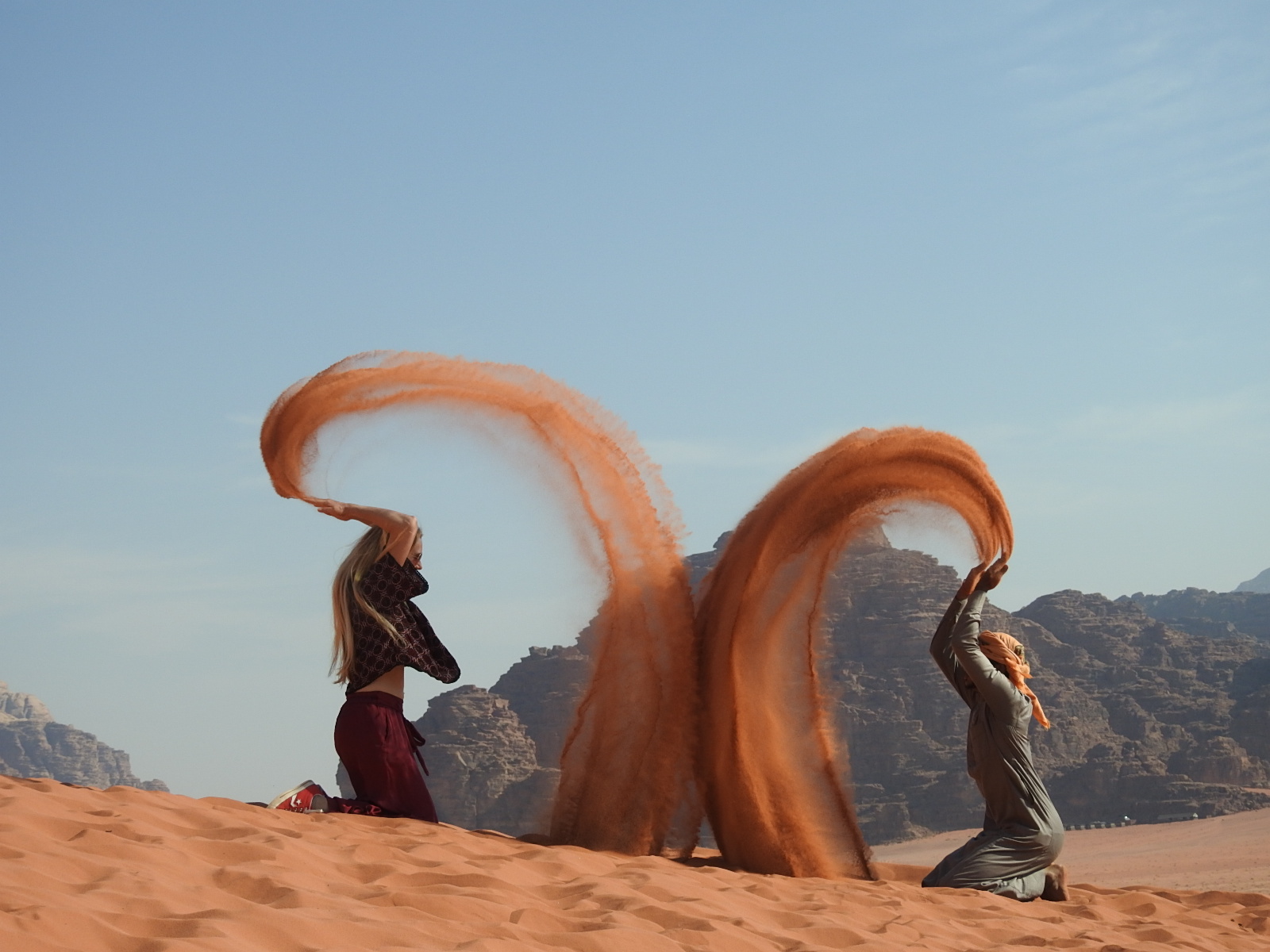
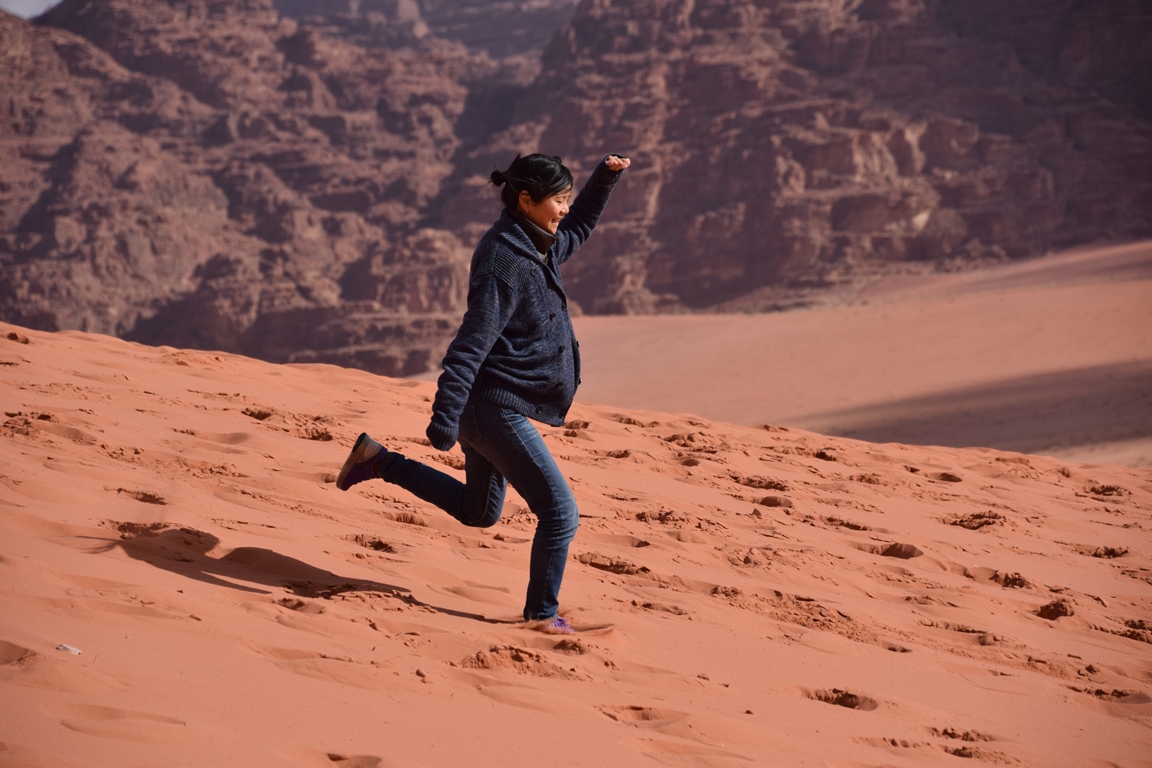
Wadi Rum, often called the Valley of the Moon, offers a mesmerizing desert landscape of sandstone mountains and red dunes. Visitors can embark on a Wadi Rum desert tour, with options for jeep rides, camel treks, or even an overnight camping experience beneath the stars. The stunning sunsets and sunrises here are unforgettable, and the best time to visit is during the cooler months from October to April. For those looking to relax, the Dead Sea is another highlight, where you can float effortlessly in its salty waters and enjoy spa treatments utilizing its mineral-rich mud. The Dead Sea is best visited during spring and autumn, as the temperatures are more pleasant for outdoor activities.
Best time to visit Jordan
The best time to visit Jordan is during the spring (March to May) and autumn (September to November) when the weather is generally mild and comfortable for travel. During these months, you can enjoy exploring historical sites such as Petra and Jerash without the scorching heat of summer. The shoulder seasons are also ideal for enjoying outdoor activities in Wadi Rum and relaxing at the Dead Sea. Summer months can be quite hot, especially in desert areas, while winter can be chilly, particularly in northern regions. Therefore, planning your trip around these peak and shoulder seasons will enhance your experience in Jordan.
More for travelers
For those interested in agritourism, consider visiting the Jerash area, known for its fertile land and variety of crops. Participating in a farm tour here can provide insights into traditional farming methods and the significance of agriculture in Jordanian culture. Another great spot is the Madaba region, where travelers can enjoy local produce in restaurants, often prepared in traditional ways. Dining in local establishments not only supports the economy but also allows travelers to enjoy authentic Jordanian cuisine. Don't miss trying dishes like Mansaf, a traditional lamb dish served with rice and yogurt, made even more delightful with fresh, local ingredients.
Sources
About Petra
Day 1: Arrive in AmmanYour adventure begins at Queen Alia International Airport, where you’ll be greeted by your driver for a seamless transfer to Amman, the capital city of Jordan. Depending on your arrival time, take the opportunity to explore this vibrant metropolis. Start your journey in Jabal Weibdeh, the oldest neighborhood in Amman, where you can wander through charming streets filled...