Jordans Commitment to Economic Integration Boosts Tourism Prospects
Jordan is reaffirming its dedication to enhancing pan-Arab economic integration, which is expected to positively impact tourism. This initiative aims to bolster regional cooperation and attract more visitors to Jordan's iconic destinations, promising a boost in travel experiences and opportunities for foreign tourists.
What it means for travelers
This renewed commitment from Jordan's government signals a stable and welcoming environment for tourists. With a focus on economic integration, travelers can anticipate improved infrastructure, increased collaboration among neighboring countries, and enhanced travel packages that make exploring Jordan's wonders even more accessible. As the country positions itself as a central hub in the region, visitors may find new routes and packages that connect them with other Arab destinations, enriching their overall travel experience. Additionally, this initiative highlights Jordan's proactive approach to ensure that the tourism sector remains robust and traveler-friendly.
How it affects tours
The emphasis on economic integration is likely to lead to more coordinated tours that encompass not only Jordan's stunning sites but also extend to neighboring countries. Tour operators can expect to develop new itineraries that include shared experiences across borders, enhancing the allure of a Jordan trip. For instance, travelers can now look forward to packages that incorporate visits to the ancient ruins of Petra and the vibrant markets of Amman, alongside excursions to nearby destinations like Jerusalem or Cairo. This integrated tourism approach will provide travelers with a richer cultural experience and seamless travel arrangements.
Actionable guidance
Travelers planning a trip to Jordan should stay informed about potential new tour offerings that arise from this economic integration initiative. It's advisable to check with tour providers for updated itineraries that may now include cross-border experiences. When booking tours, consider the advantages of private tours or group tours that can offer unique insights into Jordan's history and culture as well as the broader context of the region. For those concerned about safety, the Jordanian government remains committed to ensuring the safety of tourists, making it an appealing destination in the Middle East.
Best places to visit in Jordan
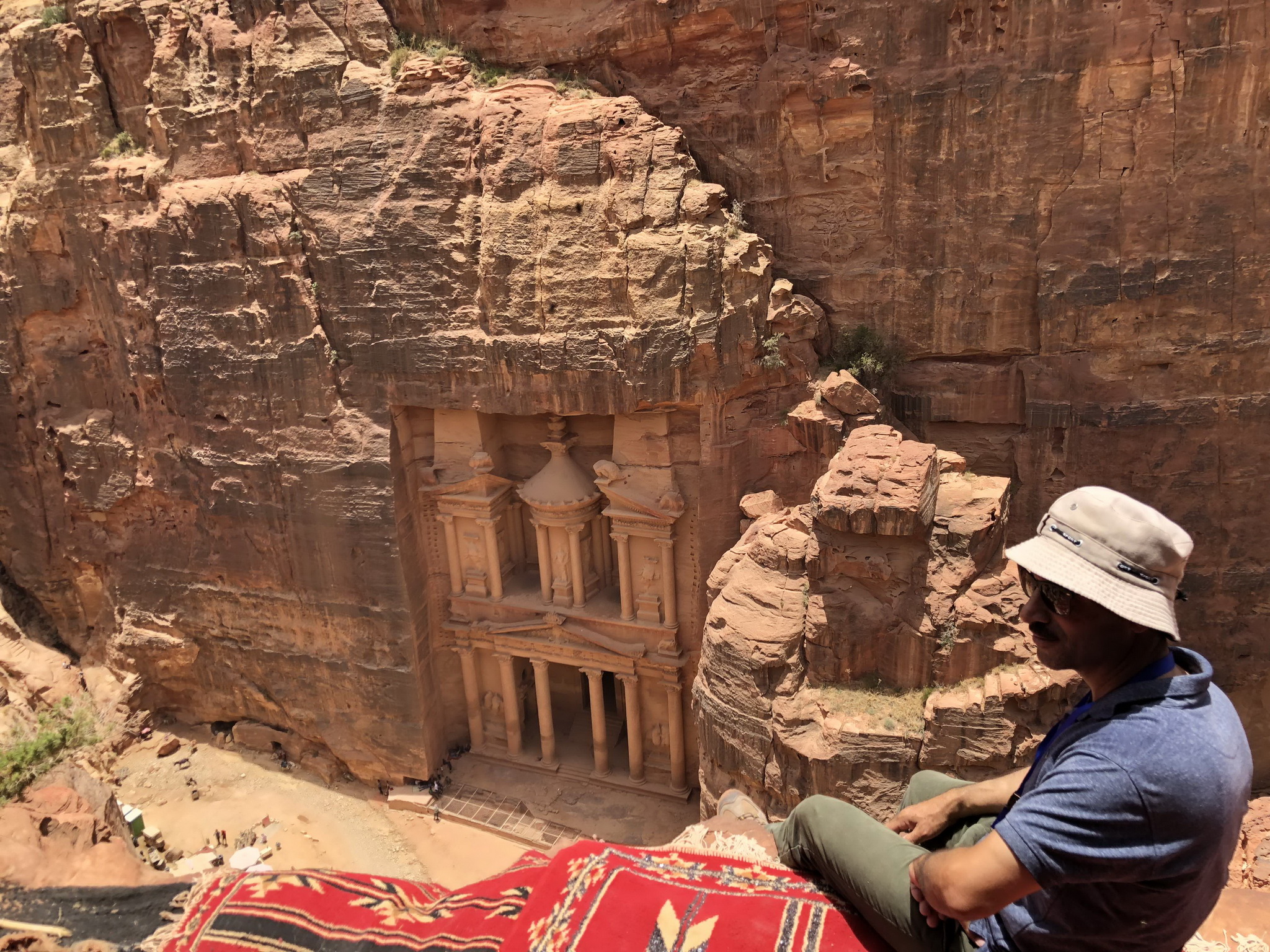
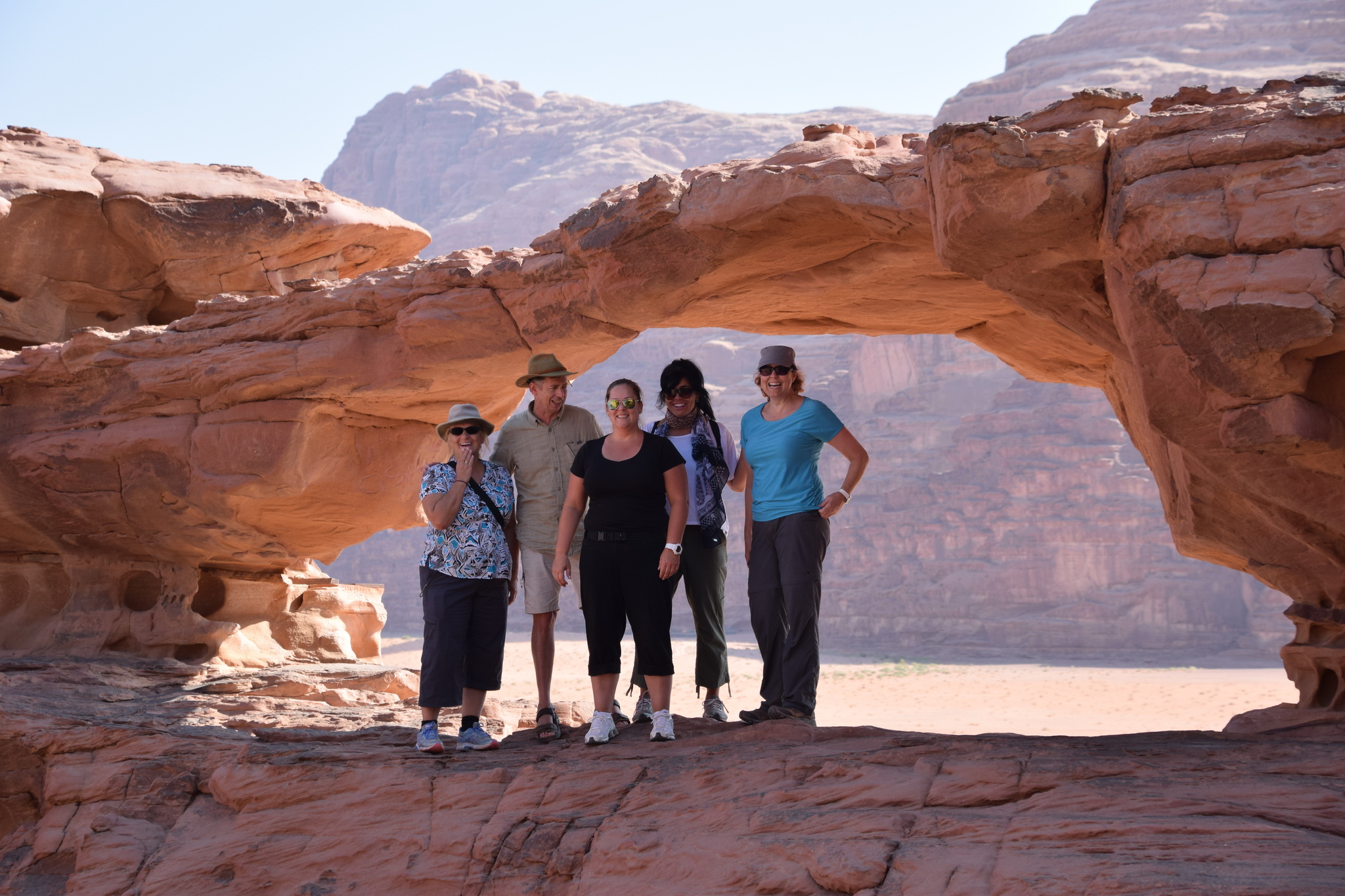
Jordan is home to some of the most extraordinary destinations, each offering unique experiences for travelers. **Petra**, known as the 'Rose City,' is a UNESCO World Heritage Site that boasts stunning rock-cut architecture and water conduit system, making it a must-visit. The most iconic structure is Al-Khazneh, or the Treasury, which impresses with its intricate facade. Visitors can explore the vast archaeological site by foot or horseback, and guided tours can provide deeper insights into its historical significance. **Wadi Rum**, often referred to as the 'Valley of the Moon,' captivates with its dramatic desert landscapes. Travelers can embark on a Wadi Rum desert tour, where they can enjoy jeep safaris, hot air balloon rides, and overnight camping under the stars, experiencing the Bedouin culture firsthand. **The Dead Sea** is another highlight, known for its salty waters that allow visitors to float effortlessly. The therapeutic properties of the mineral-rich mud provide a relaxing spa experience, making it an ideal spot for wellness enthusiasts. In addition, **Amman**, the capital, is rich in history with sites like the Roman Theatre and the Citadel, offering a glimpse into the ancient past amidst a vibrant modern city. Don't miss **Jerash**, home to some of the best-preserved Roman ruins in the world, where massive colonnaded streets and temples create a splendid backdrop for exploration. Lastly, **Aqaba**, Jordan's only coastal city, is perfect for sun-seekers and water sports lovers, with its beautiful beaches and opportunities for diving and snorkeling in the Red Sea.
Best time to visit Jordan
The best time to visit Jordan generally falls between March and May (spring) and September to November (autumn), when the weather is pleasantly mild, making it ideal for outdoor exploration. Spring brings blooming wildflowers that add to the natural beauty of Petra and Wadi Rum, while autumn offers comfortable temperatures for hiking and sightseeing. Conversely, the summer months can be quite hot, especially in the desert areas, so visitors should prepare for high temperatures and stay hydrated. The Dead Sea can be enjoyed year-round due to its unique climate, but many travelers prefer to visit during the cooler months, ensuring a more comfortable experience while relaxing by its shores.
More for travelers
Visitors to Jordan should not miss out on the rich culinary experiences available throughout the country. Traditional dishes such as mansaf (lamb cooked in yogurt) and mezze (a variety of small dishes) offer a taste of Jordanian hospitality. Additionally, exploring local markets can provide an authentic shopping experience, where travelers can purchase handmade crafts and spices unique to the region. When planning your visit, consider making reservations at popular restaurants in cities like Amman and Aqaba to ensure you sample the best local cuisine. Moreover, staying connected with local tourism boards will help you discover any upcoming festivals or events that could enhance your journey through Jordan.
Sources
About Petra
Visiting Petra: An OverviewPetra, a UNESCO World Heritage site, is often described as one of the most breathtaking archaeological wonders in the world. Known for its stunning rock-cut architecture, it offers an exciting exploration for families. As you enter through the Siq, a narrow canyon, the anticipation builds until you catch your first glimpse of the iconic Treasury, a sight that feels...