Jordans Cultural Renaissance - A Focus on Ammans Rich History
The recent conclusion of the 'Jordanian Narrative Dialogues' program highlights the importance of Amman's history and its cultural heritage, fostering tourism growth in the region. This initiative aims to promote Jordan’s historical significance, which is crucial for travelers looking to explore the depth of the nation’s past.
What it means for travelers
For travelers, this renewed focus on Amman's history presents an exciting opportunity to delve deeper into the cultural narratives that shape Jordan today. With a variety of events and discussions around historical themes, visitors can gain a richer understanding of the local culture and heritage. This is particularly appealing for those interested in cultural tourism, as it underscores the value of engaging with the local community and its stories. Travelers can expect a more vibrant atmosphere in the capital, with potential new tours and experiences that highlight the city’s historical landmarks.
How it affects tours
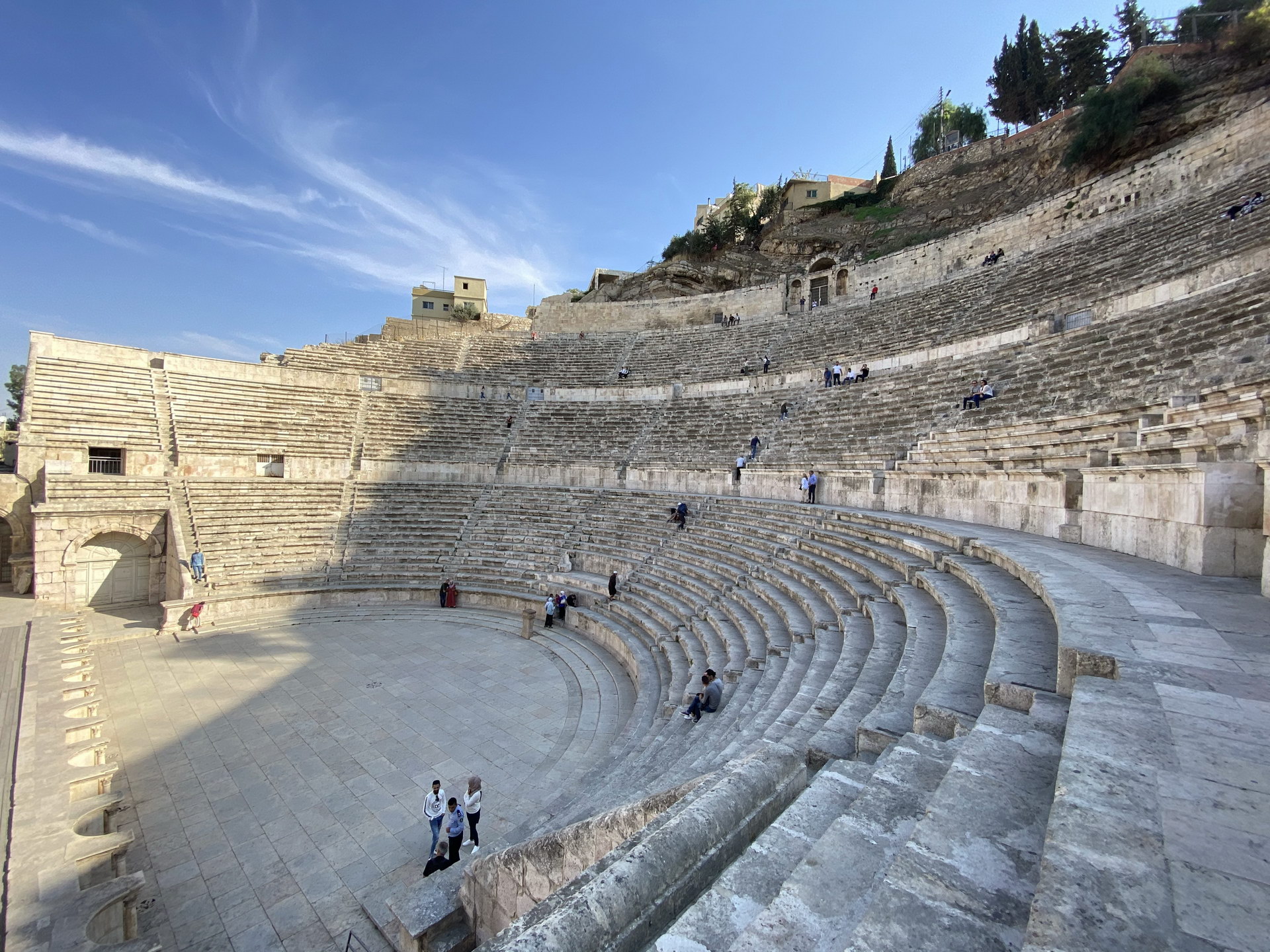
As a result of this cultural renaissance, many tour operators are likely to incorporate more historical and narrative-focused elements into their offerings. This means that visitors may have access to specialized tours that focus on Amman's history, including visits to significant sites like the Roman Theatre and the Citadel. Such tours may also include talks from local historians or experts, providing an engaging way to learn about the city’s past. Visitors planning their trip can look forward to enhanced experiences that connect them more deeply with Jordanian culture and history.
Actionable guidance
Travelers planning a trip to Jordan should consider adding Amman to their itinerary, especially if they are interested in history and culture. When visiting, allocate time to explore the city's various historical sites. Start at the Roman Theatre, which is not just an architectural marvel but a testament to the city’s ancient past. Next, head to the Citadel, where you can explore the remains of ancient civilizations and enjoy panoramic views of the city. It’s advisable to join a guided tour for an in-depth understanding of the significance of each site. Additionally, be sure to check local event calendars for any ongoing cultural events or exhibitions during your visit, as these can greatly enrich your experience.
Best places to visit in Jordan
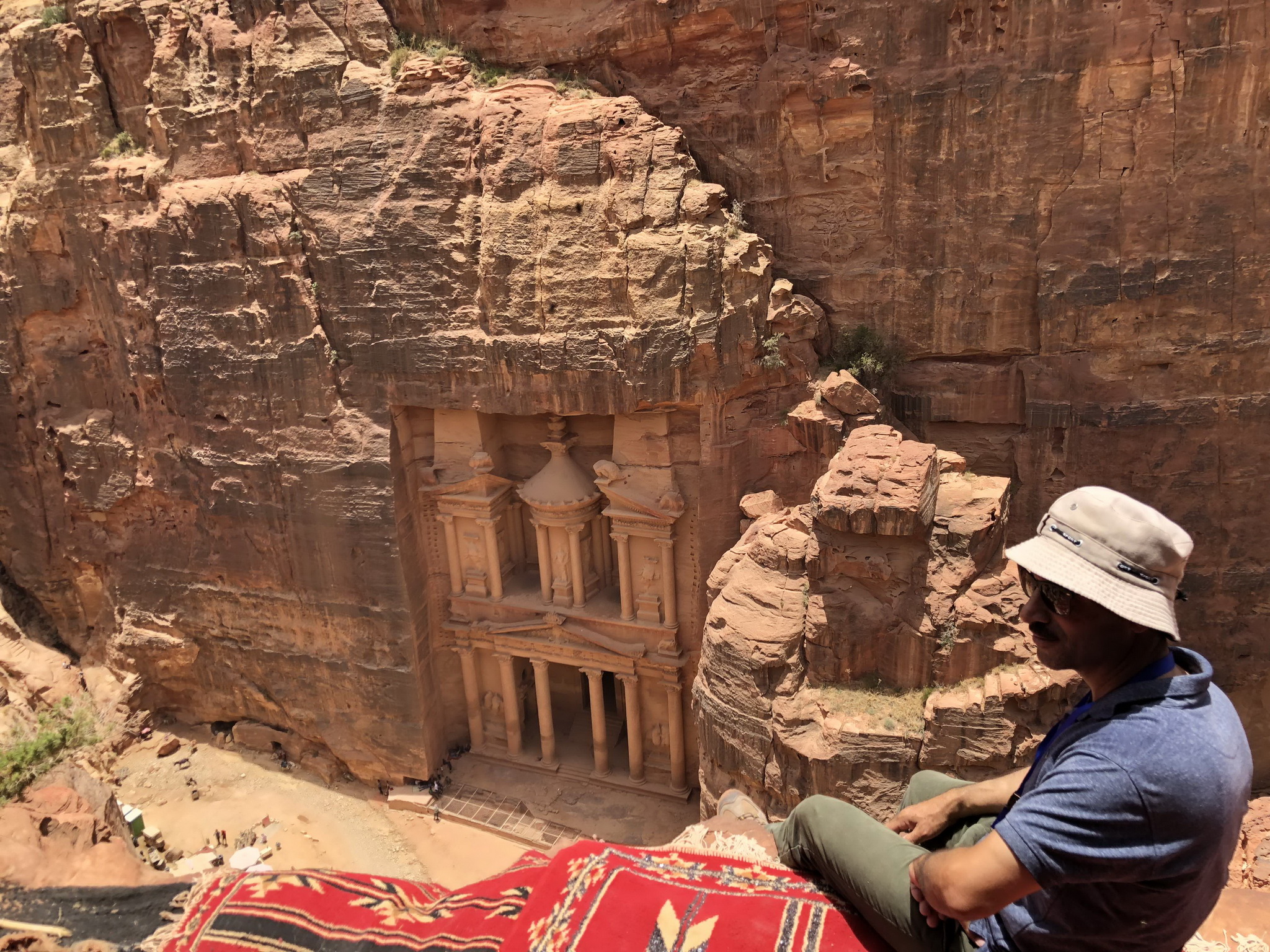
Petra, often referred to as the 'Rose City,' is undoubtedly a must-see during any Jordan trip. This UNESCO World Heritage Site, famous for its stunning rock-cut architecture and water conduit system, offers visitors a glimpse into the Nabatean civilization. A Petra visit typically involves a full day of exploring its ancient ruins, including the iconic Treasury and the Monastery. For the best experience, aim to visit during the shoulder seasons of spring (March to May) or autumn (September to November) when temperatures are mild.
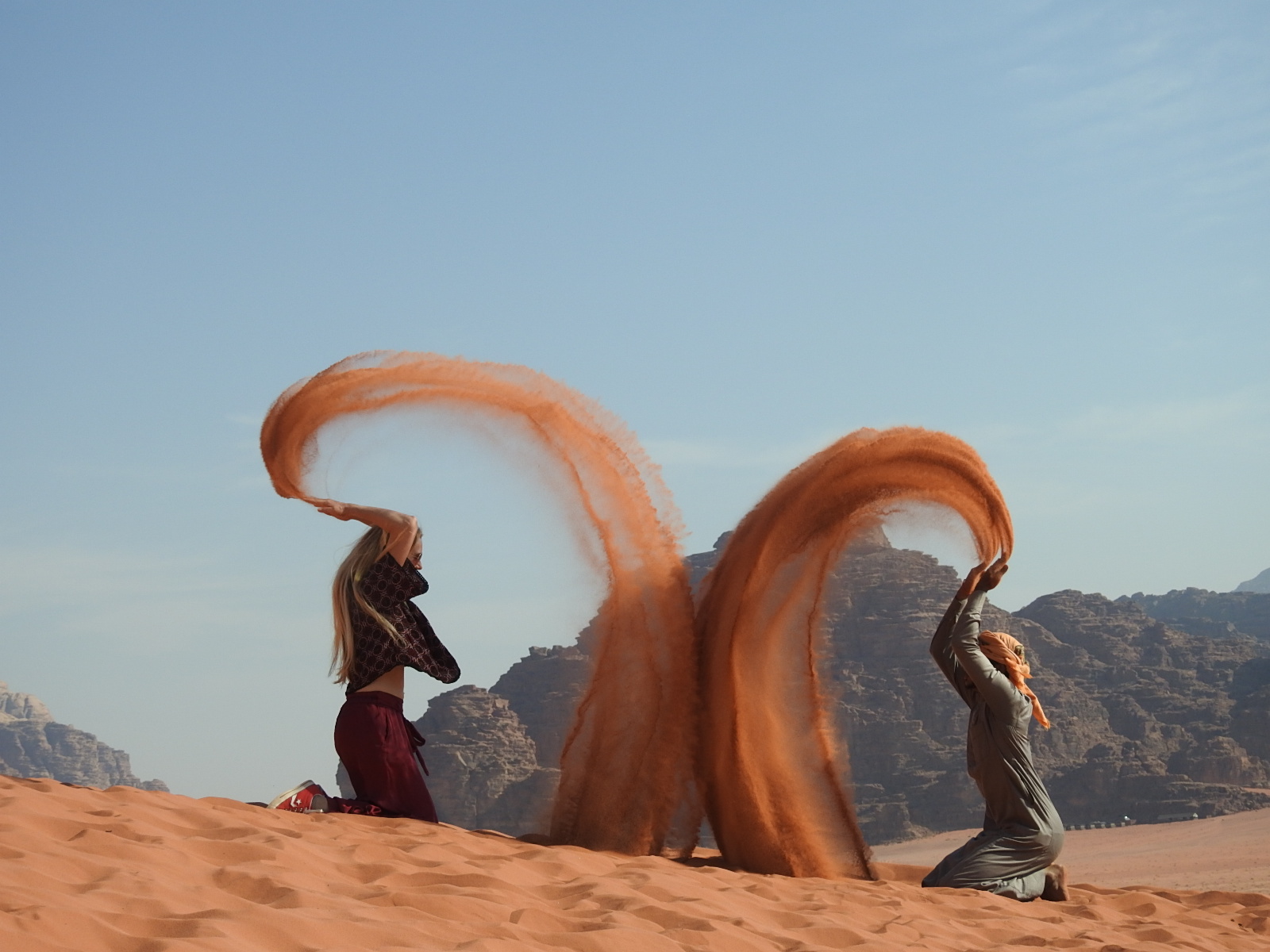
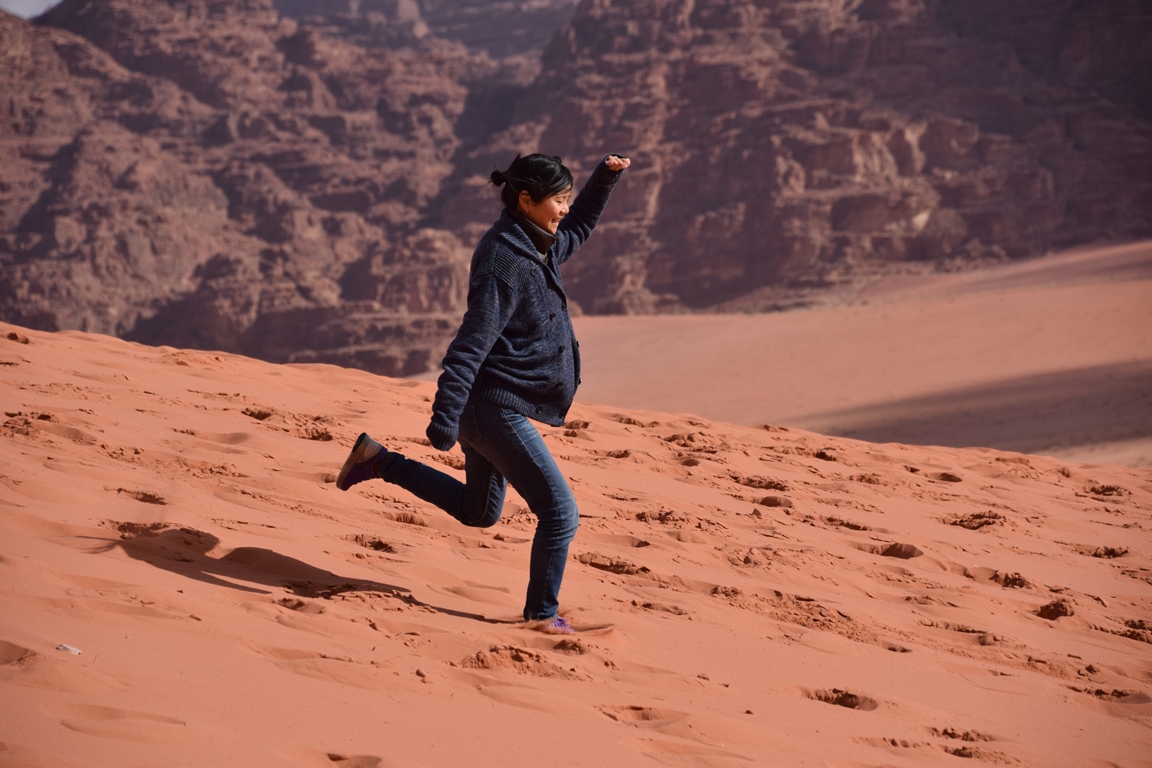
Wadi Rum, known for its dramatic landscapes and desert vistas, provides an entirely different experience. Visitors can embark on a Wadi Rum desert tour, enjoying activities like jeep rides, camel treks, or even overnight camping under the stars. This is an excellent spot for adventure enthusiasts and those looking to experience Jordan's natural beauty. The best time to visit Wadi Rum is also during the cooler months, making spring and autumn ideal for outdoor activities.
Don’t overlook the Dead Sea, where you can float in its famously saline waters and indulge in spa treatments. The climate is pleasant year-round, but the peak tourist season runs from October to April, so plan your visit accordingly for a more relaxed experience. Amman, with its blend of ancient history and modern vibrancy, serves as a great base for exploring these destinations.
Best time to visit Jordan
The best time to visit Jordan is during the spring (March to May) and autumn (September to November) months. These seasons offer pleasant weather, making it ideal for extensive outdoor exploration, especially at sites like Petra and Wadi Rum. Summer can be extremely hot, particularly in desert areas, while winter may bring cooler temperatures and occasional rain. For beach lovers, Aqaba and the Dead Sea are attractive year-round, with warm weather making them ideal for relaxation and water activities even in the cooler months. Keep in mind that the peak tourist season can lead to crowded sites, so consider traveling during the shoulder seasons for a more intimate experience.
More for travelers
While in Amman, don’t miss the chance to explore local markets, where you can experience the vibrant culture firsthand. Places like the Souk Jara and the Al-Balad area offer a mix of shopping and local cuisine. Try traditional dishes such as Mansaf, Jordan’s national dish, or sample local sweets like Knafeh. If you're looking for a more immersive experience, consider participating in a cooking class or cultural workshop to learn about Jordanian traditions. Moreover, for those venturing beyond Amman, a day trip to Petra or an adventure in Wadi Rum can be seamlessly integrated into your travel plans, making for a well-rounded Jordan trip.
Sources
About Amman
Exploring Petra and Wadi Rum Tours from AmmanPetra and Wadi Rum stand as the jewels of southern Jordan. These breathtaking sites captivate visitors with their stunning landscapes and rich history. Choosing to explore these destinations together is a popular choice for travelers arriving in Amman. Here’s a comprehensive guide on various tour formats, what to expect at each location, and...