Jordans New National Narrative Project Enhances Cultural Tourism

A new initiative in Jordan aims to promote national identity while boosting tourism through the preservation of the country's rich history and cultural heritage. This project seeks to engage travelers by highlighting the unique stories and traditions that define Jordan.
What it means for travelers
For travelers planning a visit to Jordan, this project signifies an enhanced experience that goes beyond typical tourist attractions. It offers deeper insights into the local culture, fostering a connection between visitors and the heritage of the region. As travelers embark on their journeys, they can expect to encounter more immersive and informative experiences that celebrate Jordan’s diverse history and storytelling traditions, making their trip to Jordan even more enriching.
How it affects tours
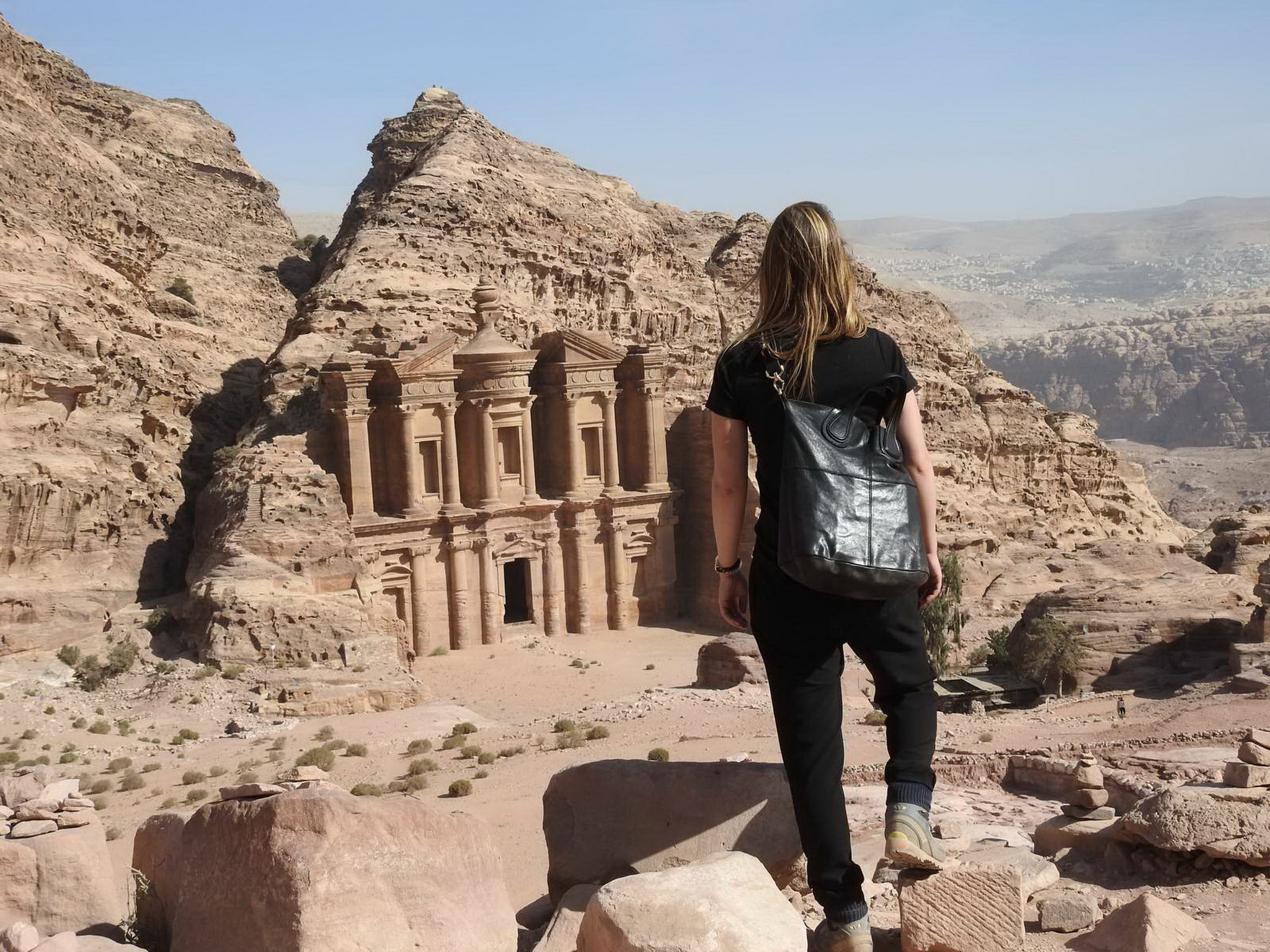
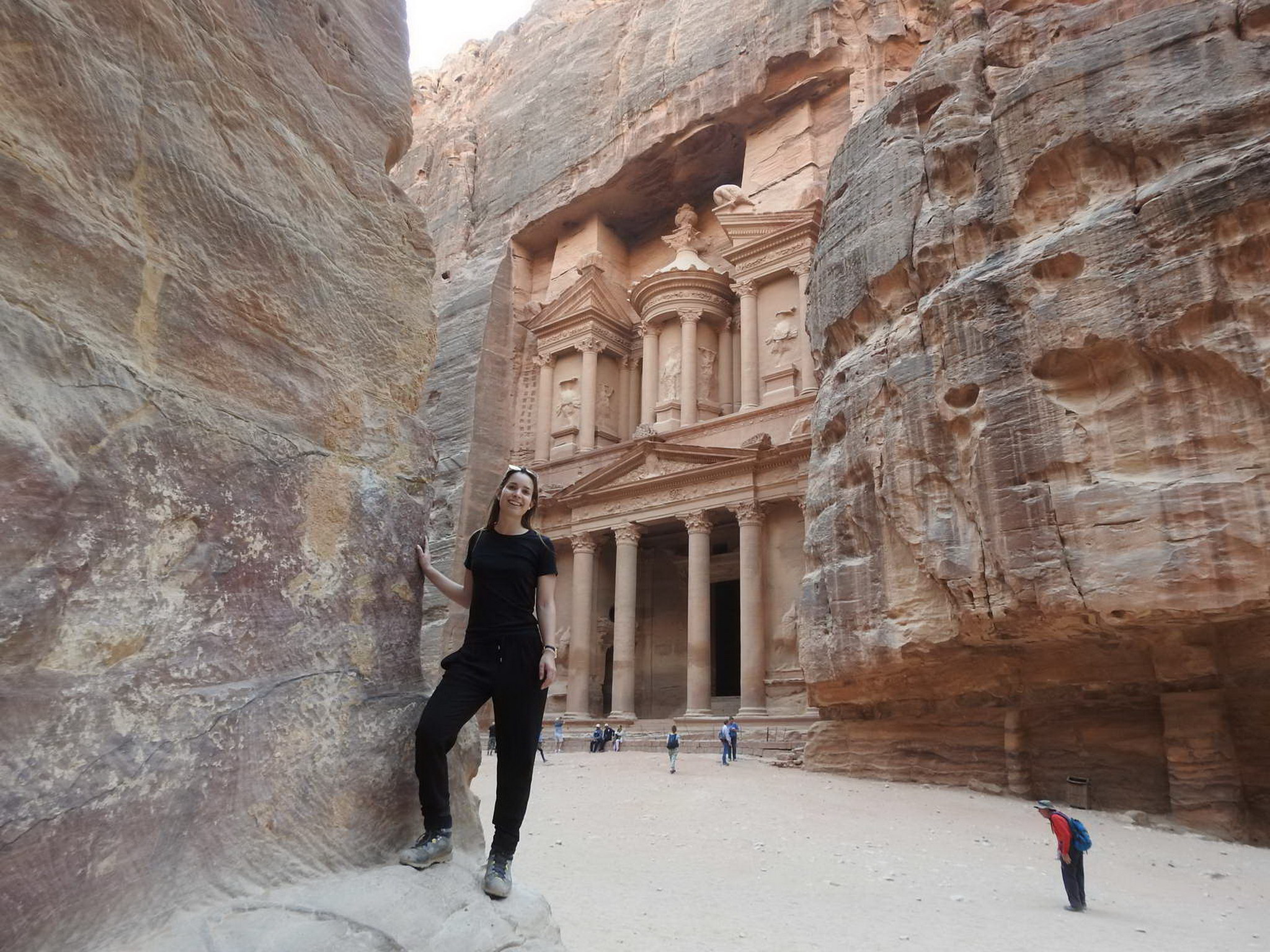
Tour operators in Jordan are likely to incorporate elements of this national narrative into their itineraries. Expect to see more themed tours that focus on cultural heritage, local legends, and historical narratives. This could lead to the creation of new tours specifically designed to explore the stories behind famous landmarks such as Petra, the Roman ruins of Jerash, and the vibrant streets of Amman. By integrating this narrative into tours, travelers can engage with the rich tapestry of Jordanian culture on a deeper level, making their visits more meaningful.
Actionable guidance
When planning a trip to Jordan, consider seeking out tours that emphasize cultural narratives and local experiences. Look for local guides who are knowledgeable about the history and stories of the areas you visit. Additionally, engaging with local communities through workshops or cultural events can enhance your understanding of Jordanian life. Be sure to check current travel requirements and safety guidelines to ensure a smooth journey. As always, maintaining respect for the local culture and traditions will enrich your experience while visiting Jordan.
Best places to visit in Jordan
No trip to Jordan is complete without visiting Petra, often referred to as the 'Rose City' due to the color of its stone. This archaeological wonder features stunning rock-cut architecture and water conduit systems, making it one of the New Seven Wonders of the World. To fully appreciate Petra, consider joining a guided tour that can unveil the history and significance of this ancient city, or take a night tour to witness the beauty of Petra illuminated by lanterns. The ideal time to visit is during spring or autumn when temperatures are mild, allowing for comfortable exploration.
Known as the 'Valley of the Moon,' Wadi Rum is famed for its dramatic sandstone mountains and vast desert landscapes. A visit to this UNESCO World Heritage site offers opportunities for adventure, such as jeep tours, camel rides, or hiking. For the adventurous, consider an overnight tour to sleep under the stars in a traditional Bedouin camp. The best time to visit Wadi Rum is between October and April when the weather is cooler and perfect for outdoor activities.
The Dead Sea, famous for its unique saline waters, is the perfect destination for relaxation and rejuvenation. Visitors can enjoy floating effortlessly in the mineral-rich waters, known for their therapeutic properties. The best time to visit is during the cooler months, particularly from March to May and September to November, when the weather is ideal for both swimming and enjoying nearby spa facilities. Don’t miss the chance to apply the famous Dead Sea mud for a natural spa experience.
Best time to visit Jordan
The best time to visit Jordan varies by region and activity. Generally, spring (March to May) and autumn (September to November) are considered ideal for most travelers, offering pleasant weather and fewer crowds. During these months, you can explore the archaeological sites like Petra and Jerash, hiking in Wadi Rum, or floating in the Dead Sea without the extreme heat of summer. Winter months can be cooler, particularly in northern regions, but are still suitable for a visit, especially for those looking to avoid the peak tourist season.
More for travelers
Travelers should also explore various local culinary experiences to truly appreciate Jordanian culture. Trying traditional dishes such as Mansaf (lamb cooked in yogurt sauce) or Maqluba (a flavorful rice dish) can provide a delightful taste of the region. After indulging in local cuisine, consider visiting local markets or bazaars in Amman and other cities for a chance to purchase handcrafted souvenirs that reflect Jordan's artisanal heritage. Furthermore, participating in cultural workshops, such as pottery or weaving, can provide travelers with a hands-on experience of Jordan's rich traditions.
Sources
About Petra
How to Get to PetraTo visit Petra, you will first need to fly into Jordan, with Queen Alia International Airport in Amman serving as the main gateway. From Amman, it takes approximately two hours to reach Wadi Musa, the town adjacent to Petra. Wadi Musa is the closest point to the archaeological site, making it a convenient base for your exploration.For public transport, the Jett Bus company...