Jordans Stability Reaffirmed - A Safe Destination for Travelers

Japan's Ambassador to Jordan, Asari Hideki, recently emphasized Jordan's role as a pillar of stability in the Middle East, highlighting the importance of peace for regional tourism and safety. This endorsement is a positive signal for international travelers considering a trip to Jordan, particularly in light of recent global concerns regarding safety in the region.
What it means for travelers
The reaffirmation of Jordan's stability by an international figure like the Japanese ambassador is significant for travelers considering a visit. With safety being a primary concern for tourists today, this endorsement from a diplomatic source provides reassurance that Jordan remains a welcoming destination. Travelers can expect a rich cultural experience, historical sites, and breathtaking landscapes without the worry of instability that can plague other regions in the Middle East. The emphasis on Jordan’s role as an anchor of stability serves as an invitation for tourists to explore the country's treasures, including Petra, the Dead Sea, and Wadi Rum.
How it affects tours
This renewed focus on Jordan's stability is likely to bolster tourism numbers, as potential visitors will feel more secure when planning their trips. Tour operators may capitalize on this positive sentiment by promoting Jordan tours that highlight its rich history, culture, and natural beauty. With an increase in tourist interest, there may also be more tailored tour options available, including private and group tours, adventure experiences, and cultural excursions. The assurance of safety can lead to a more vibrant tourism sector, encouraging local businesses to thrive and enhance the visitor experience.
Actionable guidance
For those considering a trip to Jordan, it's essential to stay informed about travel requirements and safety protocols. Before booking your trip, ensure you have the necessary visa and understand the current travel restrictions. It's also wise to consult reliable travel advisories and local guidelines. When planning your itinerary, consider incorporating popular attractions such as Petra, the Dead Sea, and Wadi Rum to make the most of your experience. Additionally, connect with local tour operators for guided experiences that offer insights into Jordan's rich history and culture. As you explore, remember to respect local customs and dress modestly when visiting religious sites.
Best places to visit in Jordan
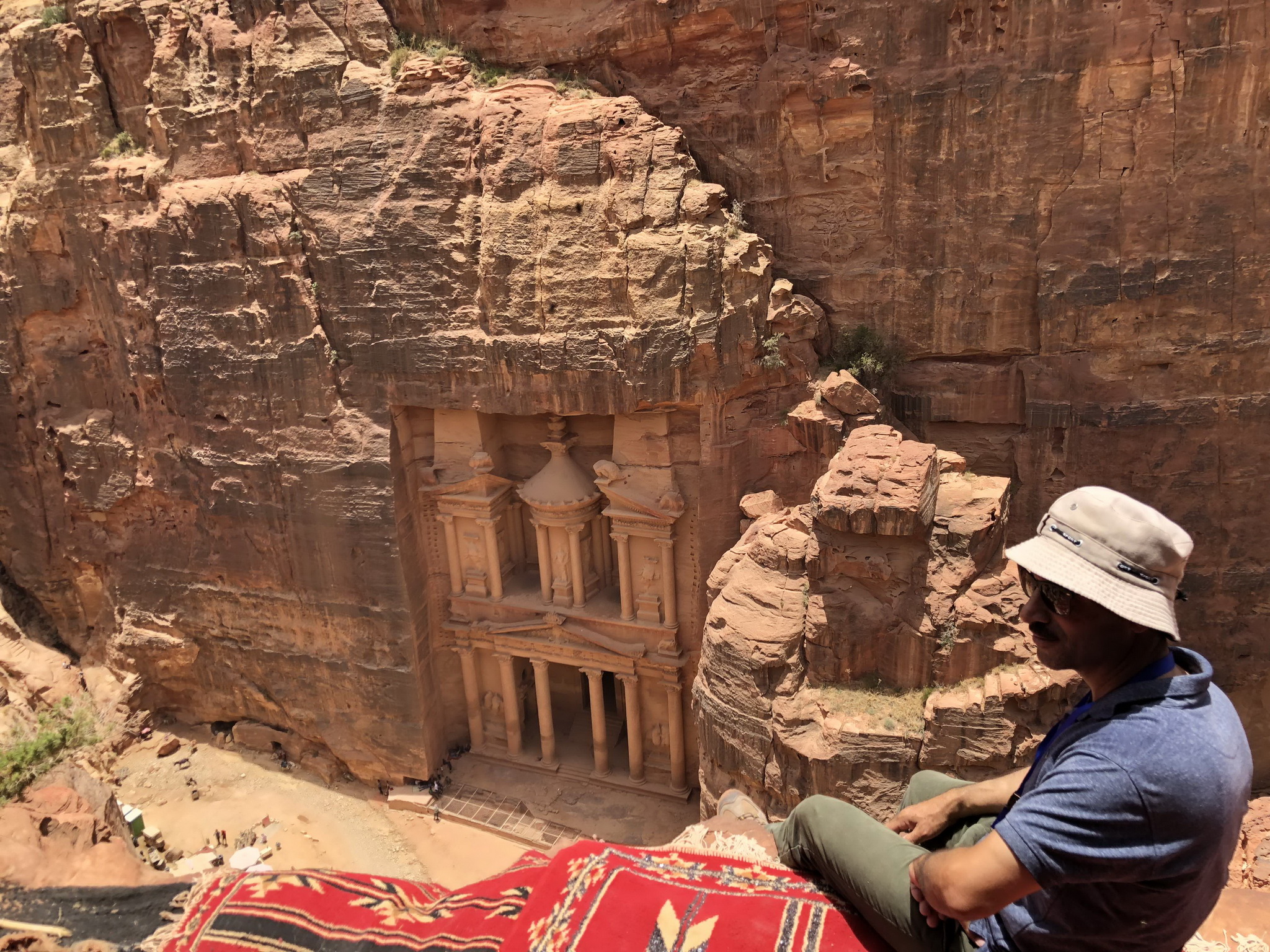
Jordan is home to some of the most remarkable destinations that draw travelers from around the world. Petra, often referred to as the 'Rose City,' is a UNESCO World Heritage Site and one of the New Seven Wonders of the World. Visitors are captivated by the monumental architecture and water conduit system of this ancient Nabatean city. To truly experience Petra, take the time to hike the various trails and discover lesser-known sites, which provide a more intimate view of this historical marvel. The best time to visit Petra is during the spring (March to May) and autumn (September to November) when the weather is mild and ideal for exploration.
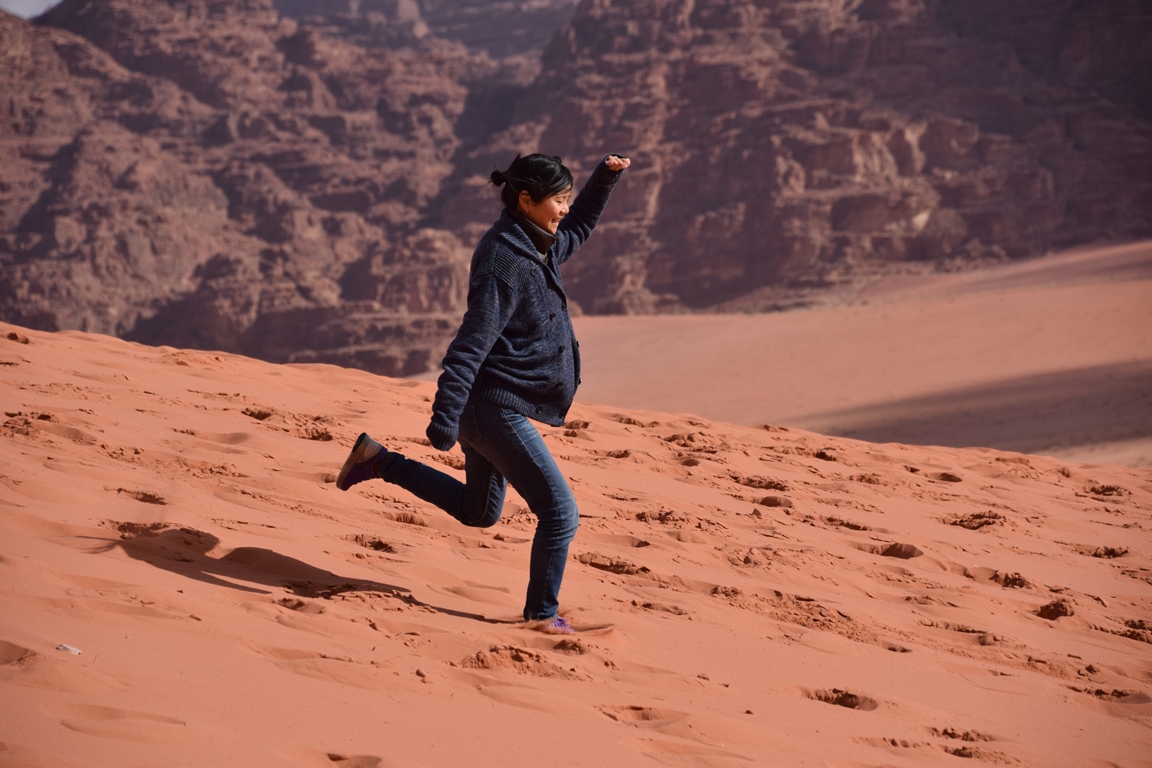
Wadi Rum, also known as the Valley of the Moon, offers breathtaking landscapes with towering sandstone mountains and vast desert expanses. This area is perfect for adventure seekers, offering activities such as rock climbing, hiking, and jeep tours. A Wadi Rum overnight tour allows travelers to immerse themselves in the stunning desert scenery and enjoy traditional Bedouin hospitality around a campfire. Don't forget to look up at the night sky—Wadi Rum is famed for its clear views of the stars. For a more relaxed experience, the Dead Sea is a must-visit. Known for its unique saline waters, visitors can float effortlessly while enjoying the therapeutic benefits of the mineral-rich mud. The best time to visit the Dead Sea is during the cooler months of spring and autumn, making it a year-round destination for relaxation and rejuvenation.
Best time to visit Jordan
The best time to visit Jordan largely depends on the activities you want to pursue. Spring (March to May) and autumn (September to November) are considered the ideal months for most travelers, with pleasant temperatures and lower chances of rain. These seasons are perfect for exploring outdoor attractions like Petra and Wadi Rum, as well as enjoying the coastal beauty of Aqaba. Summer can be extremely hot, especially in desert areas, making it less favorable for extensive outdoor activities. Conversely, winter (December to February) is cooler, particularly in the northern regions, but offers a unique experience for those interested in cultural events and fewer crowds. Regardless of the season, always check local weather conditions and dress appropriately for your planned activities.
More for travelers
Traveling to Jordan offers an array of experiences that go beyond just visiting historical sites. Engage with the local culture by trying traditional Jordanian dishes such as Mansaf, a lamb dish served with rice and yogurt, or savoring fresh seafood along the coast of Aqaba. Consider joining a cooking class to learn how to prepare these dishes, or explore local markets for authentic crafts and spices. When visiting Petra, opt for a guided tour to fully appreciate the archaeological significance and stories behind the stunning façades carved into the rock. For those seeking adventure, a Wadi Rum desert tour is a must; spend a night in a Bedouin camp under the stars for an unforgettable experience.
Sources
About Wadi Rum
Day 1: Arrival in AqabaYour journey begins at the beautiful Red Sea port of Aqaba, known for its crystal clear waters and sandy beaches. Upon arrival, you will be greeted by your driver and taken to your hotel. Aqaba is Jordan's only coastal city and offers a variety of attractions, including bustling markets and excellent dining options. Take some time to explore the lively port area, where...