Jordans Tourism Revenue Sees a Decline - What It Means for Travelers
In early 2026, Jordan's tourism revenue experienced a 3.2% decline, with earnings dropping to $1.2 billion compared to $1.3 billion in the same period the previous year. This shift raises questions about the current state of Jordan's travel sector and the implications for future visitors.
What it means for travelers
For travelers, this decline in tourism revenue may hint at fluctuations in travel costs, as tourism sectors often adjust pricing based on demand. While the decrease could lead to more competitive rates for accommodations and tours, it may also indicate that some services could be reduced in quality or availability. Visitors planning a trip to Jordan should monitor pricing trends closely and consider booking during promotional periods to secure the best deals. Furthermore, the current situation allows for a more intimate exploration of popular sites, as fewer tourists may mean less crowded experiences at attractions like Petra and Wadi Rum.
How it affects tours
Tour operators may adapt to the changing landscape by offering more enticing packages or discounts to attract visitors. This could result in enhanced opportunities for travelers to experience Jordanian hospitality through private tours and unique local experiences. Those interested in cultural immersion or adventure might find tailored tours that highlight lesser-known destinations or activities, such as hiking in the Dana Biosphere Reserve or exploring the local cuisine in Amman. Keeping an eye on tour offerings may lead to discovering new and exciting ways to enjoy a Jordan trip.
Actionable guidance
Travelers are encouraged to plan their Jordan itinerary with flexibility in mind. Utilize online resources and local travel agencies to find the best deals on tours and accommodations, particularly in the off-peak seasons. Ensure you understand any travel requirements, including visas and safety protocols, which may vary based on current regulations. For a seamless experience, consider booking guided tours that provide insights into Jordan's rich history and culture, particularly at sites like Petra and Jerash. Travelers should also engage with local guides to enhance their experience and support the community during this period of economic adjustment.
Best places to visit in Jordan
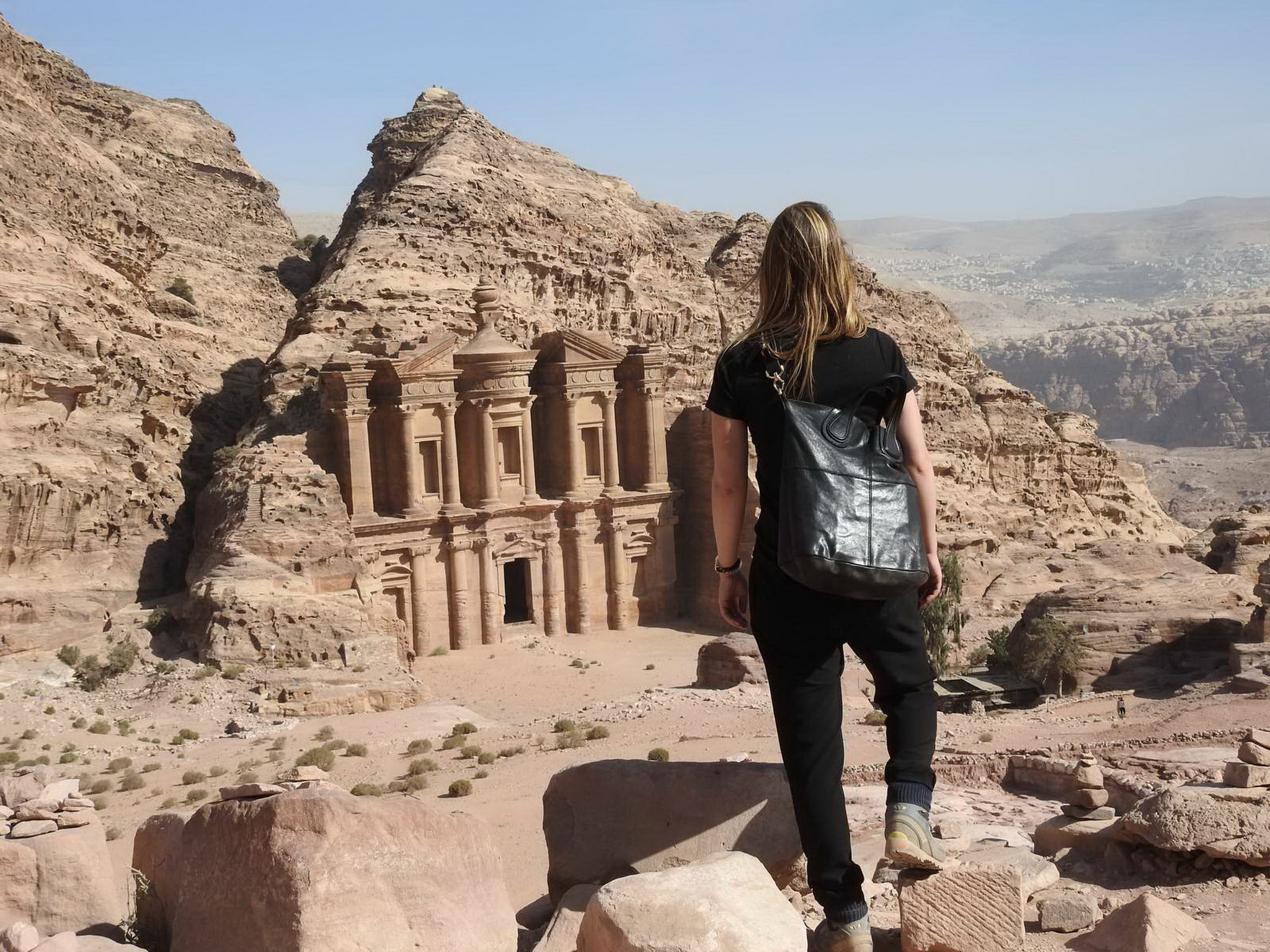
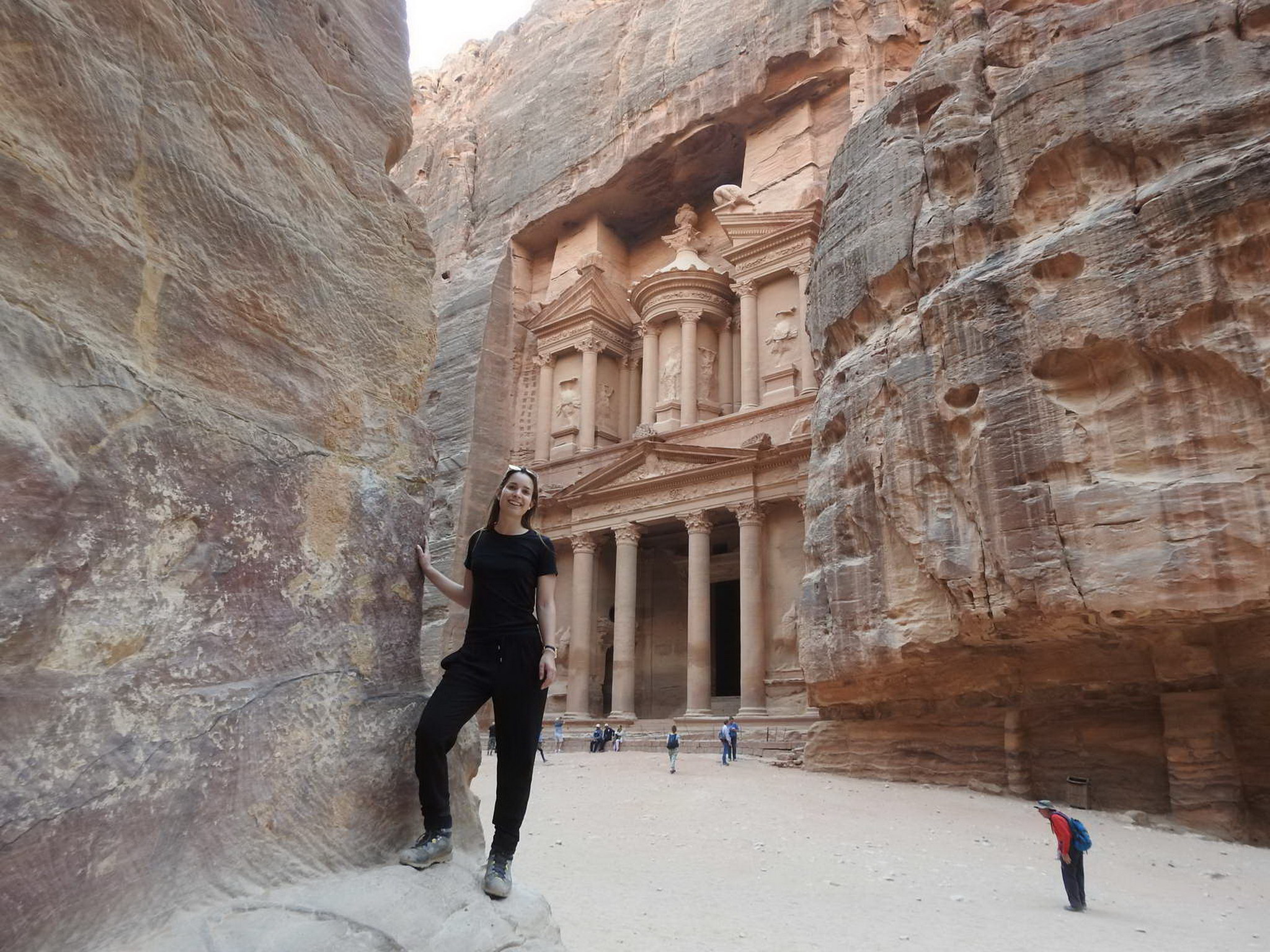
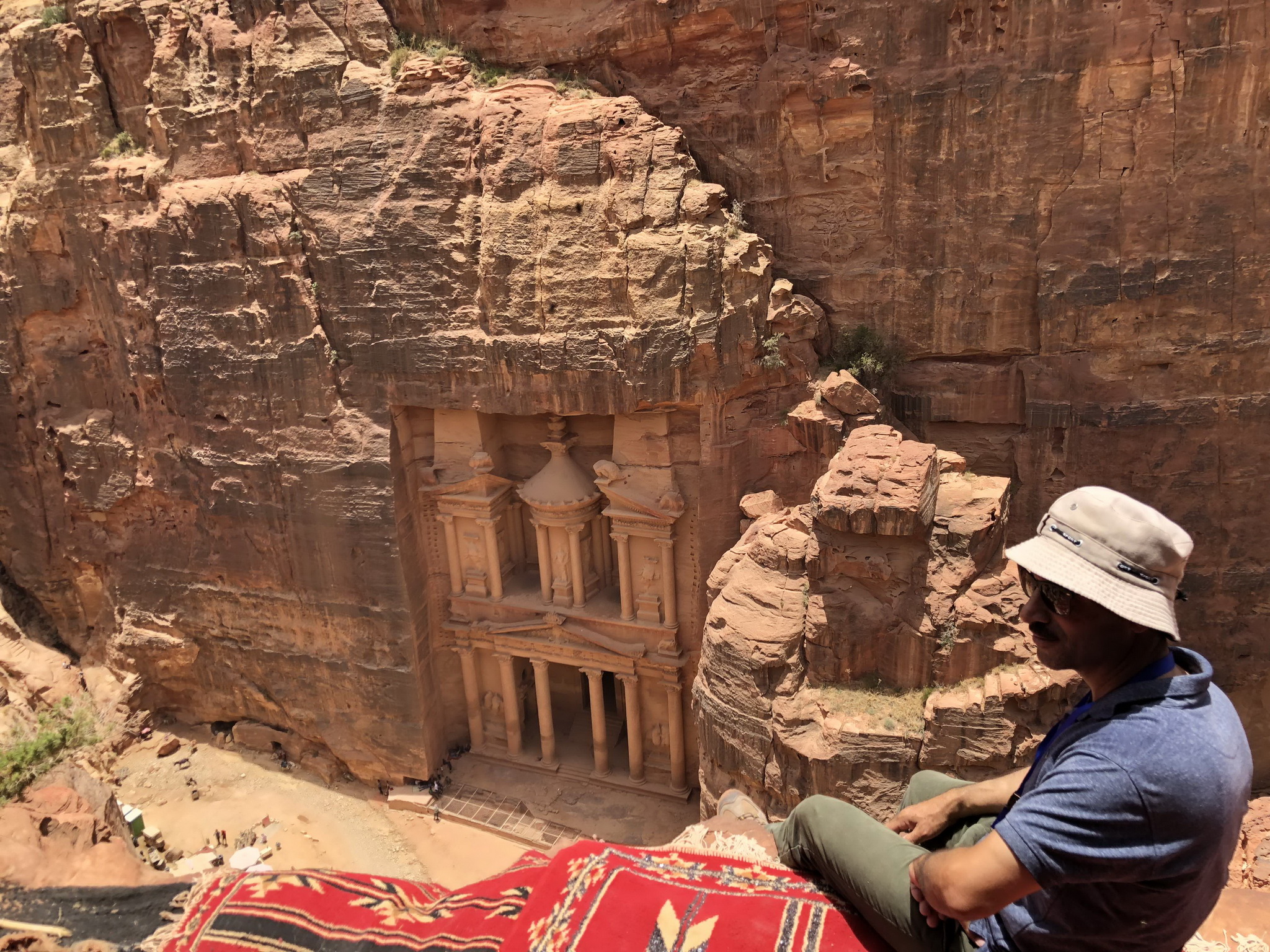
Petra, the jewel of Jordan, is renowned for its breathtaking rock-cut architecture and water conduit system. This UNESCO World Heritage site invites visitors to explore its ancient tombs and temples, with the most famous being the Treasury. The best way to experience Petra is to approach it through the Siq, a narrow gorge that leads you to the iconic site. Plan to spend a full day here to appreciate its grandeur fully, and consider an overnight stay in nearby accommodations for a magical sunrise or sunset view.
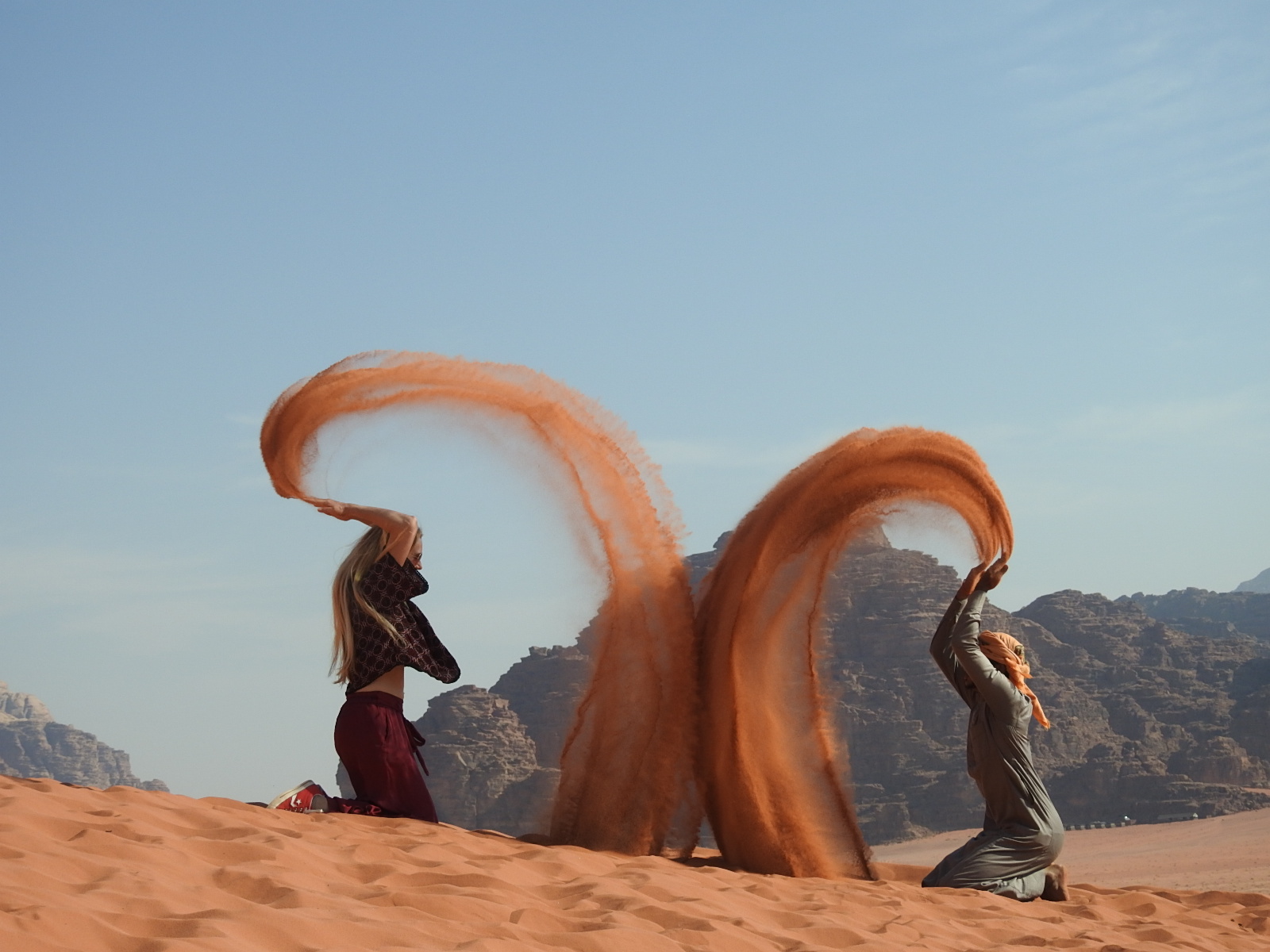
Known as the Valley of the Moon, Wadi Rum captivates visitors with its stunning desert landscapes, towering sandstone cliffs, and unique rock formations. A visit here typically includes jeep tours or overnight camping experiences under the stars, which can be booked through local tour operators. Whether you're exploring the stunning natural arches or participating in a guided hiking tour, Wadi Rum offers a chance to connect with nature and the region's Bedouin culture.
The Dead Sea is a world-renowned destination famous for its high salt concentration, allowing visitors to float effortlessly on its surface. It's also a great place for wellness, with various resorts offering spa treatments utilizing the mineral-rich mud and waters. The best time to visit the Dead Sea is year-round, but spring and autumn provide comfortable temperatures for outdoor activities. Be sure to bring your swimsuit and a towel for a memorable dip in this unique body of water.
Best time to visit Jordan
The best time to visit Jordan is during the spring (March to May) and autumn (September to November) when temperatures are mild and pleasant. These shoulder seasons are ideal for exploring outdoor attractions like Petra and Wadi Rum, as the weather is perfect for hiking and sightseeing. The summer months can be quite hot, especially in desert areas, while winter brings cooler temperatures and occasional rainfall. Planning your trip around these ideal months not only enhances your experience but also allows you to take advantage of lower tourist numbers at popular sites.
More for travelers
When planning a trip to Jordan, be sure to explore the diverse attractions the country has to offer. Beyond the iconic Petra, the Dead Sea is a must-visit for those looking to unwind and experience its unique buoyancy. The Wadi Rum desert is perfect for adventure seekers, offering jeep tours, camel rides, and stargazing opportunities. Amman, the bustling capital, has a vibrant food scene; don’t miss trying local dishes like mansaf or falafel in the city’s lively souqs. Additionally, make time for Jerash, one of the best-preserved Roman ruins, where you can walk through ancient colonnaded streets. For a more relaxed experience, consider visiting Aqaba on the Red Sea for snorkeling and beach activities.
Sources
About Petra
Day 1: Arrival in AmmanYour adventure begins as you arrive in Amman, the capital city of Jordan, known for its rich history and vibrant culture. Once you transfer to your hotel, take a breath and unwind. In the afternoon, immerse yourself in Jordanian culture by visiting traditional coffee shops where you can sip Arabic coffee while mingling with locals. Stroll through the bustling old souqs,...