Just the Facts - Essential Information for Traveling to Jordan
Comprehensive guide detailing everything you must know when visiting Jordan, from entrance fees and visa requirements to airports and healthcare services.
Entrance Fees
Traveling to Jordan offers a rich tapestry of historical and cultural experiences, but first, it's essential to understand the entrance fees associated with popular attractions, notably through the Jordan Pass. The Jordan Pass has become a popular choice for many visitors, designed to simplify the process of exploring the country's major sites. It encompasses entry fees for a wide array of locations, including Petra, Wadi Rum, Jerash, and others, facilitating seamless travel and enabling visitors to fully immerse themselves in Jordan's history and landscapes.
The current cost of the Jordan Pass varies depending on the length of stay. A one-week pass costs approximately 70 JD (Jordanian Dinar), while the two-week variant is about 75 JD, making it a cost-effective choice for tourists who plan to visit multiple sites. Included in the pass is entry to Petra for one day, and it serves as a visa waiver for many travelers, streamlining the process upon arrival. The validity of the pass lasts up to two weeks, giving travelers ample time to explore.
Specific entrance fees also exist for Petra, depending on how many days one wishes to spend there. A one-day ticket is priced at around 50 JD, a two-day ticket costs approximately 55 JD, and a three-day ticket hiked to 60 JD. With such prices, opting for the Jordan Pass is often more economical, particularly for those wishing to discover Petra’s vast archaeological offerings. It's crucial to keep your ticket until the end of your visit as it is required for re-entry.
Aside from Petra, other sites like Jerash, the Roman ruins city, charge about 10 JD for entry, while sites such as the Ajlun Castle and Karak Castle require approximately 3 JD each. Discounts are available for children under 15, and full-time students can present their valid student ID for a reduced fee at many tourist sites. Tickets can be purchased in advance online, at entry points, or through various travel agencies across Jordan. When planning your visits, consider time constraints and timings of the sites, as they can vary and may affect your itinerary.

Visas and Points of Entry
Navigating entry requirements is a crucial aspect of your travel planning when visiting Jordan. For many nationalities, Jordan offers visa-free entry, allowing citizens from several countries to stay for periods ranging from one month to three months. Countries such as the United States, Canada, the UK, and many EU nations enjoy this privilege, while others might require a visa upon arrival or need to apply for an e-visa prior to their journey.
The visa-on-arrival option simplifies the process for many travelers. Upon landing at the airport or crossing through major land borders, visitors can obtain a 30-day visa by presenting a valid passport, a return ticket, and occasionally, proof of accommodation. The cost for a visa on arrival is typically around 40 JD, which can fluctuate depending on the length of stay and other considerations.
The e-visa system provides an additional convenient option for travelers wishing to secure their entry into Jordan beforehand. The online application process takes approximately 3-5 business days, and travelers can submit their applications through the official government portal or designated agencies. Upon approval, the e-visa must be printed and presented at the point of entry.
The Jordan Pass not only acts as a ticket for various sites but also serves as a visa waiver for short-term stays. This means eligible visitors can enter Jordan without needing a separate visa, further simplifying their travel plans. When planning your journey, check the visa requirements based on your nationality to avoid any last-minute complications.
Key entry points into Jordan include Queen Alia International Airport in Amman, King Hussein International Airport in Aqaba, and various land border crossings with neighboring countries such as Israel and Saudi Arabia. Each entry point offers distinct advantages, whether you are arriving by air or land, and travelers should consider their itinerary when deciding on which routes to take. Always ensure that your passport remains valid for at least six months upon entry, as this is a common requirement enforced by border authorities.
Border Crossing
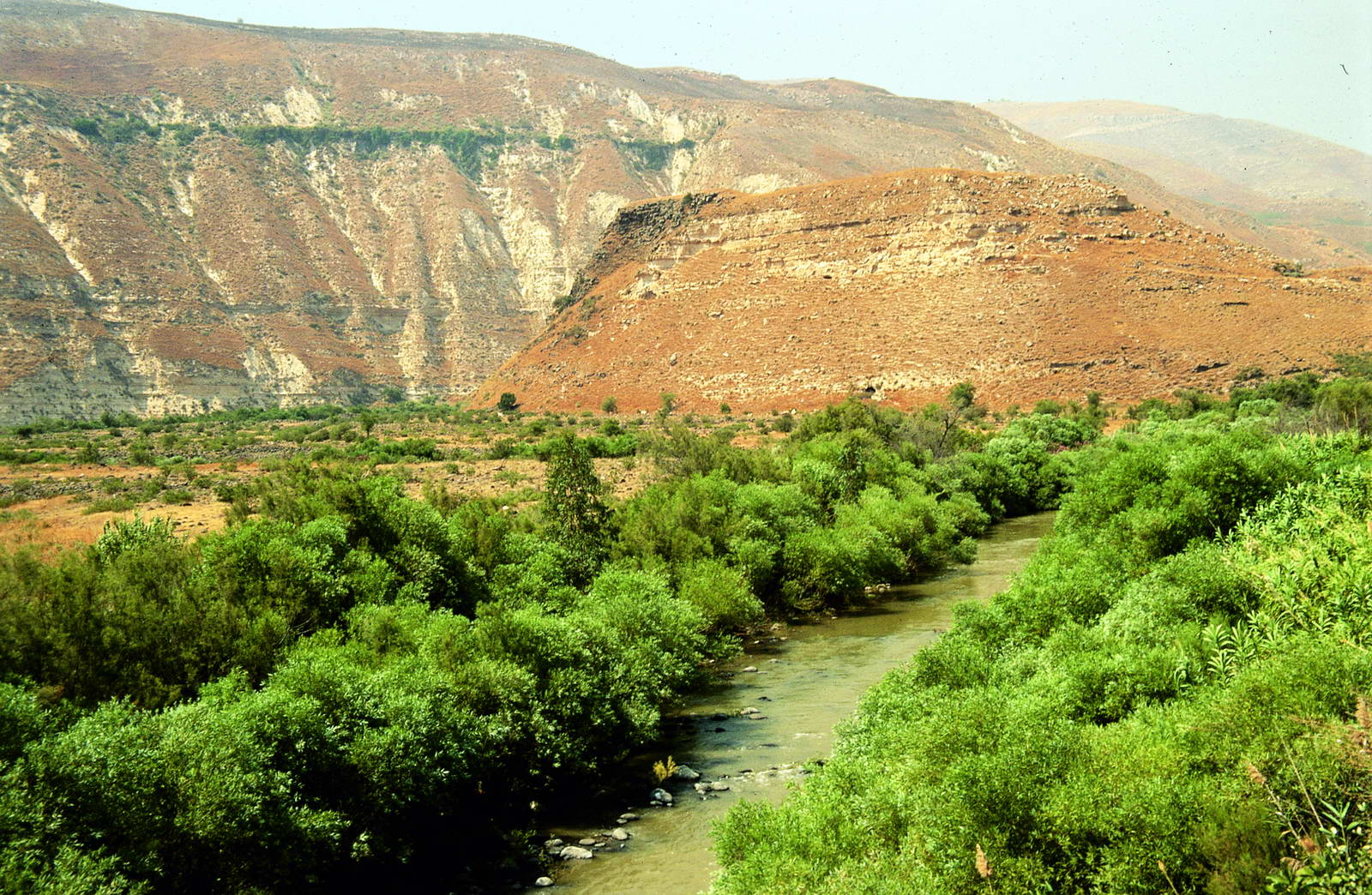
Crossing the borders into Jordan opens up diverse travel opportunities, and it's vital for travelers to know the specific procedures and requirements. Jordan shares borders with four countries: Israel, Saudi Arabia, Iraq, and Syria, each having its own unique regulations and hours of operation. The Allenby Bridge, for instance, serves as a popular entry point for travelers coming from Israel; however, it is a controlled crossing with specific operational hours, typically open from 8 AM to 8 PM. Travelers should check for any updates or changes in hours before planning their crossing.
The Wadi Araba Crossing offers another convenient land border option, catering to those entering Jordan from Israel, particularly travelers heading to the Red Sea resorts of Aqaba. This crossing boasts relatively quick processing times, making it a favorable choice for tourists eager to explore Jordan’s southern landscapes. It is advisable to arrive early in the day to avoid lines and delays that may occur.
Traveling into Jordan from Saudi Arabia can be done through the Durra Border Crossing. This crossing is less frequented by western tourists but plays a significant role for those traveling between the two nations for business or leisure. The procedures here, much like others, require travelers to present their passports and any pertinent documentation. Always confirm the accessibility and conditions of these borders, as geopolitical situations may lead to changed regulations.
For travelers seeking a seamless border experience, possessing all the required documents is critical. Expected documents include a valid passport, visa (if required), and sometimes, additional identification or health documentation, depending on the current regulations. Moreover, travelers should be ready for efficient yet thorough checks of their possessions, especially around busy periods.
The Aqaba Special Economic Zone provides an interesting layer for travelers interested in maritime adventures. Those entering through this zone may encounter different regulations and benefits, such as easier access to the Red Sea resorts and tax-free conditions in Aqaba. It is advisable to familiarize oneself with the specifics of the zone for a smooth transit. Always remain patient, follow guidelines, and consider potential waiting times, especially during peak tourist seasons or holidays.

Airports
Queen Alia International Airport, located in Amman, is the largest and busiest airport in Jordan. It plays a pivotal role in connecting travelers to various international and regional destinations. The airport boasts a variety of facilities to ensure a comfortable travel experience, ranging from shops and dining options to lounges catering to diverse passenger needs. Currency exchange is readily available, along with car rental services for those wishing to explore independently.
Transportation from Queen Alia International Airport to Amman city center is convenient, with several options including shuttle buses, taxis, and ride-hailing services such as Uber. Shuttle buses operate frequently and provide an affordable way to reach the city, while taxis offer a direct and private mode of transport. The journey typically takes between 30 to 45 minutes, depending on traffic conditions, making it essential to plan accordingly.
Aqaba King Hussein International Airport serves as the gateway to Jordan's coastal attraction, enabling tourists to easily access the Red Sea resorts. While smaller than Queen Alia, Aqaba airport provides essential services and has been undergoing gradual expansions to enhance traveler comfort. Similarly, transport options to nearby resorts are available, including taxis and shuttle services, with many travelers opting for pre-arranged pickups through their accommodations.
At both airports, visa-on-arrival services are available for eligible travelers. Upon arrival, visitors presented with the required documents can obtain their visa, facilitating a smoother entry process. Keep required documents, such as passport and proof of onward travel, easily accessible to make the transition at immigration as seamless as possible.
For travelers intending to explore various regions within Jordan, both airports offer domestic flight options for quick access to different parts of the country. This can be advantageous for those with tight schedules or those wishing to maximize their time while visiting popular sites. Always check ahead for updated flight availability and schedules and ensure that travel plans allow for possible delays when connecting flights or domestic itineraries.

Ports
Aqaba Port is a prominent maritime gateway to Jordan, notably serving as the only seaport in the country offering connections to international waters. This picturesque port city is not only a hub for commercial shipping but also a popular entry point for cruise ships and maritime tourists. With its stunning views of the Red Sea and proximity to major attractions such as Petra and Wadi Rum, Aqaba has become a favored destination for travelers seeking aquatic adventures.
Ferry services available at Aqaba Port provide a means for travelers to connect with other countries across the Red Sea, notably Egypt. The ferry journey to Egypt is a convenient and enjoyable way to explore the region further and is often preferred for travelers looking to combine their Jordan itinerary with a visit to the Sinai Peninsula. Always check ferry schedules and book in advance during high tourist seasons to ensure availability.
Upon arrival at the port, cruise passengers are greeted with a variety of facilities designed to enhance the tourist experience. These facilities include customs clearance, luggage handling services, and various shops catering to travelers’ needs. The port area is equipped with tourist information centers, where visitors can collect brochures, maps, and insights about local attractions and tours.
For those arriving via cruise ships, Aqaba’s proximity to major attractions like Petra, the Dead Sea, and Wadi Rum presents opportunities for day trips and excursions. Local tour operators frequently offer packages tailored to cruise schedules, ensuring that tourists can make the most of their limited time in Jordan. Preparation is essential, and travelers should plan their shore excursions in advance to optimize their experience, coordinating timings with the cruise itinerary.
When entering through Aqaba Port, having travel documents readily available is vital to smoothly navigate customs and immigration procedures. Ensure your passport, visa (if applicable), and any other required documentation are organized and easily accessible to minimize waiting times in the port area. Travelers should also be aware of any potential customs regulations or duties before arrival to ensure compliance and a hassle-free entry.
Embassies
Jordan hosts a variety of embassies and consular services in the capital city of Amman, providing invaluable support to international travelers. For individuals exploring Jordan, knowing where to find your country's embassy or consulate can be crucial, especially in emergencies or unexpected situations. Major countries such as the United States, Canada, the United Kingdom, and several EU nations maintain embassies in Amman, where travelers can access a broad range of services, including passport renewal and emergency assistance.
The embassy of each country provides consular support in various capacities, ensuring that travelers have access to necessary resources during their stay. This may include assistance with lost or stolen passports, legal aid, or support in cases of hospitalization. The embassy’s contact information should be saved in your phone or written down before traveling to guarantee quick access in case of need.
Jordan's geopolitical landscape necessitates travelers to stay informed about current situations that may affect their visit. Embassies often provide updated travel advisories and guidance on safety measures for tourists. For foreign nationals, it is advisable to monitor any alerts provided by their respective embassies while in Jordan to ensure a safe and secure visit.
For representation regarding Jordanian interests abroad, its own embassies serve the purpose of facilitating travel and communication. For those needing to travel to less accessible areas or deal with legal matters, knowing where to find assistance can significantly ease complications during travels. It is recommended to register with your embassy upon arrival to receive timely updates regarding any travel advisories.
As embassies often cater to a range of nationalities, having a clear understanding of the services offered, as well as their respective contact details, contributes significantly to overall peace of mind when navigating through Jordan. Carrying the respective embassy phone numbers can be beneficial during your travels in case of unforeseen emergencies.

Hospitals
Healthcare in Jordan is regarded as high-quality, with a robust infrastructure of both public and private hospitals catering to residents and tourists alike. The capital city of Amman hosts several major hospitals equipped with modern medical facilities, capable of addressing various health issues that may arise during one’s travels. Notable hospitals include the King Abdullah University Hospital and the Jordan University Hospital, both of which are known for their skilled staff and comprehensive medical services.
Private healthcare facilities are widespread throughout Jordan, often surpassing public hospitals in terms of patient services and amenities. Many private hospitals have partnerships with international insurance providers, making it easier for travelers to access treatment without significant financial strain. It's advisable for travelers to consider travel insurance that covers healthcare expenses should medical attention be required during their stay in Jordan.
Pharmacies are readily available in urban areas and near tourist sites, catering to common ailments and offering over-the-counter medications. Most pharmacies are well-stocked with a variety of products, and many pharmacy staff members speak English, enhancing communication effectiveness for non-Arabic speakers. Knowing the location of nearby pharmacies can be beneficial during your travels in case of minor health issues.
In case of emergencies, Jordan's healthcare system responds efficiently. Emergency medical services are available through dedicated numbers, making rapid response possible. The universal emergency number in Jordan is 911, which should be memorized or saved in your phone for quick access. Additionally, visitors should keep their insurance information close at hand and know the process for emergency medical care to avoid unnecessary delays in treatment.
Travelers should make themselves aware of the nearest medical facilities relative to their location to ensure preparedness. Moreover, maintaining awareness of health advisories and local medical facilities enhances peace of mind, allowing visitors to fully enjoy all the experiences Jordan has to offer without unnecessary worry.
Frequently Asked Questions
- What is the cost of the Jordan Pass?
- A one-week Jordan Pass costs approximately 70 JD, while a two-week variant is about 75 JD.
- How much is the entrance fee for Petra?
- A one-day ticket to Petra costs around 50 JD, while two-day and three-day tickets are priced at approximately 55 JD and 60 JD respectively.
- Do I need a visa to enter Jordan?
- Many nationalities can enter Jordan visa-free for periods ranging from one to three months, while others may require a visa upon arrival or an e-visa.
- Can I buy tickets for tourist sites in advance?
- Yes, tickets can be purchased in advance online, at entry points, or through various travel agencies across Jordan.
- What do I need to obtain a visa on arrival?
- To obtain a visa on arrival, travelers need to present a valid passport, a return ticket, and occasionally, proof of accommodation.