Petra Named as Jordans Olive Capital to Boost Agriculture and Tourism
In a significant move to enhance agricultural tourism, Petra has been designated as Jordan's 'Olive Capital' for 2026, celebrating its rich agricultural heritage. This initiative aims to promote local olive products and attract visitors to the region, offering a unique blend of cultural and culinary experiences.
What it means for travelers
Travelers planning a trip to Jordan can look forward to a more enriched experience in Petra, not only visiting its famed archaeological sites but also indulging in local agricultural traditions. The designation as Olive Capital will likely lead to new tours, workshops, and culinary experiences centered around olive farming and production, allowing visitors to connect with the local culture more deeply. This initiative could also enhance the overall appeal of Petra as a destination, making it a must-visit for those interested in both history and gastronomy.
How it affects tours
Tour operators may begin to incorporate olive-themed experiences into their Petra tours, such as visits to local olive groves, tastings of various olive oils, and even cooking classes focusing on traditional Jordanian cuisine that utilizes olive products. This could provide travelers with an authentic taste of Jordanian culture and cuisine, enhancing their overall adventure. Expect more options for specialized tours that highlight the intersection of agriculture and tourism, creating unique itineraries that go beyond the typical Petra visit.
Actionable guidance
If you are planning a trip to Petra, consider scheduling your visit during the olive harvest season, which typically occurs in late autumn. This timing will allow you to participate in olive-picking activities and experience the local traditions connected to this important agricultural product. Additionally, look for tours that focus on the cultural significance of olives in Jordanian cuisine, as they can provide insights and experiences that enrich your understanding of the region’s heritage. For those interested in culinary experiences, inquire about local cooking classes that emphasize the use of olive oil and other regional ingredients.
Best places to visit in Jordan
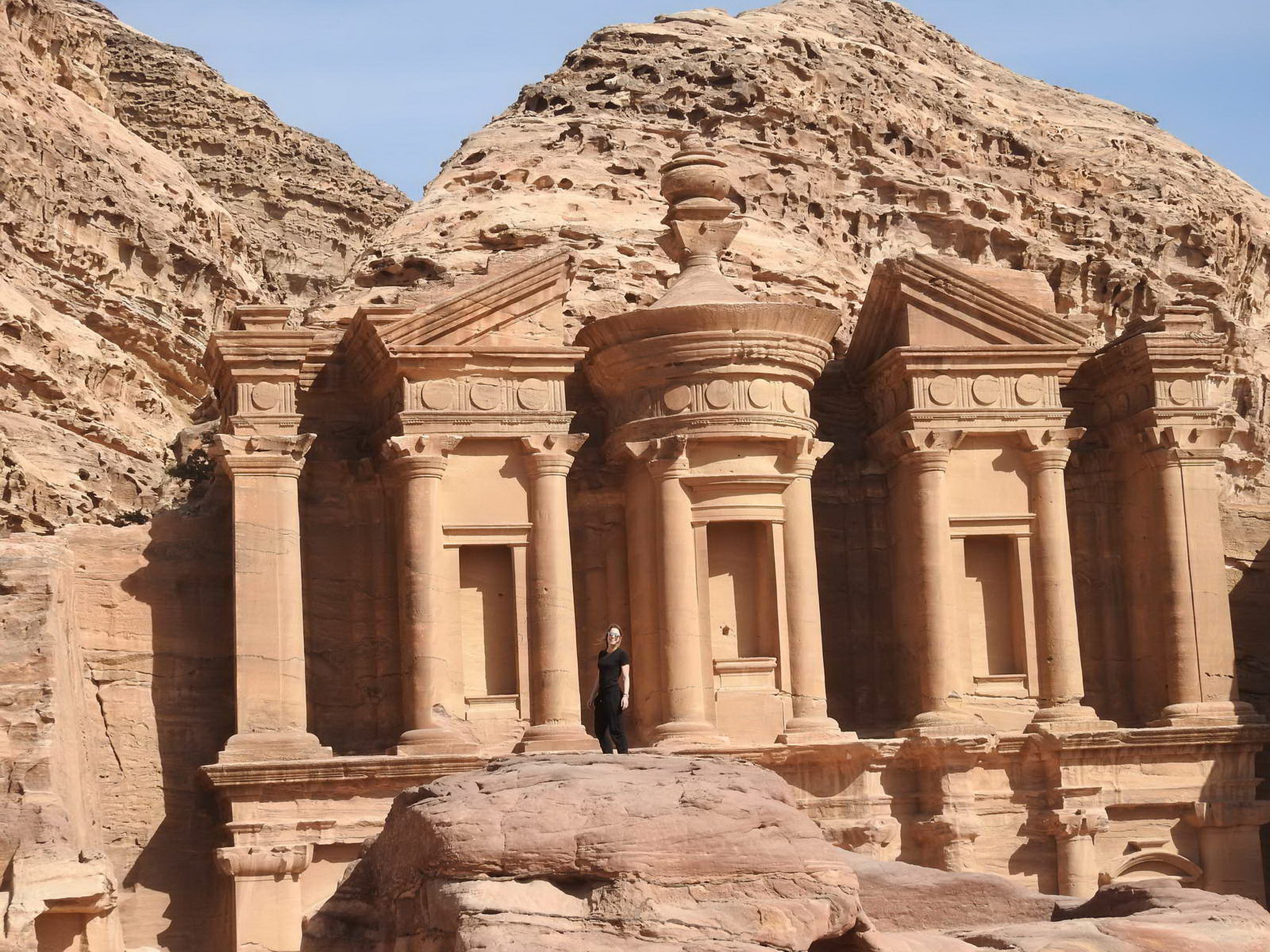
When visiting Jordan, Petra undoubtedly tops the list. This UNESCO World Heritage site, known as the 'Rose City,' is famed for its stunning rock-cut architecture and water conduit system. Entry through the Siq, a narrow gorge leading to the Treasury, builds anticipation for one of the world's most breathtaking sights. Strolling through Petra, explore the Royal Tombs, the Roman Theatre, and the Monastery, which offer a glimpse into the ancient Nabatean civilization.
Wadi Rum, often referred to as the 'Valley of the Moon,' is another must-visit destination. Its dramatic desert landscape, characterized by towering cliffs and sweeping vistas, makes it an ideal location for adventure seekers. Activities such as jeep tours, camel rides, and overnight camping under the stars provide unforgettable experiences in this breathtaking desert. Meanwhile, the Dead Sea is known for its unique mineral-rich waters that allow visitors to float effortlessly while providing therapeutic benefits. The surrounding resorts offer luxurious spa treatments, making it a perfect place to relax after your explorations.
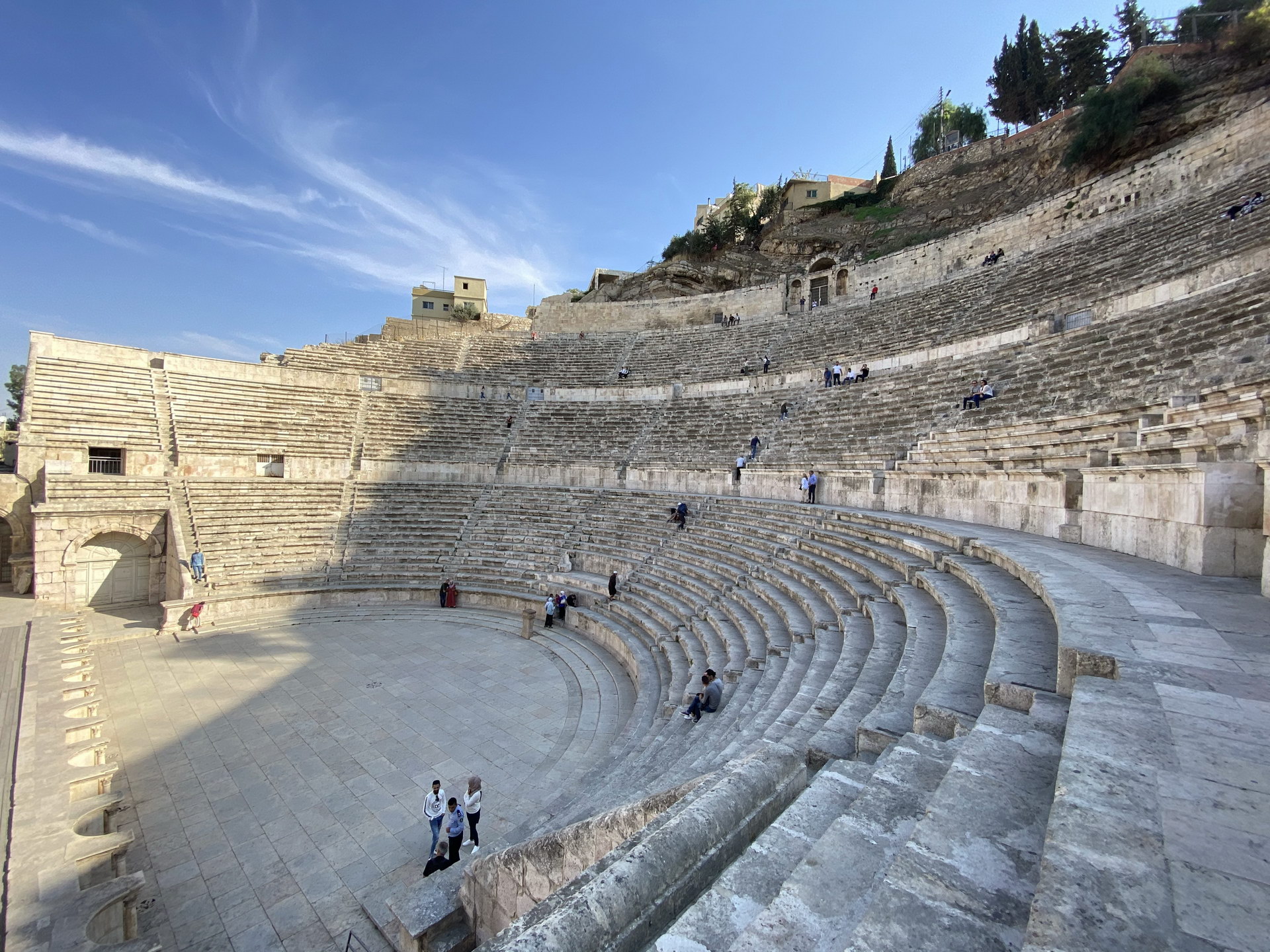
Lastly, don't overlook Amman, the vibrant capital city. Here, you can explore the Citadel, the Roman Theatre, and indulge in the local culinary scene at bustling markets. Jerash, with its well-preserved Roman ruins, is also nearby and offers a fascinating look at ancient history. Aqaba, located on the Red Sea, is perfect for beach lovers and those interested in diving and snorkeling in its rich marine environment.
Best time to visit Jordan
The best time to visit Jordan, particularly for outdoor activities and exploring sites like Petra and Wadi Rum, is during the spring (March to May) and autumn (September to November). During these months, the temperatures are mild, making it comfortable for hiking and exploring the extensive archaeological sites without the intense heat of summer. The fall is particularly special as it coincides with the olive harvest, offering visitors a unique cultural experience. The summer months can be very hot, especially in the desert areas, while winter might bring cooler temperatures and occasional rain, though it can be a beautiful time to visit the Dead Sea and enjoy its therapeutic waters year-round.
More for travelers
Beyond the olive experiences, Petra offers a wealth of activities for travelers. After exploring the iconic Treasury and other ancient sites, consider venturing into the lesser-known areas of Petra to discover hidden tombs and stunning views. Engaging a local guide can provide deeper context and personal stories that enhance your visit. Additionally, don’t miss the opportunity to taste traditional Jordanian dishes at local restaurants or during organized tours, where you can enjoy meals made with freshly pressed olive oil and other regional specialties. This will not only satisfy your palate but also support local farmers and businesses.
Sources
About Petra
Visiting Petra: An OverviewPetra, a UNESCO World Heritage site, is often described as one of the most breathtaking archaeological wonders in the world. Known for its stunning rock-cut architecture, it offers an exciting exploration for families. As you enter through the Siq, a narrow canyon, the anticipation builds until you catch your first glimpse of the iconic Treasury, a sight that feels...