Seasons in Jordan - Comprehensive Guide to Weather and Best Times to Visit
Overview of Jordan's Climate
Jordan is blessed with over 310 days of sunshine each year, making it a predominantly dry and sunny destination. The weather varies across different regions, creating diverse travel experiences throughout the year. Whether you're trekking through ancient ruins, relaxing by the Dead Sea, or exploring the vibrant city of Amman, understanding the seasonal climate is essential for an enjoyable trip.
Spring (March to May)
Spring is one of the most delightful seasons in Jordan, characterized by pleasantly warm temperatures and breathtaking wildflower blooms. From March to late April, visitors can witness the stunning black iris and various other flowers painting the countryside in vibrant colors. Average temperatures range from 13°C to 31°C, making it ideal for outdoor activities.
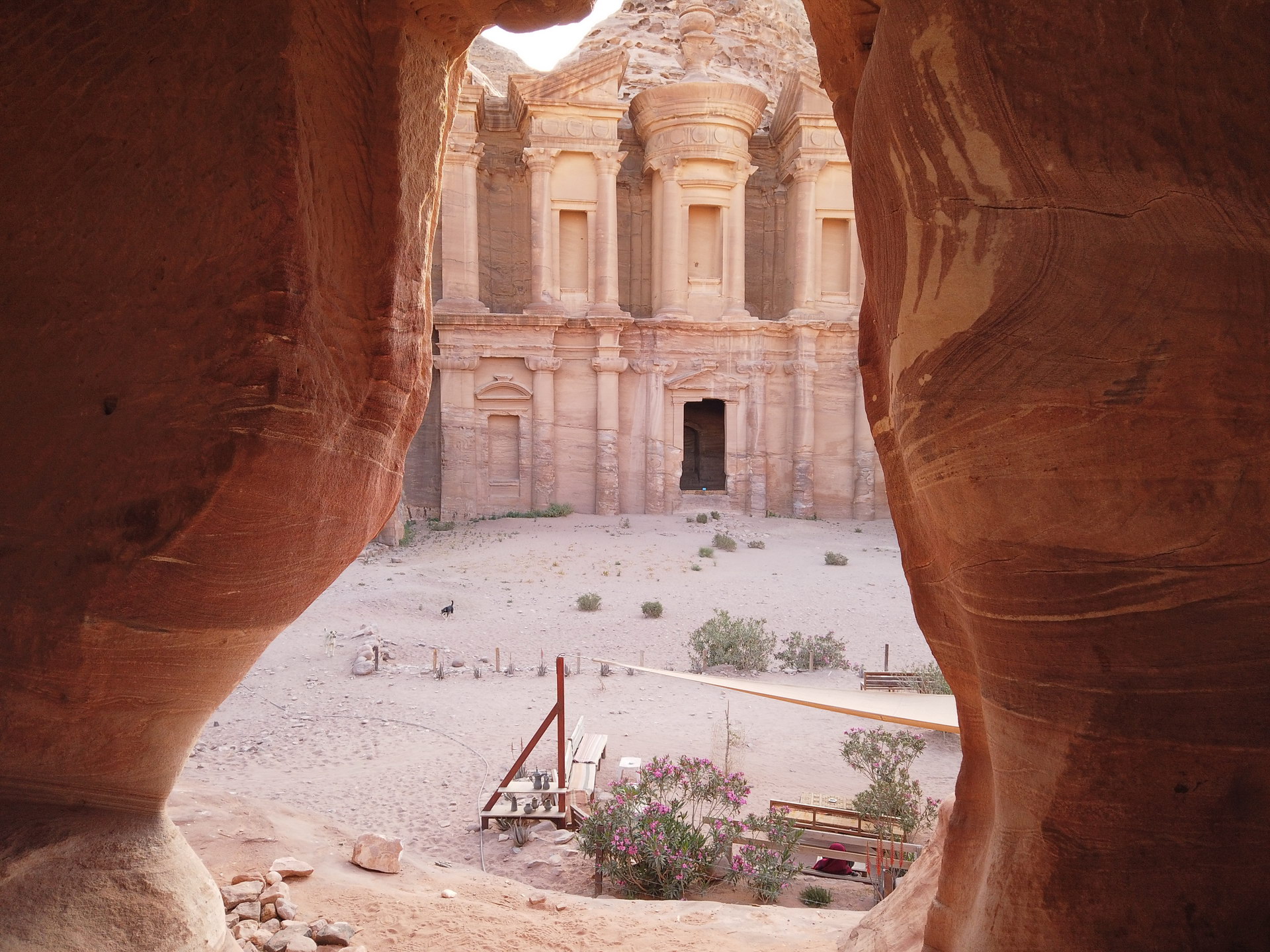
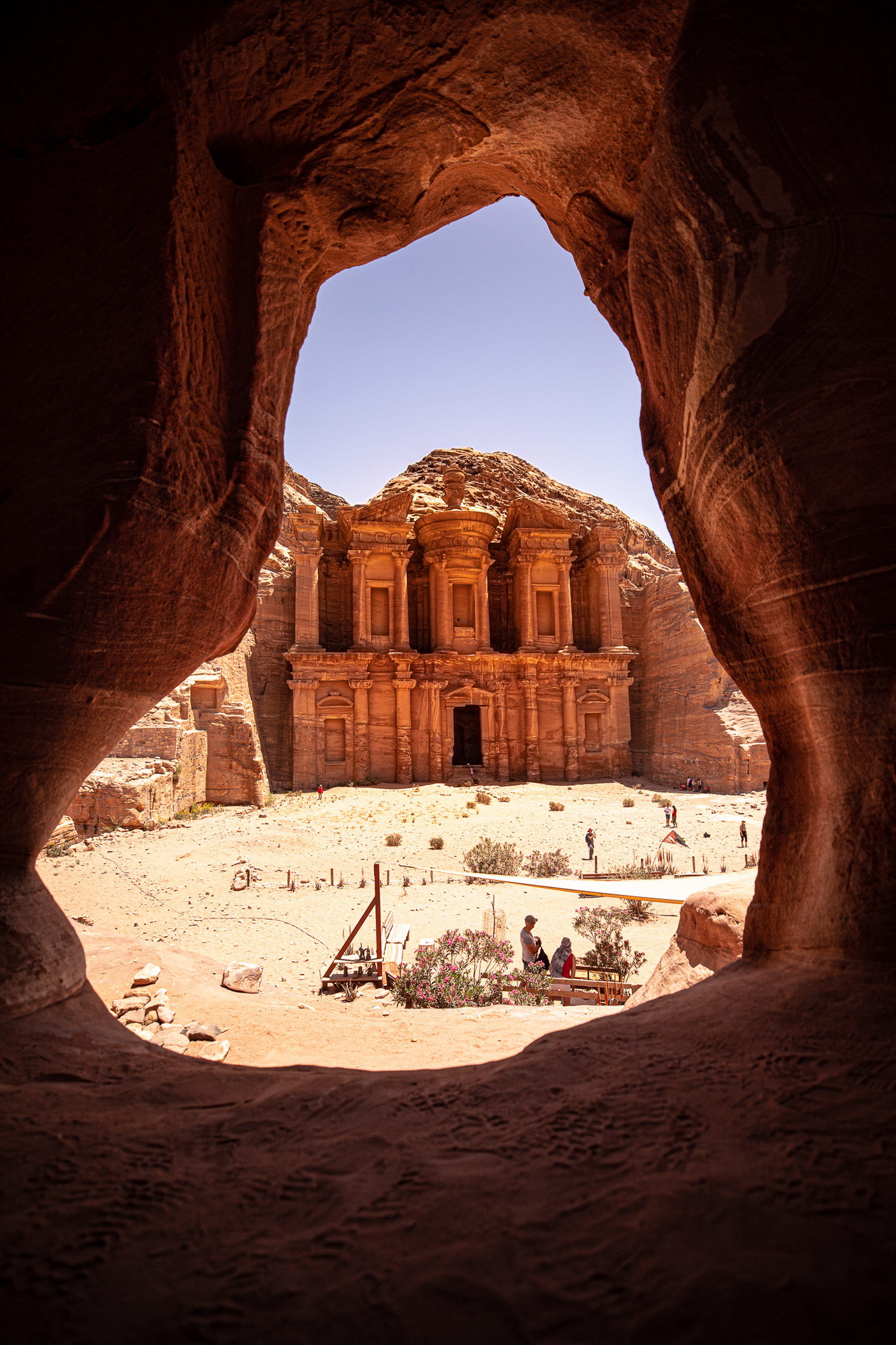
Higher elevations like the Dana Nature Reserve may still experience some rainfall, but it typically ends by late April. This season is also marked by the occasional “khamseen,” a dusty wind that can temporarily raise temperatures. To enjoy this beautiful season, it’s best to wear layers, as temperatures can shift dramatically throughout the day. The spring months are perfect for hiking and exploring historical sites like Petra and Jerash.
Summer (June to September)
Summer in Jordan can be intense, with temperatures often exceeding 36°C, particularly in the Jordan Valley and along the Dead Sea coast. August is typically the hottest month, where daytime temperatures can soar to between 38°C and 42°C. However, higher areas like Amman enjoy slightly cooler temperatures around 33°C. Despite the heat, summer is a great time to visit the southern city of Aqaba, where you can enjoy beach activities and water sports.
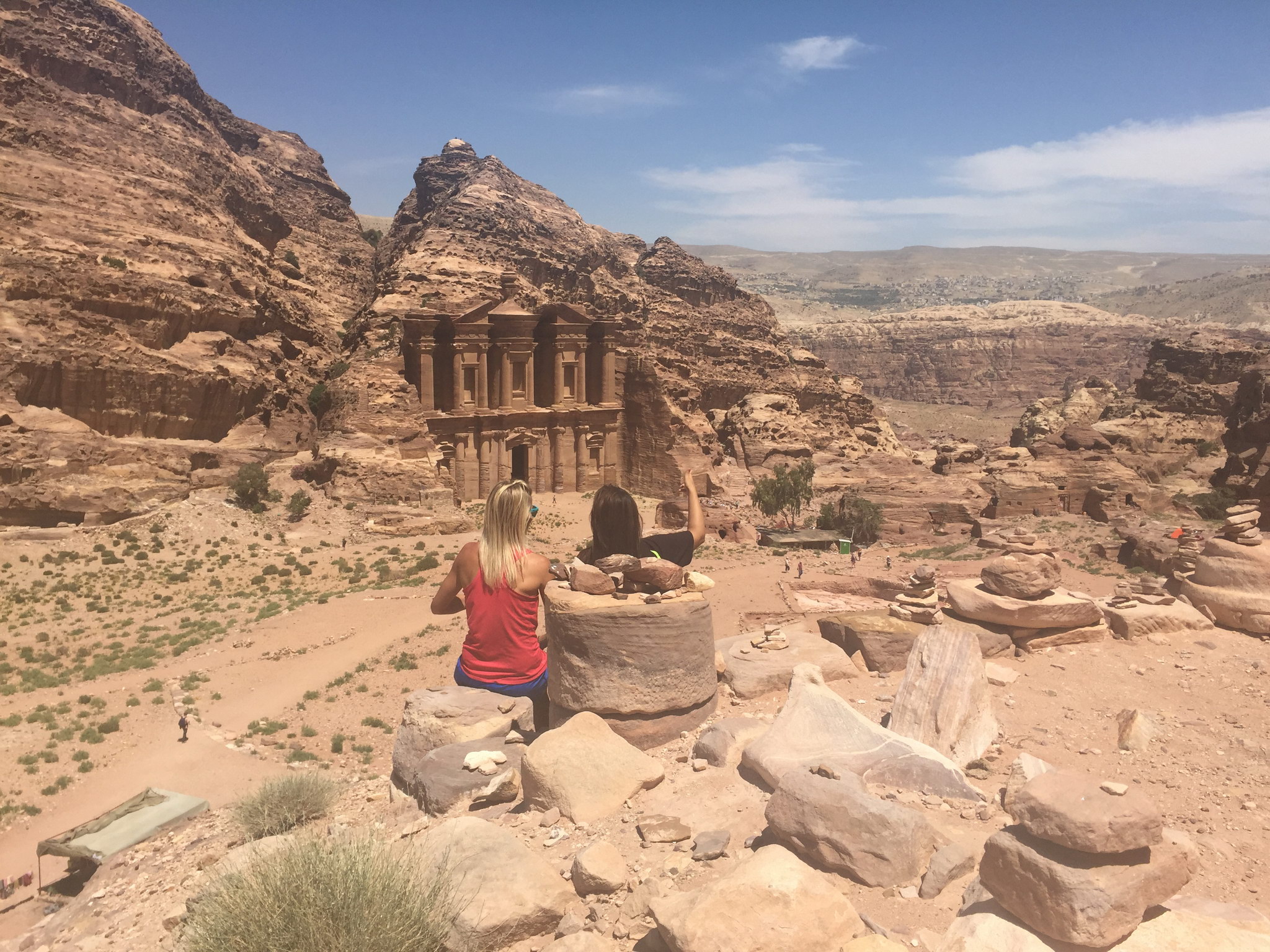
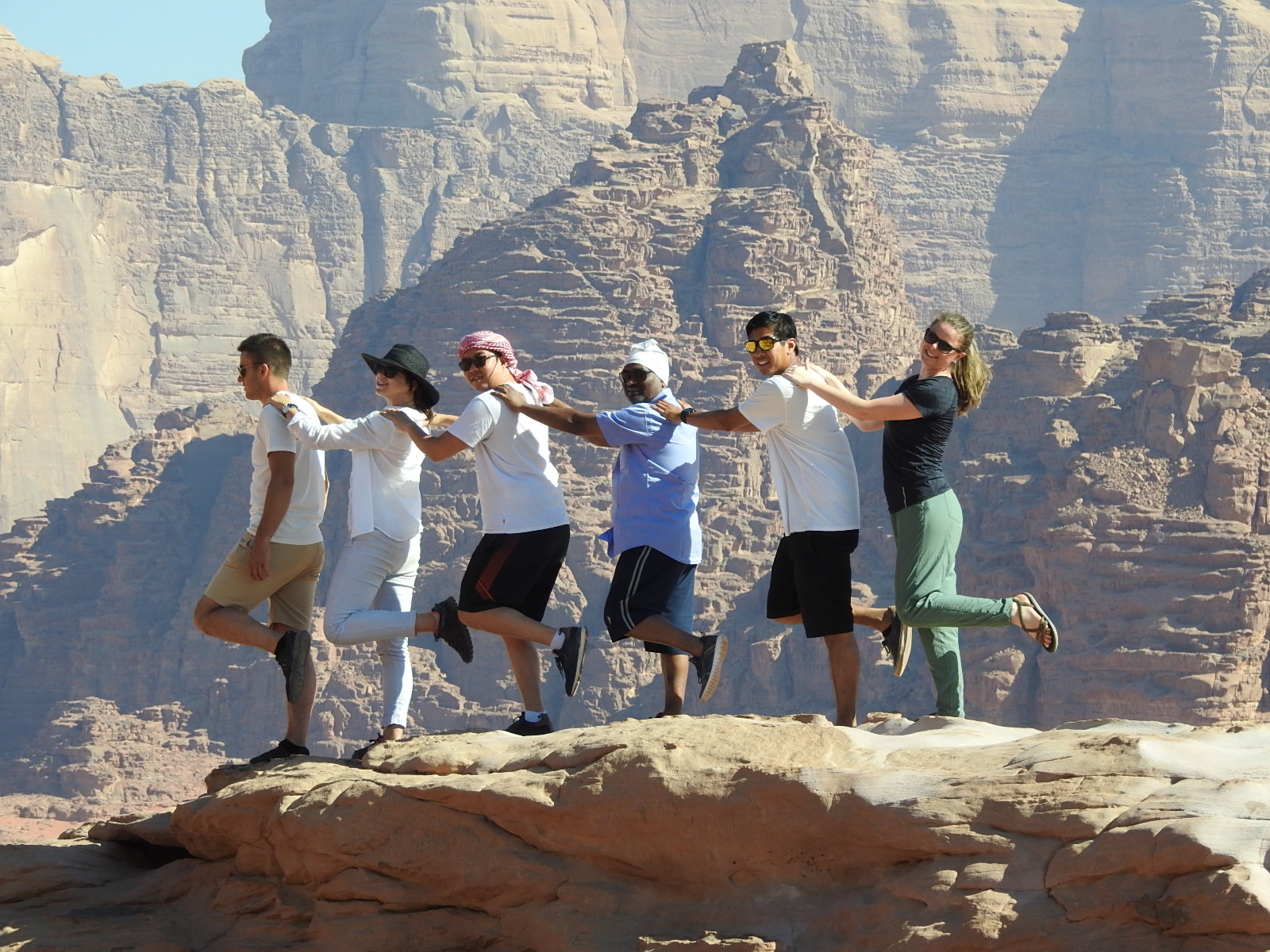
For those planning to hike in places like Petra or Wadi Rum, early morning excursions are advisable to avoid the midday heat. Ensure to pack ample sunscreen, a wide-brimmed hat, and breathable clothing. Visiting during summer also means lower prices for accommodation and tours, but expect some attractions to be less accessible due to the heat.
Autumn (October to November)
Autumn is another high season for travelers, providing a welcome respite from the summer heat. Temperatures begin to cool, ranging from 20°C to 32°C. By mid-October, the first rains arrive, rejuvenating the landscape and allowing wildflowers to bloom again temporarily. This season is particularly favorable for outdoor activities such as hiking in Ajloun Forest Reserve or exploring the ancient ruins of Jerash.
Water temperatures in the Red Sea also cool to a pleasant 26°C, making it an excellent time for diving and snorkeling in Aqaba. As the days are still warm and nights can be chilly, layering is recommended. Autumn offers a blend of comfortable weather and stunning natural beauty, perfect for photography enthusiasts.
Winter (December to February)
Winter in Jordan is generally mild but can vary significantly by region. January is the coolest month, with temperatures ranging from 5°C to 10°C. The majority of rainfall occurs during the winter months, which can lead to challenging conditions for outdoor exploration in places like Petra and Wadi Rum. However, if you're seeking sunshine, Aqaba and the Dead Sea remain warm, with temperatures often reaching mid-20s°C (mid-70s°F).
While winter in Amman can be cold and even snowy, the Jordan Valley enjoys relatively mild temperatures during the day. Travelers should dress warmly, especially if venturing into higher elevations where snowfall is possible. Waterproof clothing and good walking shoes are essential for navigating wet and cold conditions.
Planning Your Visit
When planning your trip to Jordan, consider the season that best aligns with your travel desires. Spring and autumn are ideal for outdoor adventures and cultural experiences, while summer is perfect for beach activities in Aqaba. Winter, while cooler, offers a unique opportunity to explore Jordan’s historical sites with fewer crowds.
Regardless of when you visit, be sure to check local forecasts and pack accordingly. Understanding the seasonal climate will enhance your travel experience and ensure you make the most out of your time exploring this beautiful country.