The Best Seasons to Explore Jordan - A Travelers Guide
Understanding the Seasons in Jordan
Jordan's climate is characterized by distinct seasons, making it an appealing destination throughout the year. Whether you're drawn to historic sites, breathtaking landscapes, or unique cultural experiences, knowing when to visit can significantly enhance your trip. Below is a detailed guide to help you choose the best season for your travel plans.
Summer in Jordan (June to August)
Summer brings long days filled with sunshine, averaging about 13 hours of daylight. However, temperatures can soar to around 40 degrees Celsius (104°F), making outdoor activities challenging, especially in desert areas. If you’re looking to relax, head to the coastal city of Aqaba where cooling off in the Red Sea is a popular option. While the heat may deter strenuous activities, summer is perfect for festival enthusiasts. The Jerash Festival for Culture and Art takes place in late July, offering a vibrant showcase of Jordanian music, dance, and art within the ancient Roman ruins of Jerash. Keep hydrated and explore early in the morning or late afternoon to avoid the heat.
Autumn in Jordan (September to November)
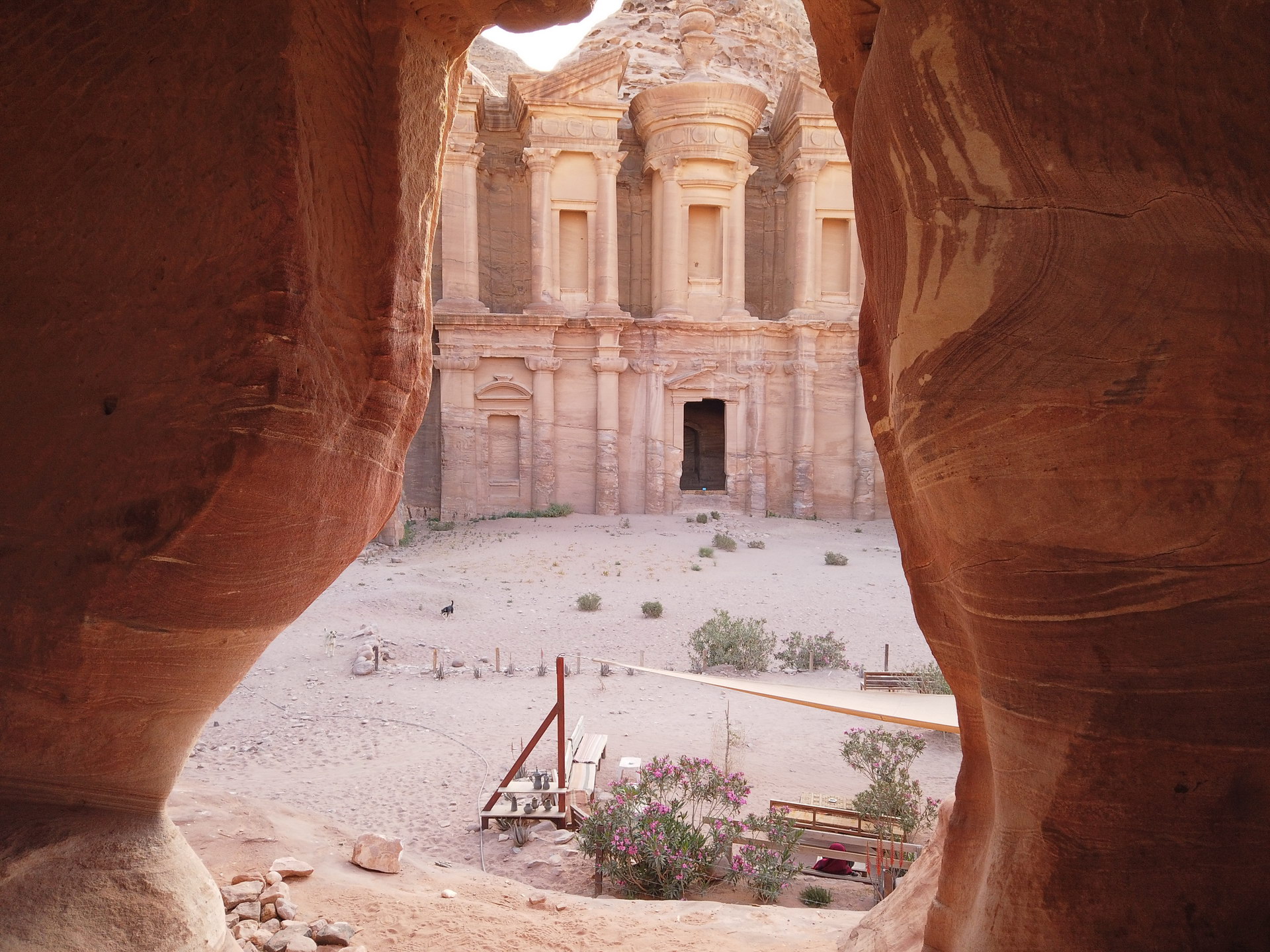
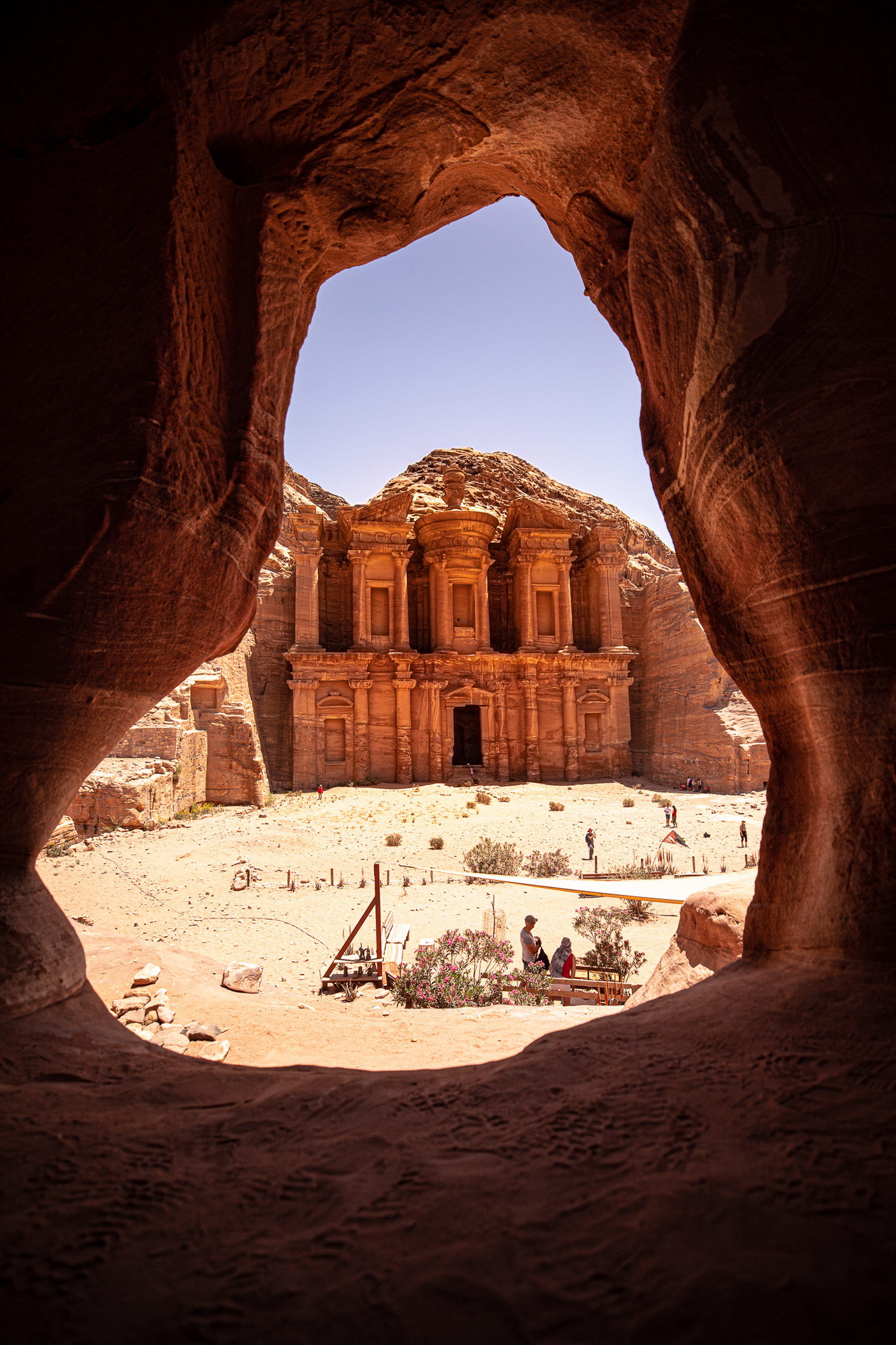
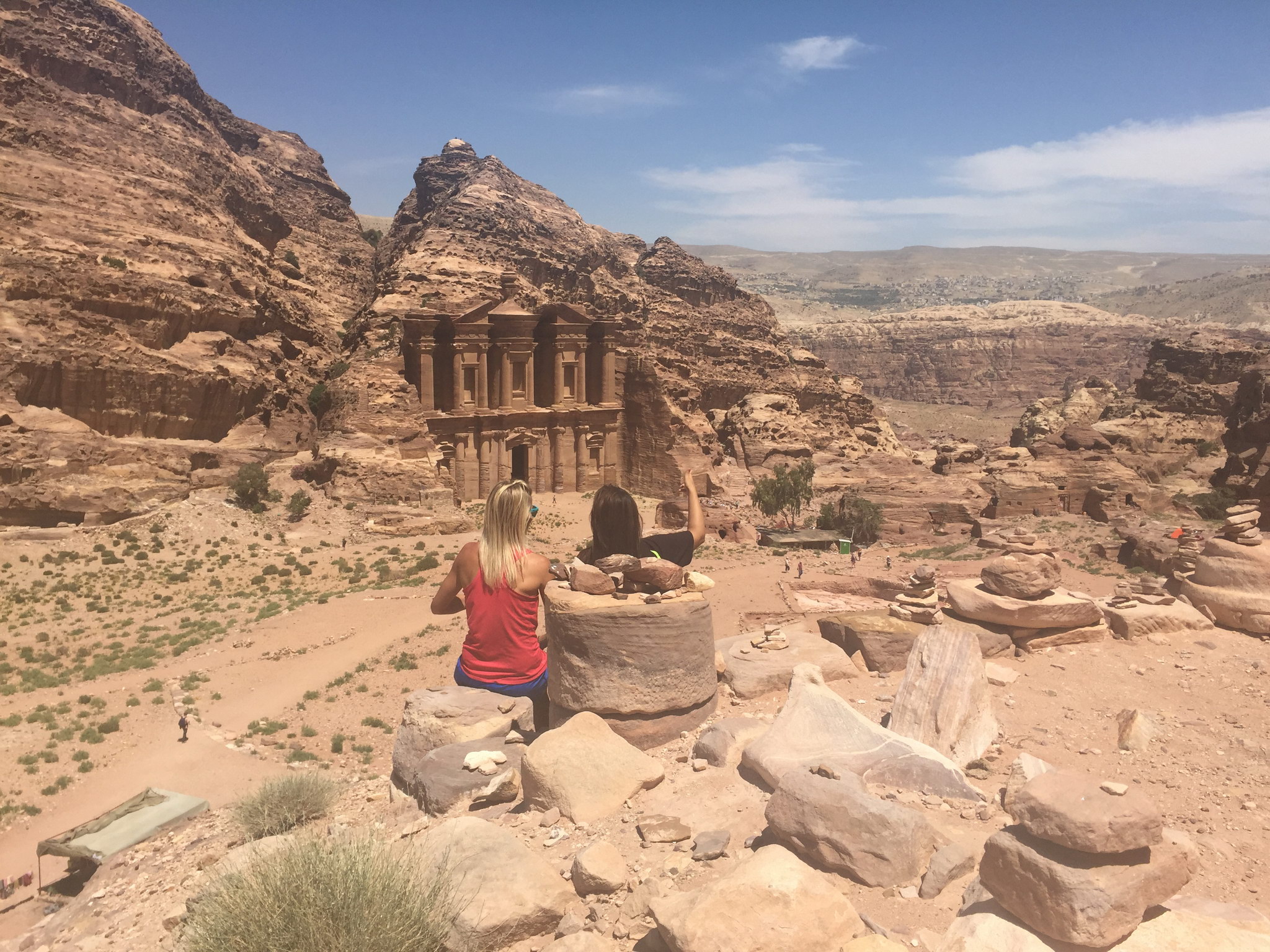
As summer fades, temperatures moderate, particularly from September to October. This means pleasant daytime temperatures that average around 26 degrees Celsius (79°F), ideal for exploring the Jordan Valley and hiking the Jordan Trail. Autumn is also renowned for diving in Aqaba, where the warm waters teem with tropical marine life, providing some of the best diving experiences in the region. November sees fewer crowds, making it an ideal month for more intimate encounters with Jordan's cultural and natural offerings. Be sure to also visit the historic city of Petra, where the milder temperatures make it easier to wander through the siq and explore the iconic treasury.
winter in Jordan (December to February)
Winter can be quite chilly in Jordan, particularly in inland areas like Amman, where January is the coldest month, with lows around 8 degrees Celsius (46°F). However, winter offers a unique allure with fewer tourists and the opportunity to explore without crowds. For a stark contrast, visit Aqaba where winter temperatures remain pleasantly warm. Winter is also the season for the most rainfall, which nourishes the lush landscapes, especially in the north. Consider dressing in layers if visiting places like Petra, as temperatures can vary significantly throughout the day.
Spring in Jordan (March to May)
March heralds the arrival of spring, with blooming wildflowers and cooler temperatures. This season is particularly enchanting for hikers and nature lovers, as the scenery transforms into vibrant green hills. The average temperature is a comfortable 20-25 degrees Celsius (68-77°F), making it fantastic for outdoor explorations. Additionally, Ramadan often falls during this time, creating a unique cultural atmosphere. Markets bustle with activity after sunset, and many restaurants stay open late into the night. Concerts at the Citadel Hill in Amman during Ramadan reflect the city's vibrant nightlife against the backdrop of sparkling lights, making it a memorable experience. Spring is considered one of the best times to visit for those wishing to hike and appreciate the natural beauty of Jordan.
Best Times to Visit Jordan
While Jordan is accessible year-round, the best times to experience its diverse offerings are during the spring and autumn months. Both seasons provide comfortable temperatures that are ideal for various activities, from desert treks to city explorations. Always check local events and festivals to enhance your travel experience. Utilize early mornings and late afternoons to make the most of your sightseeing without succumbing to the heat of the day.
Frequently Asked Questions
- What is the weather like in Jordan during summer?
- Summer in Jordan, from June to August, features long days with temperatures soaring up to 40 degrees Celsius (104°F), especially in desert areas.
- When is the best time to visit Petra?
- The best time to visit Petra is during autumn, from September to November, when temperatures are milder, making it easier to explore the area.
- What activities can I enjoy in Jordan during winter?
- Winter offers fewer tourists and the chance to explore Jordan's attractions without crowds, while Aqaba remains pleasantly warm for different activities.
- Is spring a good time for hiking in Jordan?
- Yes, spring, especially from March to May, is ideal for hiking as temperatures average 20-25 degrees Celsius (68-77°F) and the scenery is vibrant with blooming wildflowers.
- What cultural events occur during summer in Jordan?
- The Jerash Festival for Culture and Art takes place in late July, showcasing Jordanian music, dance, and art amid the ancient Roman ruins of Jerash.