The Best Time to Visit Jordan - A Seasonal Guide
Overview of Jordan's Climate
Jordan experiences a varied climate, offering something special throughout the year. The country features four distinct seasons, each with its own charm and activities. Understanding the weather patterns will help you decide when to embark on your adventure.
Spring (March to May)
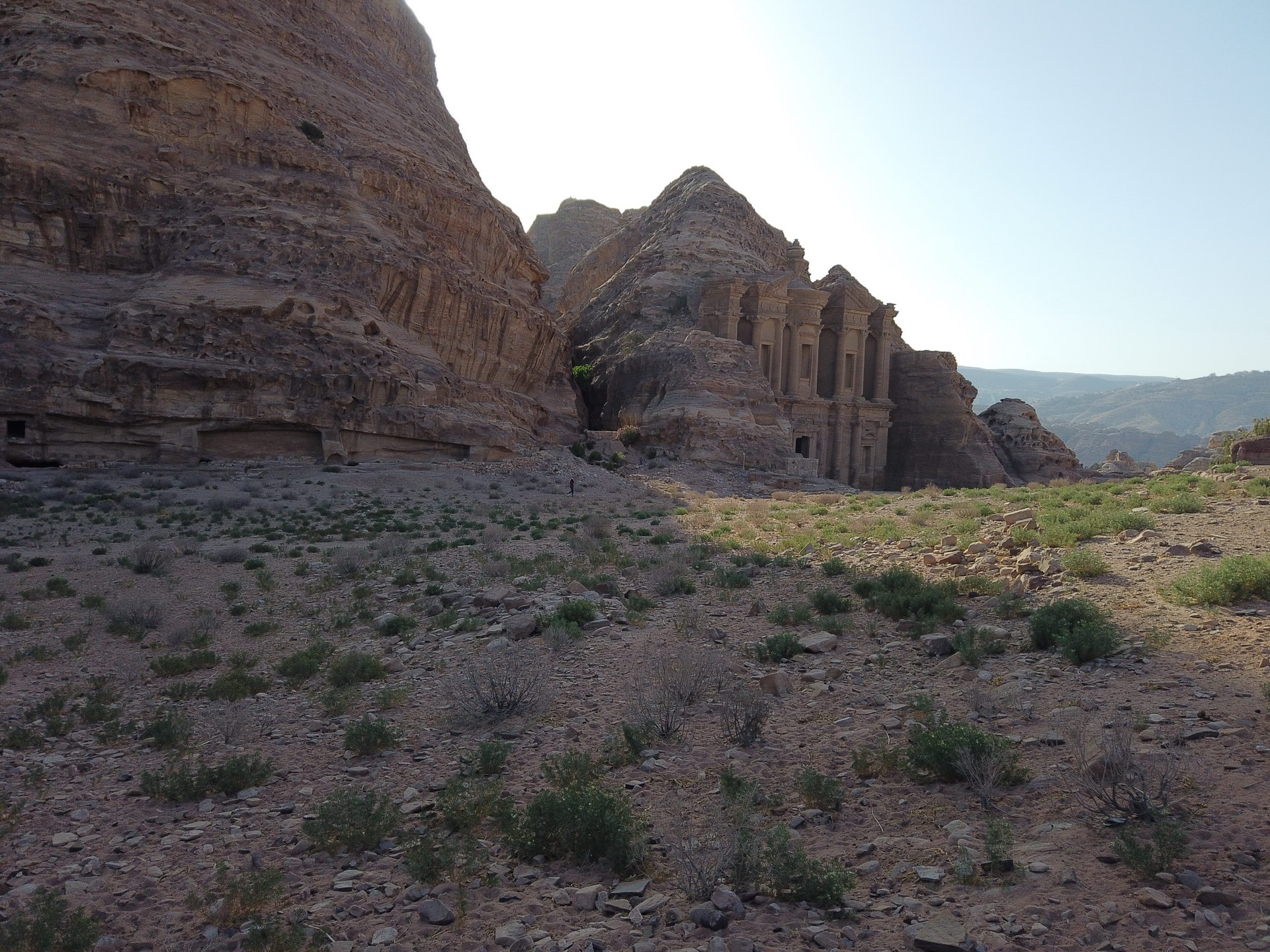
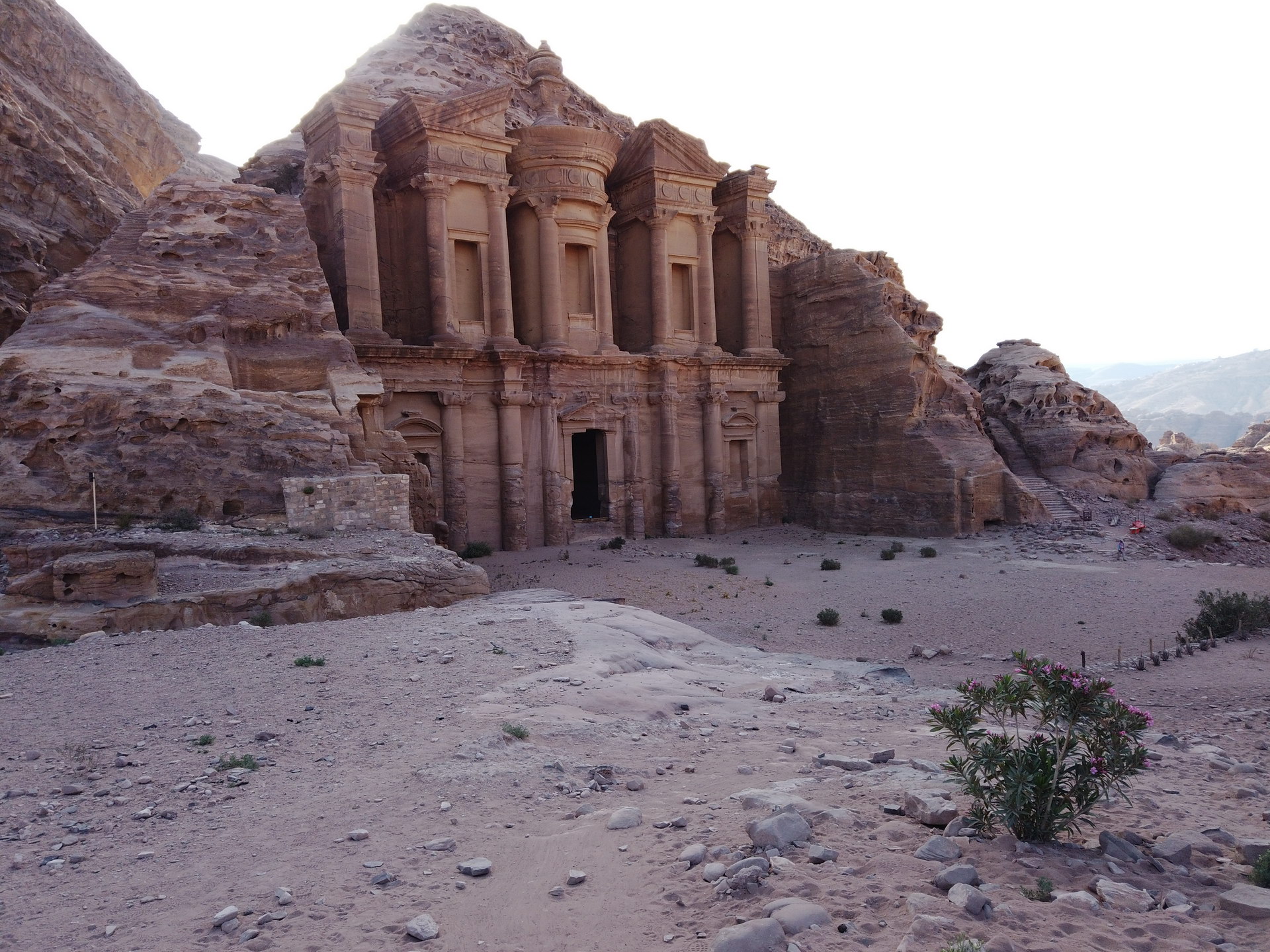
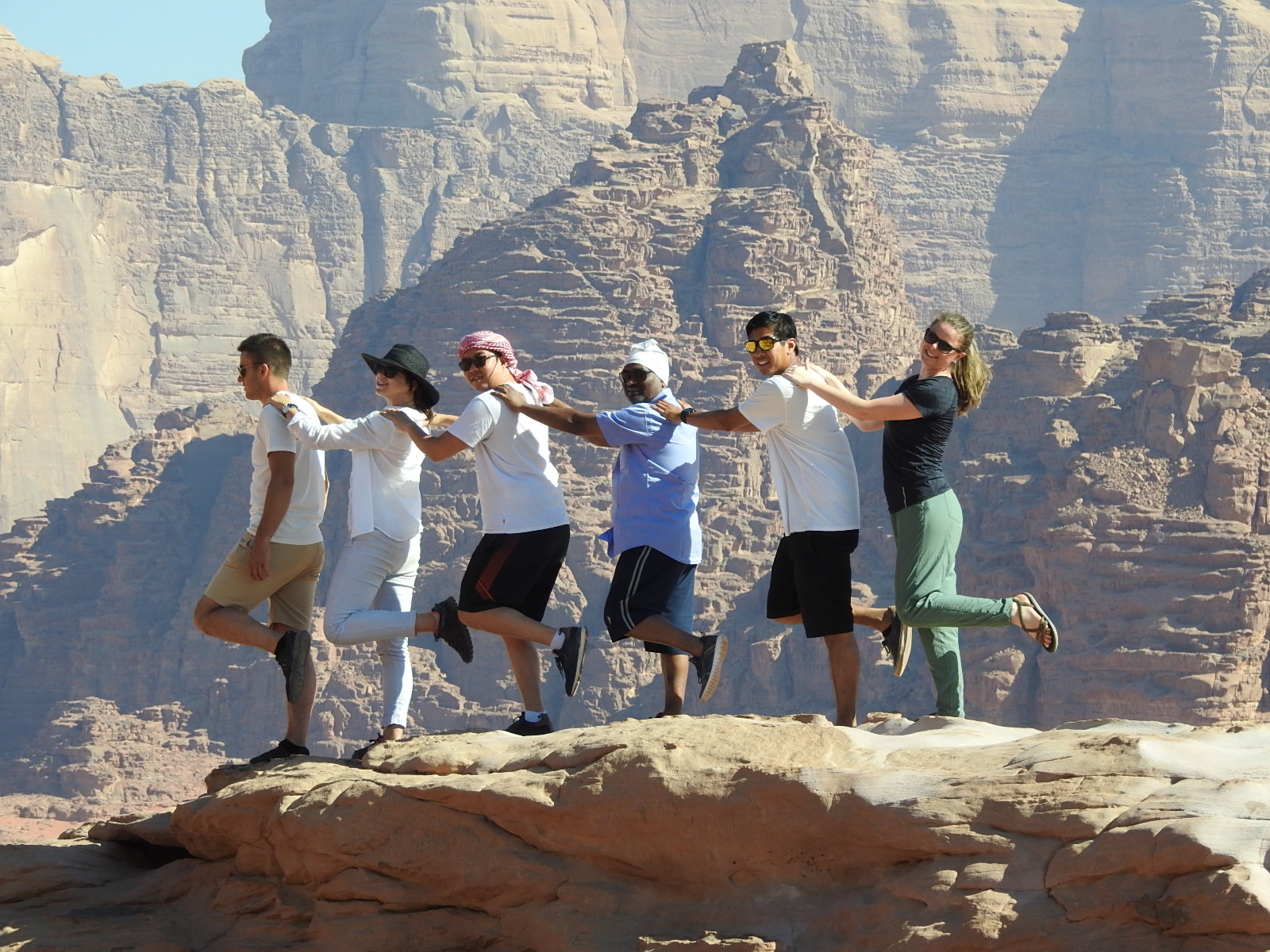
Spring is often regarded as the best time to visit Jordan, especially from March to May. During this period, temperatures are mild, ranging from 15°C to 25°C (59°F to 77°F), making it ideal for outdoor exploration. The landscape bursts into life with vibrant wildflowers, particularly in areas like the Jordan Valley and near Petra. Hiking enthusiasts will find popular trails like the Siq leading into Petra to be particularly enjoyable and less crowded. Spring is also perfect for desert adventures in Wadi Rum, where the weather is pleasant for camel rides and stargazing. Don't miss traditional events such as the Jerash Festival of Culture and Arts in July, which showcases local heritage and music. Just be sure to book accommodations in advance as this is peak tourist season.
Summer (June to August)
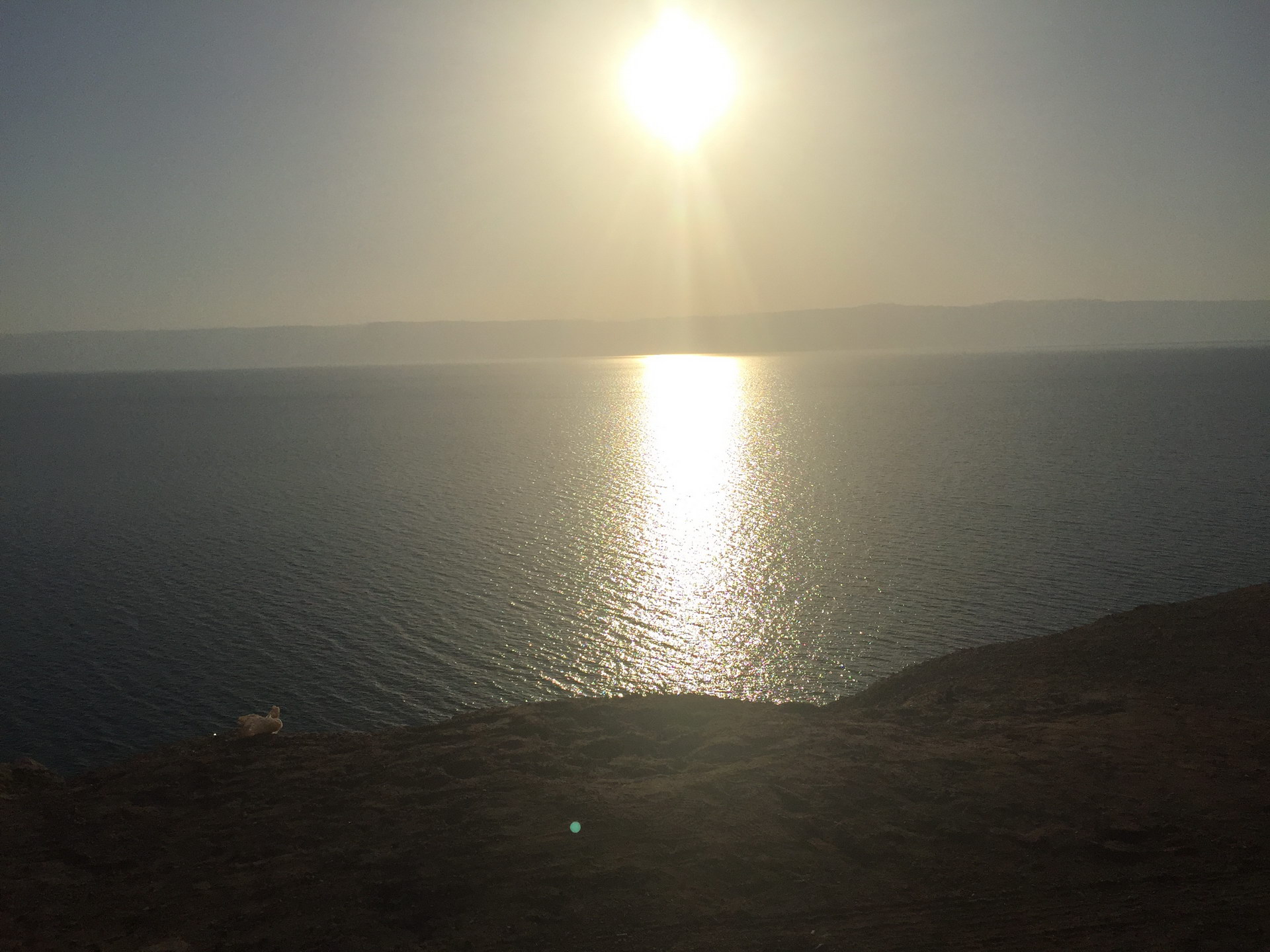
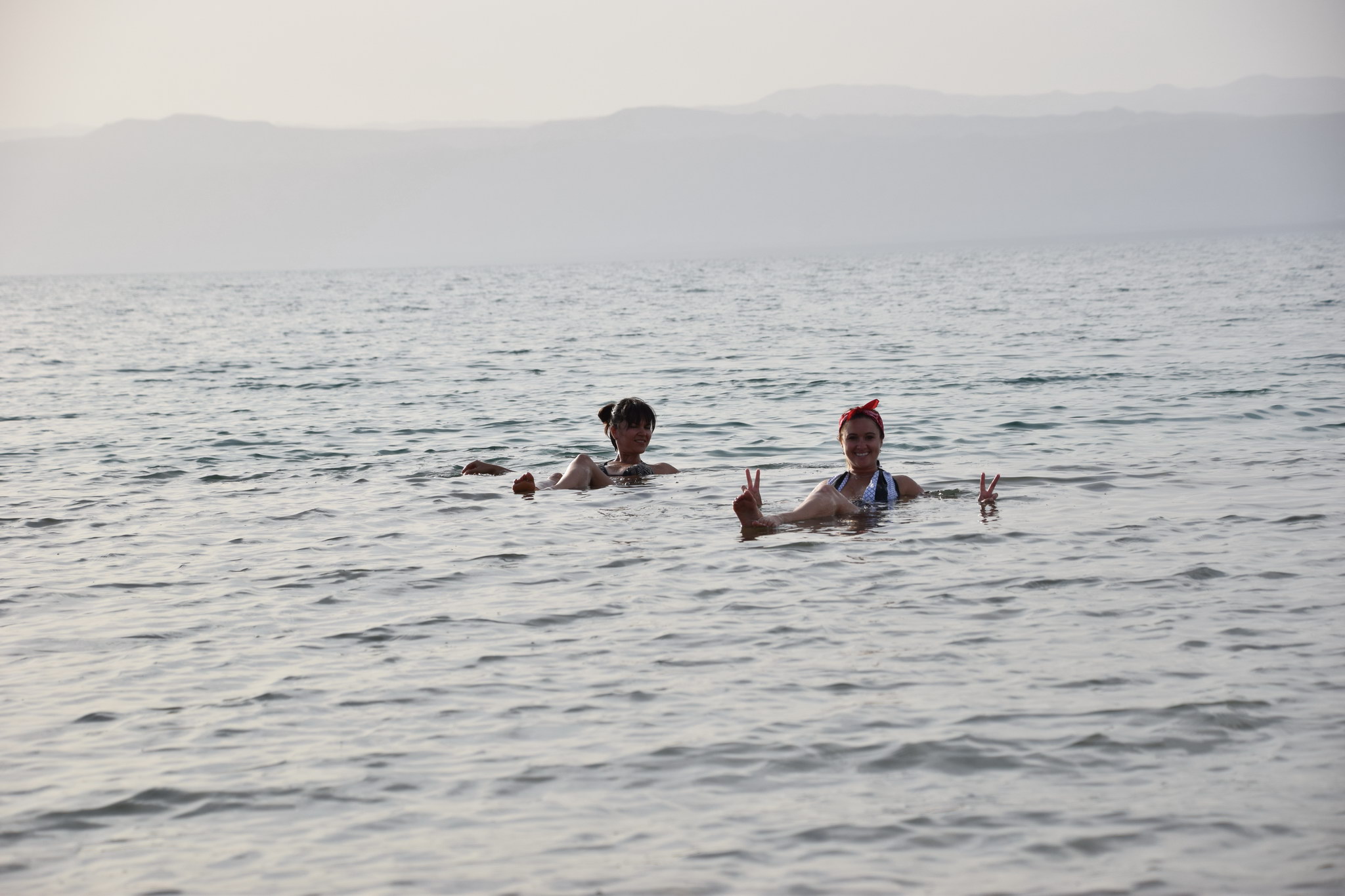
Summer in Jordan can be quite intense, with temperatures often exceeding 30°C (86°F) and soaring higher in desert areas. However, this season is perfect for beach lovers and water activities, especially in Aqaba and the Dead Sea, where you can enjoy swimming and relaxing on the shores. If you plan to explore the northern regions or the cooler hills around Amman, the heat is more manageable. Be cautious of the midday sun; it’s advisable to stay hydrated and seek shade during peak hours. Consider visiting historical sites in the early morning or late afternoon for a more comfortable experience. Despite the heat, summer is also a time for vibrant local festivals, including the Aqaba Traditional Arts Festival.
Autumn (September to November)
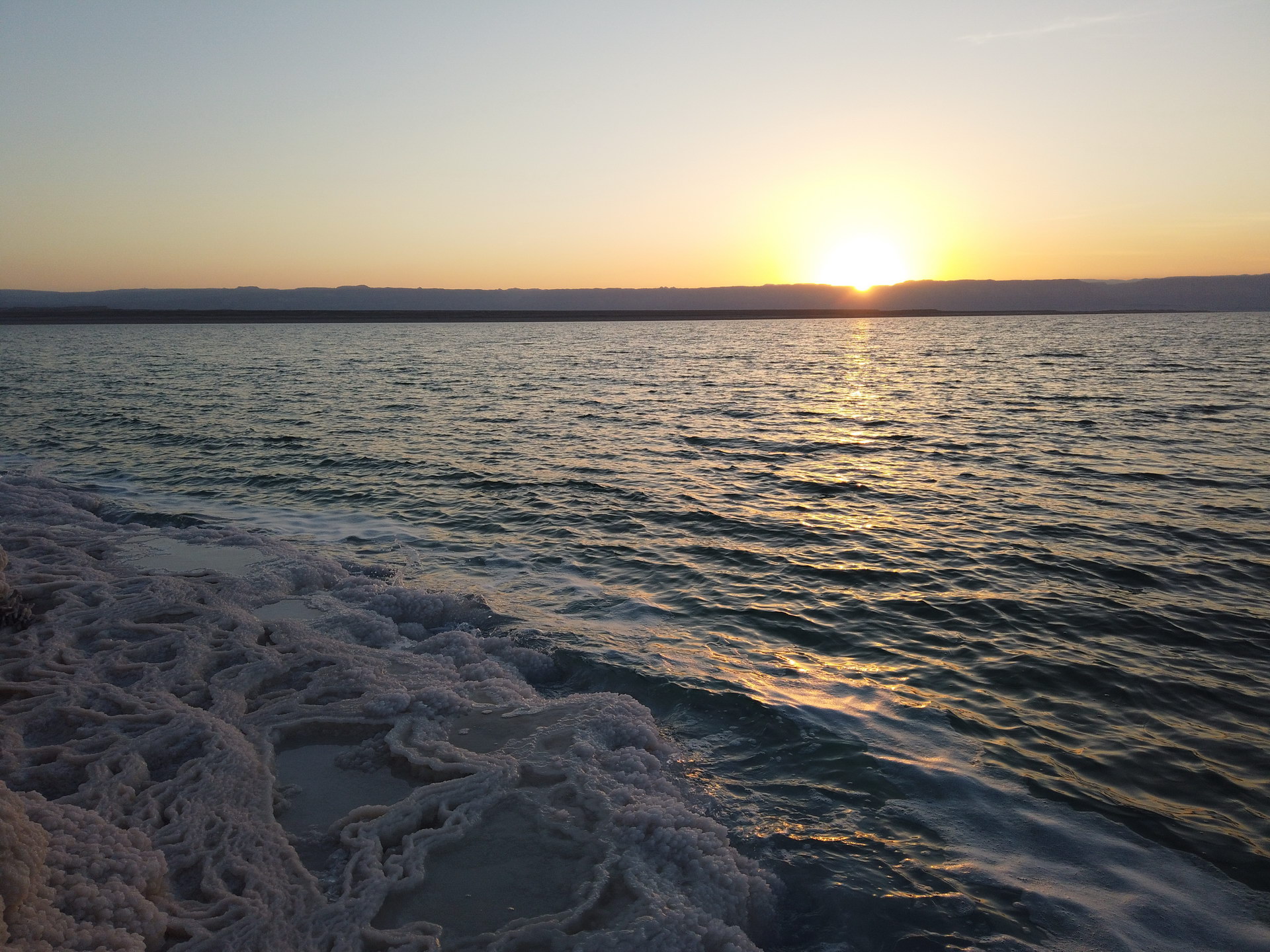
Autumn is another excellent time to visit, particularly in September and October when temperatures remain pleasant and the crowds begin to thin out. The landscape transforms with autumn colors, creating a picturesque backdrop for your adventures. This season is ideal for hiking in places like Mount Nebo and exploring the ancient ruins of Jerash. Visitors can also immerse themselves in Jordan's rich culture by experiencing local festivals, such as the Olive Harvest Festival in October. As the weather cools, it’s a great time to explore Petra and the surrounding areas without the summer heat. The autumn months also provide a fantastic opportunity to engage with local communities and experience traditional customs and crafts.
Winter (December to February)
Winter in Jordan is relatively mild, with temperatures varying significantly between regions. The higher elevations, including Petra, can get quite chilly, especially at night, so layering is advisable. While swimming in the Red Sea may not be suitable during this time, winter is perfect for urban exploration in cities like Amman, where you can enjoy the vibrant cafes and historical sites. Winter is also an excellent time for desert adventures in Wadi Rum as the cooler temperatures make hiking and exploring more comfortable. December is particularly festive, with Christmas celebrations in towns like Madaba. Although this is the low season for tourism, you’ll find that accommodations and attractions are less crowded, allowing for a more intimate experience.
When to Avoid Crowds
The best times to visit Jordan to avoid crowds are during the shoulder seasons of late spring (mid-May) and early autumn (early September). Although popular sites like Petra may still attract visitors, you’ll find it easier to explore without the hustle and bustle of peak tourist times. Consider visiting during Ramadan, the holy month for Muslims, when many locals fast from sunrise to sunset. This period can provide a unique cultural experience, but be prepared for limited food options during daytime hours.
Planning Your Trip
When planning your visit to Jordan, aim for at least a week to explore key highlights such as Petra, the Dead Sea, and Wadi Rum. Each region offers distinct experiences and attractions, and taking your time will allow you to fully immerse in the local culture and history. For those with limited time, consider a well-structured itinerary to cover the must-see sites efficiently.