The Best Time to Visit Jordan - A Seasonal Guide for Travelers
Understanding Jordan's Seasons
Jordan experiences a diverse climate, with hot summers and mild winters. The best time to visit generally falls between March and May or September to November, when temperatures are comfortable and outdoor activities are best enjoyed. Below is a breakdown of what each season offers.
Spring (March to May)
Spring is one of the most enchanting times to visit Jordan. The weather is pleasantly warm, making it ideal for outdoor exploration and sightseeing. This season showcases blooming wildflowers, particularly in the northern regions. Key destinations include:
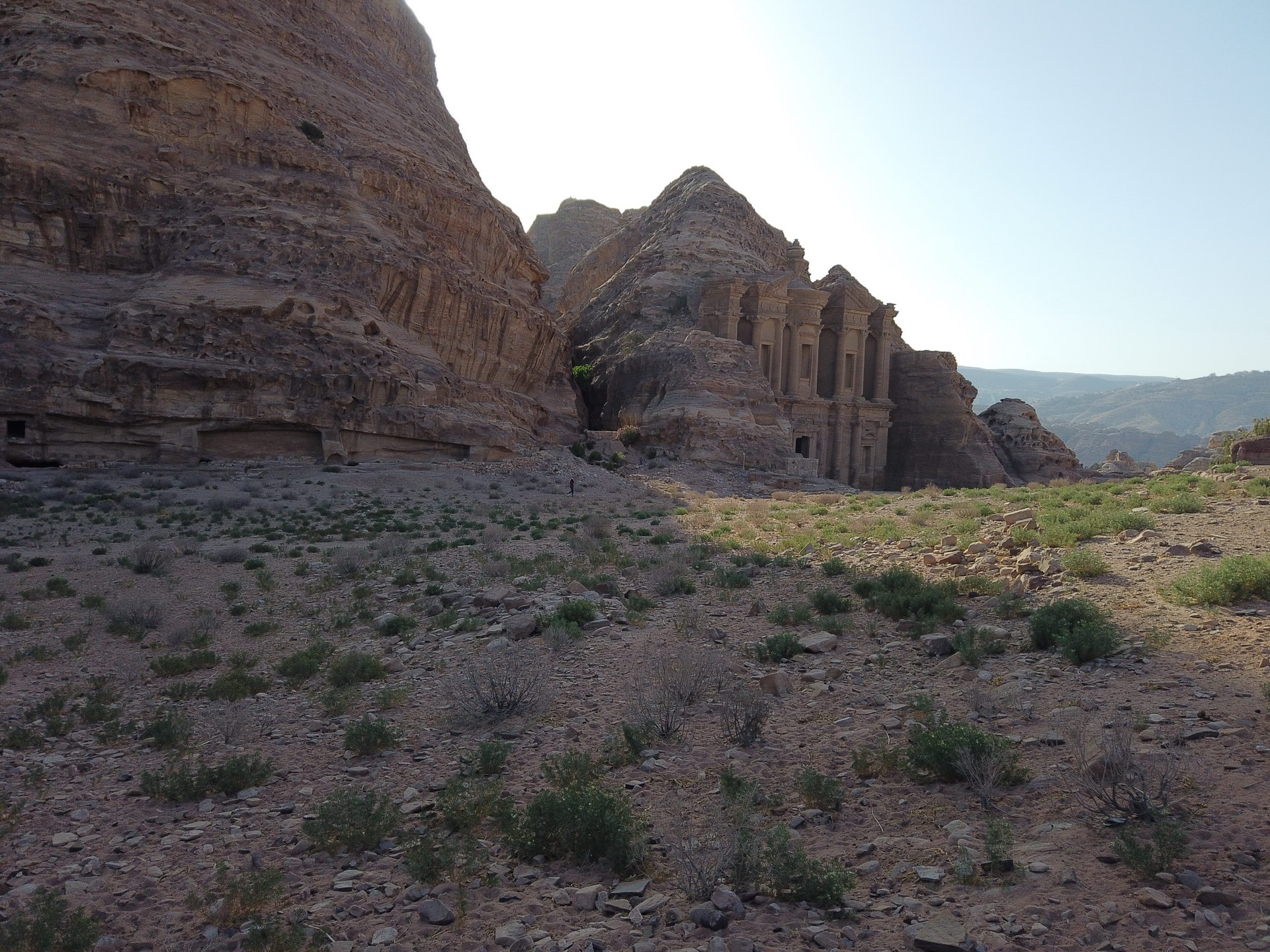
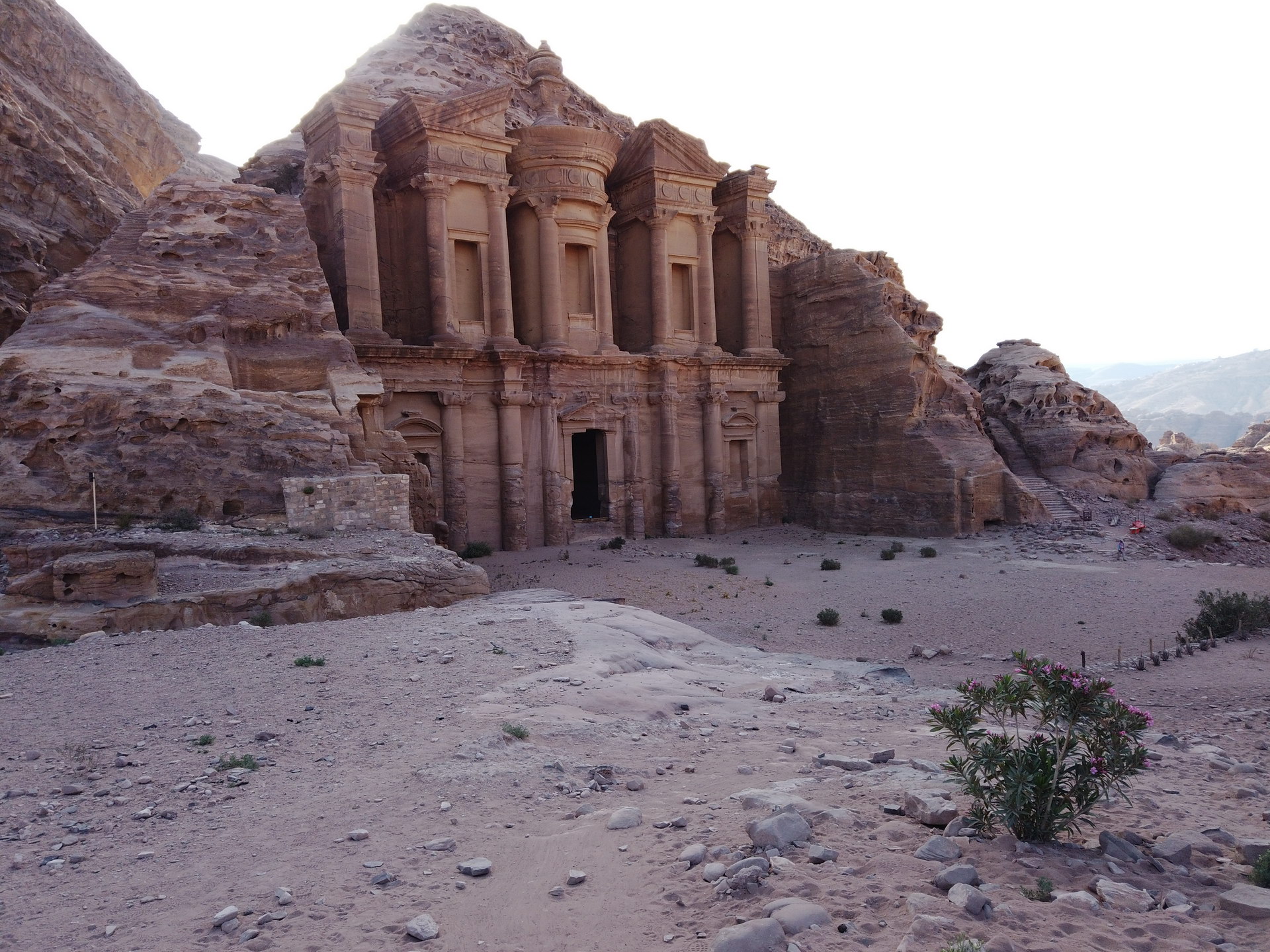
- Petra: The iconic archaeological site comes alive in spring. It’s less crowded than in summer, allowing for a more intimate experience. Don’t miss the breathtaking views of the Treasury bathed in the soft spring light. Consider visiting early in the morning or late in the afternoon for the best photographic opportunities. Entrance fees apply, and guided tours are highly recommended.
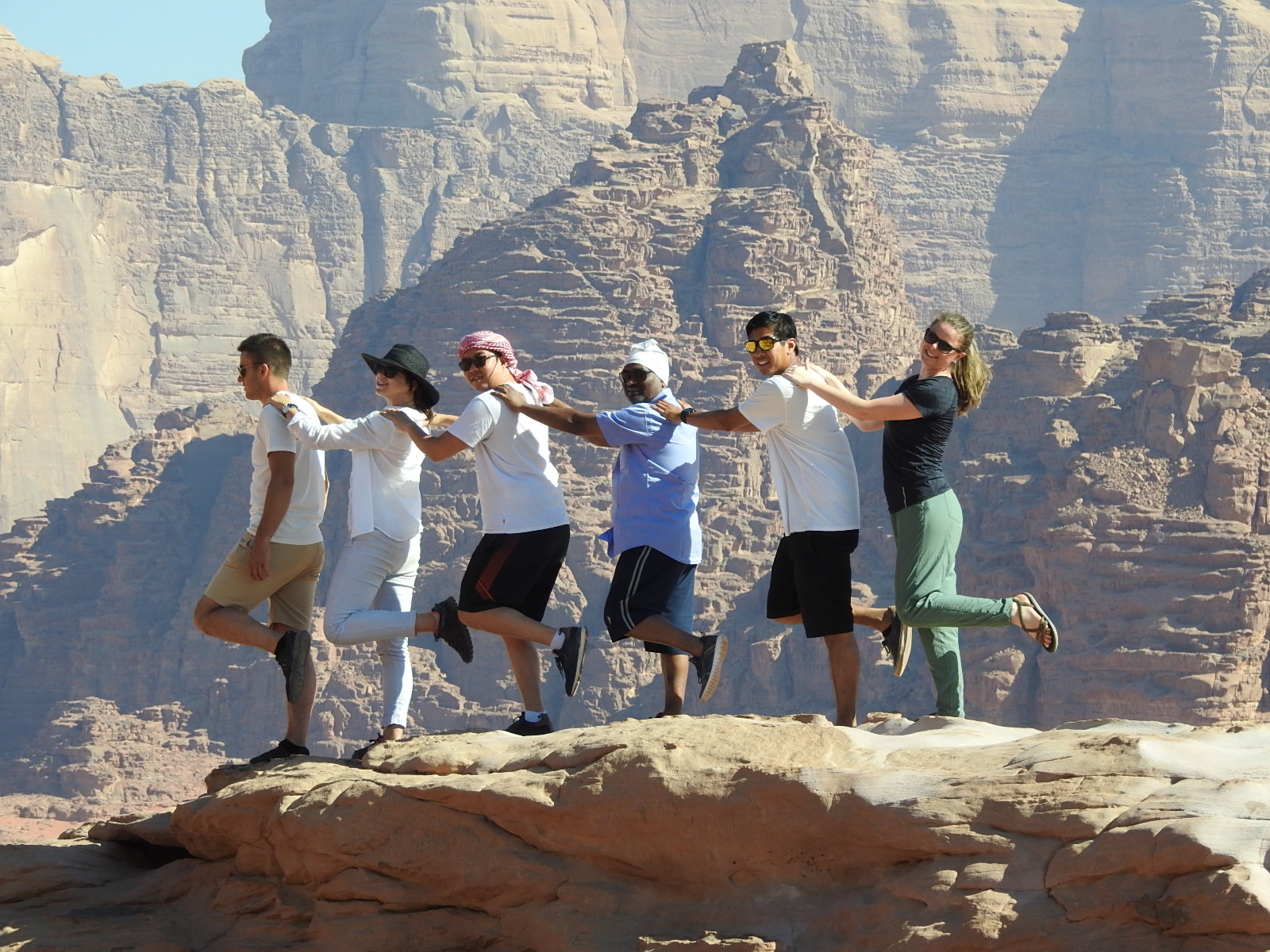
- Wadi Rum: Known for its stunning desert landscapes, spring offers mild temperatures perfect for hiking and jeep tours. You can explore rock formations, ancient petroglyphs, and even spend a night under the stars in a Bedouin camp. Ensure you book your accommodations in advance, as this is a popular season.
Summer (June to August)
Summer in Jordan can be quite hot, especially in the desert areas, where temperatures can soar above 40°C (104°F). However, this season is perfect for beach lovers, particularly in Aqaba, where the Red Sea offers refreshing waters and excellent diving opportunities. Here’s what to consider:
- Aqaba: This coastal city is Jordan's beach resort, where you can enjoy sunbathing, snorkeling, and scuba diving in vibrant coral reefs. The summer months are busy, so booking accommodations early is advisable. Take advantage of the evening breeze and sample local seafood at beachside restaurants.
- Dead Sea: Known for its unique salt concentration, the Dead Sea is a must-visit during summer. Floating in its waters is a surreal experience. Don’t forget to indulge in a mud treatment, famous for its therapeutic properties. Remember to hydrate and take breaks from the sun during peak hours.
Autumn (September to November)
Autumn is another prime time to visit Jordan, as the weather cools down and the summer crowds dissipate. This season is particularly favorable for exploring the country’s historical sites and cultural attractions.
- Jerash: This ancient Roman city is stunning in the fall. The cooler temperatures make it easier to explore its vast ruins, including the impressive amphitheater and the Temple of Artemis. Consider timing your visit with the Jerash Festival of Culture and Arts in July, which features performances and exhibitions.
- Amman: The capital city is a vibrant blend of modernity and history. Autumn is ideal for wandering through the Citadel, exploring the Roman Theater, and enjoying local cuisine in downtown eateries. Don’t miss the chance to experience the lively atmosphere of Rainbow Street.
Winter (December to February)
Winter in Jordan can be chilly, particularly in the northern and mountainous regions, with temperatures dropping significantly at night. However, this season offers fewer tourists and a unique perspective of Jordan’s landscapes. Here are some highlights:
- Petra: Visiting Petra in winter means you may encounter fewer crowds. The cooler temperatures make hiking more comfortable, and the site’s beauty is breathtaking against the backdrop of winter skies. Consider joining a guided night tour to see the Treasury illuminated by candlelight.
- Mount Nebo: This religious site is significant in Christian tradition and offers stunning views of the Holy Land. Winter visits provide a serene atmosphere, perfect for reflection and exploration. Dress warmly, as temperatures can be quite low.
Travel Tips for Jordan
Regardless of when you decide to visit, here are some essential tips to enhance your travel experience in Jordan:
- Dress Appropriately: Jordan is a conservative country; it's best to dress modestly, especially when visiting religious sites.
- Stay Hydrated: The desert climate can be dehydrating, so ensure you drink plenty of water, particularly during outdoor activities.
- Currency and Payments: The local currency is the Jordanian Dinar (JOD). Credit cards are widely accepted, but it's wise to carry cash for smaller vendors and markets.
- Transportation: Renting a car is a great way to explore at your own pace, but taxis and local buses are available and affordable.