The Best Time to Visit Jordan - A Seasonal Guide for Travelers
Understanding Jordan’s Climate
Jordan is a year-round destination, but the timing of your visit can greatly affect your experience. The country boasts a variety of climates, largely dictated by its topography. Cities like Amman, Petra, and Wadi Rum are situated at elevations over 800 meters, while the Dead Sea lies 400 meters below sea level. This means that temperatures can vary significantly across the country, making it crucial to choose your travel dates wisely based on your planned activities.
Spring: March to May
Spring is arguably the best time to visit Jordan, especially if you're looking to explore its natural beauty and historical sites. From March to May, the weather is pleasantly warm, with daytime temperatures ranging from 20°C to 30°C. This season is characterized by blooming wildflowers and lush greenery, particularly in the valleys and hills. For hikers and outdoor enthusiasts, it’s an ideal time to explore the nature reserves and trails around the Dead Sea and Wadi Rum.
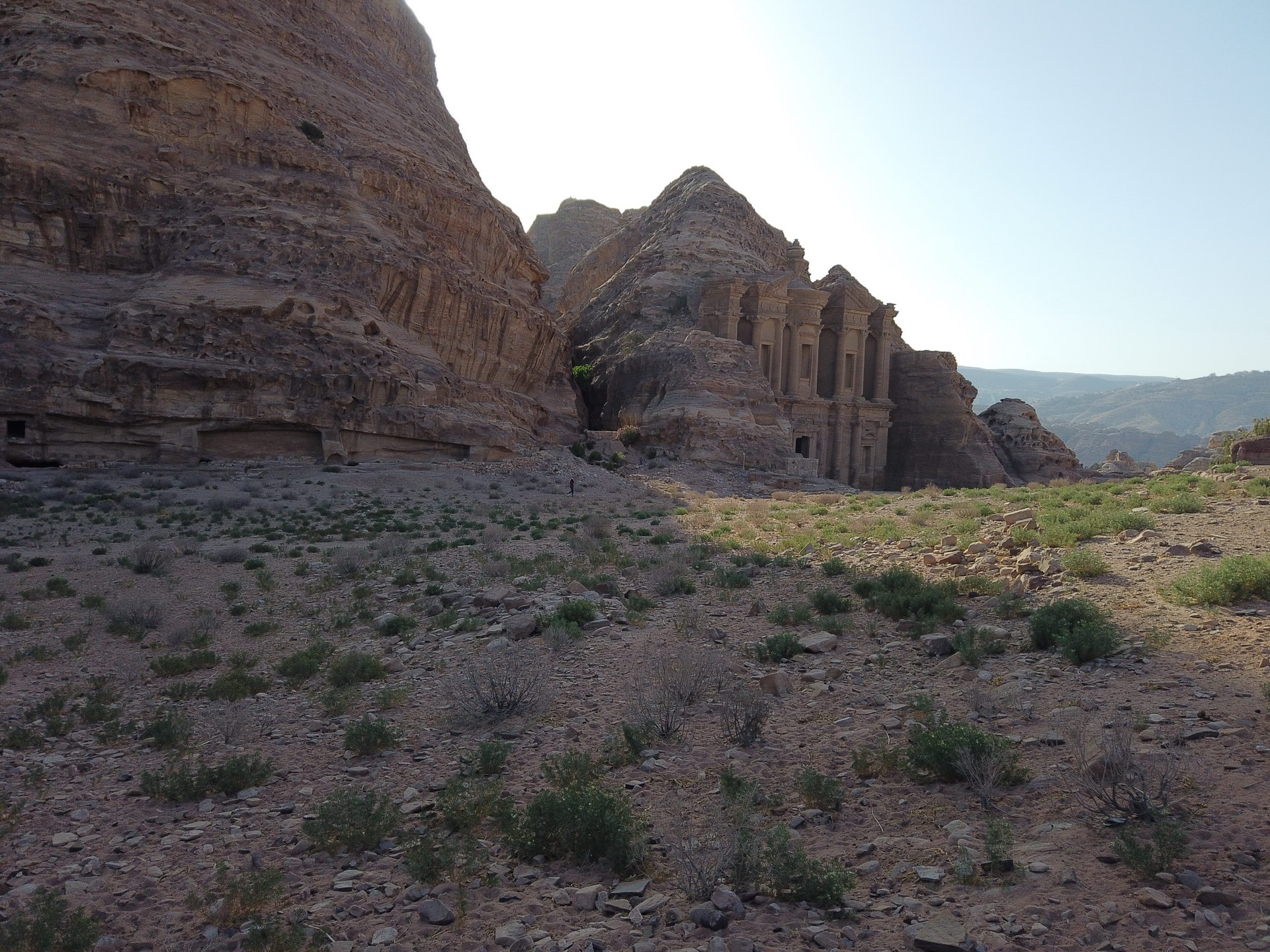
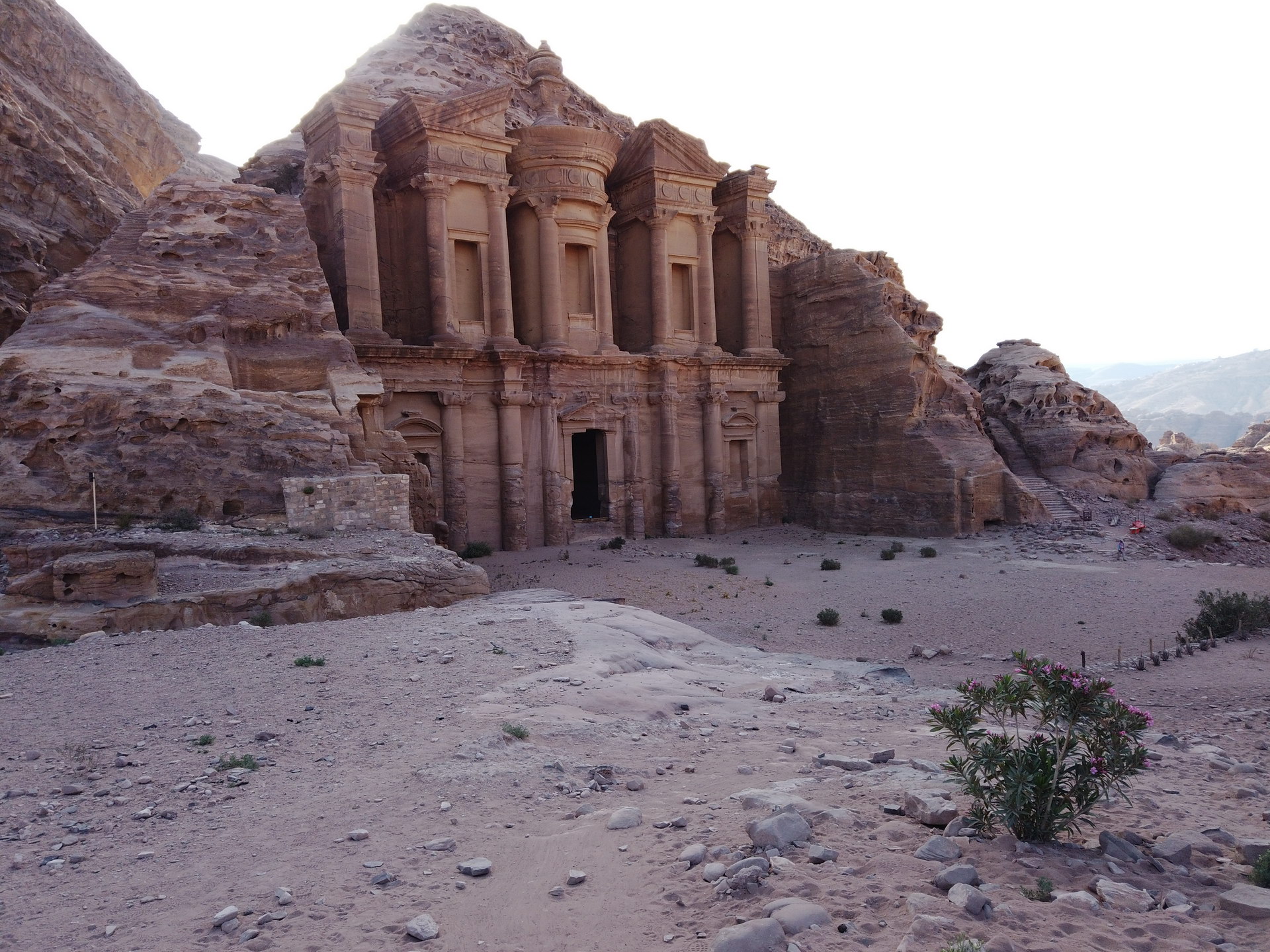
April and May are especially recommended, with low rainfall and comfortable temperatures. As you hike through Petra, you’ll appreciate the stunning sandstone formations bathed in soft spring light. However, be prepared for cooler nights, especially in higher elevations like Amman. Make sure to book accommodations in advance, as the spring season attracts many tourists eager to experience Jordan’s natural beauty.
Summer: June to September
Summer in Jordan can be extremely hot, especially in the southern regions around the Dead Sea and Aqaba, where temperatures can soar above 40°C. While this may not be the most comfortable time for outdoor exploration, it’s perfect for beach lovers who want to enjoy the warm waters of the Red Sea. Aqaba's beaches provide a refreshing escape, and the sea temperature remains inviting at around 24°C.
Despite the heat, summer is also a vibrant time for cultural festivals. The Jerash Festival for Culture and Art, held in July, showcases the best of Jordanian dance and music, making it a great time to experience local culture. If you choose to visit during this season, plan your outdoor activities for the early morning or late afternoon to avoid the midday heat, and ensure you stay hydrated.
Fall: September to November
Fall is another wonderful time to explore Jordan, particularly in September and October when temperatures start to cool from the scorching summer highs. This period marks the beginning of the rainy season, which usually brings light showers in October, rejuvenating the landscape and making it vibrant for exploration. The weather is ideal for visiting historical sites like Jerash and Petra, with average temperatures ranging from 20°C to 28°C.
October is particularly favorable for diving in Aqaba, as the water temperatures are around 26°C and the visibility is excellent. The arrival of autumn also means fewer crowds at major attractions, allowing for a more intimate experience with Jordan's rich history and culture.
Winter: December to February
Winter in Jordan can be quite chilly, especially in Amman and Petra, where temperatures can drop to around 0°C at night. While snow is not uncommon in the higher elevations, many parts of the country remain mild, particularly Aqaba, where temperatures can reach up to 23°C and continue to attract beachgoers. This season is less popular among tourists, so you'll find lower prices and fewer crowds at major sites.
For those willing to brave the cooler temperatures, winter offers a unique perspective of Petra, with the low winter light creating stunning variations in the color of the sandstone. Just ensure you pack warm clothing, especially if you plan to visit the northern regions, where biting winds are common.
Planning Around Holidays
When planning your visit, keep in mind that major Islamic holidays like Eid al-Fitr and Eid al-Adha can greatly affect travel arrangements. During these times, flights may be fully booked, and prices for accommodations can rise significantly. Additionally, Ramadan, the holy month of fasting, also impacts local schedules. It’s advisable to check Islamic holiday dates and book your travel arrangements well in advance, especially if you’re traveling around these busy periods.
Conclusion
In summary, the best time to visit Jordan largely depends on your interests and the experiences you seek. Whether it’s the blooming landscapes of spring, the cultural vibrancy of summer festivals, the comfortable temperatures of fall, or the unique charm of winter, Jordan welcomes visitors year-round. Make sure to consider your itinerary and the weather conditions to make the most of your journey through this captivating country.