The Best Time to Visit Jordan - Climate, Seasons, and Practical Tips
Understanding Jordan's Climate
Jordan is unique in the Middle East for its four distinct seasons, creating varied experiences across its regions. The climate can be influenced by the geography of the country, with coastal areas like Aqaba enjoying milder temperatures compared to the mountainous regions in the north. Generally, the best times to explore Jordan are during spring (March to May) and autumn (September to November) when daytime temperatures hover in the mid-20s Celsius (mid-70s Fahrenheit), making outdoor activities enjoyable.
Best Time to Visit Petra
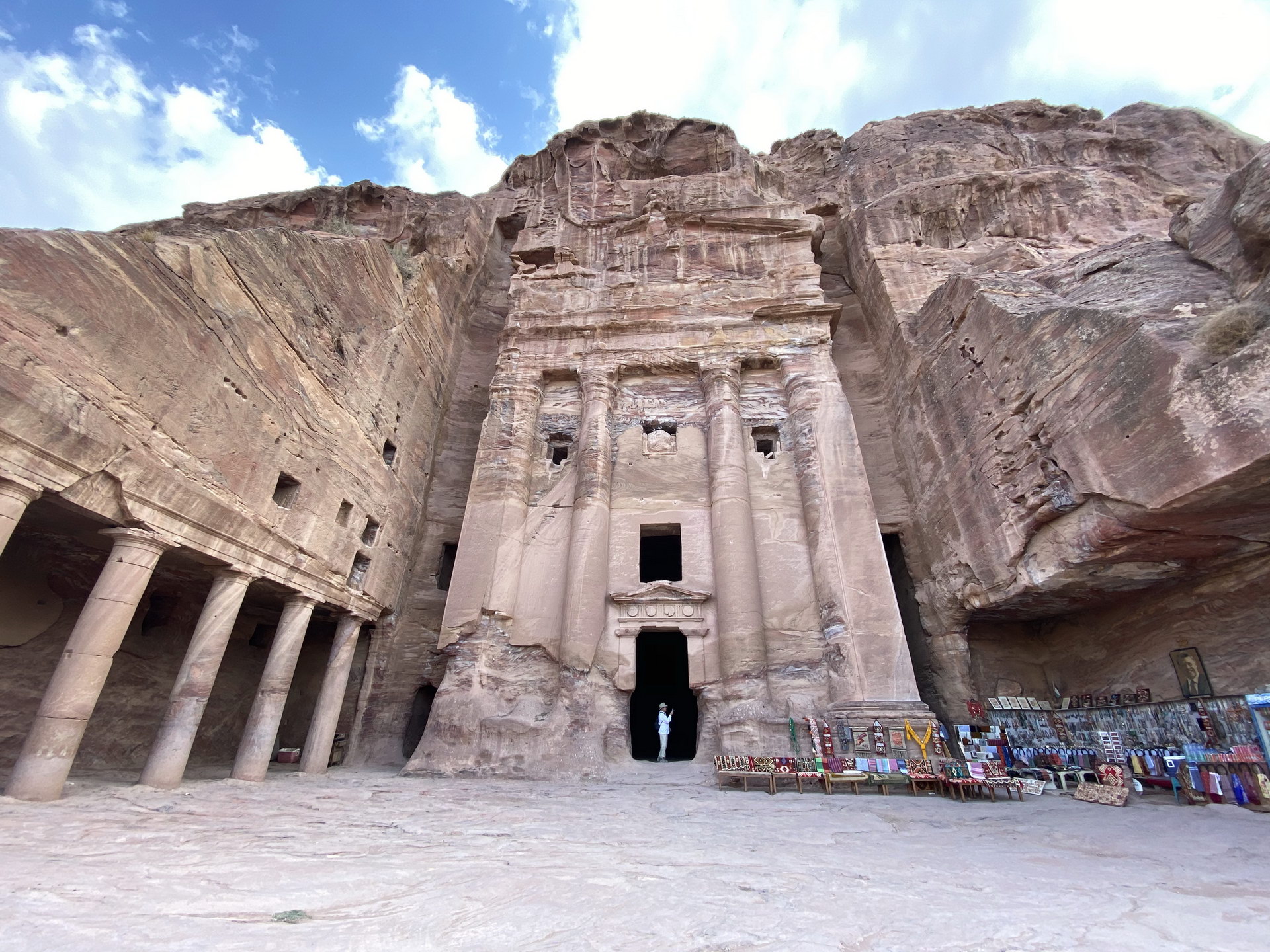
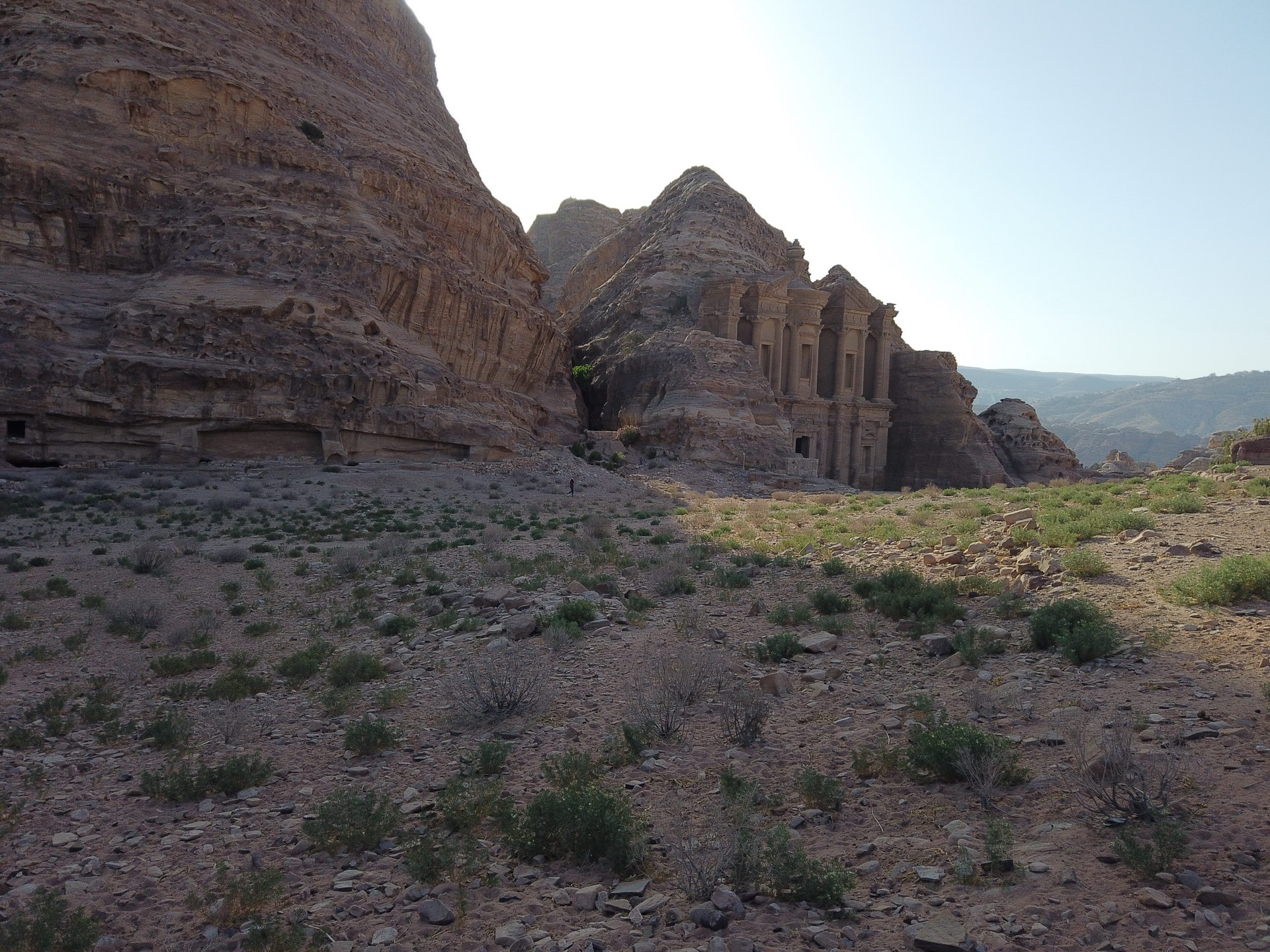
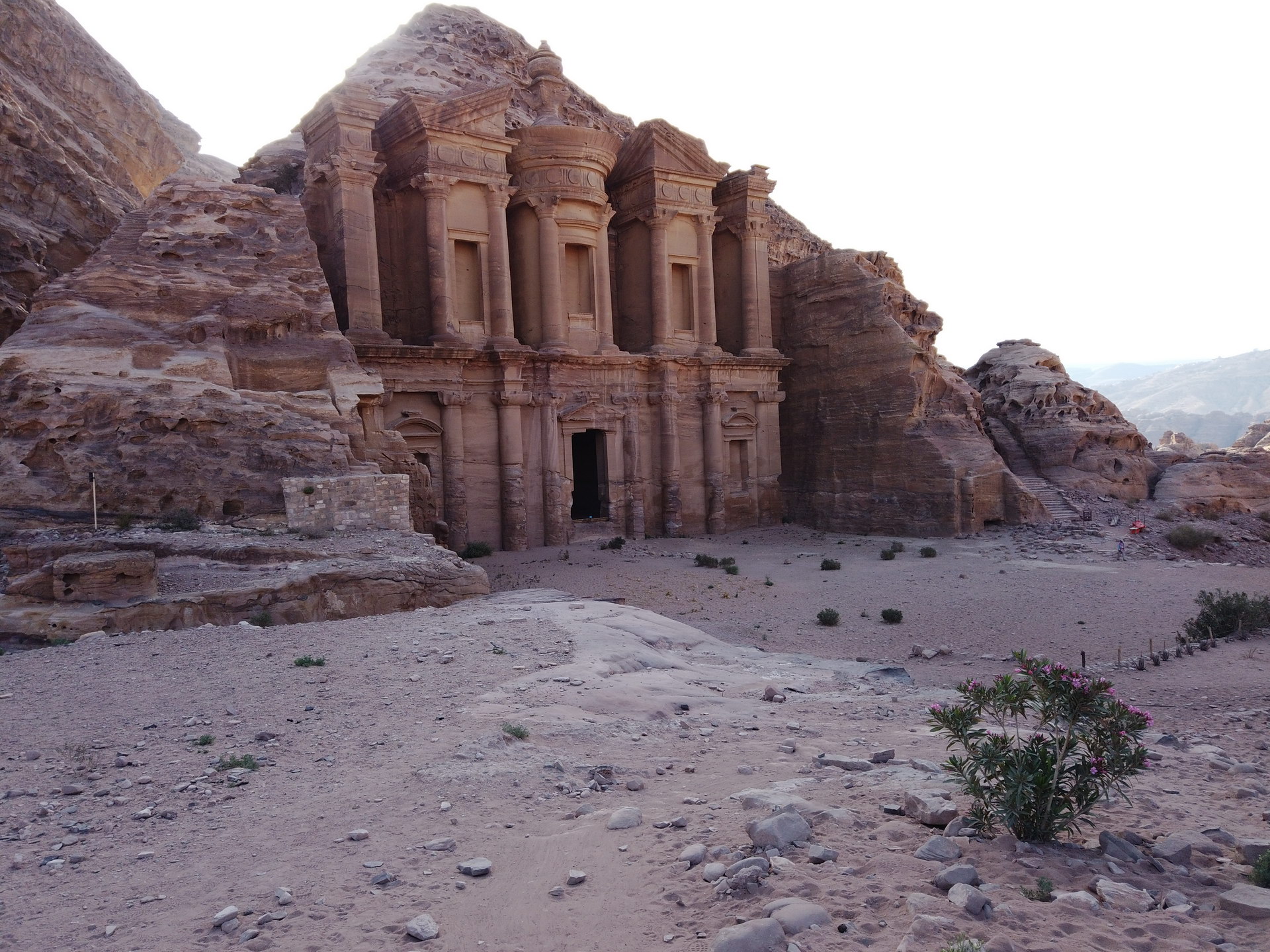
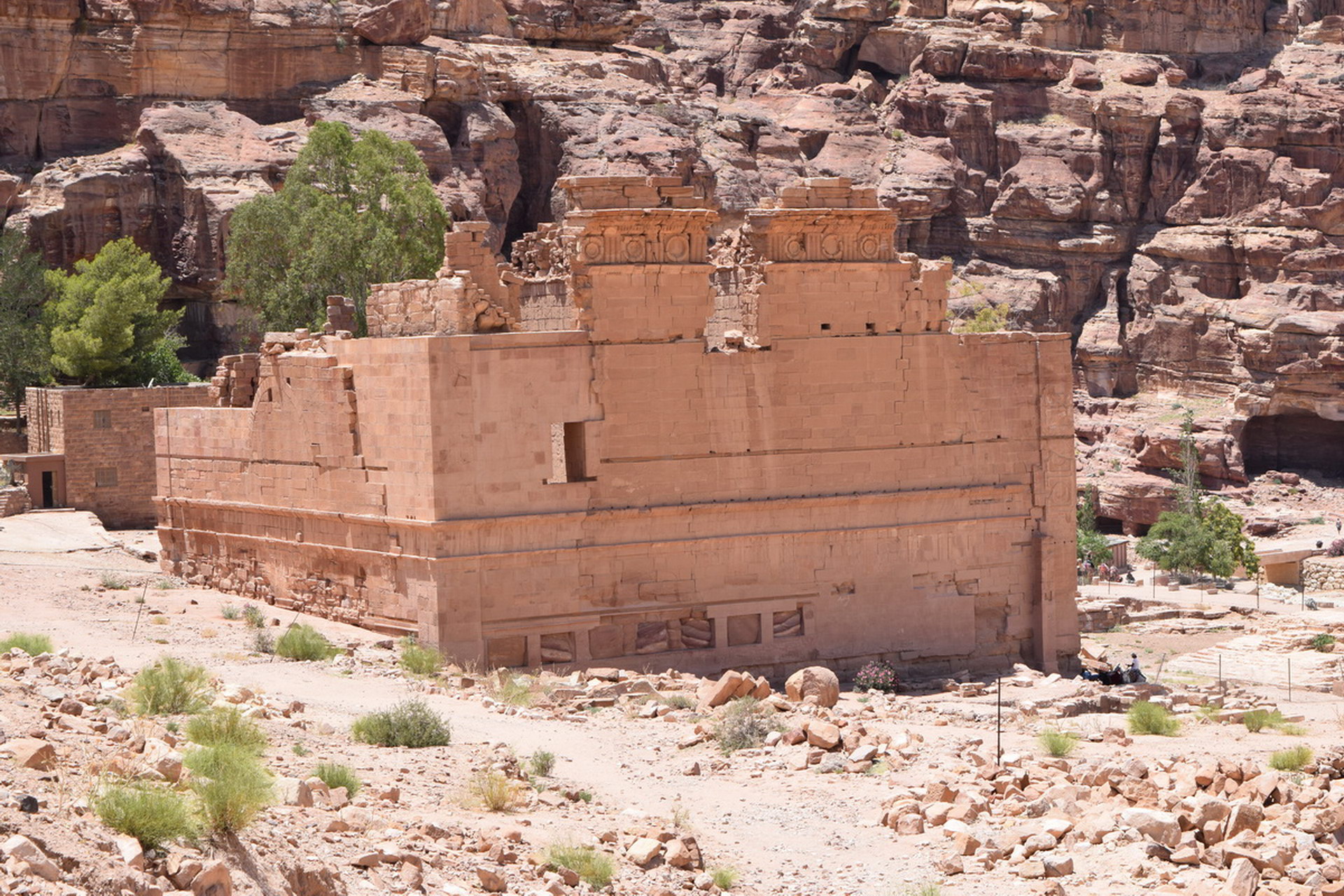
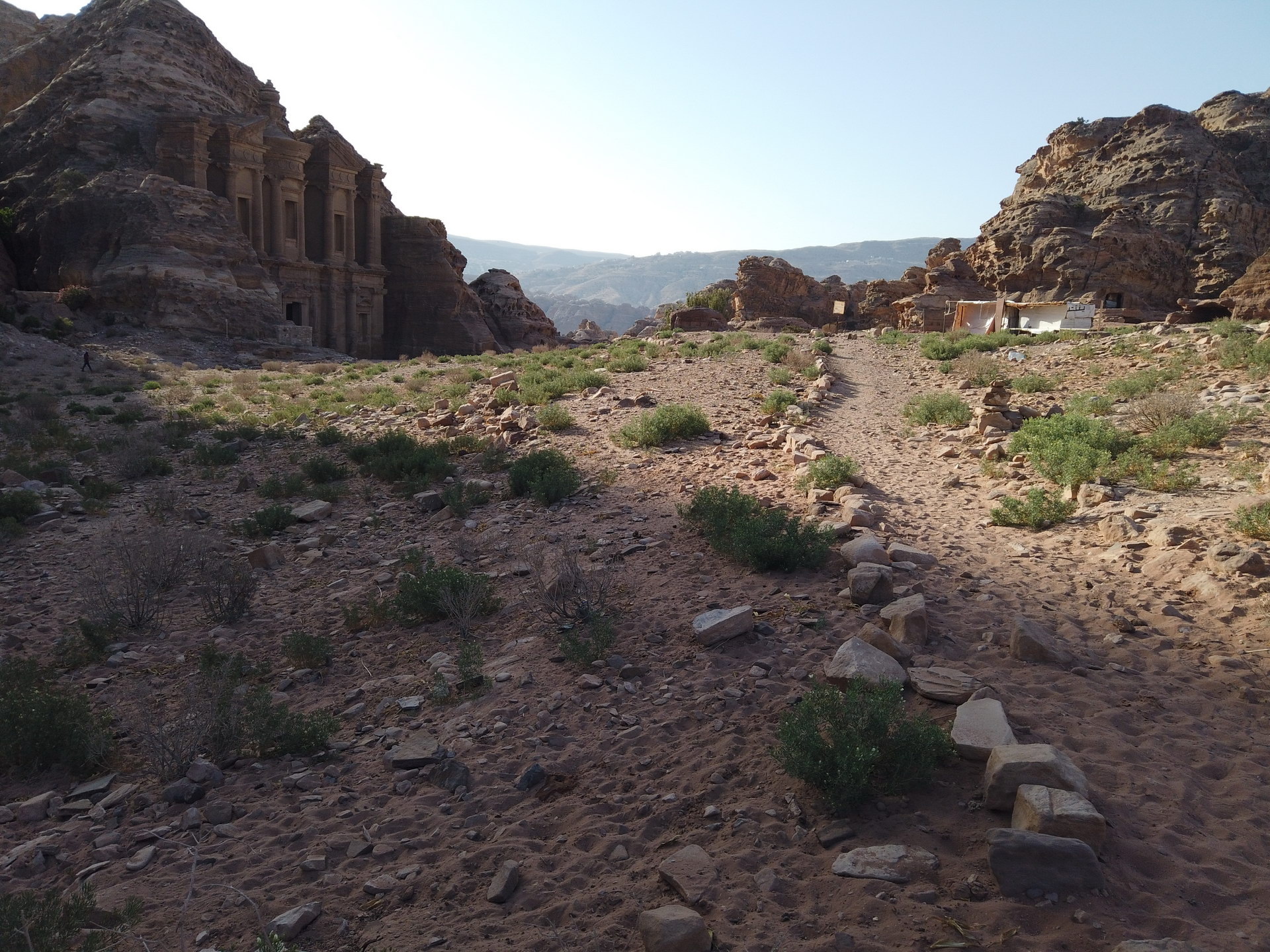
Petra, a UNESCO World Heritage site and one of the New Seven Wonders of the World, is best visited during the spring and autumn months. These seasons offer comfortable trekking weather, with average daytime temperatures ranging from 20°C to 25°C (68°F to 77°F). However, these months also attract the largest crowds, so if you prefer quieter visits, consider early mornings or the mid-summer months when temperatures peak around 33°C (91°F) but crowds thin as many head to beach resorts. Winter visits can also be pleasant, with daytime averages around 20°C (68°F), but be prepared for cool nights that can drop to 2°C (36°F). Remember to layer your clothing if visiting in winter. Don’t miss the magical “Petra by Night” experience, which occurs on Mondays, Wednesdays, and Thursdays, showcasing the ancient city illuminated by candles.
Best Time to Visit Wadi Rum
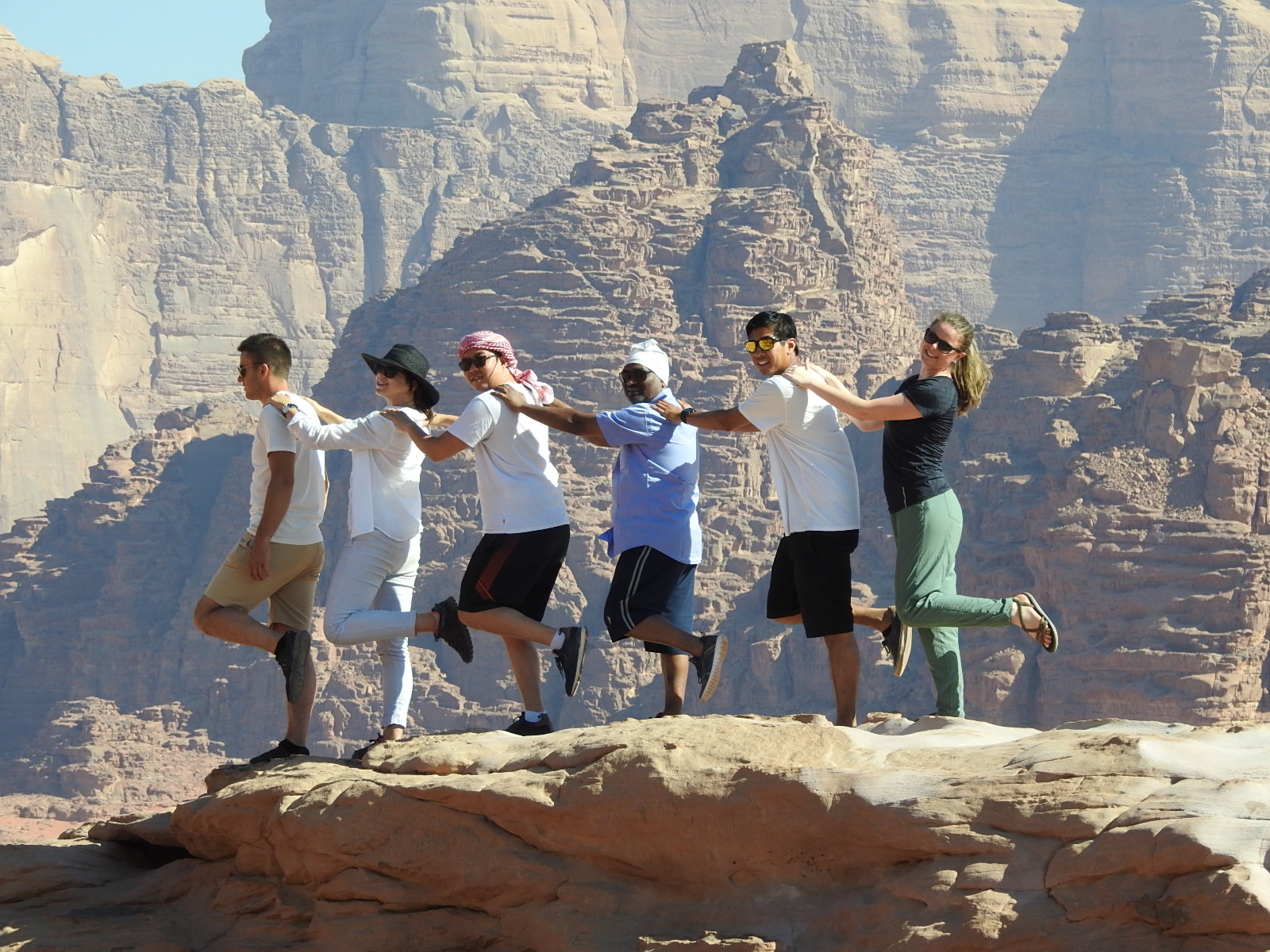
Wadi Rum, famed for its stunning desert landscapes, can be visited year-round. However, spring (March to May) and autumn (September to November) are ideal, with daytime temperatures averaging 20°C to 25°C (68°F to 77°F). Summer temperatures can reach 34°C (93°F) but drop significantly at night, making it essential to prepare for colder evenings. If you’re interested in stargazing, consider timing your visit during the Perseids Meteor Shower in July and August when the clear desert skies offer spectacular views. When visiting in winter, expect cooler temperatures between 10°C to 15°C (50°F to 59°F) during the day, and even freezing at night, but Bedouin camps provide blankets for comfort. Wadi Rum is a remarkable place for adventure, offering guided tours, rock climbing, and jeep safaris through its stunning landscapes.
Best Time to Visit the Dead Sea
The Dead Sea, the lowest point on earth, boasts a unique climate that allows for year-round visits. Summers can get extremely hot, exceeding 40°C (104°F), which makes a dip in the mineral-rich waters a necessity, albeit a warm one at temperatures up to 37°C (98°F). The best time to visit is during the cooler months from late autumn through early spring (November to March), with daytime temperatures around 20°C (68°F) and mild evenings. Though it may rain occasionally during this period, it's usually light. This low season can result in better accommodation rates, making it an attractive option for budget travelers. Be cautious of flash flooding from rainfall in nearby mountains. The Dead Sea is renowned not just for its buoyant waters but also for its therapeutic mud, which adds to the allure of this unique destination.
Best Time to Visit Aqaba and the Red Sea
Aqaba, located on the Red Sea, is Jordan's premier resort town, ideal for beach lovers and diving enthusiasts. The best time to visit Aqaba is from mid-March to mid-November, with pleasant air temperatures ranging from 20°C (68°F) in winter to a sweltering 40°C (104°F) in summer. Water temperatures are also inviting, ranging from 21°C (70°F) in winter to 27°C (80°F) during the peak summer months. Aqaba remains relatively low in humidity, making it comfortable during warmer periods. Plan your visit around February to experience the Aqaba Traditional Arts Festival, celebrating Bedouin culture with art and crafts. For those seeking underwater adventures, the vibrant coral reefs and diverse marine life make for unforgettable diving experiences.
Best Time to Visit Amman
Amman, Jordan's capital, usually experiences cooler temperatures than Aqaba, especially in winter when daytime highs average around 12°C (52°F) in January. Visitors should dress warmly to combat the colder weather, which can include rain and occasional snow. Spring and autumn offer a welcome reprieve with mild, pleasant days. During summer, Amman sees average highs around 32°C (90°F), making it one of the more temperate capitals in the region. Exploring Amman's vibrant cultural scene, historical sites, and bustling markets is best done in the spring and fall when the weather is most agreeable.
Public Holidays and Events in Jordan
When planning your trip, be aware of Jordan's public holidays, which may affect business operations and tourist activities. Major holidays include New Year’s Day (January 1), Jordan Independence Day (May 25), and Eid celebrations, which shift annually based on the Islamic lunar calendar. Additionally, cultural events like the Jerash Festival of Culture and Arts, held in the ancient city of Jerash, showcases local and international artists and attracts many visitors during the summer months. Also, prepare for altered business hours during the holy month of Ramadan, when many locals fast, affecting the availability of restaurants and services during the day.
Conclusion
Understanding the best times to visit Jordan and its distinct regions can significantly enhance your travel experience. Whether you're planning to explore the ancient ruins of Petra, bask in the sun at the Dead Sea, venture through Wadi Rum's stunning landscapes, or enjoy the aquatic adventures in Aqaba, each season offers something unique. Make sure to check local events and holidays that could impact your travel plans for a smoother journey through this remarkable country.