The Best Times to Visit Jordan - A Seasonal Guide
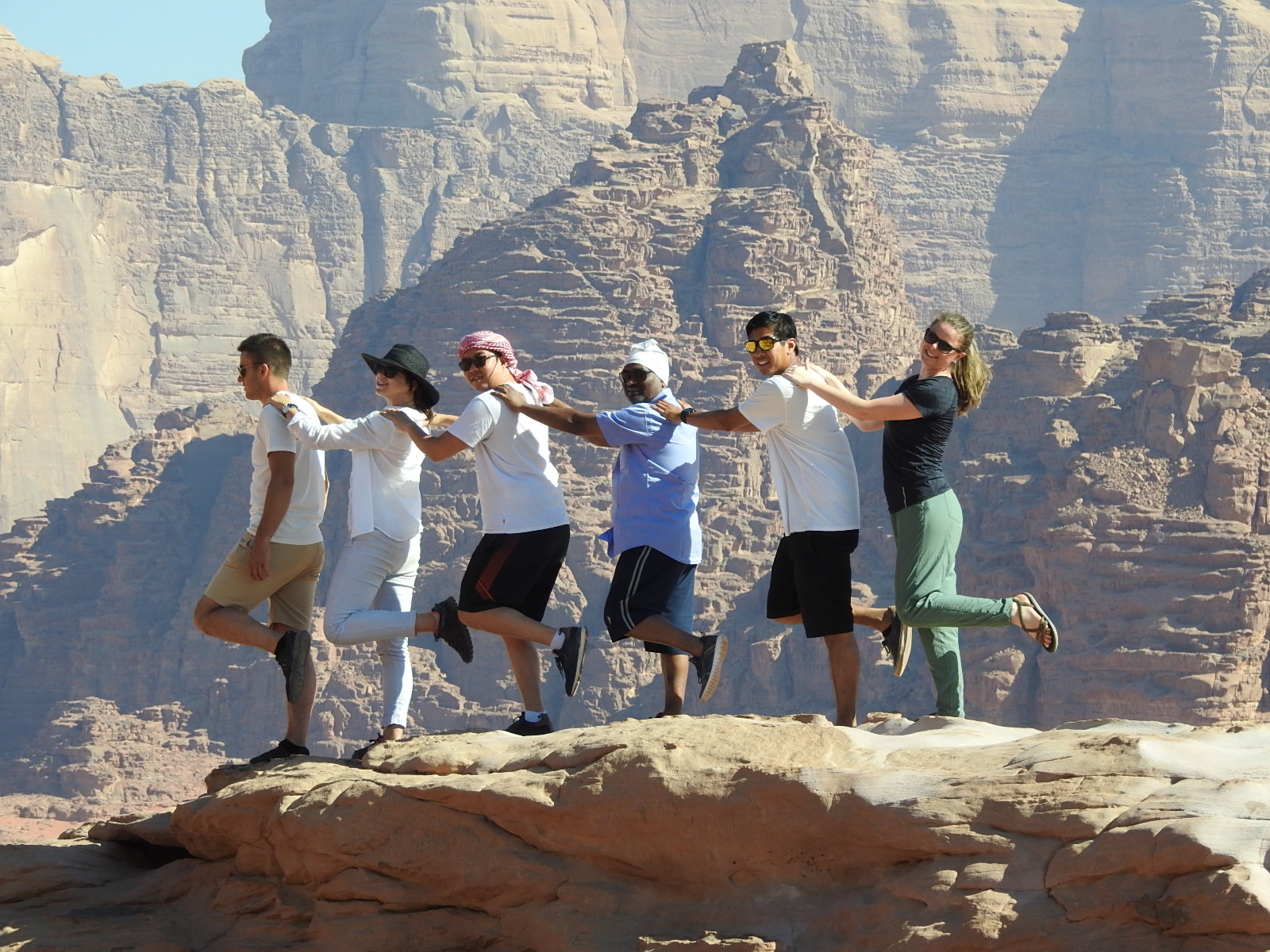
Jordan is a captivating destination that offers travelers a unique blend of ancient history and breathtaking desert landscapes. Whether you’re exploring the iconic Petra, relaxing by the Dead Sea, or embarking on an adventure in Wadi Rum, the timing of your visit can greatly enhance your experience. Here’s a comprehensive seasonal guide to help you determine the best time to visit this remarkable country.
Understanding Jordan's Weather
Jordan's climate varies across its regions, influenced by its diverse geography. From the scorching deserts to the breezy coastlines, each area has its own unique weather patterns. Knowing these can help you choose the best time for your trip.
Spring (March to May)
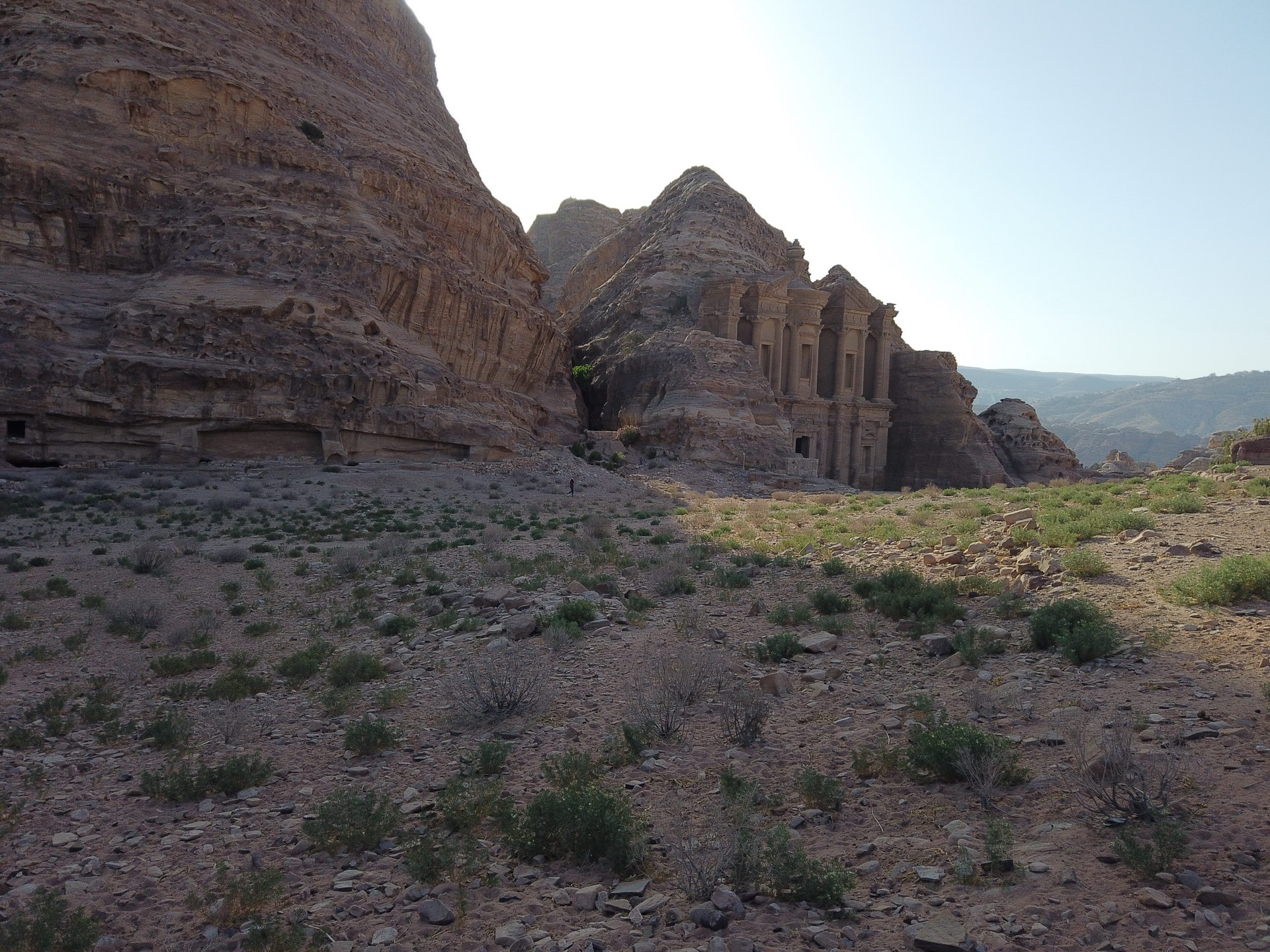
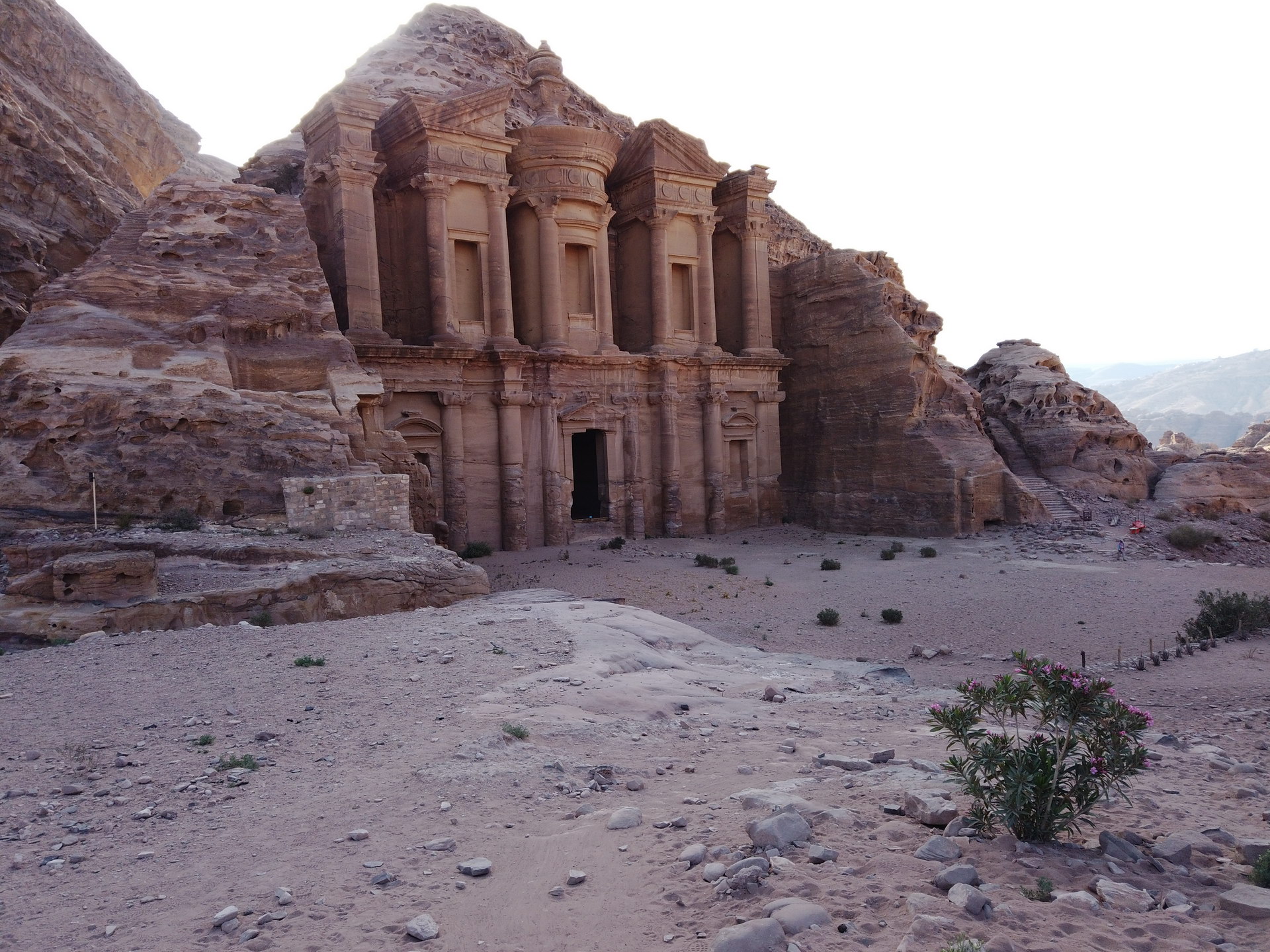
Spring in Jordan is truly enchanting, with nature showcasing its vibrant colors. Temperatures range from 15°C (59°F) to 25°C (77°F), making it an ideal time for outdoor activities. The landscape blooms with wildflowers, and historical sites like Petra and Jerash are less crowded compared to peak seasons. It's the perfect opportunity to hike through the stunning canyons of Petra or to explore the ruins of Jerash. Be sure to carry water and wear comfortable shoes, as you’ll want to spend plenty of time immersing yourself in the rich history and beauty of these sites. March and April are especially popular months for outdoor adventures, so consider booking your accommodations in advance.
Summer (June to August)
Summer in Jordan can be intensely hot, particularly in desert regions where temperatures can exceed 40°C (104°F). However, if you’re a fan of the heat, this season has its perks. With fewer tourists around, popular sites like Petra and Wadi Rum are more accessible, allowing you to explore these wonders at your own pace. Coastal cities like Aqaba offer a refreshing escape, where you can enjoy the Red Sea's beautiful beaches and water activities. If you decide to visit during this season, plan your outdoor excursions for the early morning or late afternoon to avoid the peak heat of midday.
Fall (September to November)
As summer fades, fall brings a pleasant transition with temperatures ranging from 20°C (68°F) to 30°C (86°F). This season is ideal for activities such as hiking and exploring Jordan's many archaeological sites. The crowds that returned in the fall are still manageable, and the weather is perfect for leisurely strolls in picturesque places like Petra and Wadi Rum. Autumn is also a fantastic time for cultural experiences, including local festivals and events. Make sure to check the local calendar for any happenings during your visit!
Winter (December to February)
Winter in Jordan can be chilly, especially in the northern regions like Amman and Petra, where temperatures can drop below 10°C (50°F). However, this time of year brings a unique charm, as the tourist crowds thin out, allowing for a more intimate exploration of the country’s historical sites. If you enjoy a quieter atmosphere, winter is a great time to visit. While the Dead Sea remains a great destination, its mild climate makes it an attractive option for a winter getaway. Do pack warm clothing if you plan to explore the highlands or venture into the desert at night.
Peak and Low Seasons
Understanding Jordan's peak and low seasons can help you choose the right time for your visit. The high season occurs from March to May and September to November, when the weather is most pleasant and popular sites are bustling with activity. If you’re looking for a lively atmosphere and do not mind crowds, this is the time to go. However, be prepared to book your accommodations and tours well in advance.
The low season, from June to August and December to February, offers fewer crowds and potentially cheaper accommodations. If you can cope with the summer heat or the winter chill, you’ll find a serene and beautiful Jordan waiting for you.
Best Time to Visit Petra
Petra, Jordan's crown jewel, is best visited during the spring and fall months. These seasons provide comfortable temperatures for exploring the ancient ruins and stunning rock-cut architecture. Spring brings vibrant wildflowers that enhance the landscape, while fall offers cooler temperatures that make walking through the site enjoyable. To avoid the crowds yet still enjoy pleasant weather, consider visiting during the weekdays or early in the morning.
Cultural Considerations: Religious Holidays
Visiting Jordan during significant religious holidays like Ramadan or Eid can enrich your experience, but it may require some adjustments. Ramadan is a holy month of fasting for Muslims, affecting daily routines and business hours. Restaurants may close during the day, so planning your meals in advance is necessary. Eid al-Fitr and Eid al-Adha are festive times of celebration, featuring family gatherings and special prayers, providing a unique glimpse into Jordanian culture. However, be aware that some businesses may close or have reduced hours during these periods.
Month-by-Month Breakdown
- January: Expect cool temperatures and fewer tourists, making it perfect for a quiet exploration of major sites. Coastal areas like Aqaba offer milder weather.
- February: Slightly warmer than January, this month allows travelers to enjoy Jordan's historical sites without the usual crowds.
- March: Spring emerges, with blooming flowers and comfortable temperatures, ideal for outdoor adventures.
- April: The landscape is lush, and it’s a popular time for tourists, so book accommodations in advance.
- May: Warm weather and clear skies make for excellent sightseeing, but expect more tourists at popular sites.
- June: Summer heat kicks in; however, it’s a quieter time for tourism and offers a great chance to explore the desert.
- July: Intense heat continues, but lower prices and fewer tourists make it a unique time to visit.
- August: Similar to July; consider coastal areas for a respite from the heat.
- September: Fall begins with cooler temperatures and fewer crowds, perfect for exploration.
- October: Comfortable weather and beautiful landscapes enhance your sightseeing experience.
- November: Mild temperatures and a decrease in tourist numbers make it an excellent time for a quieter visit.
- December: Winter sets in with cooler temperatures, but it remains a peaceful time for travel, especially along the coast.