Top Tourist Attractions in Jordan - A Comprehensive Travel Guide
1. Umm Qais
Umm Qais, known in ancient times as Gadara, is a remarkable site featuring Roman ruins constructed from distinctive black basalt stone. Located near the Syrian border, it offers breathtaking views of the Sea of Galilee, Golan Heights, and the Palestinian territories. The site is less crowded than other tourist spots, making it an ideal location for history enthusiasts and those seeking a peaceful escape. Explore the remnants of the Roman theater and the remains of the ancient city that once thrived here. The best time to visit is during the spring and fall when the weather is pleasant. Umm Qais is easily accessible by car from Amman, about a 1.5-hour drive.
2. Ajloun
Ajloun is home to the historic Ajloun Castle, a 12th-century fortress built by the Muslim general Salah ad-Din. Perched on a hilltop, the castle provides panoramic views of the surrounding countryside and was strategically important for controlling trade routes. The architecture reflects both Islamic and Crusader influences, making it a fascinating site for history buffs. While exploring the castle, don’t miss the chance to visit the nearby Ajloun Nature Reserve, famous for its diverse wildlife and hiking trails. The best time to visit is in the spring when the flowers bloom, making the scenery even more picturesque. Ajloun is about a 1.5-hour drive from Amman.
3. Jerash
Jerash is one of the best-preserved Roman cities in the world, renowned for its stunning colonnaded streets, temples, and theaters. This archaeological site showcases the grandeur of Roman architecture, with highlights including the Temple of Zeus, the Forum, and the Oval Plaza. Jerash was once a bustling city until it was partially destroyed by earthquakes in the 8th century. Today, visitors can wander through the ruins and imagine the life that once thrived here. The site is accessible from Amman, less than an hour’s drive away, and is best visited in the spring or fall when the weather is mild. Plan to spend at least two hours exploring this vast site.
4. Dolmen Field
The Dolmen Field in Jordan is a fascinating site featuring ancient tomb structures. These dolmens, often referred to as “table stones,” date back to prehistoric times and are scattered throughout the region. While it may not be a primary destination, it offers a unique glimpse into early human settlement and burial practices. If you're renting a car and traveling around the country, it's worth a stop for a quick exploration. The dolmens are particularly interesting for those keen on archaeology and history, and visiting can be combined with trips to nearby attractions.
5. Al-Salt
Al-Salt is a historical city filled with Ottoman architecture and rich cultural heritage. It was once a vital stop on the trade route connecting Jerusalem and Amman. Visitors can explore the charming streets lined with traditional houses, historic mosques, and churches. The highlight is the Al-Qal’a, a castle with stunning views over the city, built from distinctive striped stone. The city has a unique blend of Muslim and Christian sites, making it an interesting cultural stop. Al-Salt is about a 30-minute drive from Amman. The best time to visit is during the cooler months from October to March.
6. Iraq Al Amir
Iraq Al Amir offers a glimpse into rural Jordan and is perfect for travelers looking to escape the usual tourist routes. The village is home to the impressive Qasr Al Abad, a pre-Roman castle, as well as prehistoric caves with ancient cave paintings. The Iraq Al Amir Cooperative is a great place to purchase local handicrafts directly from women artisans. Visitors can enjoy a genuine experience, often being invited for tea by friendly locals. To reach Iraq Al Amir, consider renting a car for a scenic 30-minute drive from Amman or taking a minibus from the Muhajireen Bus Station.
7. Temple of Hercules
Located in Amman, the Temple of Hercules is an ancient site that draws attention for its colossal hand, believed to be part of a large statue of Hercules. This temple dates back to the Roman period and showcases impressive ruins that reflect the city’s rich history. Visitors can explore the surrounding archaeological site, which includes remnants of a Roman theater and other structures. The site is accessible and offers stunning views of the city. It's best to visit early in the morning or late in the afternoon to avoid the heat and crowds.
8. Desert Castles
The Desert Castles, located east of Amman, include Qasr al-Kharaneh, Qasr Amra, and Qasr Azraq. These historic castles once served various purposes, including as caravanserais and residences. Qasr al-Kharaneh features an impressive rectangular structure, while Qasr Amra is famous for its well-preserved frescoes depicting human figures—an unusual sight in Islamic architecture. Qasr Azraq, where Lawrence of Arabia once stayed, adds to the allure with its rich history. A visit to these sites provides a unique perspective on Jordan’s cultural heritage and is best undertaken in cooler months.
9. Mt. Nebo
Mt. Nebo is a significant site for many religious traditions, said to be where Moses viewed the Promised Land before his death. The site features a stunning church built on its summit, with beautiful mosaics that attract visitors from around the world. On a clear day, you can see the Jordan River, Jericho, and even Jerusalem. The site is well-maintained and offers a peaceful atmosphere for reflection. The best time to visit is during spring or fall, when the weather is pleasant for hiking and sightseeing. Mt. Nebo is easily accessible, located just a short drive from Madaba and Amman.
10. Madaba
Madaba is famous for its stunning mosaics, particularly the Madaba Map, an ancient mosaic depicting the Holy Land. Visitors can explore the Archaeological Park and visit St. George's Church, where the map is housed. The town is filled with shops selling beautiful mosaic art and handicrafts, making it a great place to pick up souvenirs. Madaba is also known for its welcoming atmosphere, with friendly locals eager to share their culture. The best time to visit is in spring, when the weather is mild and the town hosts various cultural events. It's conveniently located just 30 minutes from Amman.
11. Dead Sea
The Dead Sea is one of the most unique natural wonders in the world, known for its extreme salinity and buoyancy. Visitors can float effortlessly on its surface and enjoy the therapeutic benefits of its mineral-rich mud. The Jordanian side offers a variety of public and private beaches, along with facilities for mud treatments. The best time to visit is during the spring and fall when the weather is comfortable. To reach the Dead Sea, take a short drive from Amman, approximately one hour away. Be sure to stay hydrated and protect your skin from the sun while enjoying this remarkable experience.
12. Umm ar-Rasas
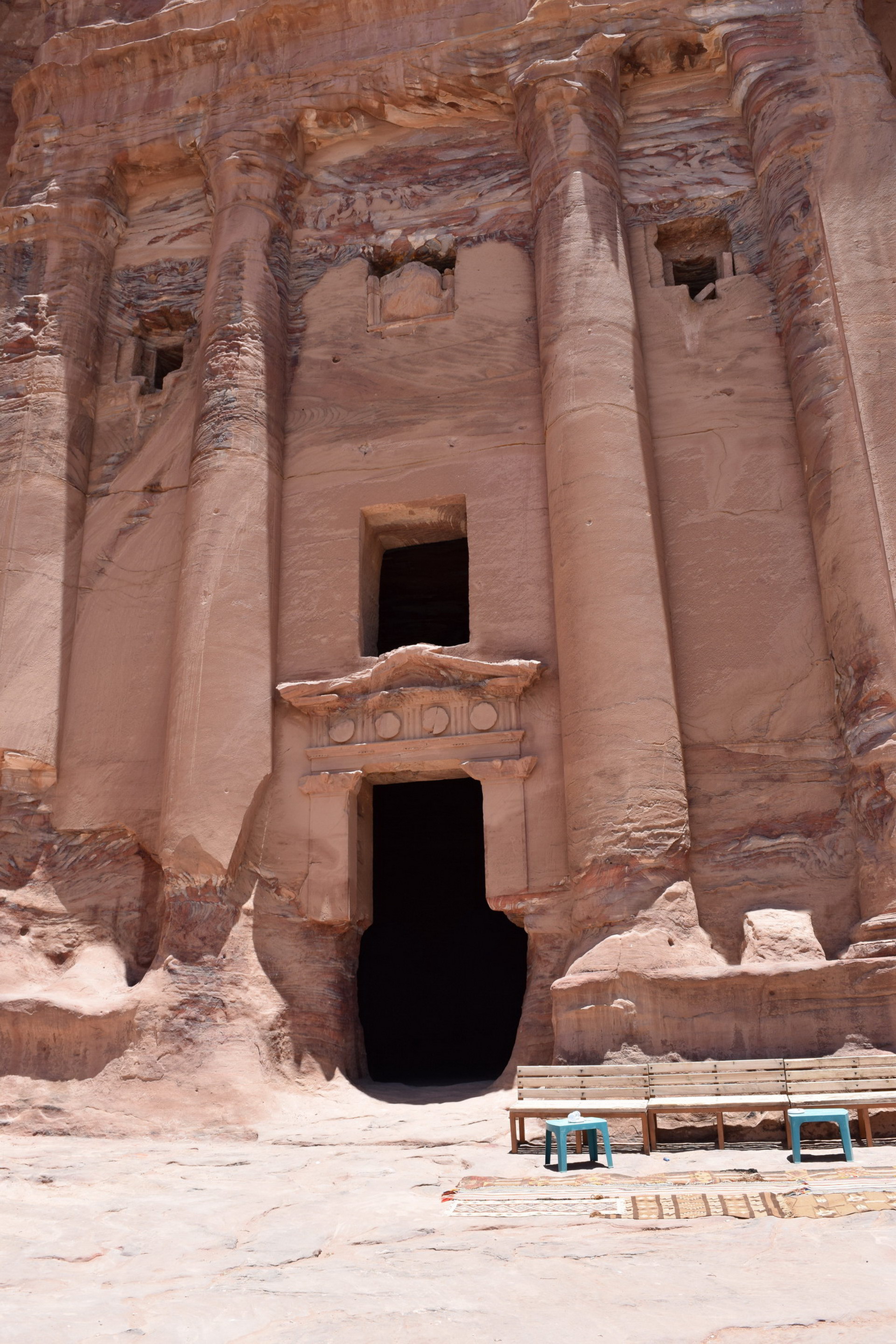
Umm ar-Rasas is a UNESCO World Heritage site featuring ruins from multiple civilizations, including Roman and Byzantine. The site is famous for its well-preserved mosaics, which depict various biblical scenes. While the structures may appear less intact compared to other sites, the remaining arches and layout give a sense of the site’s historical significance. The site is located off the King’s Highway, making it a convenient stop for those exploring the region. The best time to visit is during the cooler months, and it's advisable to bring water and snacks for your journey.
13. Karak Castle
Karak Castle, a formidable Crusader fortress, offers a fascinating glimpse into the military architecture of the time. Its strategic position provides commanding views over the surrounding landscape. Visitors can explore its various chambers, defensive walls, and tunnels, which tell stories of the castle's storied past. The site is well-preserved and includes informative displays about its history. Karak is ideally located along the King's Highway, making it a perfect stop for travelers. The best time to visit is in the spring or fall to enjoy pleasant weather while exploring this historic site.
14. Lot’s Wife
For a unique hiking experience, consider a day trip to the Sanctuary of Agios Lot, believed to be near the biblical site of Sodom. The hike offers stunning views of the surrounding area and is a great way to immerse yourself in the landscape. The site is steeped in history and biblical significance, making it a compelling destination for those interested in religious heritage. It's best to visit early in the day to avoid the heat, and a local guide can enhance your understanding of the area’s significance. The site is located southeast of the Dead Sea, easily accessible by car.
15. Dana Biosphere Reserve
The Dana Biosphere Reserve is a stunning natural area known for its diverse ecosystems and breathtaking landscapes. The reserve features a variety of hiking trails, including the famous Wadi Dana Trail, which takes you through picturesque valleys and offers opportunities to spot local wildlife, such as ibex and wolves. The ancient village of Dana, perched on the edge of a canyon, provides a glimpse into traditional Bedouin life. The best time to visit is during spring and fall when the weather is mild. Camping in the reserve or staying at the Feynan Eco Lodge allows for an immersive experience in nature. Expect a tranquil atmosphere and the chance to connect with local culture.
16. Shobak Castle
Shobak Castle, built in the early 12th century, is another impressive fortress that offers insight into the Crusader period. Although some parts are in disrepair, the castle's architecture and commanding views make it a worthwhile visit. Exploring the ruins provides a sense of adventure, with opportunities to see ancient walls and tunnels. Visitors can engage with local guides who offer insights into the castle's history. Located near the King's Highway, Shobak is easily accessible and can be included in your itinerary while traveling between Petra and Amman. The best time to visit is during the cooler months.
17. Wadi Araba
Wadi Araba is a lesser-known gem, located just a short drive from Petra. This desert landscape offers stunning scenery and a chance to experience the tranquility of the desert without the crowds. The area is ideal for camping and stargazing, providing an escape from the more touristy areas. Visitors can enjoy hiking and exploring the unique geological formations. The best time to visit is during the cooler months when the weather is pleasant for outdoor activities. Wadi Araba can be reached by car from Wadi Musa, making it an easy addition to your Jordan itinerary.
18. Little Petra
Little Petra, or Siq al-Barid, is often overshadowed by its famous neighbor but is a treasure in its own right. This site features intricate carvings similar to those found in Petra, albeit on a smaller scale. It served as a way station for traders traveling between Petra and the northern regions. The site is less crowded, allowing for a more relaxed exploration. Little Petra is free to enter and can be easily visited in conjunction with a trip to Petra. The best time to visit is early in the morning or late afternoon to avoid the heat and crowds.
19. Petra’s Other Trails/Experiences
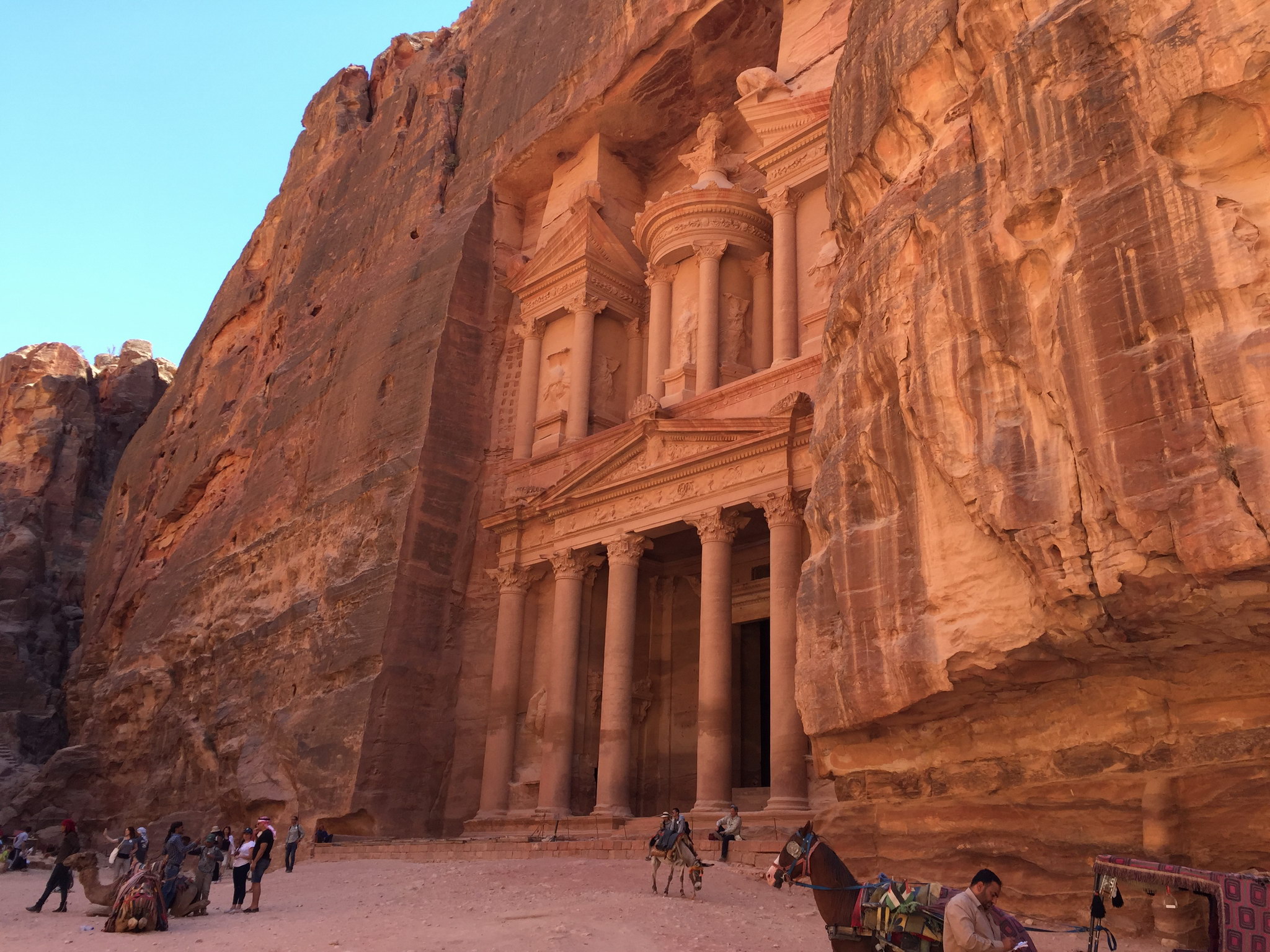
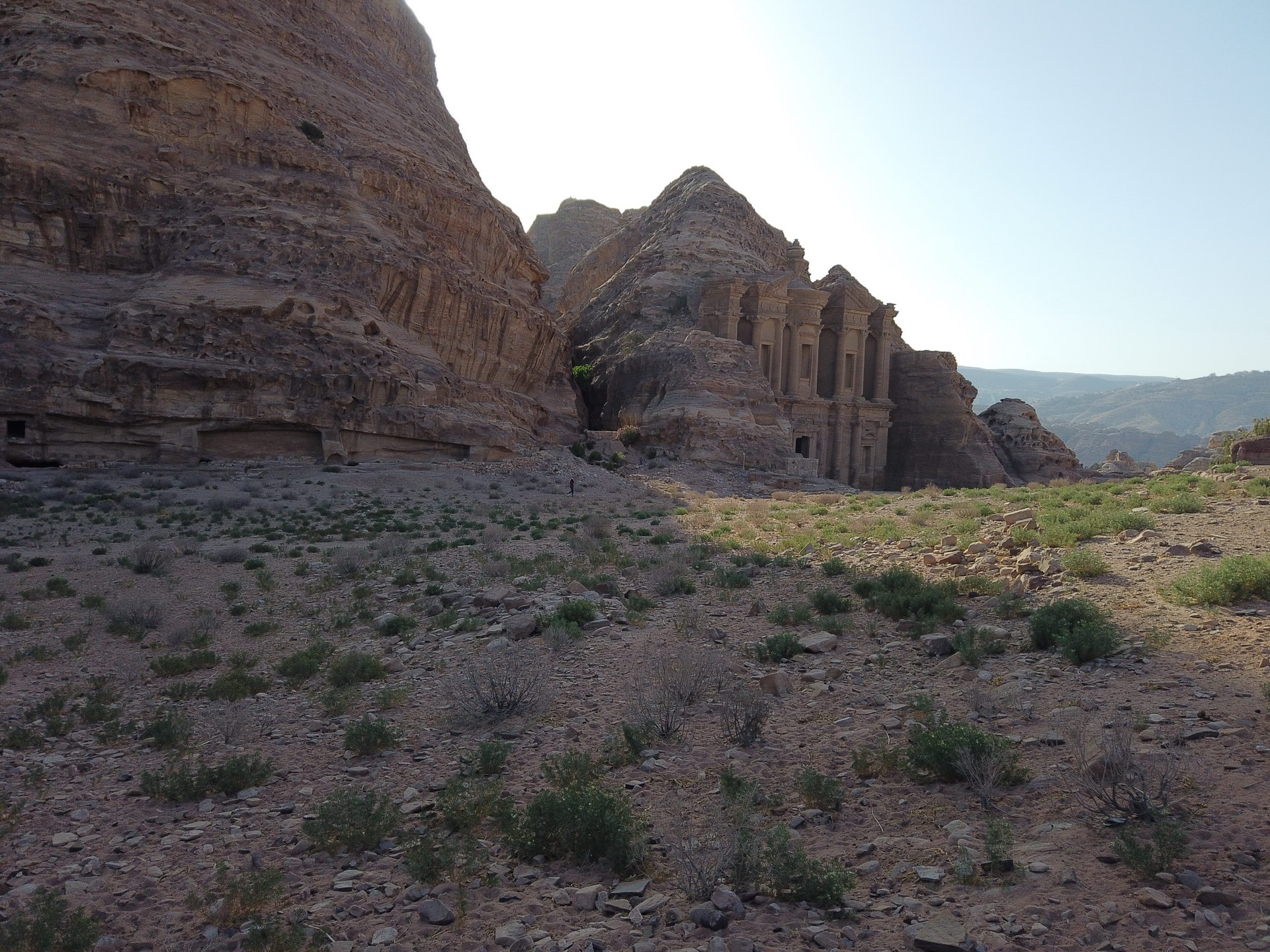
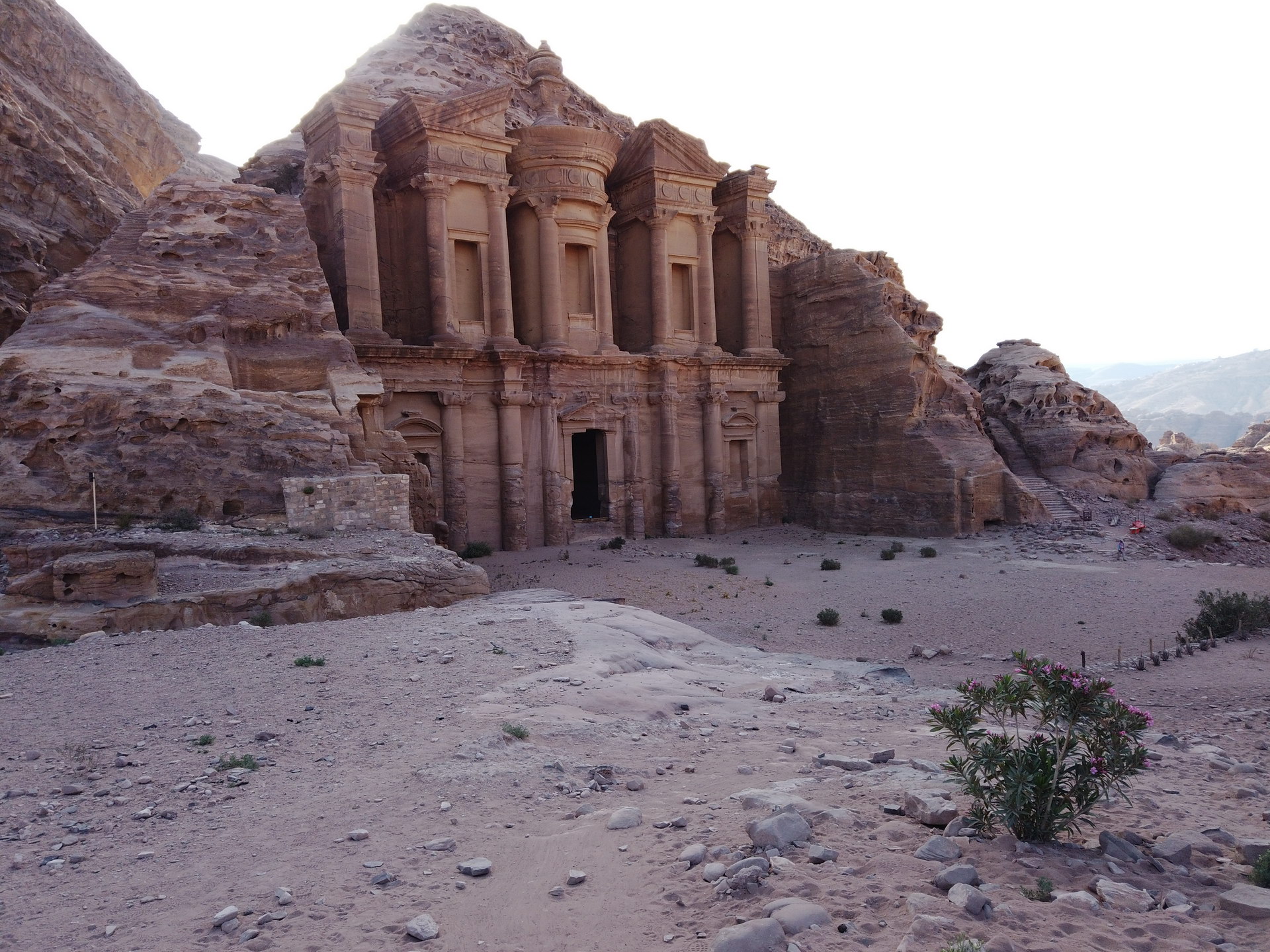
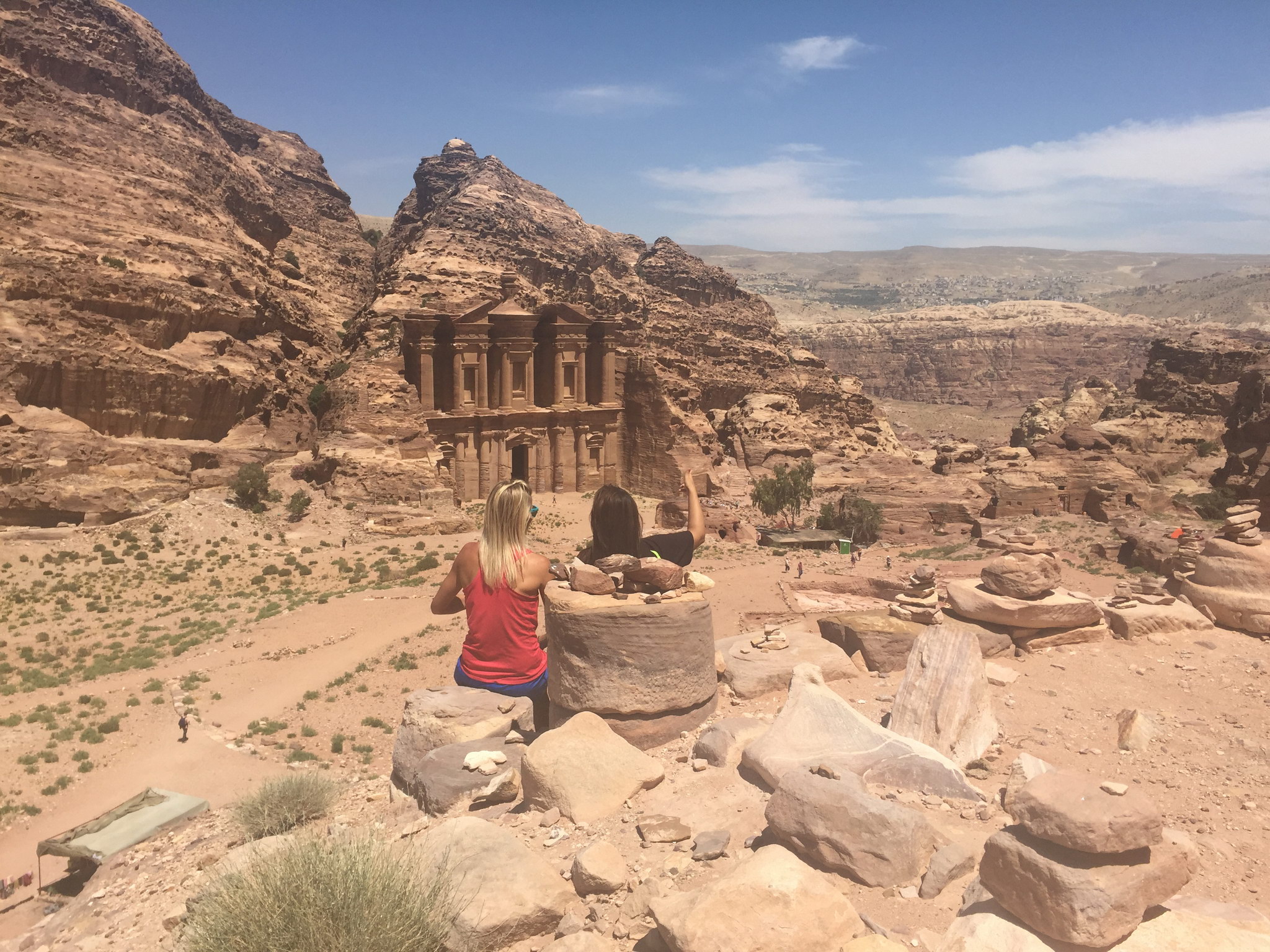
Beyond the iconic Treasury, Petra offers a multitude of hiking trails that provide stunning views and unique experiences. The Al Khubtha Trail offers a bird's-eye view of the Treasury and is well worth the effort. It starts near the theater and takes about 2-3 hours to complete, including time to explore the Royal Tombs along the way. Another highlight is the Monastery Trail, which leads to the towering Monastery ('Ad-Dier'). This trail is steep but manageable, taking approximately 40 minutes from the end of Petra’s Main Trail. Both trails offer a chance to escape the crowds and enjoy the beauty of this ancient city. The best time to hike is during the early morning or late afternoon.
20. Bedouin Camps
Staying in a Bedouin camp is a unique experience that allows you to immerse yourself in Jordanian culture. These camps are often located in the stunning desert landscape of Wadi Rum, providing a chance to enjoy traditional meals, storytelling, and stargazing. Many camps offer various accommodations, from basic tents to luxurious bubble hotels. Participating in activities like camel rides and 4x4 excursions can enhance your stay. The best time to visit is during the cooler months when evenings are perfect for sitting around a campfire under the stars.
21. Wadi Rum
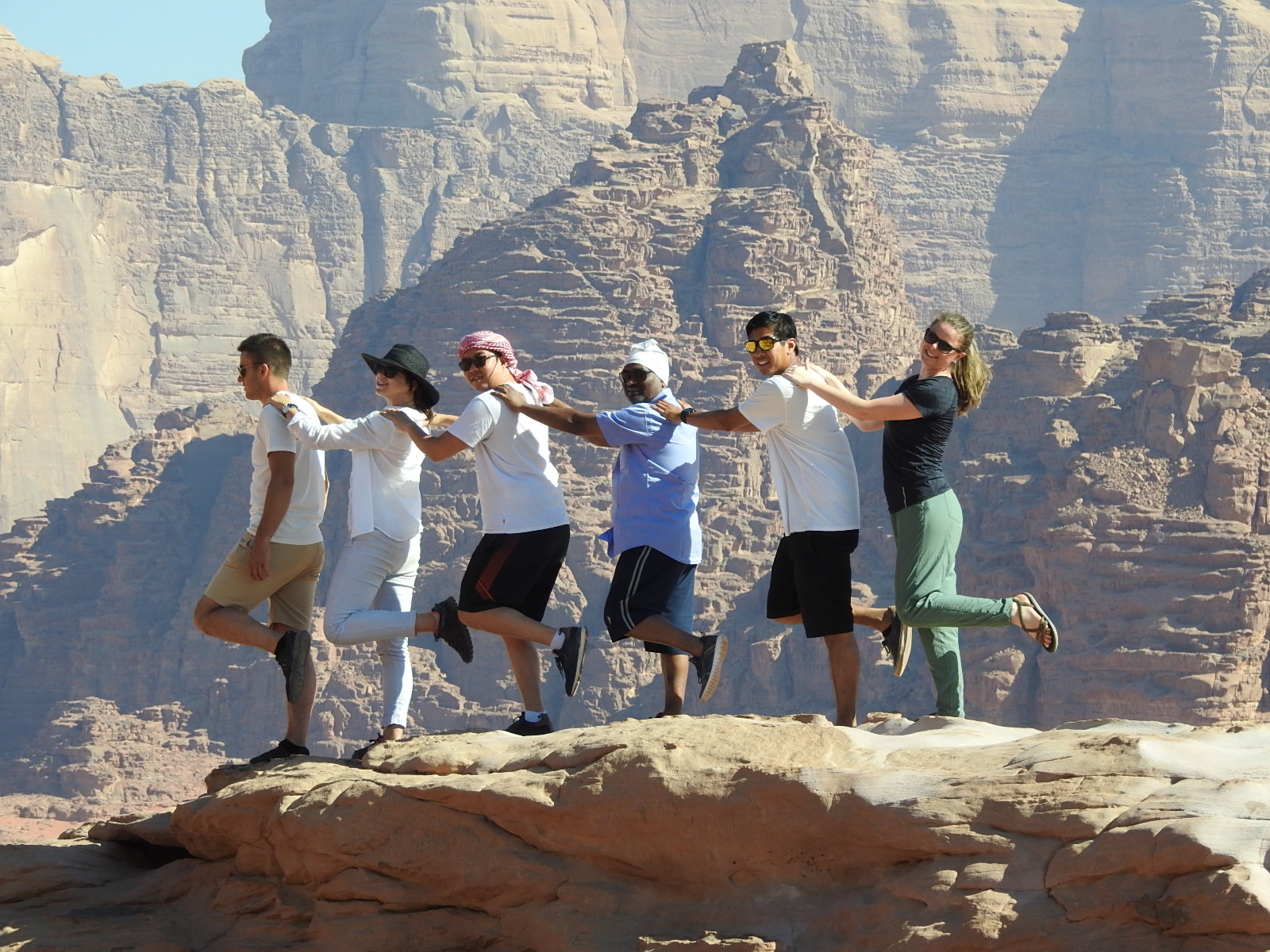
Wadi Rum, often referred to as the Valley of the Moon, is famous for its dramatic landscapes and towering sandstone mountains. This UNESCO World Heritage site offers a range of activities, including jeep tours, rock climbing, and hiking. The mesmerizing scenery has attracted filmmakers and adventurers alike, giving it a mystical quality. Visitors can explore the vast desert, enjoy traditional Bedouin hospitality, and witness stunning sunsets. The best time to visit is during the spring and fall when temperatures are comfortable. Wadi Rum is easily accessible from Aqaba and Petra, making it a must-visit destination in Jordan.
22. Aqaba
Aqaba is Jordan’s gateway to the Red Sea and offers beautiful beaches, water sports, and vibrant marine life. This coastal city is known for its diving and snorkeling opportunities, with coral reefs teeming with colorful fish. The city also serves as a transition point for travelers heading to Israel, providing an easy border crossing. Aqaba’s waterfront is lined with restaurants and shops, making it perfect for leisurely strolls. The best time to visit is during the spring and fall when the weather is mild. Aqaba is easily accessible by car or bus from Amman.
23. Jabal Umm ad Dami
Jabal Umm ad Dami, the highest mountain in Jordan, offers an adventurous escape for hiking enthusiasts. Standing at 1,854 meters (6,083 feet), the hike to the summit is relatively easy and can be completed in under two hours. The journey involves driving through the desert to reach the trailhead. Once at the top, the views of Wadi Rum and the surrounding landscape are breathtaking. It’s best to plan your hike in the cooler months, as summer temperatures can be extreme. Consider hiring a local guide for a more enriching experience, complete with traditional meals at the base of the mountain.