Ultimate 10-Day Jordan Itinerary - Explore the Best of Jordan
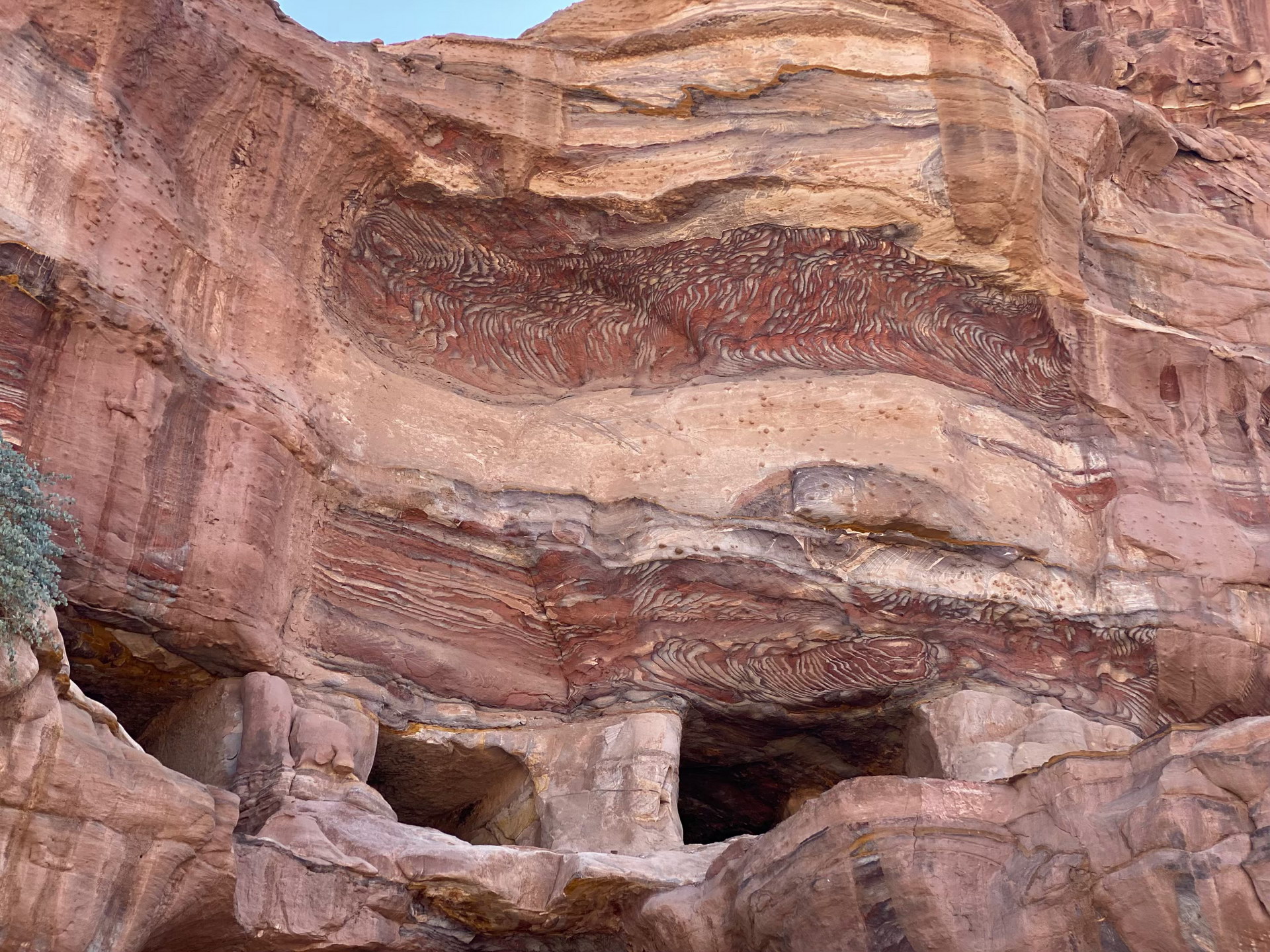
Day 1: Madaba, Mount Nebo, King's Highway, and Kerak Castle
Your Jordan journey begins in Madaba, a city known for its remarkable mosaics, including the famous 6th-century mosaic map of the Holy Land located in St. George's Church. Only about 20 km from Queen Alia International Airport, it's an easy first stop. Take your time exploring the local shops and cafes where you can indulge in traditional Jordanian foods like shawarma and falafel, which are both affordable and delicious.
Next, head to Mount Nebo, a significant biblical site where Moses is said to have viewed the Promised Land. The hilltop offers breathtaking views of the Jordan Valley and the Dead Sea, and the small church there features stunning mosaic floors. The entrance fee is just 2 JD.
If you prefer a more leisurely start, consider driving down to the Dead Sea and stopping at Ma'in Hot Springs along the way. This luxury resort is known for its therapeutic hot springs, although access might require a fee.
Continue your journey along the scenic King's Highway, which takes you through picturesque landscapes and quaint villages. After about two hours of driving, you’ll reach Kerak Castle, a Crusader fortress that offers a glimpse into Jordan's rich history. Though much of the castle is in ruins, it still captures stunning views and provides an engaging exploration of its ancient architecture.
Where to Stay in Madaba
- Queen Ayola Hotel: A centrally located hotel with friendly service and delicious traditional breakfast.
Where to Eat in Madaba
- Local cafes serve shawarma for around 2 JD and falafel sandwiches for just 0.5 JD, making it easy to enjoy a tasty meal on a budget.
Day 2: Dana Biosphere Reserve
On your second day, immerse yourself in nature at the Dana Biosphere Reserve, Jordan's largest nature reserve known for its diverse ecosystems and breathtaking landscapes. Spanning several bio-geographical zones, the reserve is home to a vast array of flora and fauna, many of which are rare.
The reserve offers numerous hiking trails, making it a paradise for outdoor enthusiasts. One popular hike is the Wadi Dana Trail, which winds from the Dana Village down to Feynan Eco Lodge, offering stunning views of the surrounding canyons. Although the full hike is around 14 km round trip, many opt for shorter segments to enjoy the scenery without the strenuous effort.
Hiking in Dana
Depending on the season, various trails are available. In winter, some routes may be inaccessible due to rain, but the Feathers Canyon Trail is a great alternative. This 3 km hike lasts around three hours and features unique rock formations and impressive views.
Where to Stay in Dana
- Al Nawatef Camp: Located on the cliff edge of the Dana Canyon, this campsite offers stunning views and an authentic experience.
- Dana Castle Hotel: A cozy motel in Dana Village with comfortable accommodations and local cuisine.
Day 3: Dana to Shobak Castle
After breakfast, continue exploring Dana with another hike or visit Shobak Castle, a historic Crusader castle situated on a picturesque hill. The ruins are fascinating to explore, and the panoramic views make it a worthwhile stop. The castle is included in the Jordan Pass.
Where to Stay in Dana
- Consider camping at Al Nawatef or staying at Dana Castle Hotel for an authentic experience.
Day 4: Petra
Day four is dedicated to Petra, one of the New Seven Wonders of the World. This ancient city, carved into rose-red sandstone, dates back to at least 9000 BC and was once the capital of the Nabataean Kingdom. Start your visit early to beat the crowds and experience the magical atmosphere of Petra in the morning light.
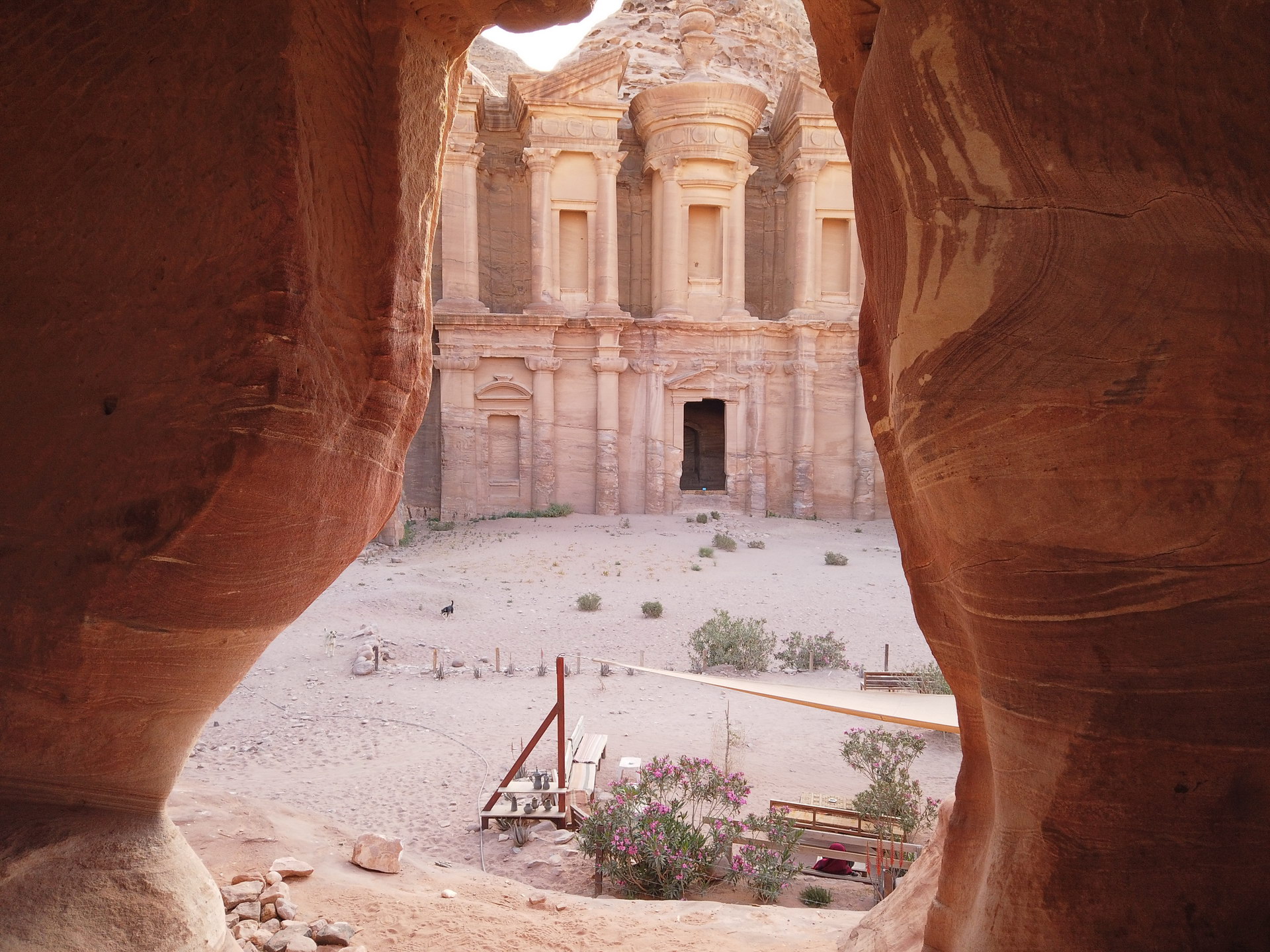
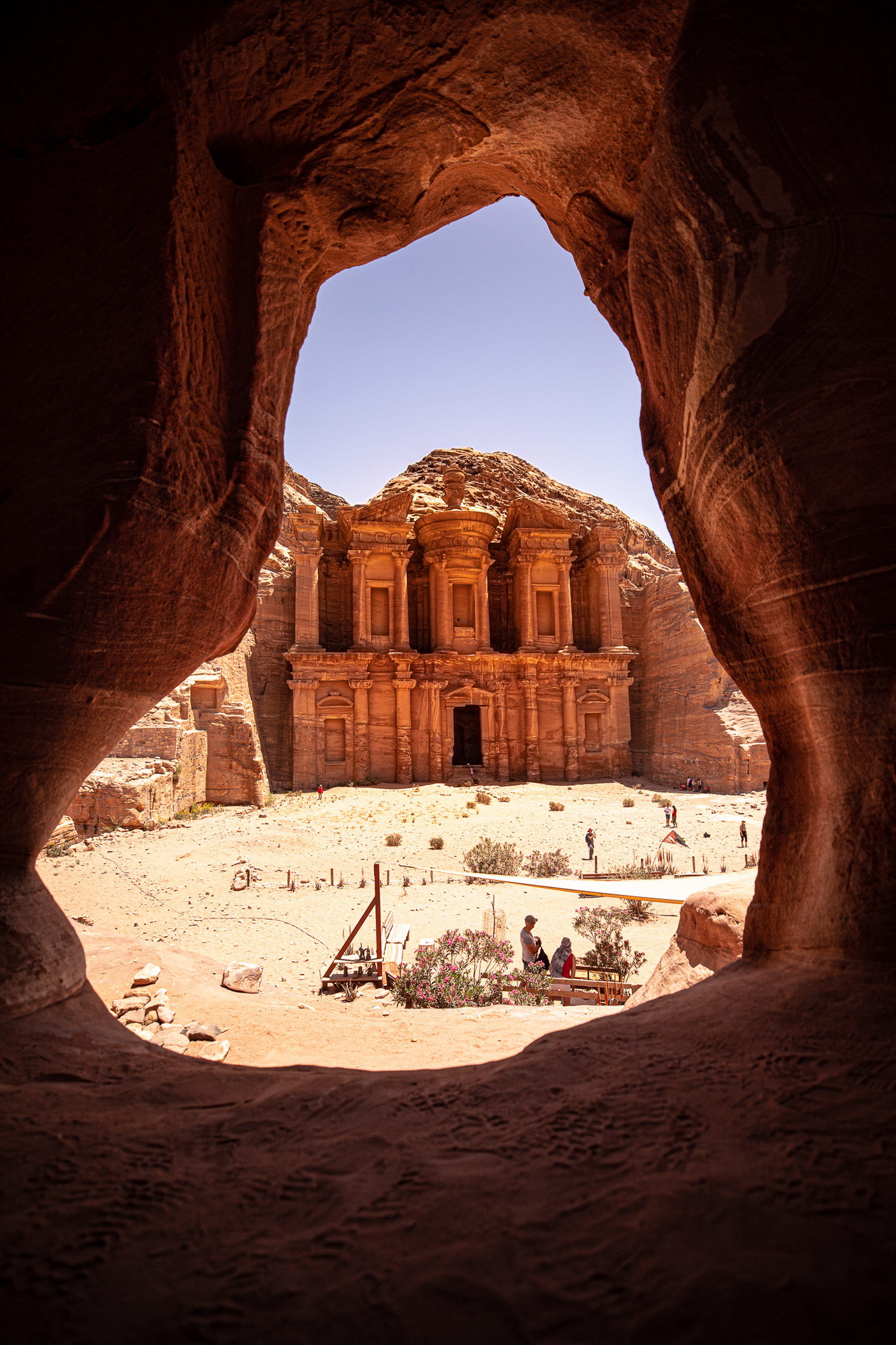
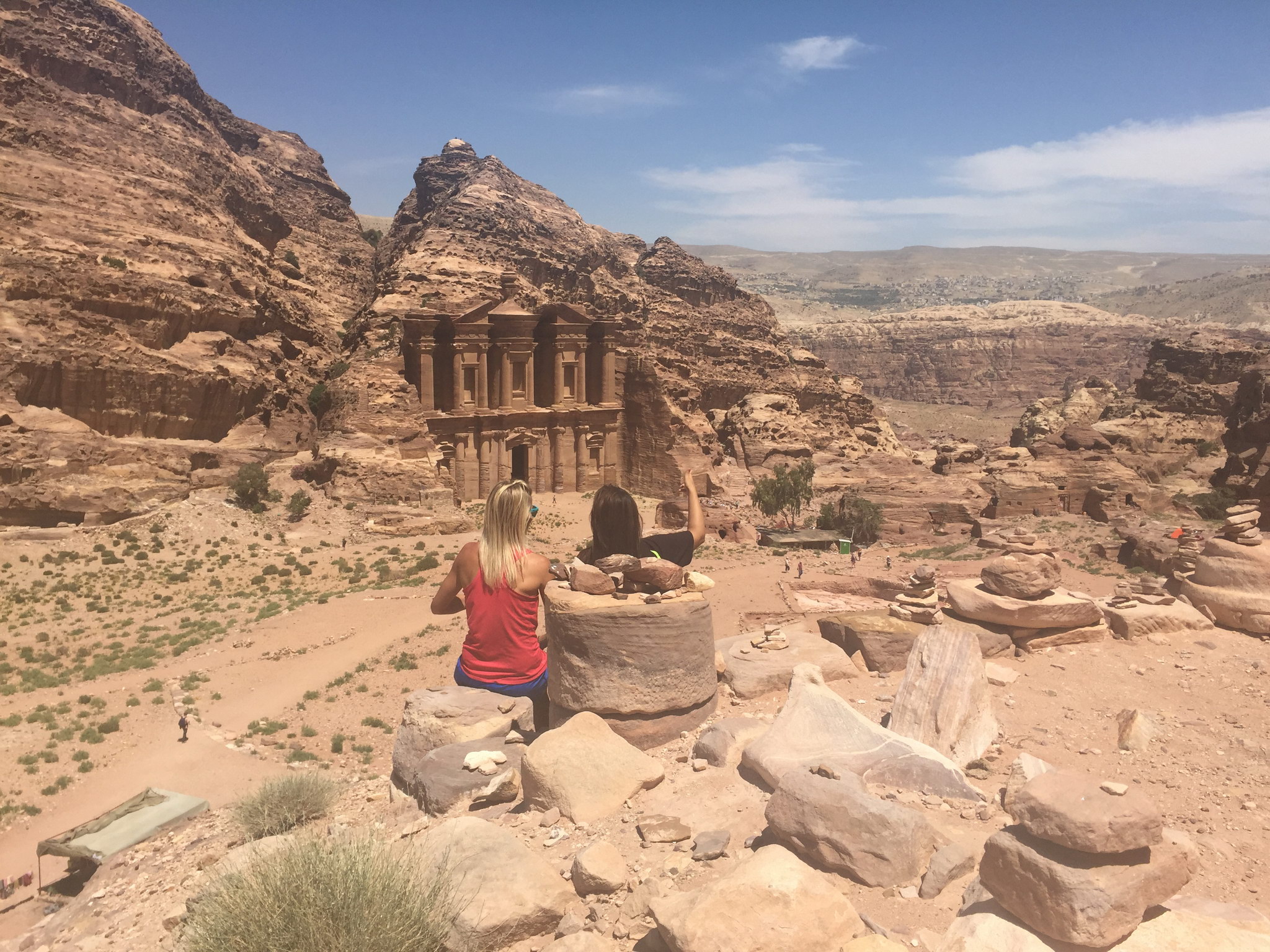
Explore the main attractions, including the iconic Treasury (Al-Khazneh), the Royal Tombs, and the Monastery (Ad-Deir). The site is vast, and a full day allows for ample exploration, including hiking up to viewpoints for breathtaking vistas of the city and surrounding mountains.
Petra by Night
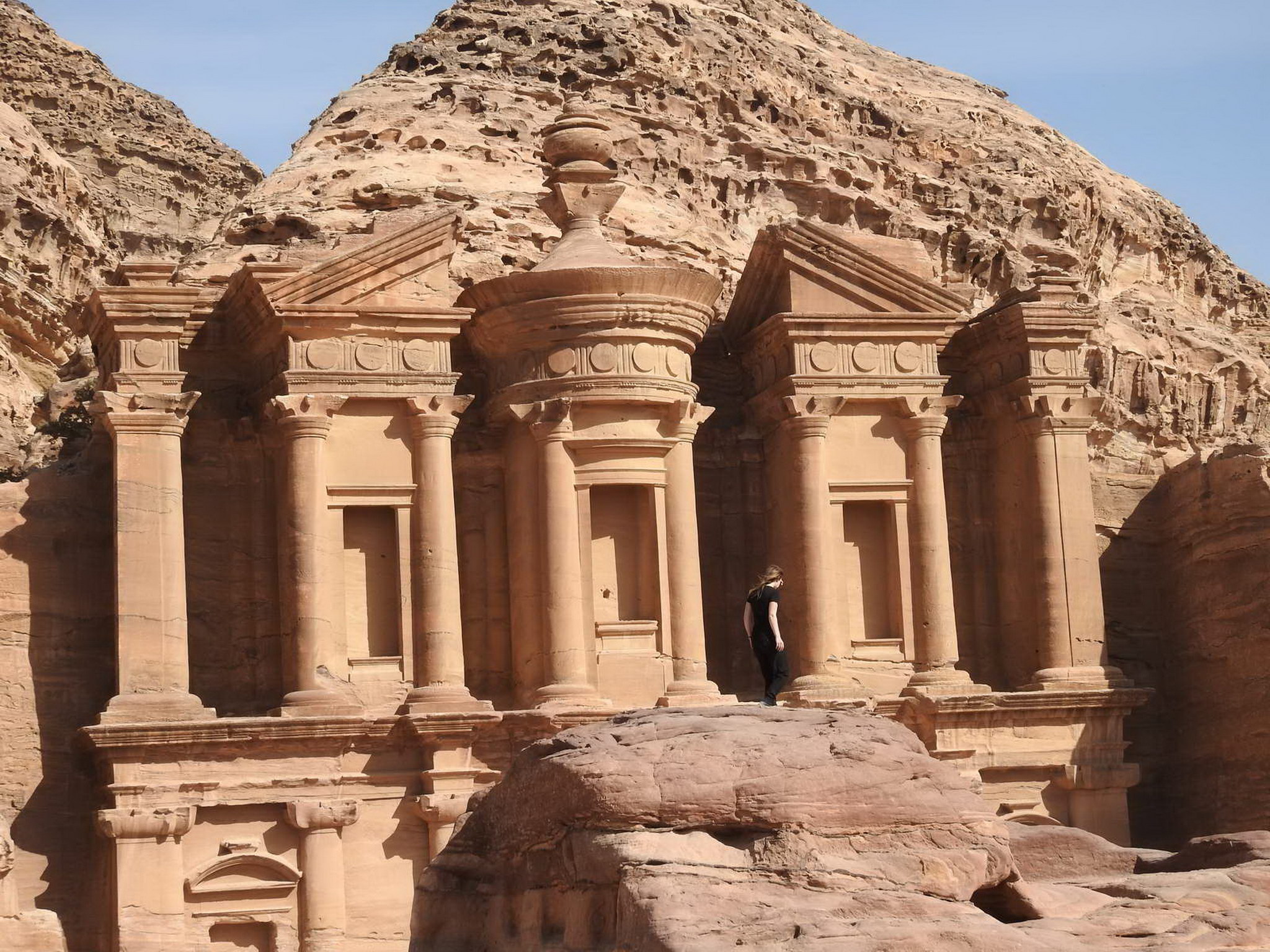
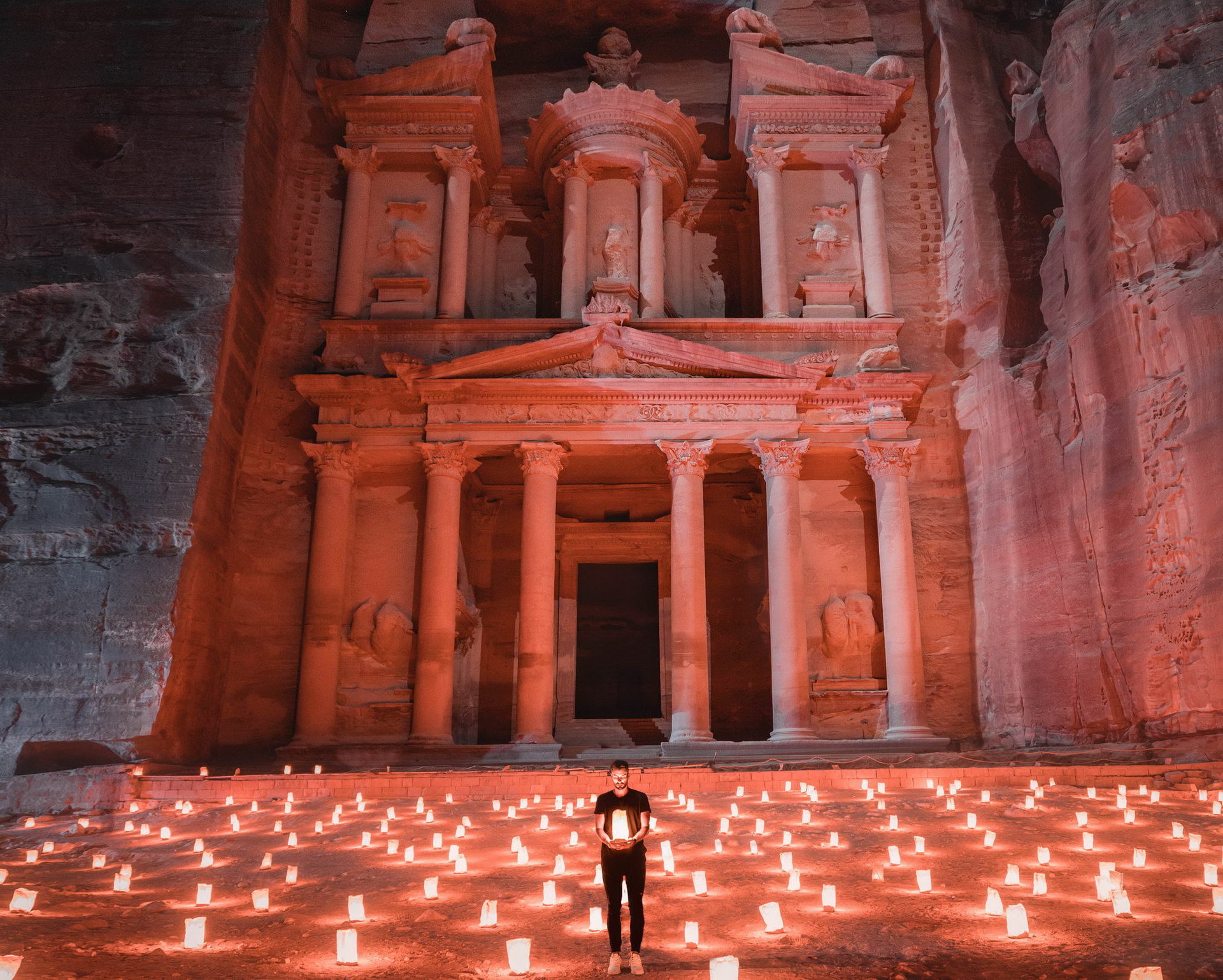
For a unique experience, consider returning for the Petra by Night event, where the Treasury is illuminated by hundreds of candles. It's a magical atmosphere but check availability and book tickets in advance.
Where to Stay in Petra
- Petra Gate Hotel: A budget-friendly hotel with a prime location.
- Rocky Mountain Hotel: A charming hotel with traditional decor and a great restaurant.
Day 5: More of Petra and Little Petra
On your second day in Petra, explore the lesser-known sites such as the Royal Tombs and the Church. Venture onto the green trail for stunning views of the Treasury from above. Additionally, visit Little Petra, which is often quieter and offers a similar but smaller scale of carvings and architecture.
Where to Stay in Little Petra
- Camping in Caves: While wild camping is illegal, you can opt for organized stays in caves near Little Petra for a unique experience.
Day 6: Wadi Rum
Travel to Wadi Rum, often described as a Martian landscape due to its otherworldly beauty. Spend at least one night here to soak in the Bedouin culture and stunning desert scenery. Start your adventure with a jeep tour that takes you to famous sites like Lawrence Spring and Khazali Canyon. Enjoy a traditional Bedouin dinner and stargazing in the clear desert sky.
Where to Stay in Wadi Rum
- Wadi Rum Green Desert Camp: A comfortable camp with organized tours and a focus on sustainability.
Day 7: Jabal Umm ad Dami
On your second day in Wadi Rum, catch the sunrise over the desert, then embark on a hike to Jabal Umm ad Dami, the highest mountain in Jordan. The hike takes 2-3 hours round trip, offering incredible views of the surrounding desert and even glimpses of Saudi Arabia. This is a must-do for both adventure seekers and photography enthusiasts.
Where to Stay in Wadi Rum
- Return to Wadi Rum Green Desert Camp for another night under the stars.
Days 8 & 9: Aqaba and the Dead Sea
After Wadi Rum, make your way to Aqaba on the Red Sea, where you can enjoy beach time and diving opportunities. The beaches are smaller, so head south for the best spots. After soaking up the sun, travel to the Dead Sea, a unique experience where you can float effortlessly due to its high salinity.
Wadi Mujib
If you're visiting in the summer, Wadi Mujib offers canyoning adventures. In winter, consider alternative hikes like the Ibex Trail. Always check local conditions and consult guides for safety.
Where to Stay at the Dead Sea
- Thara Real Estate: A budget-friendly option close to free beaches.
- Mujib Chalets: Offers a more private experience with access to the Dead Sea.
Days 9 & 10: Jerash and Amman
Your final days can be spent exploring the Roman ruins of Jerash, one of the best-preserved ancient cities in the world. It's about an hour's drive north of Amman and offers ruins that date back over 6500 years.
After Jerash, return to Amman to explore its vibrant culture and history. Don't miss the Citadel, the Roman Amphitheater, and the lively Rainbow Street for food and shopping.
Where to Stay in Amman
- Hostel 1930: A budget-friendly option with a rooftop and central location.
- Hamoudah Hotel: A comfortable stay near the Roman Theatre, perfect for exploring the city.
Practical Tips for Traveling in Jordan
The best time to visit Jordan is between March and May or October to November, when the weather is mild. For those traveling in winter, be prepared for cooler temperatures and possible rain. Consider obtaining the Jordan Pass, which can save you money on entry fees for many attractions.
When packing, don't forget essentials like sunscreen, a universal power adapter, and a reusable water bottle to stay hydrated. Jordan is an affordable destination in many aspects, but entrance fees can add up, so plan accordingly.
Whether you’re drawn to Jordan for its historical wonders, natural beauty, or rich culture, this itinerary ensures a balanced and memorable experience.