Your Essential Guide to Exploring Jordan - Tips and What to Expect
Why Visit Jordan?
Jordan, located in the heart of the Middle East, is a unique blend of majestic landscapes, ancient ruins, and rich culture. Home to the iconic Petra, the stunning Wadi Rum, and the therapeutic waters of the Dead Sea, it's a haven for history enthusiasts, nature lovers, and sun seekers alike. Visitors can expect warm and inviting locals, which enhances the overall experience of this historically significant country.
What to Expect on Your First Trip to Jordan
When you travel to Jordan for the first time, prepare for a remarkable adventure. Expect to immerse yourself in rich history, explore magnificent archaeological sites, and enjoy a variety of natural wonders. Whether it’s the dramatic cliffs of Wadi Rum or the ancient Roman ruins of Jerash, every location tells a story filled with cultural significance. The warmth of Jordanian hospitality makes this travel experience even more enjoyable, allowing you to forge connections with locals during your stay.
Top Attractions in Jordan
1. Petra
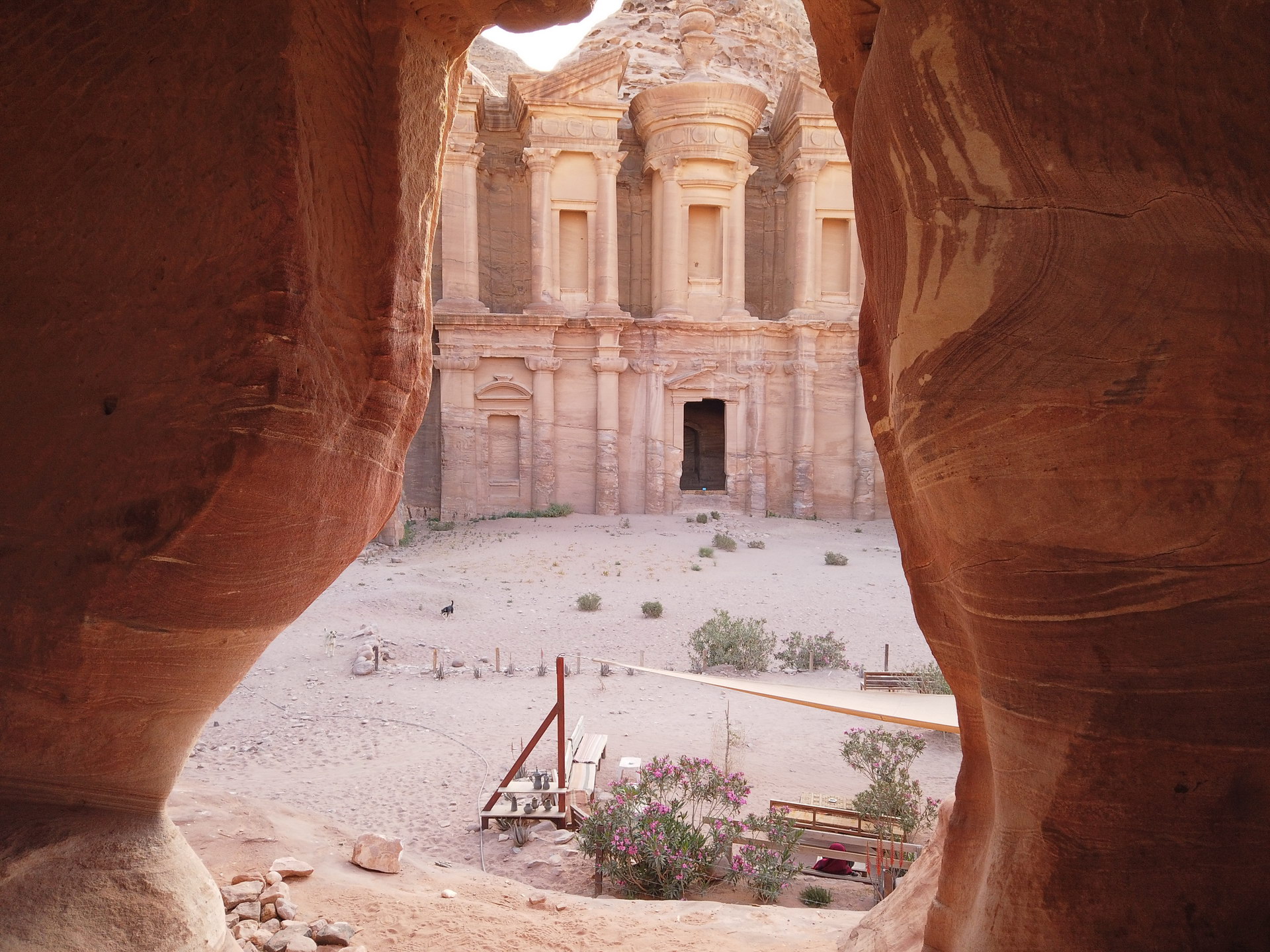
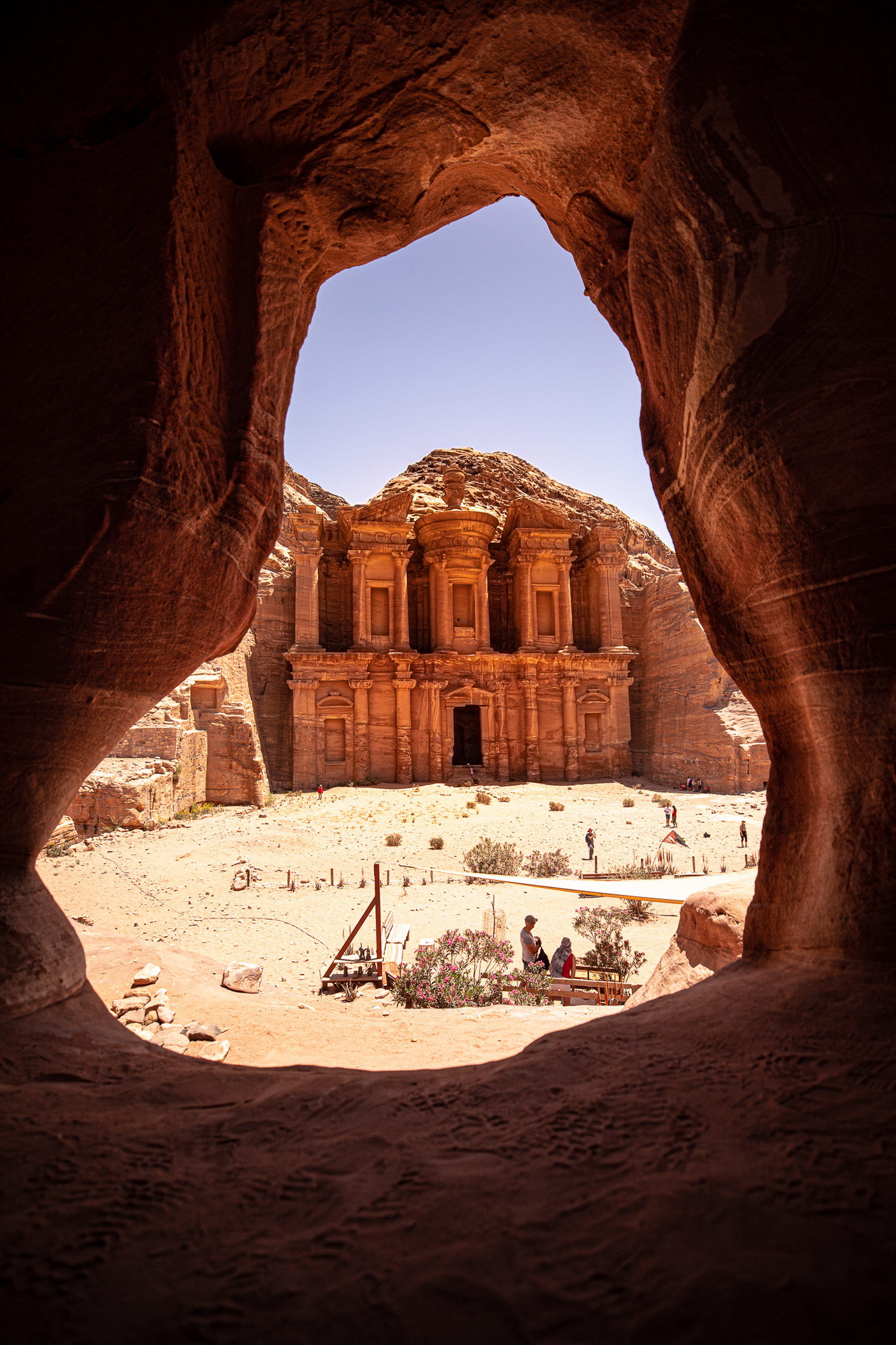
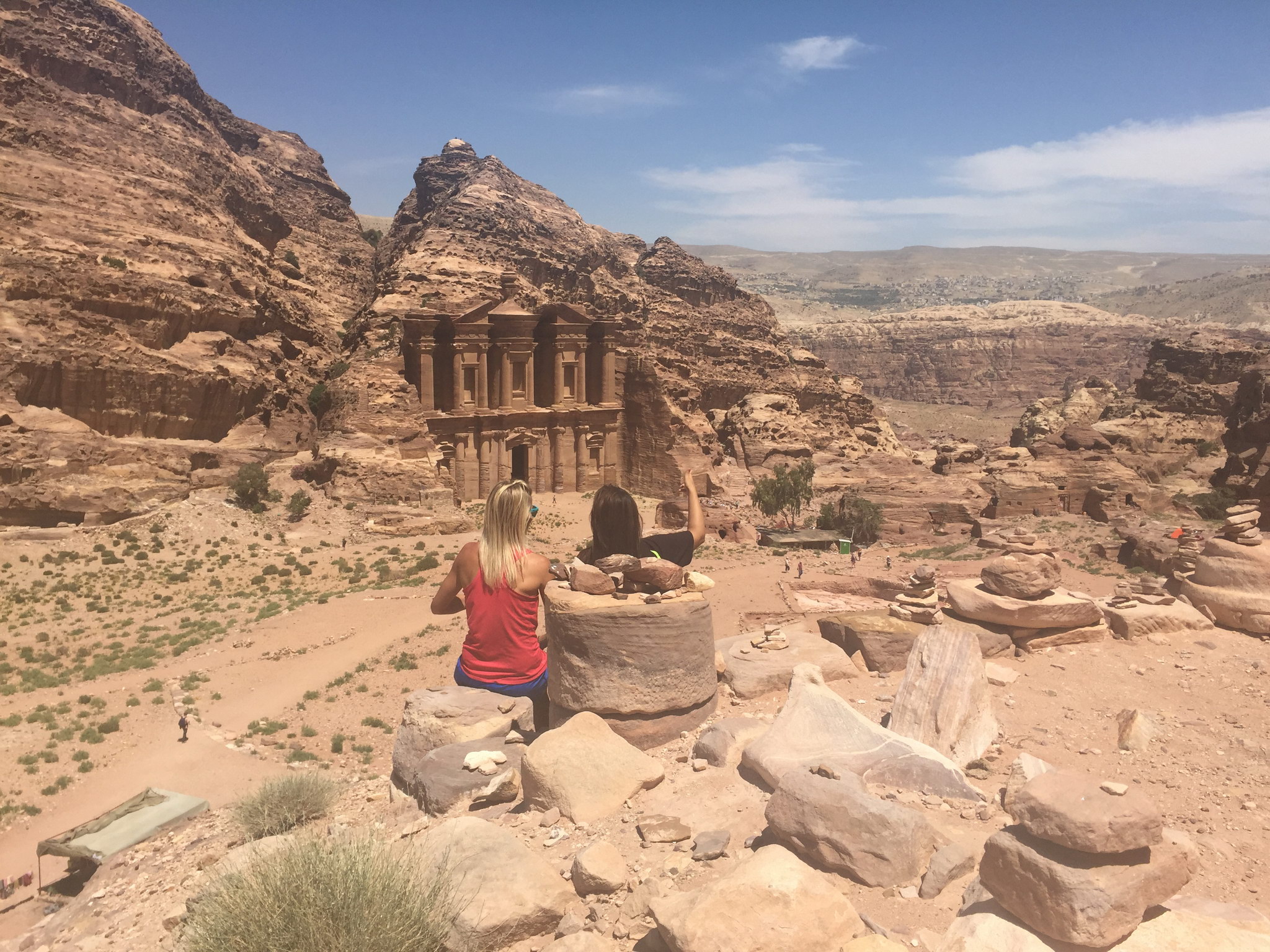
One of the New Seven Wonders of the World, Petra is a must-visit on your Jordan itinerary. This ancient city, carved into pink sandstone cliffs by the Nabataeans over 2,000 years ago, offers breathtaking architecture and stunning landscapes. The journey into Petra begins at the Siq, a narrow canyon leading to the magnificent Treasury. Explore other attractions like the Monastery and the Roman Theater. The best time to visit is during the cooler months from March to May and September to November, when comfortable temperatures enhance your exploration. To reach Petra from Amman, you can hire a private driver or join a guided tour for convenience.
2. Wadi Rum
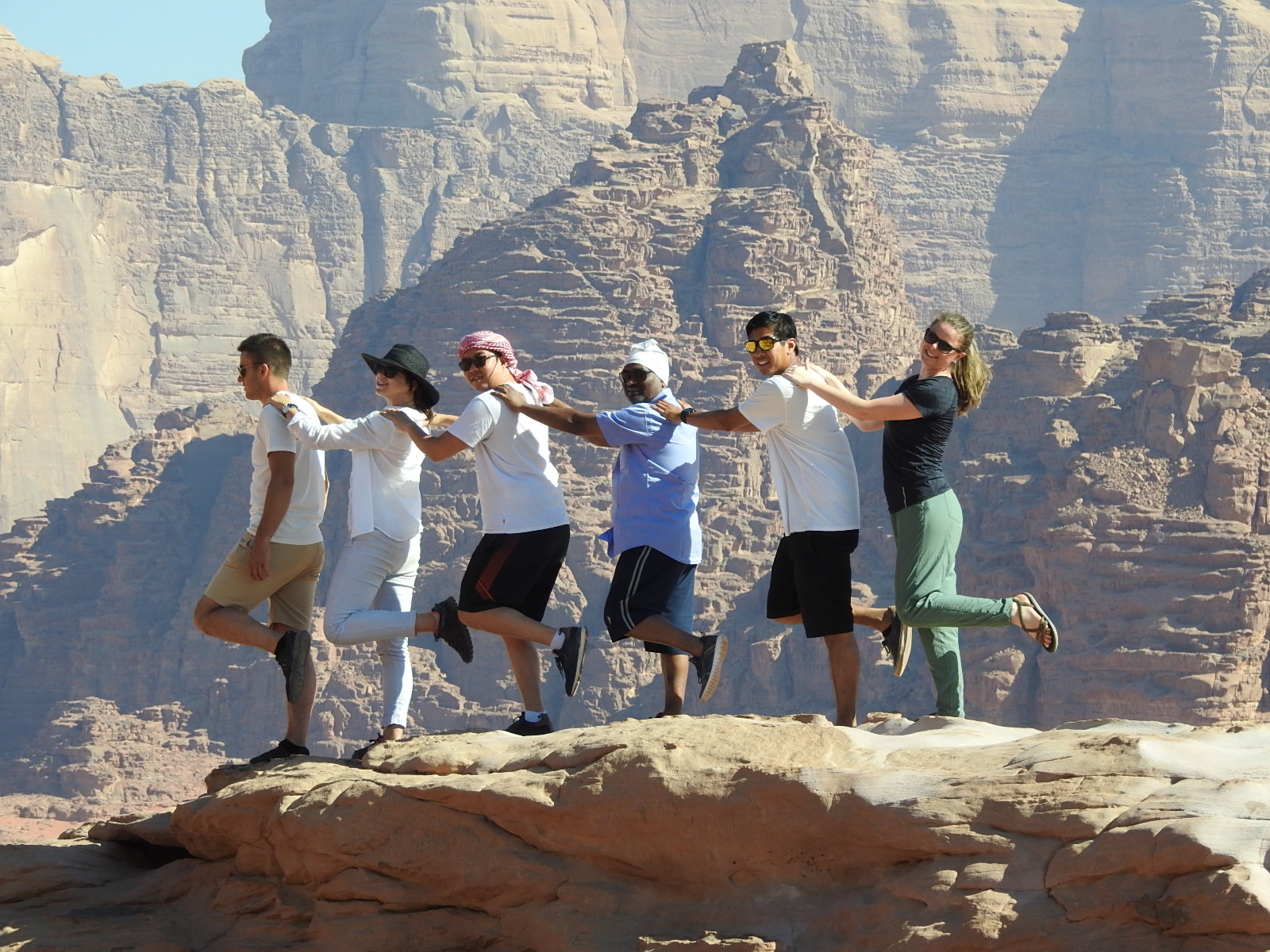
Known as the "Valley of the Moon," Wadi Rum enchants visitors with its dramatic desert landscapes, towering cliffs, and unique rock formations. This UNESCO World Heritage site offers opportunities for jeep tours, hot air balloon rides, and stargazing under the vast desert sky. You can experience traditional Bedouin hospitality by staying in a desert camp, where you can enjoy local meals and even a night under the stars. The best time to visit is from November to February when the weather is mild. Accessible from Aqaba, Wadi Rum is only a short drive away.
3. Jerash
The ancient city of Jerash is one of the best-preserved Roman provincial towns in the world. Walking through its grand colonnaded streets, ancient temples, and theaters transports you back in time. Highlights include the South Theater, the Temple of Artemis, and the stunning Oval Plaza. Plan your visit during the Jerash Festival in July for a combination of history and culture featuring performances and exhibitions. Jerash is easily reachable by bus or car from Amman, just over an hour’s drive away.
4. The Dead Sea
The Dead Sea is an extraordinary natural wonder that offers a unique floating experience due to its high salt content. Visitors can also indulge in spa treatments using the mineral-rich mud found along its shores. The best times for a visit are spring and fall when temperatures are comfortable for swimming and relaxation. Resorts like the Kempinski Hotel Ishtar provide luxurious amenities and direct access to the sea. Be aware that public beaches may be more conservative; it’s advisable to wear a one-piece swimsuit or cover-up. To reach the Dead Sea from Amman, take the Dead Sea Highway which offers beautiful views along the way.
5. Amman
The vibrant capital city of Amman is a mix of ancient and modern attractions. Start your journey at the Amman Citadel, which offers panoramic views and houses important historical sites like the Temple of Hercules. Explore the bustling markets in the downtown area, where you can savor local street food or shop for crafts. When visiting, ensure to take the time to enjoy traditional Jordanian cuisine at restaurants or cafes offering authentic dishes like Mansaf and Hummus. Amman is easily navigated by taxi, and English is widely spoken, making it convenient for tourists.
Travel Tips for Jordan
Language and Communication
The official language in Jordan is Arabic, but English is commonly spoken in urban and tourist areas. It's beneficial to learn some basic Arabic phrases as a gesture of respect, helping you connect with locals and enhance your travel experience.
Dress Code
As Jordan is predominantly an Islamic country, it’s best to dress conservatively. Women should opt for loose-fitting clothes covering the shoulders and knees, especially in rural areas and during visits to religious sites. While resorts might be more lenient, it's always respectful to err on the side of modesty.
Driving in Jordan
If you choose to drive, note that Jordanians drive on the right-hand side of the road. The road conditions are generally good, but be cautious of speed bumps and dust storms in rural areas. Having a local driver can also ease travel stress and provide insights into the culture.
Currency and Payment
The currency used in Jordan is the Jordanian Dinar (JD). Credit cards are widely accepted, but it’s wise to have some cash for smaller shops or in rural areas. ATMs are available throughout major cities, making it easy to access funds.
Safety and Security
Jordan is known for its stability and is considered one of the safest countries in the Middle East for tourists. While some areas might have security checks, they are generally routine, ensuring a secure environment for visitors. Remain aware of your surroundings and enjoy your travels confidently.
Conclusion
Your first trip to Jordan is sure to be an unforgettable journey filled with magical experiences. From the serene waters of the Dead Sea to the ancient wonders of Petra, the diversity of attractions ensures there’s something for every traveler. With welcoming locals, rich history, and stunning natural beauty, Jordan is undeniably a gem waiting to be explored.
Frequently Asked Questions
- When is the best time to visit Petra?
- The best time to visit Petra is during the cooler months from March to May and September to November, when comfortable temperatures enhance your exploration.
- How do I get to Wadi Rum?
- Wadi Rum is easily accessible from Aqaba, just a short drive away, and offers activities like jeep tours and hot air balloon rides.
- What can I expect at Jerash?
- At Jerash, you can explore one of the best-preserved Roman provincial towns, featuring grand colonnaded streets, ancient temples, and stages such as the South Theater and the Temple of Artemis.
- What unique experience does the Dead Sea offer?
- The Dead Sea provides a unique floating experience due to its high salt content, along with opportunities for indulging in spa treatments using mineral-rich mud.
- What highlights can I see in Wadi Rum?
- In Wadi Rum, visitors can enjoy dramatic desert landscapes, towering cliffs, and unique rock formations, along with traditional Bedouin hospitality in desert camps.