Your Ultimate Guide to Traveling in Jordan
Planning Your Trip to Jordan
If you're considering a trip to Jordan, you're in for a treat. This Middle Eastern gem boasts a rich history, breathtaking landscapes, and warm hospitality. Start by understanding the best time to visit, which is generally between March and May and September to mid-November. These months offer pleasant temperatures ideal for exploring outdoor attractions like Petra and Wadi Rum. Avoid the winter months from December to February, as rainfall and cold weather can limit your activities.
Getting to Jordan
Jordan's main international gateway is Queen Alia International Airport (AMM), located just outside of Amman. For those planning to relax by the Red Sea, Aqaba International Airport (AQJ) is another option, often serviced by low-cost European flights. Once you're in the country, renting a car is highly recommended as it gives you the freedom to explore at your own pace. Major attractions are well connected by road, making car hire a convenient choice.
Essential Travel Information
Visas and Safety
Most nationalities can obtain a visa on arrival in Jordan, but it's wise to check requirements based on your nationality. If you plan to stay for several nights, consider the Jordan Pass, which waives visa fees and grants access to many attractions. Safety-wise, Jordan is one of the safest countries in the Middle East, known for its friendly locals. Visitors often experience warm welcomes, and it’s common to hear “Welcome to Jordan!” during their travels.
Currency and Budgeting
The currency used is the Jordanian Dinar (JOD), which is approximately 0.71 JOD to 1 USD. While Jordan is not the cheapest destination in the region, you can find affordable options for food and transport. Expect to pay around 1 JD (approximately 1.41 USD) for a bottle of water. If you're dining out, a 10% tip is customary, and it's advisable to carry cash for smaller purchases.
What to Wear and Local Customs
Jordan has a conservative dress code, particularly in rural areas. Men should wear long pants, and women should opt for modest clothing such as long sleeves and skirts or trousers. When visiting religious sites, it's important to dress respectfully. Greetings are typically warm; men may greet each other with hugs or cheek kisses, while men and women usually shake hands. Public displays of affection are not common, so keep interactions discreet.
Top Attractions in Jordan
1. Petra
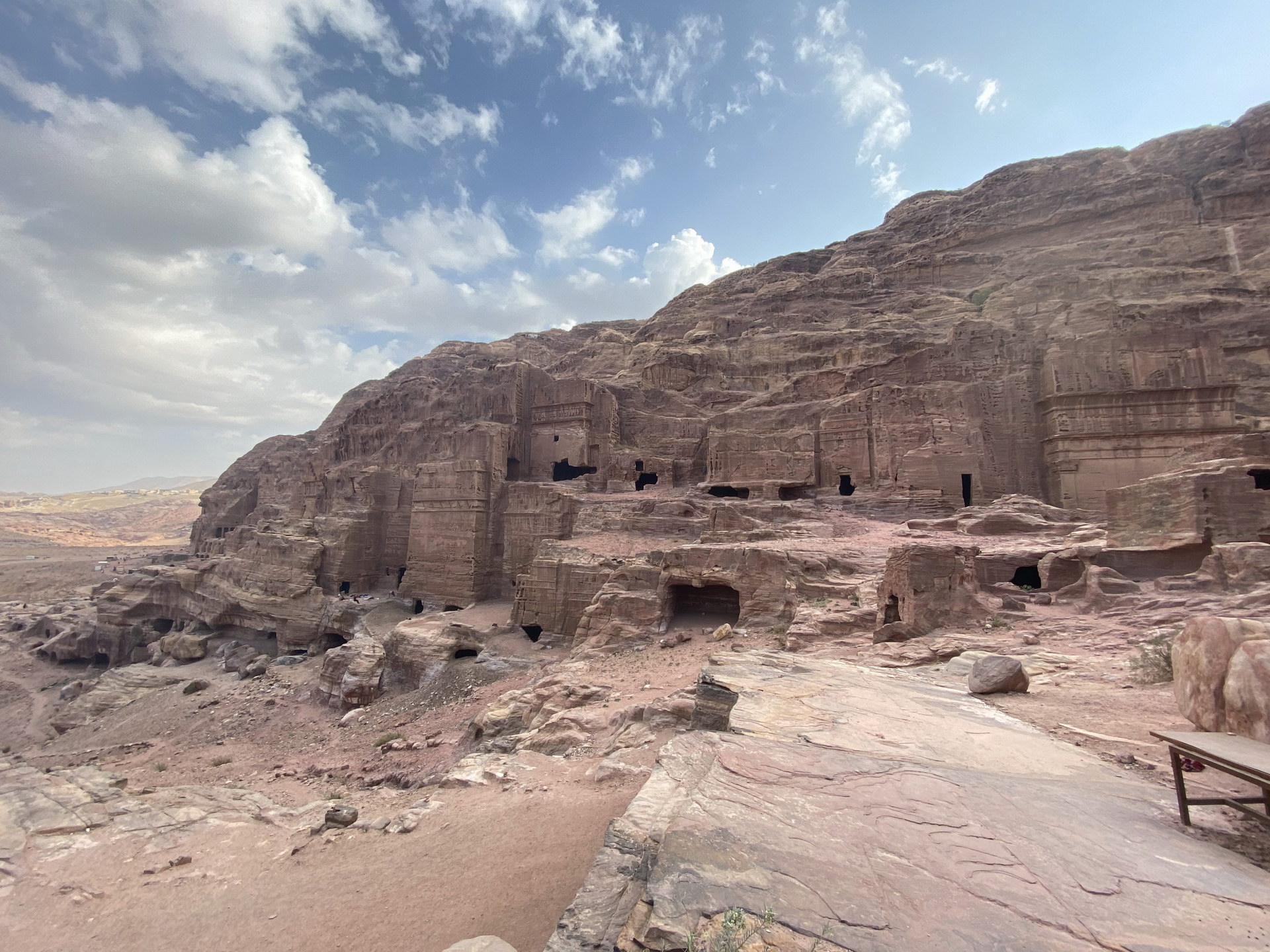
Petra, a UNESCO World Heritage Site, is a must-visit for anyone traveling to Jordan. Known as the Rose City due to the color of its stone, Petra was carved into the rock by the Nabataeans over 2,000 years ago. Explore the Siq, a narrow gorge leading to the Treasury, and marvel at the intricate facades of tombs and temples. The best time to visit is during the cooler months, and consider arriving early in the day to avoid crowds. Don't miss the hike to the Monastery, which offers stunning views of the surrounding landscape. To reach Petra, drive or take a bus from Amman, or join an organized tour for convenience.
2. Wadi Rum
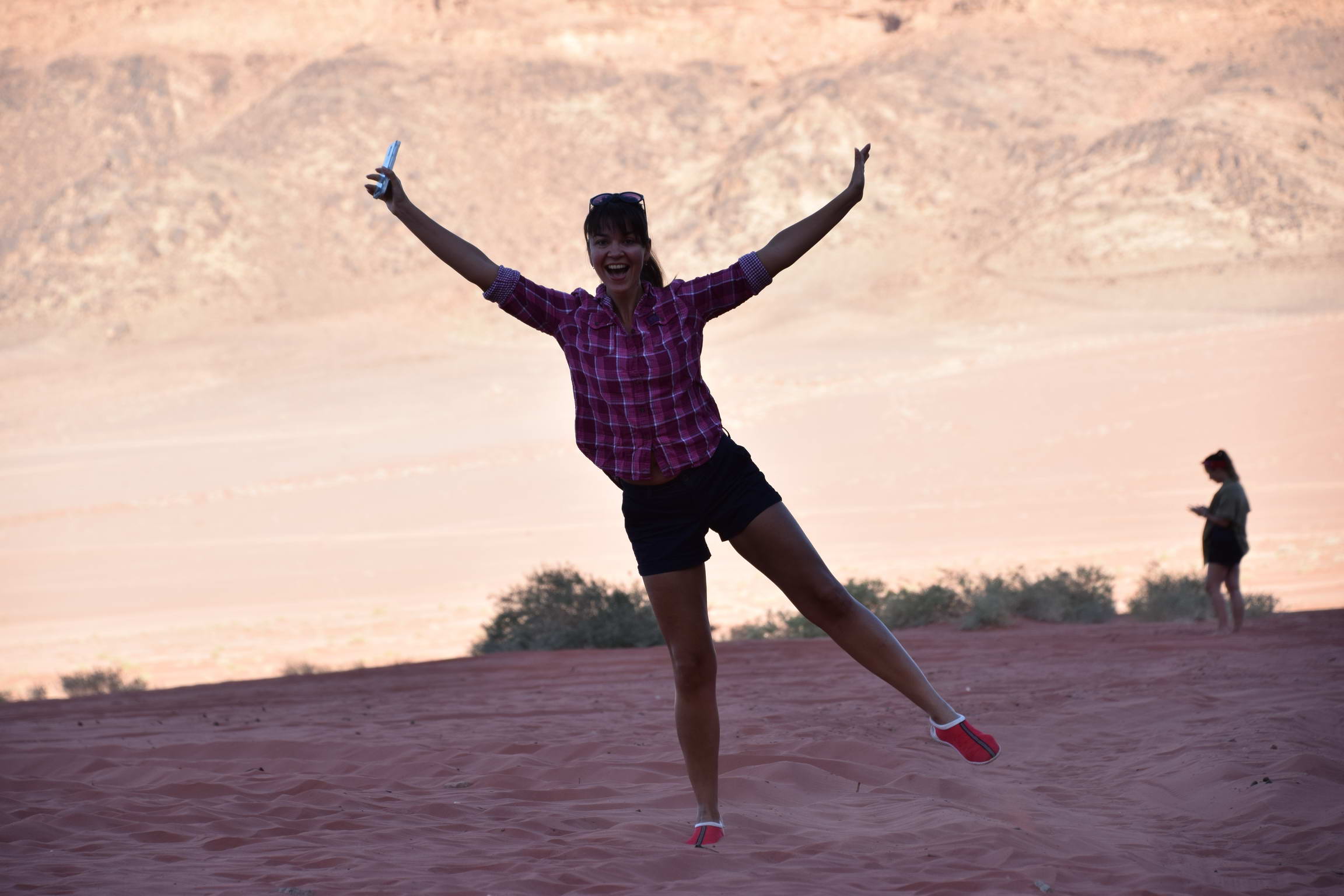
Wadi Rum, also known as the Valley of the Moon, is a stunning desert landscape characterized by towering cliffs and sweeping sand dunes. This UNESCO World Heritage Site offers various activities such as jeep tours, camel rides, and hiking. The best way to experience Wadi Rum is by spending a night at a Bedouin camp, where you can stargaze in one of the clearest skies on Earth. To get there, you can drive or arrange for a tour from Petra or Aqaba. Don't forget to try the local Bedouin tea and enjoy traditional meals prepared by your hosts.
3. The Dead Sea

The Dead Sea is renowned for its unique properties and is the lowest point on Earth. Its mineral-rich waters are perfect for floating, and many visitors enjoy the therapeutic benefits of its mud. Several resorts line the shores, offering day passes for access to private beaches and facilities. The best time to visit is in the spring or fall to avoid the extreme summer heat. If you're traveling from Amman, it's a short drive of about an hour. Remember to bring water shoes, as the salt can be harsh on the feet.
4. Jerash
Jerash is one of the best-preserved Roman cities in the world, making it a fascinating stop for history enthusiasts. Explore the grand colonnaded streets, temples, and the impressive amphitheater that still hosts performances today. The site is vast, so allow several hours to wander through the ruins. The best time to visit is during the cooler months, and Jerash is easily accessible by bus or car from Amman, approximately 50 kilometers away. Don't miss the Jerash Festival of Culture and Arts if you're visiting in July, which showcases local and international talent.
5. Mount Nebo
Mount Nebo is a significant religious site believed to be where Moses viewed the Promised Land before his death. The panoramic views from the summit are breathtaking, offering a glimpse of the Jordan Valley and the Dead Sea. The site features a church with beautiful mosaics and a small museum. It's best to visit early in the morning or late afternoon to enjoy the cooler temperatures and stunning light. Mount Nebo is located about 10 kilometers from Madaba, making it an easy addition to your itinerary.
6. Madaba
Madaba is known as the City of Mosaics and is famous for its stunning Byzantine-era mosaics, including the remarkable Madaba Map, an ancient mosaic depicting the Holy Land. Spend time exploring the St. George's Church and other sites showcasing intricate artwork. Madaba is about 30 kilometers from Amman, making it a convenient day trip. The best time to visit is during spring and fall when the weather is pleasant. Enjoy local cuisine at one of the many restaurants, and be sure to try the traditional mansaf, a delicious Jordanian dish.
7. The Baptism Site of Jesus
Located on the banks of the Jordan River, the Baptism Site (also known as Bethany Beyond the Jordan) is a UNESCO World Heritage Site and an important pilgrimage destination. Here, visitors can explore archaeological remains and a site believed to be where Jesus was baptized by John the Baptist. It's accessible from Amman and offers a serene atmosphere for reflection. The best time to visit is in the cooler months, and guided tours are available for a more in-depth understanding of the site's significance.
Travel Tips for Jordan
Local Cuisine and Dining
Jordanian cuisine is a highlight of any visit, with dishes rich in flavor and tradition. Be sure to try hummus, falafel, and the national dish, mansaf, which consists of lamb cooked in yogurt served over rice. Street food is also a must-try, especially in Amman, where vendors offer delicious snacks. While alcohol is available in major hotels and some restaurants, it’s less common in rural areas. Respect local customs regarding drinking, particularly during Ramadan.
Health and Safety
Jordan has modern healthcare facilities, but it's advisable to have travel insurance for peace of mind. Ensure you stay hydrated, especially in the summer months, and stick to bottled water to avoid any stomach issues. Many hotels and restaurants filter their water, but it’s better to be safe. Restrooms in public areas may not always provide toilet paper, so carry some with you for convenience.
Final Thoughts
Jordan is a country that captivates visitors with its rich history, stunning landscapes, and welcoming culture. Whether you're exploring ancient ruins, floating in the Dead Sea, or experiencing the beauty of Wadi Rum, every moment spent in Jordan is unforgettable. Plan your itinerary carefully to make the most of your trip, and don’t hesitate to engage with the friendly locals who can enrich your travel experience.