Essential Travel Guide to Jordan - Entry Requirements, Safety, and Tips
Entry and Visa Requirements
To enter Jordan, travelers must possess a passport that is valid for at least six months beyond their arrival date and a visa. Most visitors opt for the Jordan Pass, which not only includes the visa fee but also grants access to many of the country's popular tourist sites. You should purchase this pass online before your trip to save time and money.
If you prefer obtaining a visa upon arrival, this is possible at major entry points like Queen Alia International Airport in Amman and the Sheikh Hussein crossing from Israel. The cost varies depending on the duration of the visa: for instance, a single entry valid for three months costs around 40 JOD. It’s essential to note that the Jordan Pass is the only recognized tourist visa, so consider purchasing it for a hassle-free experience.
Safety and Security
Jordan is generally considered safe for tourists, but like any destination, it’s important to remain cautious. Petty crime, especially pickpocketing and scams, can occur in crowded areas or tourist hotspots. Always keep your belongings secure and be vigilant when using ATMs. Emergency services can be reached by dialing 911.
While demonstrations are not uncommon, they usually remain peaceful. If you encounter a protest, it's advisable to steer clear of the area, especially in urban centers like Amman. Be aware of your surroundings and follow local laws, as Jordan has strict regulations that can lead to severe penalties for violations.
Transportation Tips
Driving in Jordan can be quite different from what you may be used to. Road conditions can vary significantly, and traffic can be chaotic. Most travelers find it easier and safer to use taxis or ride-sharing services like Uber and Careem, which are widely available in urban areas. If you choose to drive, ensure you have an International Driving Permit and familiarize yourself with local driving laws. Be prepared for aggressive driving styles and watch out for unmarked speed bumps.
Public transportation options are limited and not always recommended for tourists due to safety concerns. If you need to travel longer distances, consider hiring a private driver or joining a guided tour to ensure a safer and more comfortable journey.
Health and Medical Care
Healthcare facilities in Jordan are generally adequate, particularly in Amman, but may be lacking in rural areas. It’s crucial to have travel insurance that covers medical emergencies, as hospitals may require payment upfront. Many healthcare providers do not accept U.S. insurance, so be prepared to pay in cash. In case of a medical emergency, the ambulance service may not be as reliable, and you might need to travel to a larger city for proper care.
Make sure to stay updated with vaccinations recommended by the CDC before traveling. Additionally, stay hydrated and avoid drinking tap water; opt for bottled water instead. When eating out, ensure that food is prepared in a clean environment to prevent foodborne illnesses.
Cultural Customs and Local Laws
Jordan is a predominantly Muslim country, and it’s essential to respect local customs and traditions. Dress modestly in public spaces, particularly in rural areas or when visiting religious sites. Public displays of affection are frowned upon, and it’s crucial to avoid discussing sensitive political or religious topics.
Be aware that certain activities, such as proselytizing or consuming alcohol in non-designated areas, are illegal and can lead to serious consequences. Always ask for permission before taking photographs of people, especially in rural areas or at religious sites.
Best Places to Visit in Jordan
Petra
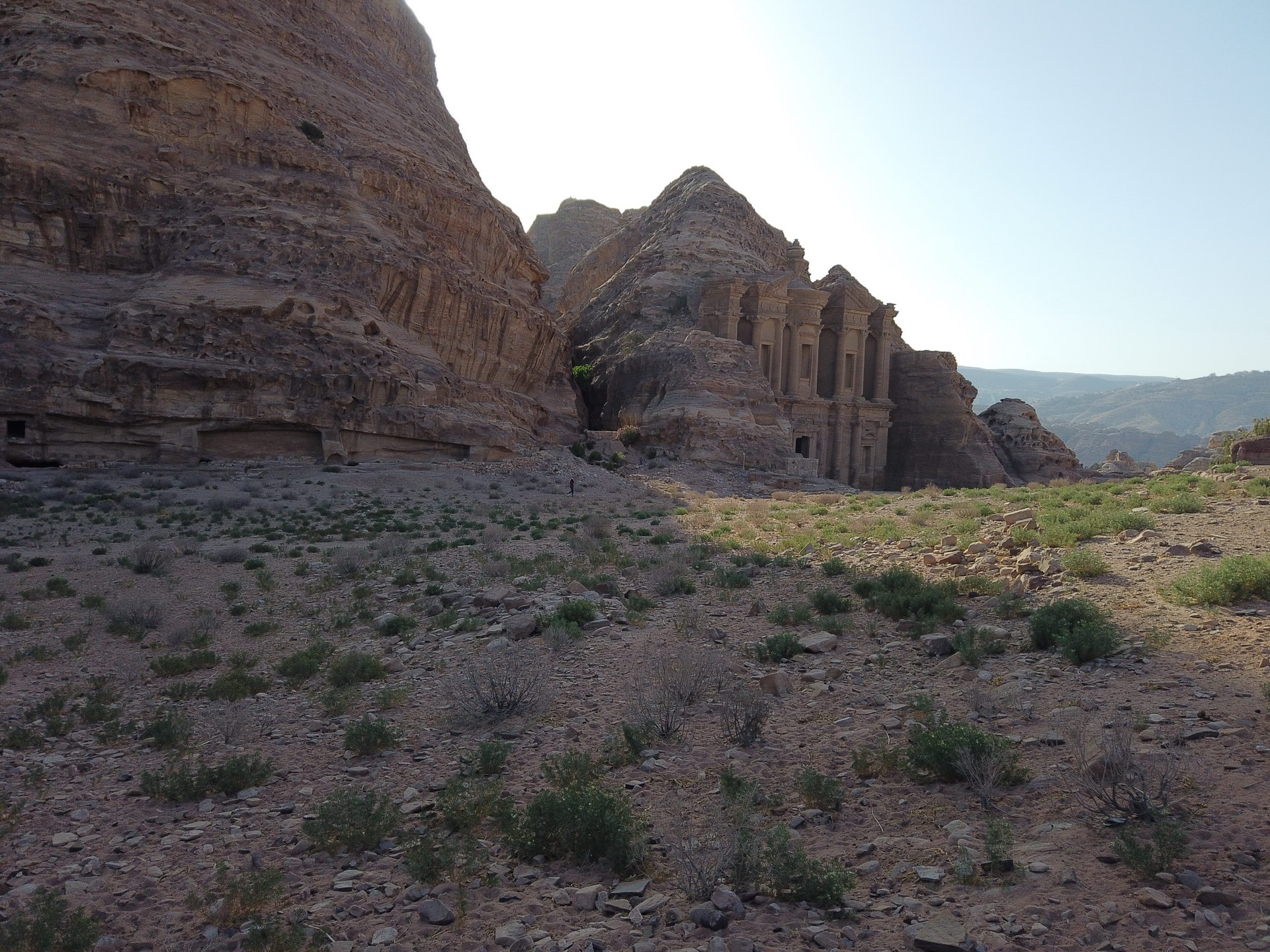
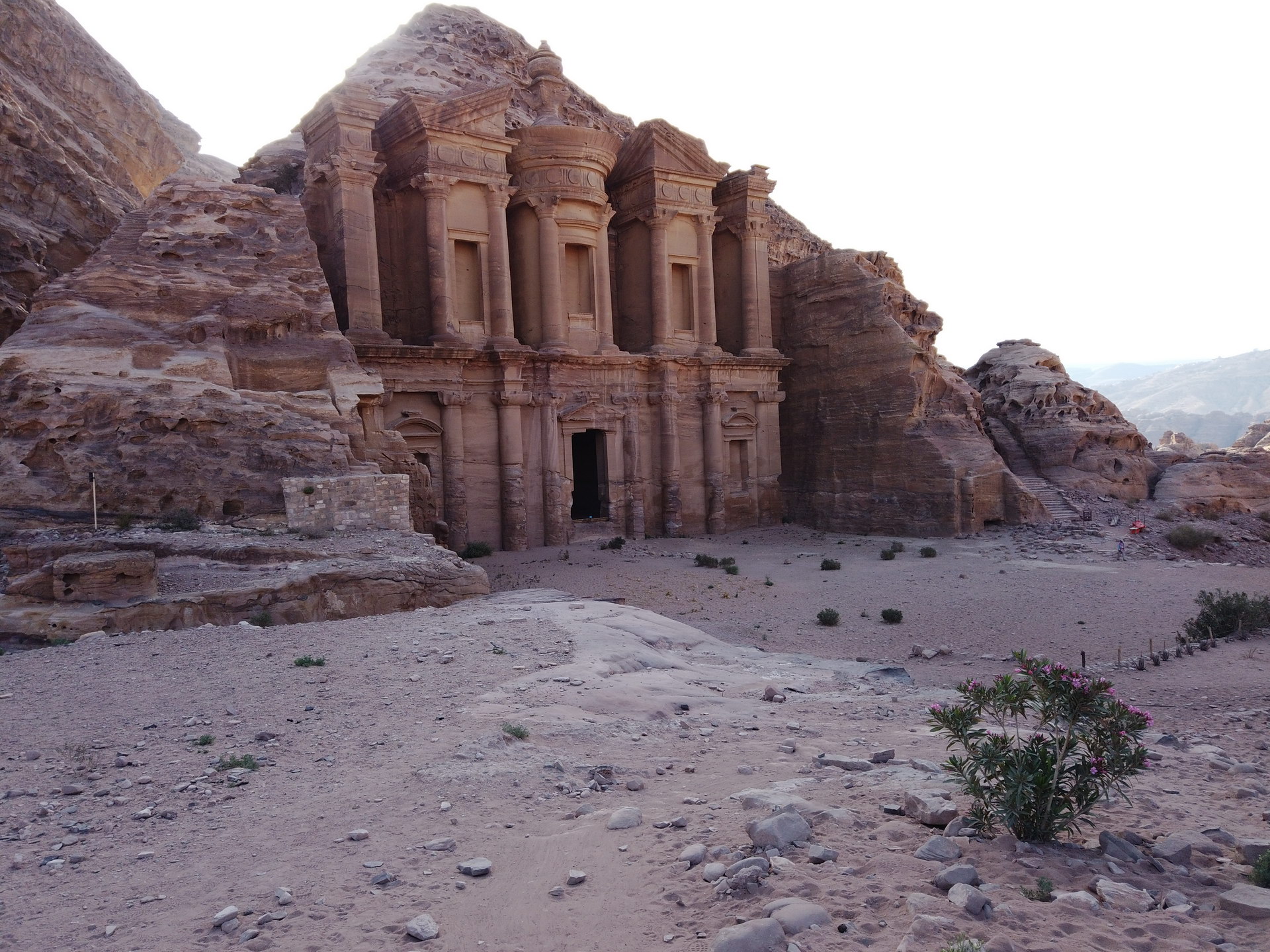
No trip to Jordan is complete without visiting Petra, a UNESCO World Heritage site and one of the New Seven Wonders of the World. This ancient city, carved into rose-red cliffs, dates back to the 5th century BC and offers a glimpse into the Nabatean civilization. The best time to visit is early morning or late afternoon when the light casts a magical glow on the rocks. Be prepared to walk a lot; comfortable shoes are a must. Guided tours can enhance your experience and provide deeper insights into the history and architecture of Petra.
Wadi Rum
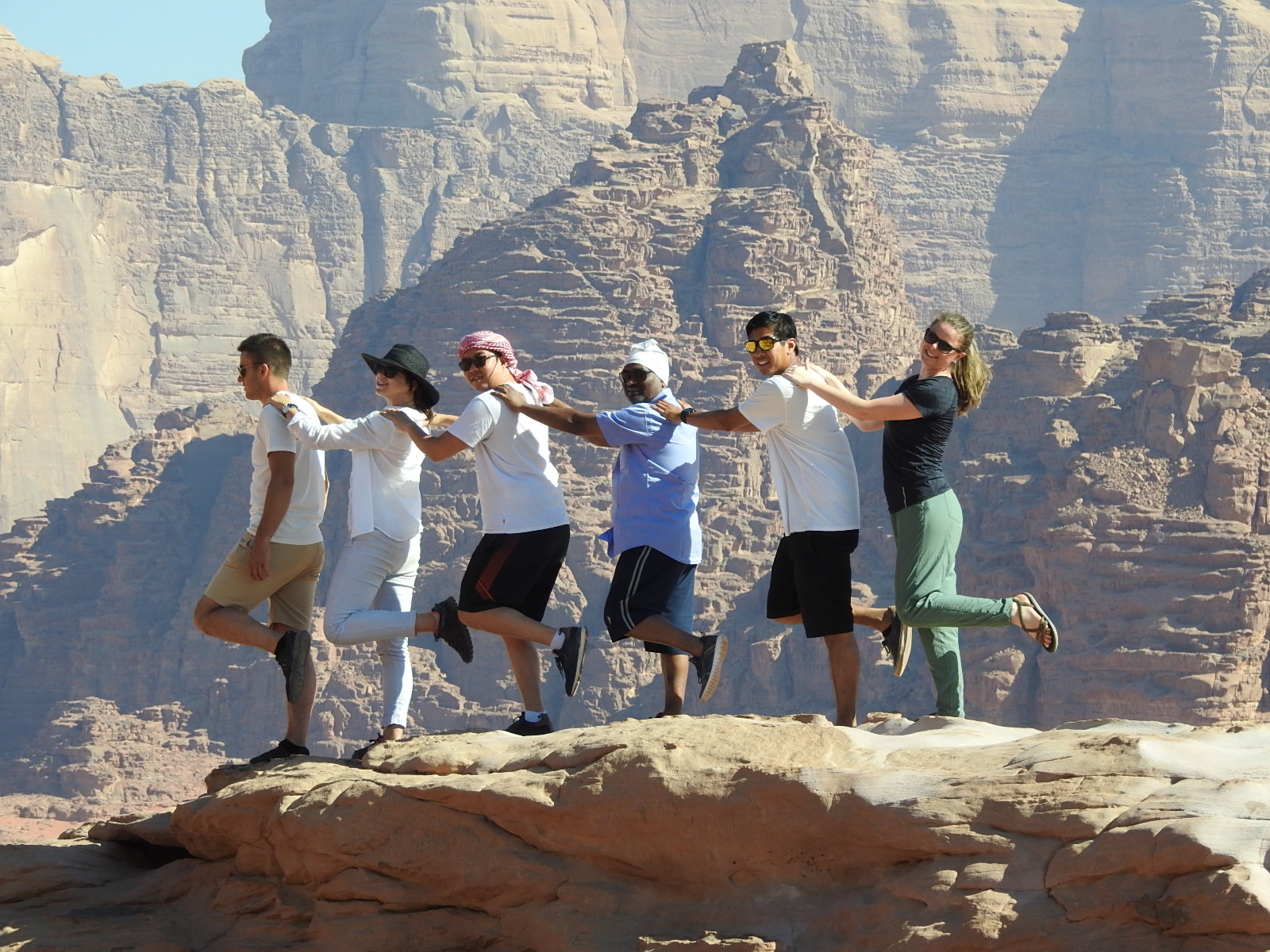
Experience the stunning desert landscapes of Wadi Rum, often referred to as the 'Valley of the Moon'. This vast wilderness is characterized by towering cliffs and sweeping sands. One of the best ways to explore Wadi Rum is by taking a jeep tour or a hot air balloon ride at sunrise. Don't miss the chance to camp under the stars in a traditional Bedouin tent, enjoying local cuisine and music around a campfire.
The Dead Sea
Famous for its high salinity, the Dead Sea is an extraordinary natural wonder where you can float effortlessly on the water. The mineral-rich mud is renowned for its therapeutic properties, making it a popular spot for relaxation and wellness treatments. The best time to visit is during the cooler months from October to April. Make sure to bring plenty of water to stay hydrated and avoid sunburn while enjoying the unique experience of this incredible body of water.
Jerash
Step back in time at Jerash, one of the best-preserved Greco-Roman cities outside of Italy. Its impressive ruins include temples, theaters, and colonnaded streets, providing a fascinating insight into ancient life. The annual Jerash Festival of Culture and Arts in July offers visitors a unique opportunity to experience traditional music, dance, and theater in a stunning historical setting. Plan your visit early in the day to avoid crowds and the afternoon heat.
Aqaba
If you're a fan of sun and sea, Aqaba is the perfect destination for beach lovers. This coastal city is known for its vibrant coral reefs and offers excellent opportunities for snorkeling, diving, and other water sports. The best time to visit is during the spring and fall when the weather is mild, making it ideal for outdoor activities. Take a boat tour to explore the Red Sea and enjoy fresh seafood at one of the many beachfront restaurants.