Essential Travel Information for Visitors to Jordan
By WelcomeJordan··Jordan Travel Guide
Visa Requirements for Entering Jordan
Travelers planning to visit Jordan should familiarize themselves with the visa requirements based on their nationality. Citizens of many countries, including the United States, Canada, and EU member states, can obtain a visa on arrival, allowing them to stay for up to 30 days. It’s essential to ensure that your passport is valid for at least six months beyond your planned departure date from Jordan. For those intending to stay longer, extensions can be requested at local immigration offices.
Entry Regulations for Specific Nationalities
United Kingdom and Northern Ireland: Citizens can obtain a one-month residence permit at the border, with options for extensions available afterward. Ensure you have proof of accommodation.
Syrian Nationals: Visitors from certain countries may enter Jordan for tourism or transit purposes if they hold valid residence permits for at least four months. Those coming from European countries, the Americas, and GCC countries can stay for up to one month.
Gulf Cooperation Council (GCC) Nationals: Citizens of GCC countries can enter Jordan without a visa, simply needing a passport stamp upon arrival. This includes nationals from Saudi Arabia, UAE, Oman, Qatar, Bahrain, and Kuwait.
Palestinian Authority Passport Holders: Holders of Palestinian Authority passports can enter Jordan without prior approval if arriving from the West Bank. Those from Gaza must obtain permission before boarding their flight.
U.S. Citizens: U.S. passport holders can enter Jordan without a visa for up to 30 days. Ensure you also have a return ticket and travel insurance for your visit.
Travel Tips for Navigating Jordan
To make your travel experience as seamless as possible, consider these practical tips:
Best Time to Visit: The ideal time to visit Jordan is from March to May and September to November when the weather is mild and pleasant for exploring sites like Petra and Wadi Rum.
Currency and Payments: The local currency is the Jordanian Dinar (JOD). Credit cards are widely accepted, but it’s advisable to carry some cash, especially in remote areas. Currency exchange services are available at airports and major cities.
Transportation: Renting a car can be an excellent way to explore Jordan at your own pace. However, public transport and organized tours are available for those preferri
ng not to drive. Taxis and ride-hailing services are also popular in urban areas.
Health Precautions: While Jordan is generally safe for travelers, it’s advisable to drink bottled water, especially in rural areas. Vaccinations for hepatitis A and typhoid are recommended, and travelers should ensure they have travel insurance that covers medical emergencies.
Local Customs: Be respectful of Jordanian culture. Dress modestly, particularly in rural areas and religious sites, and learn a few Arabic phrases to enhance your interactions with locals.
Nearby Attractions and Excursions
Jordan is rich in historical and natural attractions. Here are some must-visit sites:
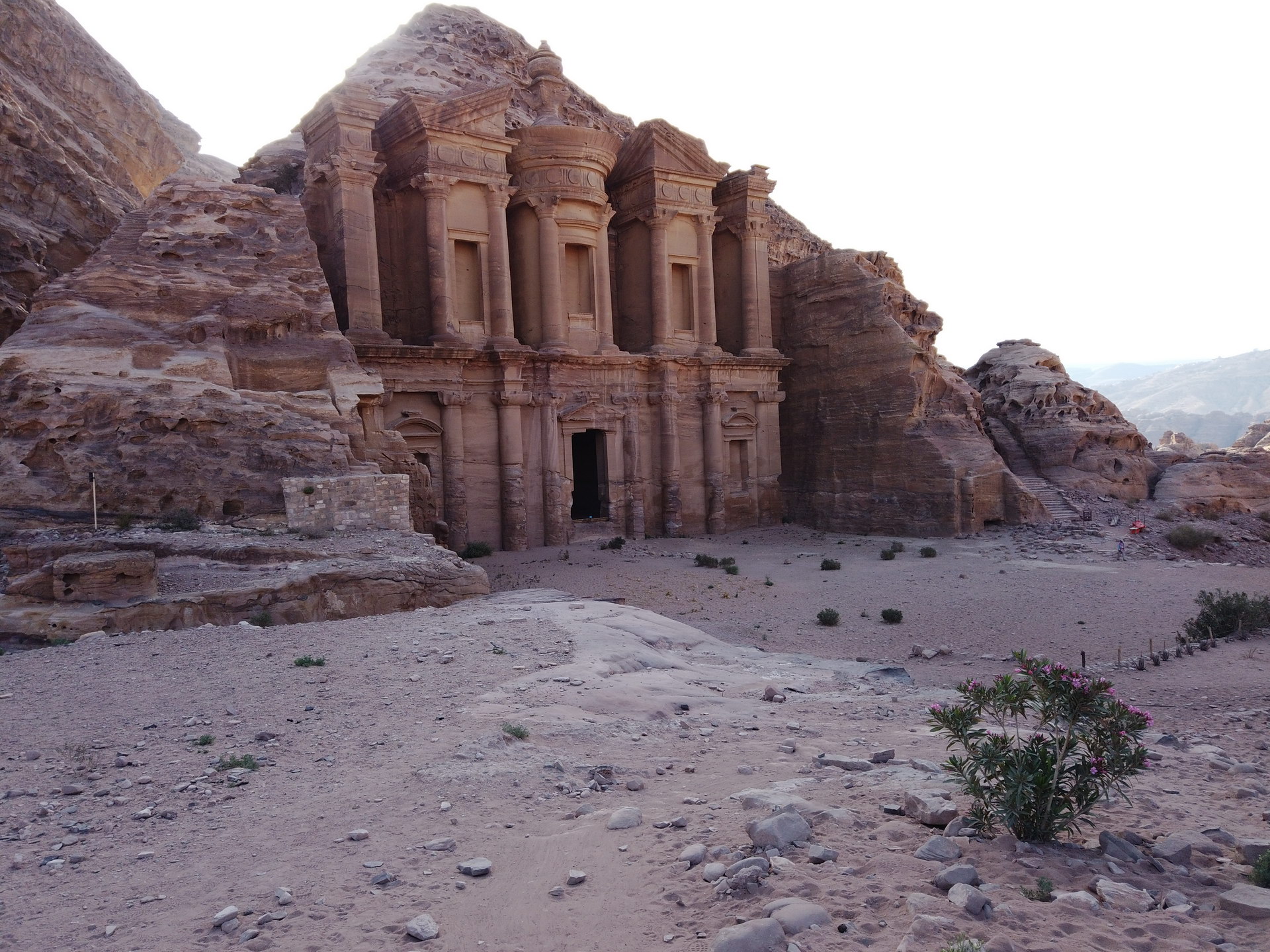
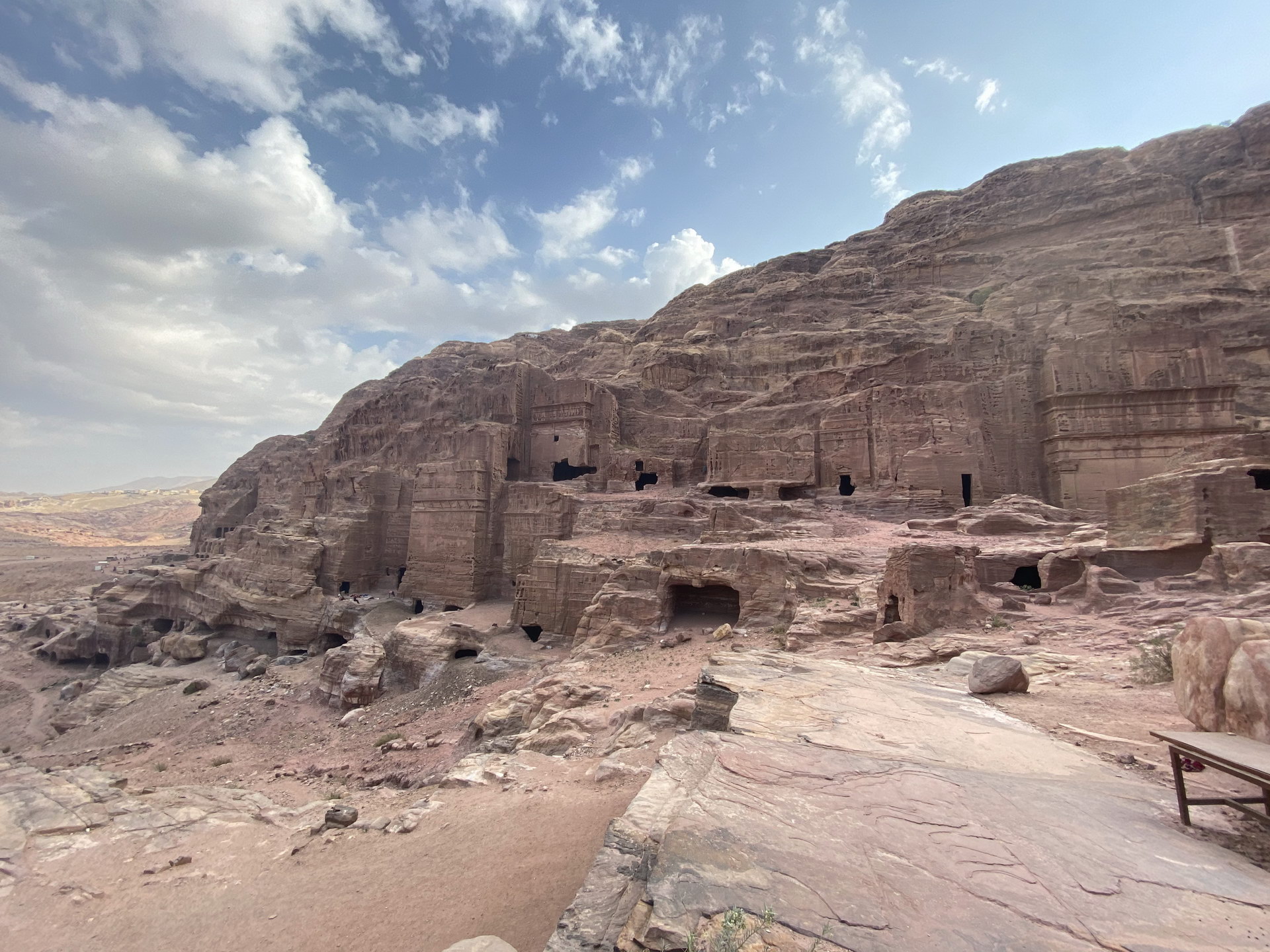
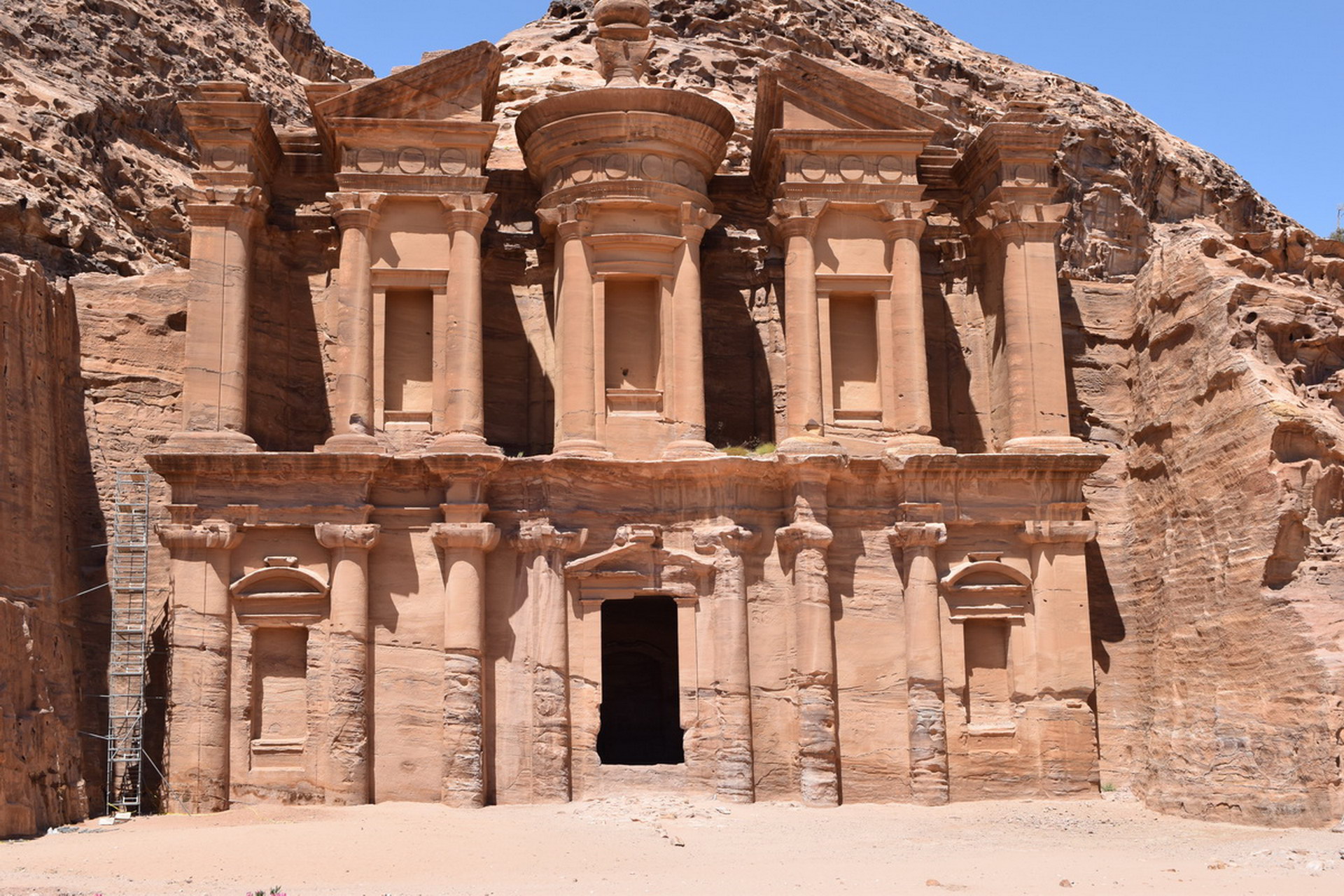
Petra: This UNESCO World Heritage site is a must-see and one of the New Seven Wonders of the World. Explore its stunning rock-cut architecture and learn about its fascinating history as a major trading hub in ancient times. The best time to visit is during spring or fall, avoiding the summer heat.
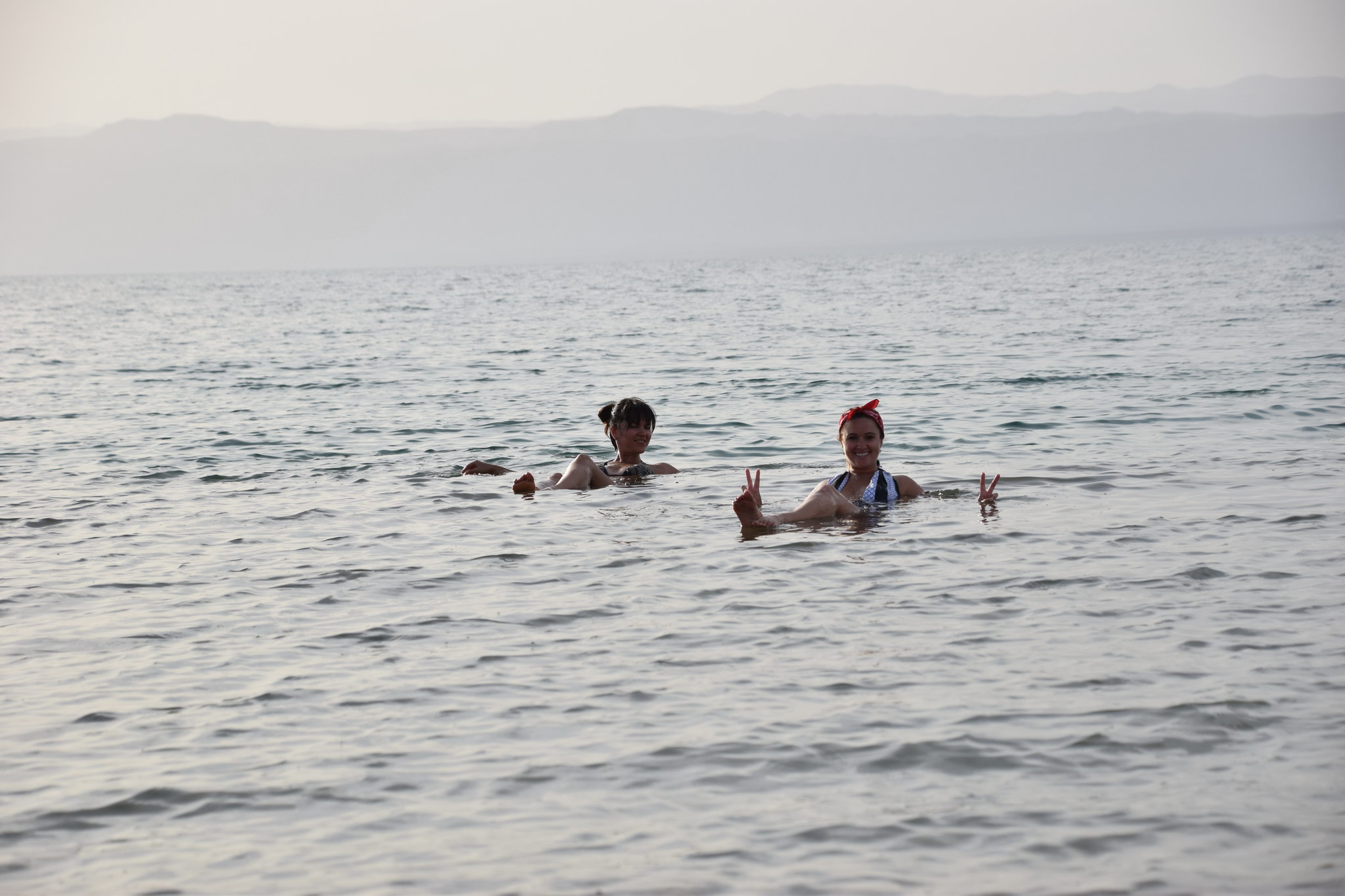
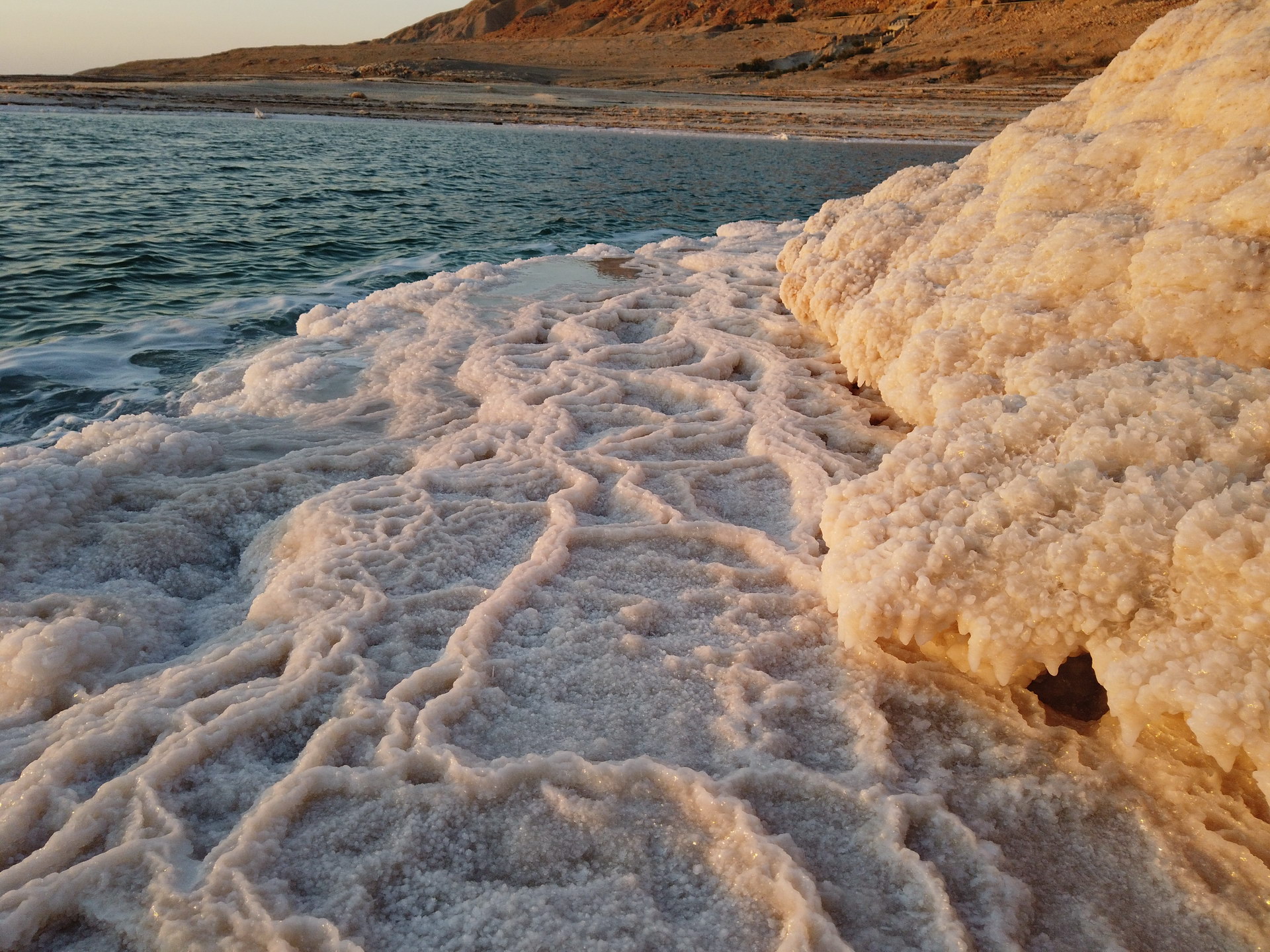
Dead Sea: Known for its unique buoyancy and therapeutic mud, the Dead Sea is the lowest point on Earth. Enjoy a relaxing float in its salty waters and indulge in spa treatments at nearby resorts. The best time to visit is in the cooler months from October to April.
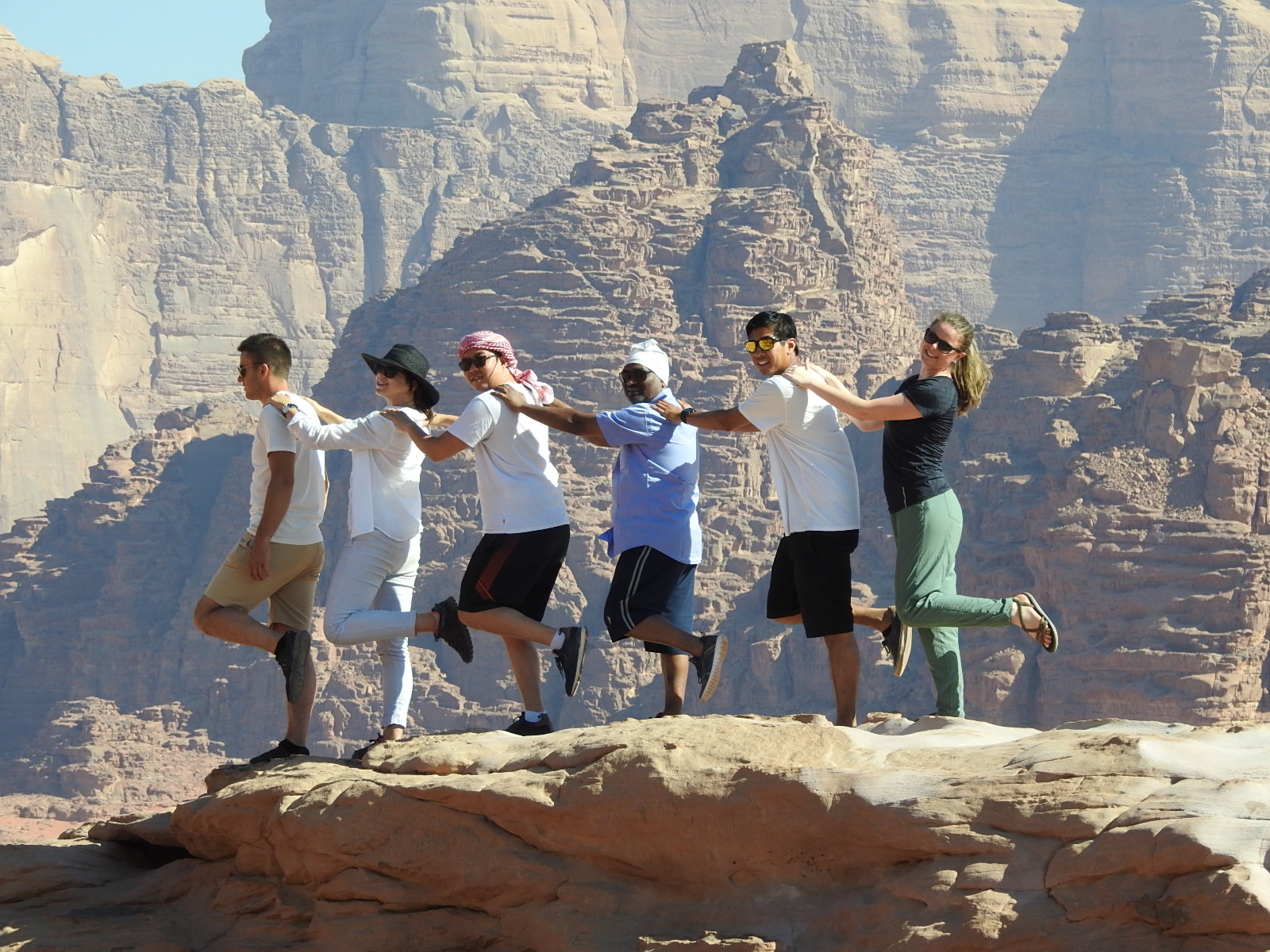
Wadi Rum: Often referred to as the 'Valley of the Moon,' Wadi Rum is famous for its breathtaking desert landscapes. Take a jeep tour or opt for a camel ride to explore its stunning rock formations and ancient petroglyphs. The cooler months are ideal for visiting this remarkable desert.
Jerash: Discover the ancient Roman city of Jerash, known for its well-preserved ruins, including the impressive Hadrian's Arch and the Temple of Artemis. The site is best visited during spring or fall when the weather is pleasant for walking through its expansive grounds.
Aqaba: This coastal city on the Red Sea offers beautiful beaches and vibrant marine life. Snorkeling and diving are popular activities here, with the best visibility occurring during the summer months. Don’t miss the chance to explore the nearby Aqaba Fort and local markets.
Conclusion
Being well-informed about the travel requirements and restrictions for Jordan is crucial for a hassle-free visit. Ensure you have the necessary visa and documents ready before your trip. With its rich history, stunning landscapes, and warm hospitality, Jordan promises an unforgettable travel experience.