Exploring the Wonders of Wadi Rum - A Must-Visit Destination in Jordan
Why Visit Wadi Rum?
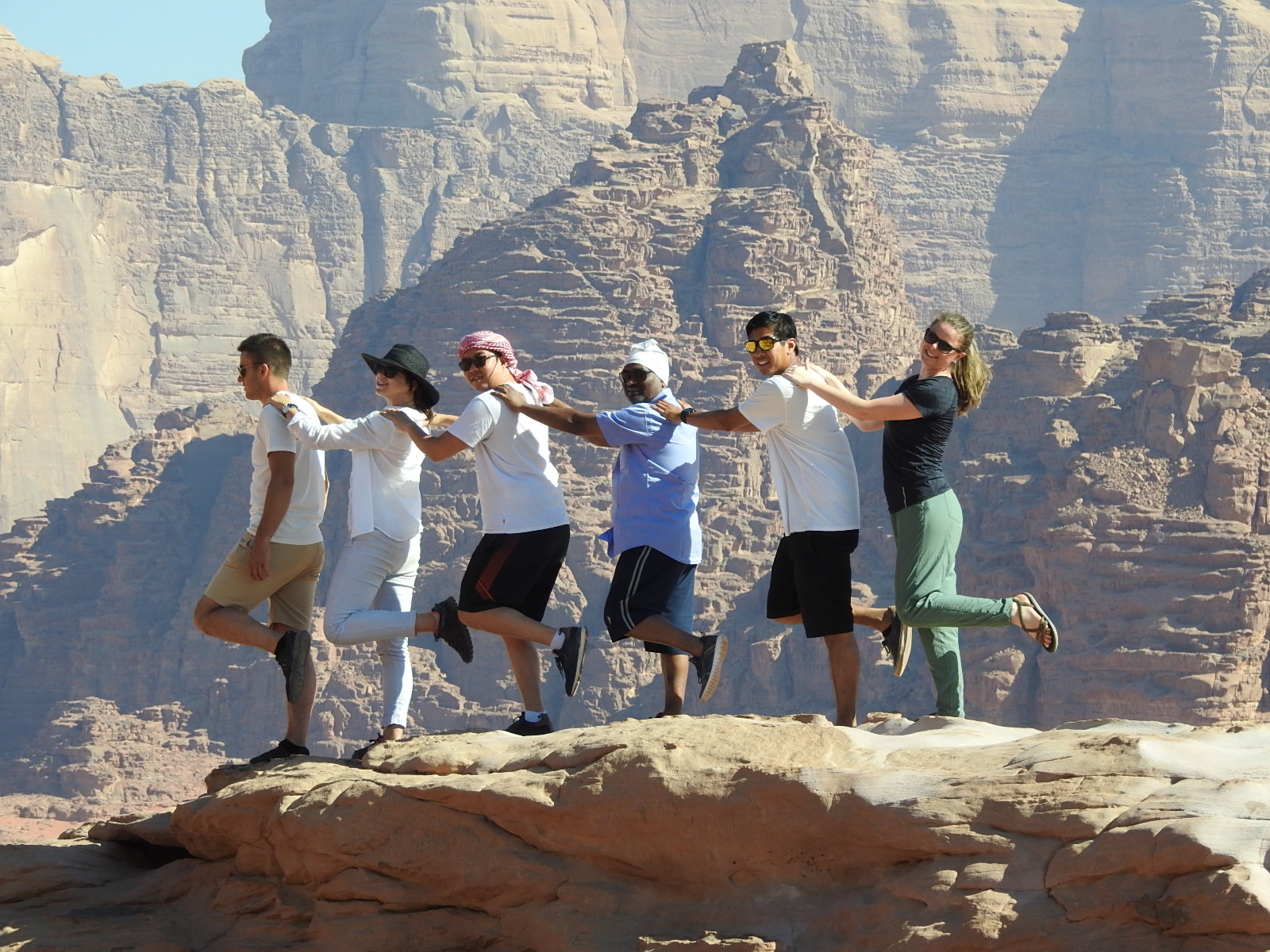
Wadi Rum, also known as the Valley of the Moon, is a UNESCO World Heritage site that captivates visitors with its dramatic sandstone mountains, deep canyons, and rich Bedouin culture. Whether you're an adventure seeker, a history enthusiast, or simply looking to take in stunning landscapes, Wadi Rum has something for everyone. The best time to visit is between October and April when temperatures are milder, making outdoor activities more enjoyable.
Lawrence’s Spring
This historic site is where T.E. Lawrence, famously known as Lawrence of Arabia, is said to have washed during the Arab Revolt. The spring itself is surrounded by beautiful rock formations and offers visitors a glimpse into the area's rich history. Nearby, you'll find intriguing rock inscriptions that tell stories of ancient travelers. To get there, consider taking a guided tour or hiring a local Bedouin guide who can provide insights into the area's significance. Visiting in the early morning or late afternoon allows you to enjoy the tranquil atmosphere and avoid the midday heat.
Khazali Canyon
Khazali Canyon is a stunning, narrow fissure in the mountains that is rich in history and natural beauty. As you walk through the canyon, you'll encounter numerous rock inscriptions that date back to various ancient civilizations, including Nabateans and Thamudic peoples. The canyon's steep walls and unique rock formations create a mystical atmosphere that is perfect for photography enthusiasts. Make sure to wear sturdy shoes, as the terrain can be uneven. Guided tours often include this canyon, so it’s an easy addition to your Wadi Rum itinerary.
Rock Bridge
The Rock Bridge in Wadi Rum is a spectacular natural arch that provides breathtaking views of the surrounding landscape. This stunning formation is a fantastic spot for photography, especially at sunrise or sunset when the colors of the rocks are illuminated. Reaching the Rock Bridge requires a moderate hike, so bring plenty of water and wear comfortable shoes. The views from the top are worth the effort, offering a panoramic perspective of the desert and its unique formations.
Burrah Canyon
Burrah Canyon is one of the most dramatic canyons in Wadi Rum, characterized by its long, deep chasms flanked by towering mountains. The canyon is filled with sandy areas and is especially beautiful during the early morning or late evening when the sunlight bathes the rocks in deep orange hues. This is a perfect spot for hiking and exploring the unique geology of the region. It’s advisable to go with a guide who can share the stories and history of this fascinating area.
Siq Um Tawaqi
Siq Um Tawaqi is a short but captivating canyon that features a notable carving of T.E. Lawrence’s head. This site is not only a natural wonder but also an important historical marker. As you walk through this narrow canyon, take a moment to appreciate the ancient rock formations and the artistry of the inscriptions. It’s a great spot for those looking to combine a bit of history with their hiking adventure. Be sure to carry a camera to capture the unique formations and the serene beauty of this canyon.
Anfashieh Inscriptions
Anfashieh Mountain is celebrated for its impressive rock formations and ancient inscriptions. Here, you can find numerous Thamudic and Nabatean inscriptions, alongside depictions of animals, humans, and camel caravans that once traversed this region. This site is essential for those interested in the history of the Bedouin and their ancestors. To access Anfashieh, a guided tour is recommended, as local guides can provide context and significance to the inscriptions, enhancing your understanding of the area's rich past.
Sunset Sites
Wadi Rum is famous for its breathtaking sunsets, and there are several designated sites where you can enjoy the spectacle as the sun dips below the horizon. These sites provide panoramic views of the desert landscape, transforming the rocks and sands into a mesmerizing palette of colors. Bring a blanket and perhaps a picnic to enjoy while watching the sunset. This is a perfect way to end a day of exploration in Wadi Rum, creating lasting memories of the stunning desert views.
Sand Dunes
The vast sand dunes of Wadi Rum are a highlight for many visitors. These towering dunes, often piled high against the mountains, provide an exhilarating experience for those who wish to climb to the top and take in the stunning views. The dunes are home to desert-adapted plants and wildlife, making it a unique ecosystem. You can enjoy activities such as sandboarding, camel rides, or simply exploring the shifting sands. Ensure you bring plenty of water and a hat to shield yourself from the sun while you explore this enchanting landscape.
Alameleh Inscriptions
The Alameleh Inscriptions are a remarkable example of ancient rock art that depicts camels and other wildlife. These engravings provide insight into the lives of the people who once inhabited this area. Visitors can explore the site and learn about the significance of these drawings through guided tours. The inscriptions are located in a beautiful setting, making it a great place for photography and reflection. Consider visiting in the late afternoon to enjoy the golden hour light casting long shadows across the rock faces.
Seven Pillars of Wisdom
The Seven Pillars of Wisdom is a prominent mountain in Wadi Rum, known for its historical connection to T.E. Lawrence. The local Bedouin have referred to this mountain as Jabal al-Mazmar long before its association with Lawrence became known. The mountain offers stunning views and is often a focal point for photography. Hiking to the summit can be challenging but rewarding, as you’ll be able to witness the beauty of Wadi Rum from above. It’s best to go in the cooler months and with a guide for safety and navigation.
Nabatean Temple – Aretas IV
This ancient temple, dedicated to the Nabatean goddess ALLAT, is a significant archaeological site in Wadi Rum. Built on the ruins of an earlier temple from the AAD tribe, the Nabatean Temple is a testament to the area's rich history and cultural heritage. Visitors can explore the temple's remains, which offer insights into the religious practices of the Nabateans. The site is usually included in guided tours, where you can learn more about the Nabateans and their civilization. Early mornings or late afternoons are the best times to visit to avoid the heat and crowds.
Jabal Umm Al Dami
Jabal Umm Al Dami is the tallest mountain in Jordan, standing at approximately 1,854 meters. Located within Wadi Rum and near the Saudi Arabian border, this mountain offers spectacular summit views that are well worth the hike. The climb can be strenuous, but the panoramic views from the top showcase the stunning desert landscape that makes Wadi Rum famous. It’s recommended to plan your visit in the cooler months and to hire a knowledgeable guide to assist you with the ascent and share insights about the mountain's significance.