The Creators of Petra - Unveiling Jordans Ancient Marvel
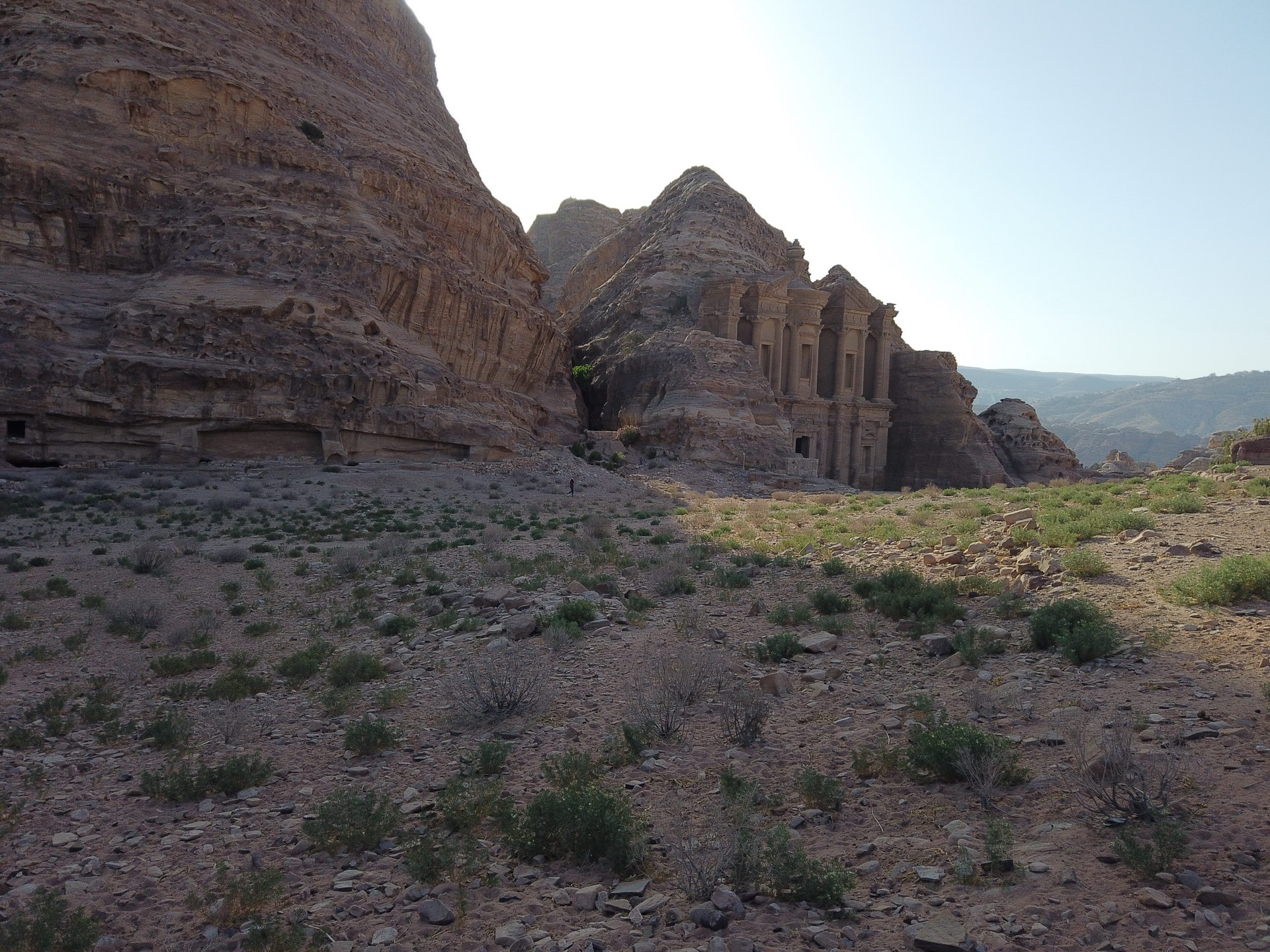
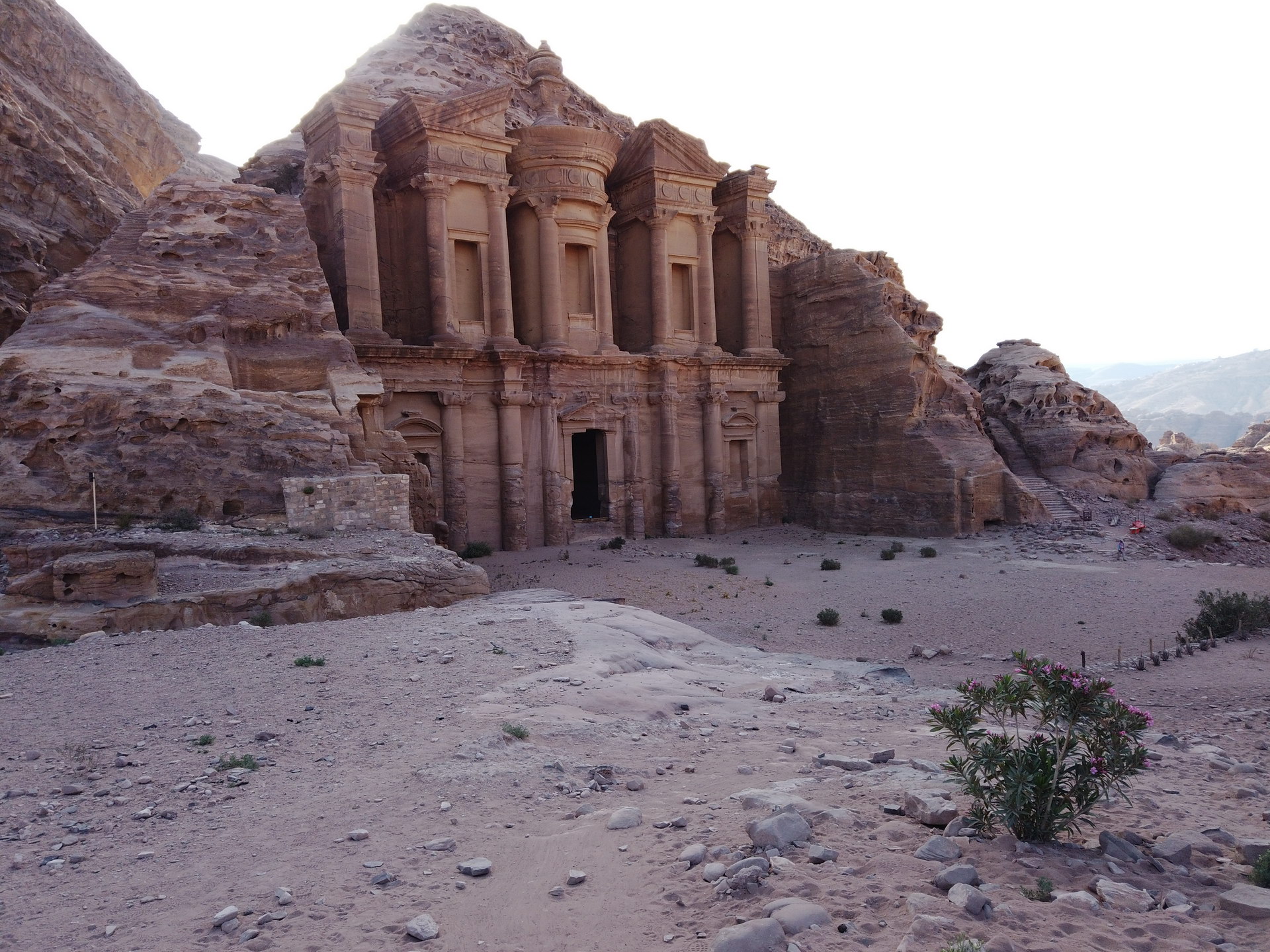
Petra, an enchanting city hidden behind towering rocks and accessible through a narrow opening, continues to captivate visitors with the wonders left by its ancient builders. Thousands of years ago, the resourceful inhabitants of this desert city crafted an ingenious oasis in one of the most arid regions of Jordan. With an average of only six inches of rainfall each year, the builders skillfully designed complex water systems that not only served the residents but could also sustain a modern city with a population of a hundred thousand today.
Water was retained in pools, cisterns, and intricate waterways, ensuring a steady supply for the approximately 20,000 inhabitants of this magnificent city. Yet, one cannot help but wonder how the nomadic tribe, responsible for constructing one of the wealthiest cities of its time, achieved such remarkable engineering. While archaeologists work to unlock the secrets of this stone city, the details of its creation remain largely veiled in mystery.
The Nabataeans: Masters of Trade
The term 'Petra' derives from the Greek word for 'rock,' and the Arabic word 'al-batra' also points to the city's rocky nature. Located 250 kilometers from the Jordanian capital, Amman, Petra served as the thriving capital of the Nabataean Kingdom from 400 BCE until 106 CE. Because of its strategic position at the intersection of two significant trade routes—one leading from western Asia and the other from southern Arabia—Petra flourished economically as astute rulers capitalized on trade opportunities.
Traders engaged in the exchange of textiles, incense, precious metals, ivory, and spices utilized caravans on land and ancient dhows at sea. Petra acted as a vital checkpoint for merchants, providing a place to rest and replenish water supplies, albeit for a fee. The Nabataeans excelled in their role as tax collectors on goods arriving from the Red Sea and were not above the occasional act of piracy.
The Wealth of Petra
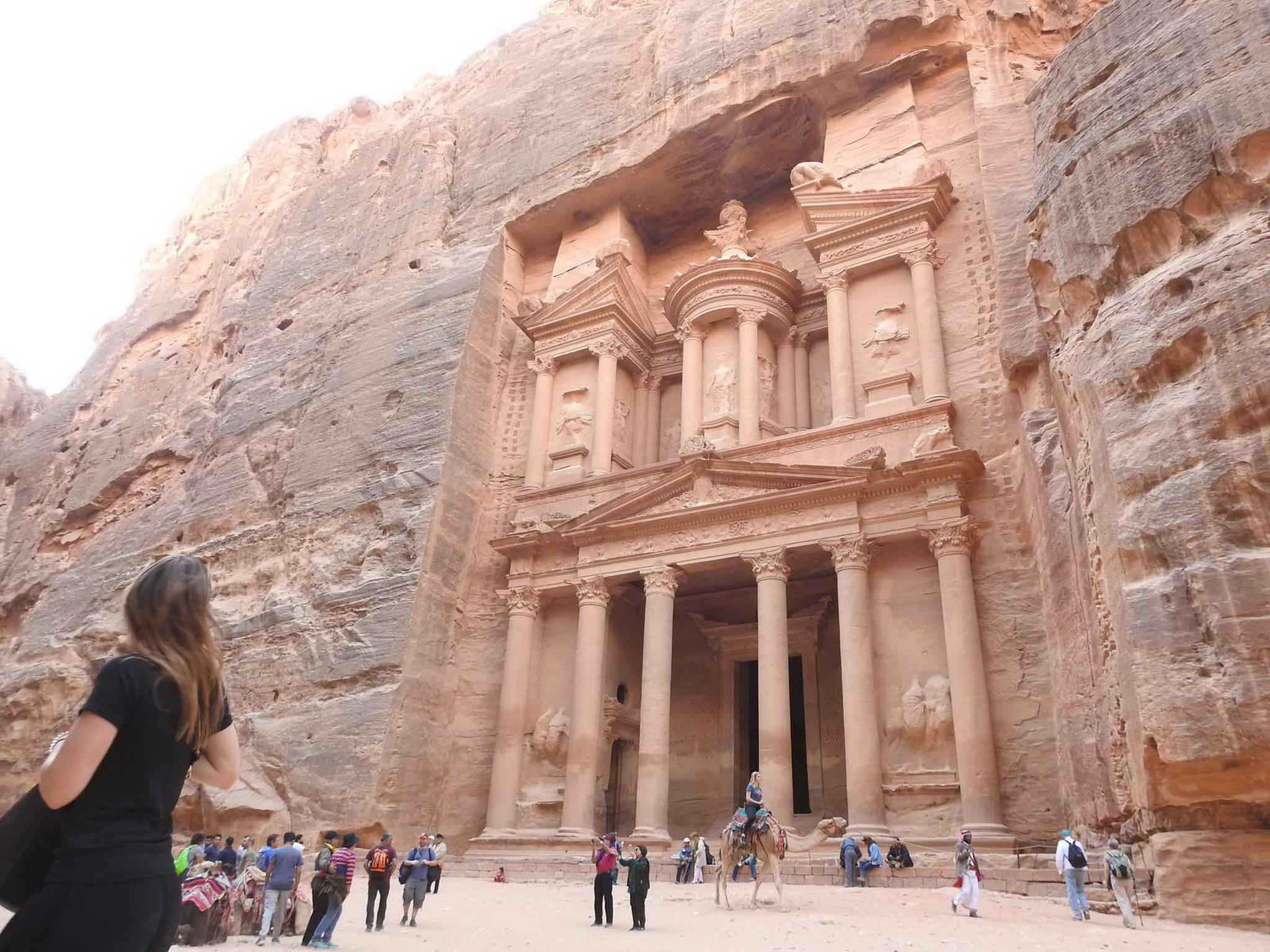
By 100 BCE, the Nabataeans had amassed great wealth by controlling the lucrative incense trade, which allowed for substantial improvements in the city’s infrastructure. This accumulation of wealth transformed Petra into one of the world’s richest cities. Though the city was first brought to the attention of the modern world by Swiss explorer Johannes L. Burckhardt in 1812, the origins and lifestyle of the Nabataeans remain a subject of ongoing research. Before their arrival, the region had been populated by the Edomites since 6000 BCE, but it was the Nabataeans who left an indelible mark on the landscape by carving out this distinctive city.
The Enigma of Nabataean Society
The question arises: how did these nomadic people manage to construct such an awe-inspiring city from solid rock? It is astonishing to think of the level of town planning and engineering skills that must have been acquired to achieve this feat. The artistry displayed in the intricate niches, doorways, and sculptures carved into the rock reflects a level of craftsmanship that belies their prior status as tent-dwelling traders.
Intriguingly, the Nabataeans lacked written records, a departure from most ancient civilizations such as the Sumerians and Egyptians, which inhibits our understanding of their culture. While graffiti and carvings suggest they possessed the capability to write, no documentation survives that captures their achievements or history. There remains a mystery surrounding their disappearance around 2000 years ago, as they melted into the obscurity of history.
A Mystical Entrance
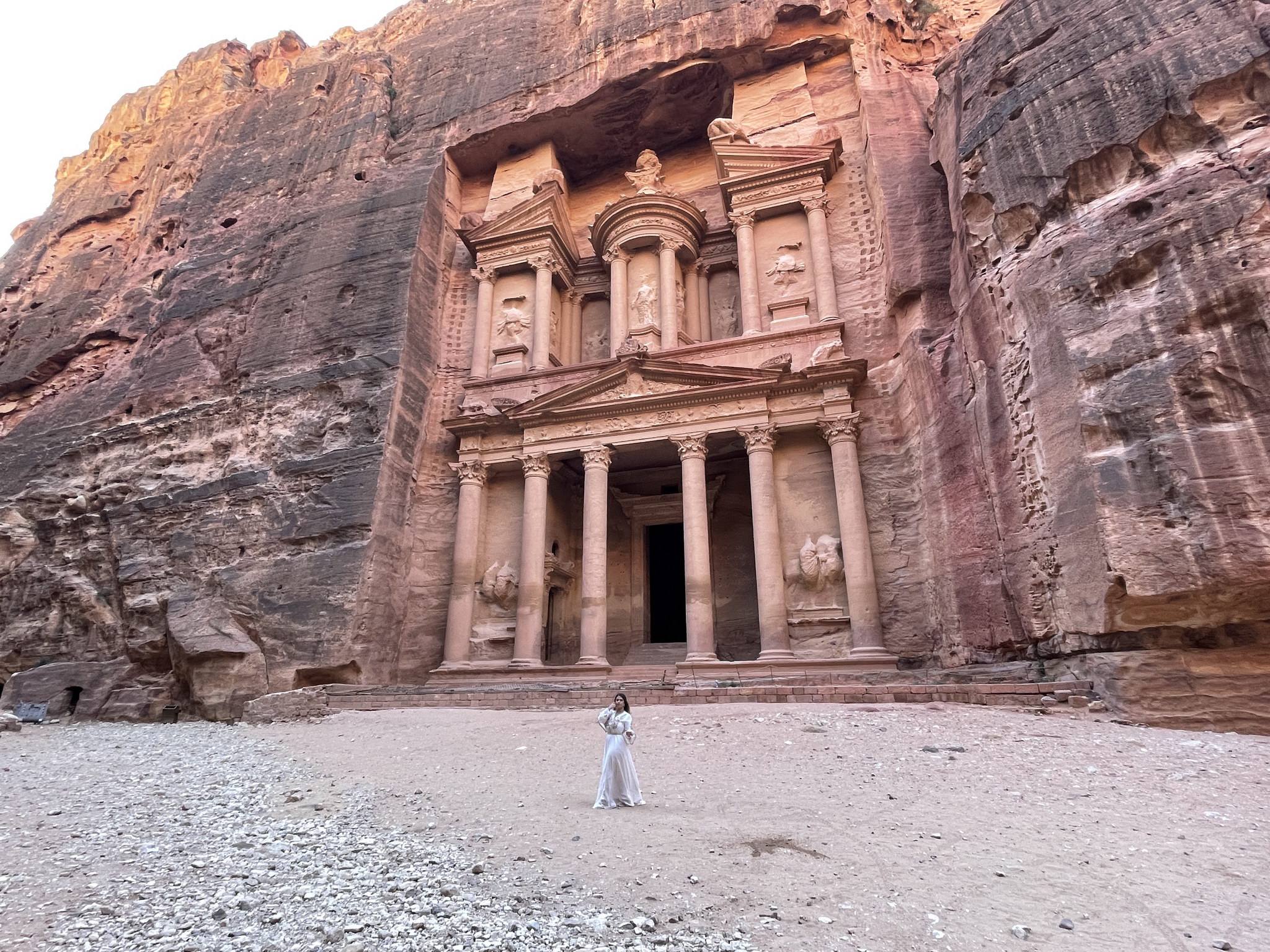
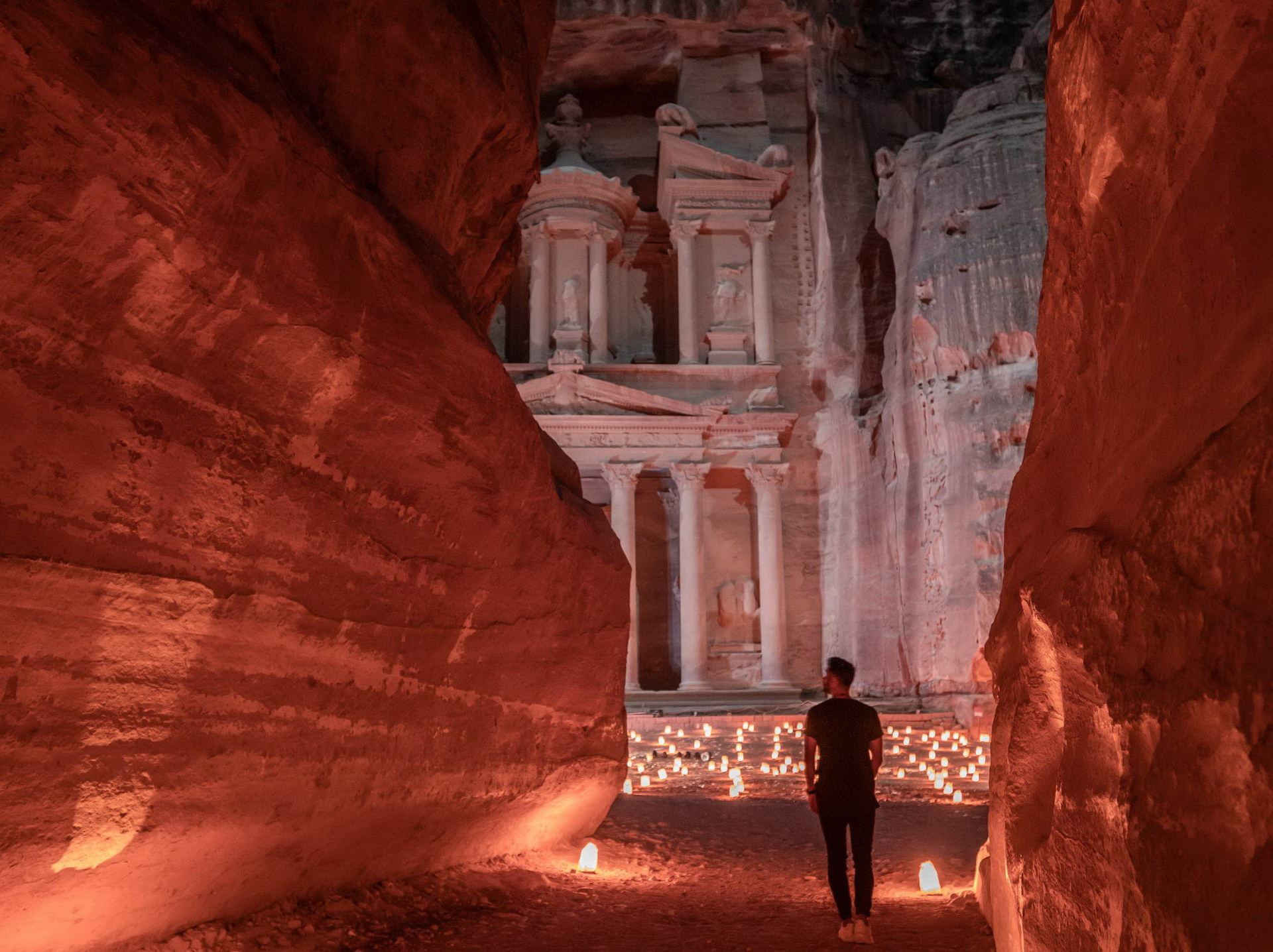
Petra’s ancient name, Rekiem, appears in the Dead Sea Scrolls, highlighting its historical significance. The builders of this striking city also seem to have been masters of secrecy, ensuring that their trading practices and knowledge remained confidential. The first breathtaking sight upon entering through the narrow rock crevice is known as 'The Treasury'—a name given due to the absence of clear purpose or functionality. With no evidence of tombs or recorded passage through this architectural marvel, its true function remains one of the lasting enigmas of Petra.
In the words of John William Burgon, “It seems no work of Man’s creative hand, By labor wrought as wavering fancy planned; But from the rock as if by magic grown, Eternal, silent, beautiful, alone! Match me such a marvel save in Eastern clime, A rose-red city half as old as time.” Petra remains a testament to human ingenuity and the mysteries that history still holds.
Frequently Asked Questions
- Who were the creators of Petra?
- The Nabataeans were the builders of Petra, who crafted this remarkable city as the capital of their kingdom from 400 BCE until 106 CE.
- What was Petra's significance in trade?
- Petra served as a vital checkpoint for traders on significant trade routes, allowing the Nabataeans to excel in tax collection and trade of various goods, including textiles and spices.
- How did the Nabataeans manage water supply in Petra?
- The Nabataeans designed complex water systems including pools, cisterns, and waterways to retain water in the arid environment, suitable for sustaining a population of about 20,000.
- What does the name 'Petra' mean?
- The name 'Petra' derives from the Greek word for 'rock' and the Arabic 'al-batra,' referring to the city's rocky landscape.
- When was Petra rediscovered by the modern world?
- Petra was brought to the attention of the modern world in 1812 by Swiss explorer Johannes L. Burckhardt.