The Ultimate Guide to Visiting Petra, Jordan - Timing and Tips for an Unforgettable Experience
Overview of Petra
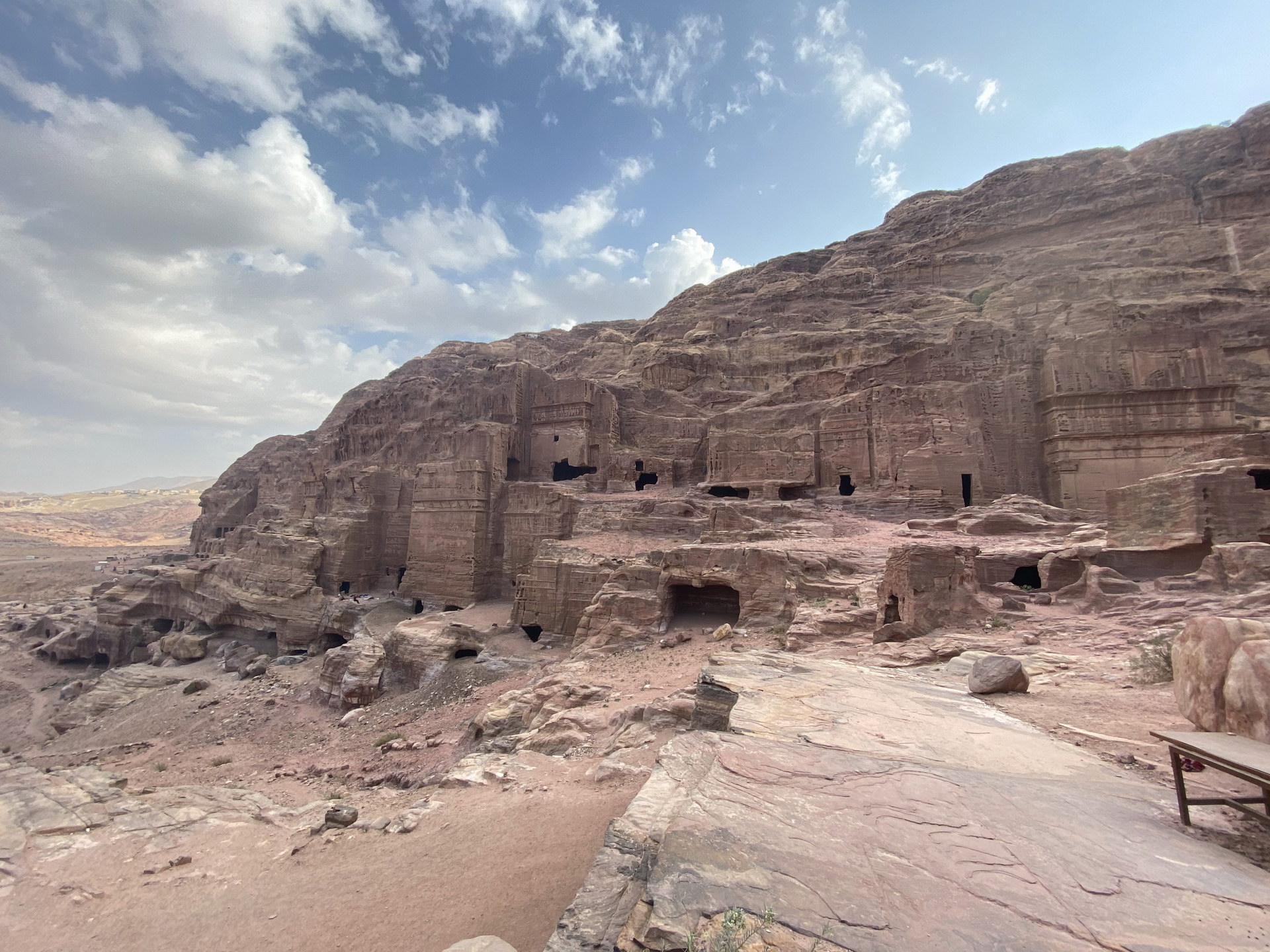
Petra, a UNESCO World Heritage Site, is an archaeological wonder located in southern Jordan. Known for its stunning rock-cut architecture and water conduit system, it served as the capital of the Nabataean Kingdom in the 4th century BC. Visitors can explore its fascinating history and breathtaking landscapes, making it a must-visit destination for anyone traveling to Jordan.
Best Time to Visit Petra
Spring (March to May)
Spring is often regarded as the prime season to visit Petra. As temperatures range from the pleasant low to mid-twenties Celsius, the climate is perfect for exploring the site. The surrounding hills around Wadi Musa become adorned with wildflowers, adding vibrant colors to your journey. This is an excellent time to tackle longer hikes, such as the trek to the Monastery (Ad-Deir) or the High Place of Sacrifice. However, spring is also one of the busiest seasons, so it's crucial to book accommodations in advance to secure your stay. Expect crowds, especially during weekends and holidays.
Autumn (September to November)
Autumn mirrors spring in comfort but boasts exceptionally clear light, a photographer's delight. September still carries the warmth of summer afternoons, while October and November usher in milder days and cooler evenings. As crowds peak in October, consider visiting in late November for a more tranquil experience. The beautiful autumnal light enhances the colors of Petra's facades, making it an ideal time for photography. Prepare for an unforgettable experience as the fall foliage blends with the ancient landscapes of Petra.
Summer (June to August)
Summer presents a unique challenge with temperatures frequently exceeding 35°C. However, Petra’s elevation (Wadi Musa is about 1,000 meters above sea level) means mornings are quite pleasant. To make the most of your visit, plan your day in two halves: arrive at opening time to cover the cooler, exposed stretches early in the day, then take a break during the hottest part of the afternoon. Return later for a more relaxed exploration. Interestingly, summer sees fewer tourists, which can make for a quieter experience at iconic sites like the Treasury. Additionally, hotel rates may be lower during this season.
Winter (December to February)
Winter is the quietest time to visit Petra, offering a serene experience for those willing to brave the cooler temperatures. Days are often crisp and sunny, making for excellent walking conditions. However, visitors should be prepared for occasional rain or even snow, which can lead to temporary trail closures for safety. Dress in layers to adjust to changing temperatures throughout the day, and enjoy the peaceful ambiance of Petra with significantly fewer crowds. Hotel prices are also at their lowest during winter.
Best Times of Day to Explore Petra
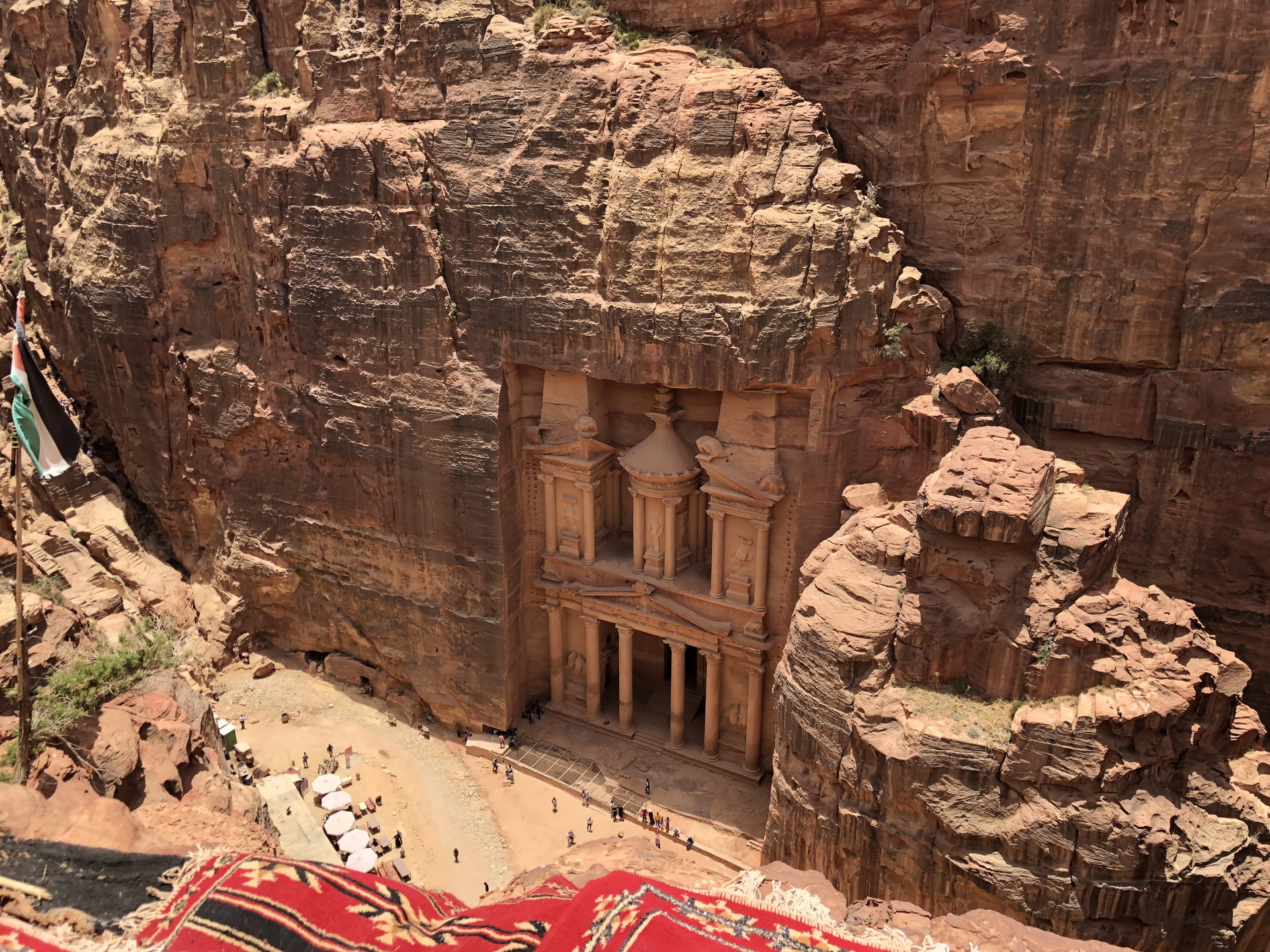
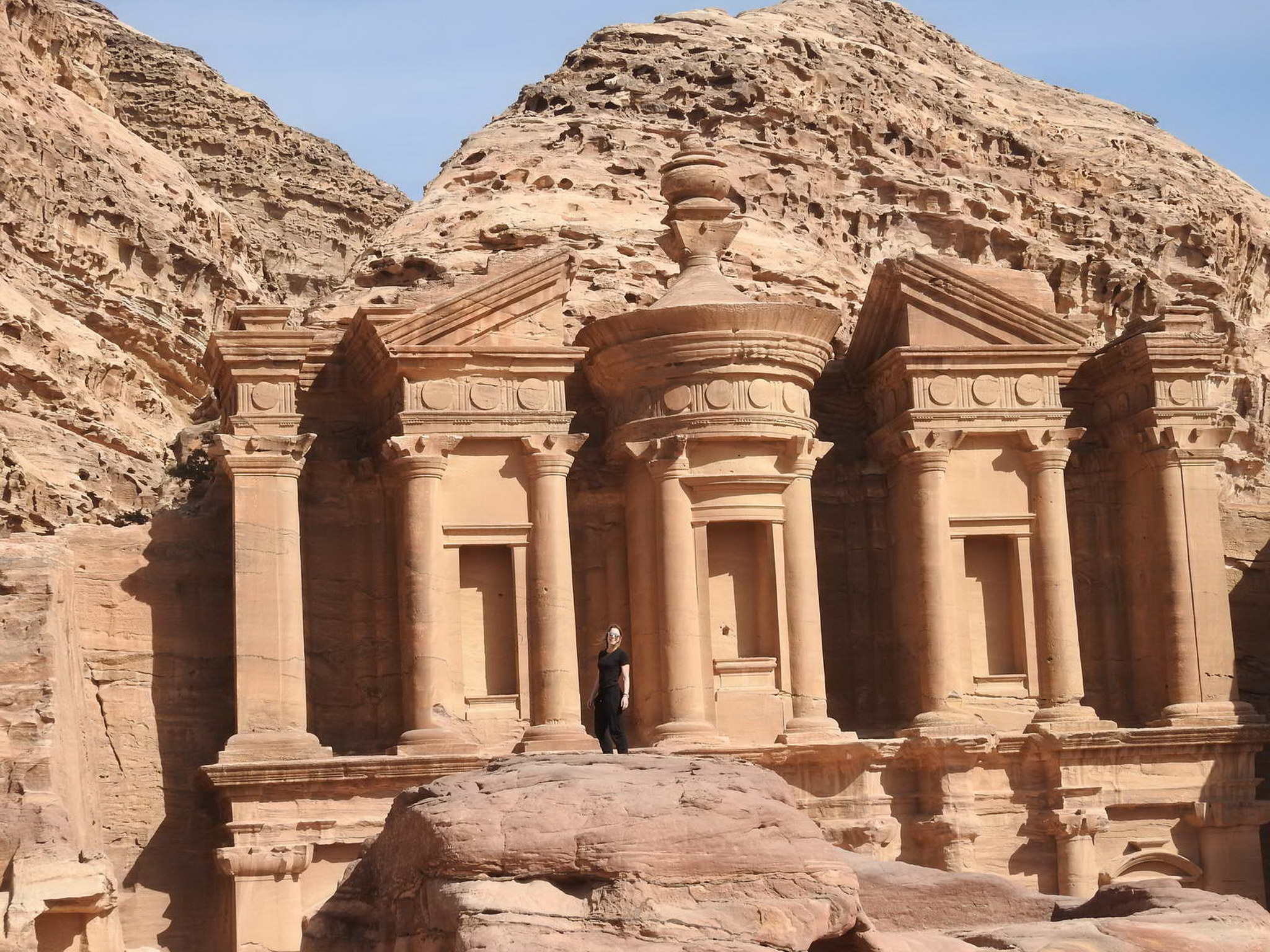
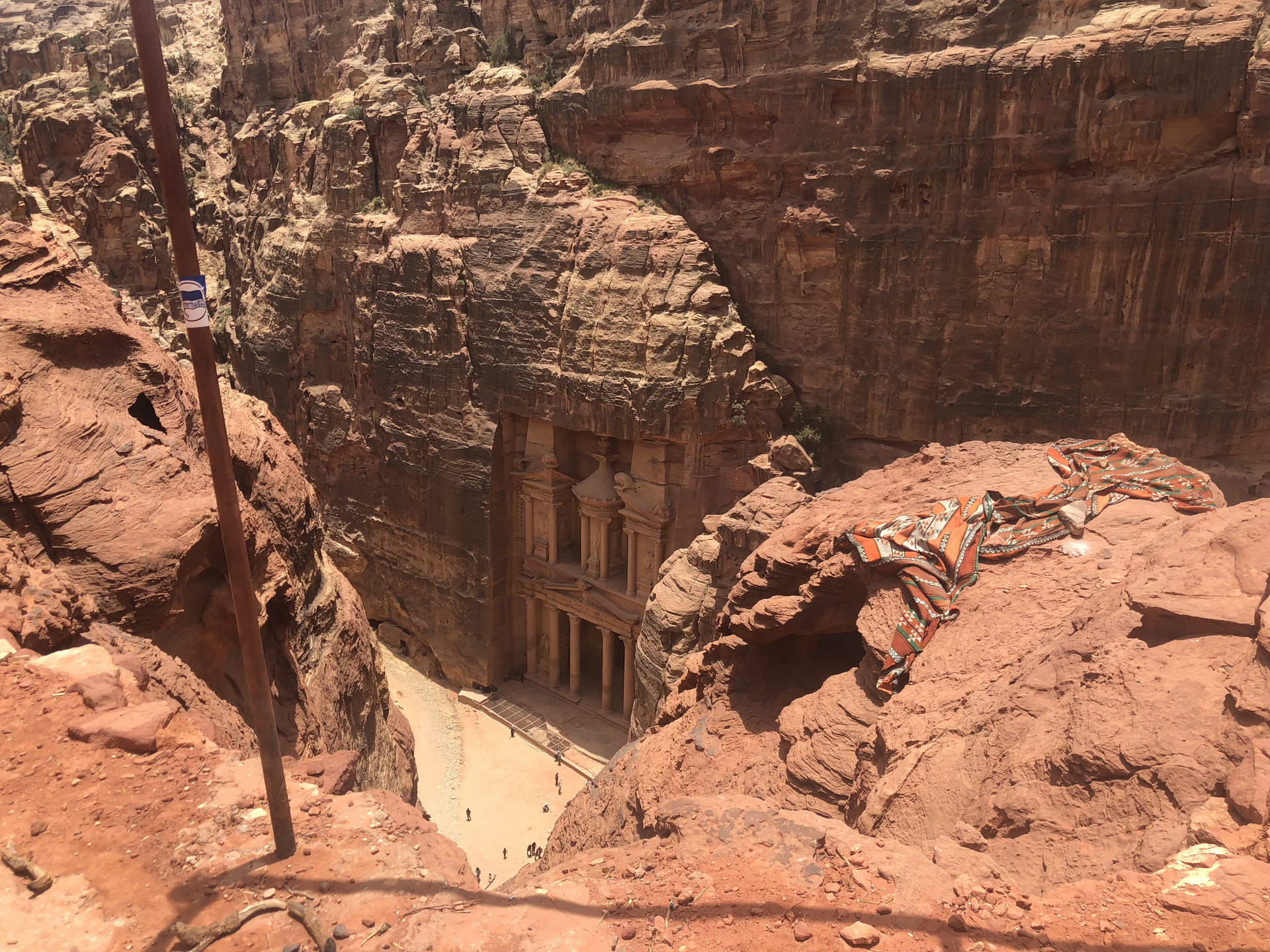
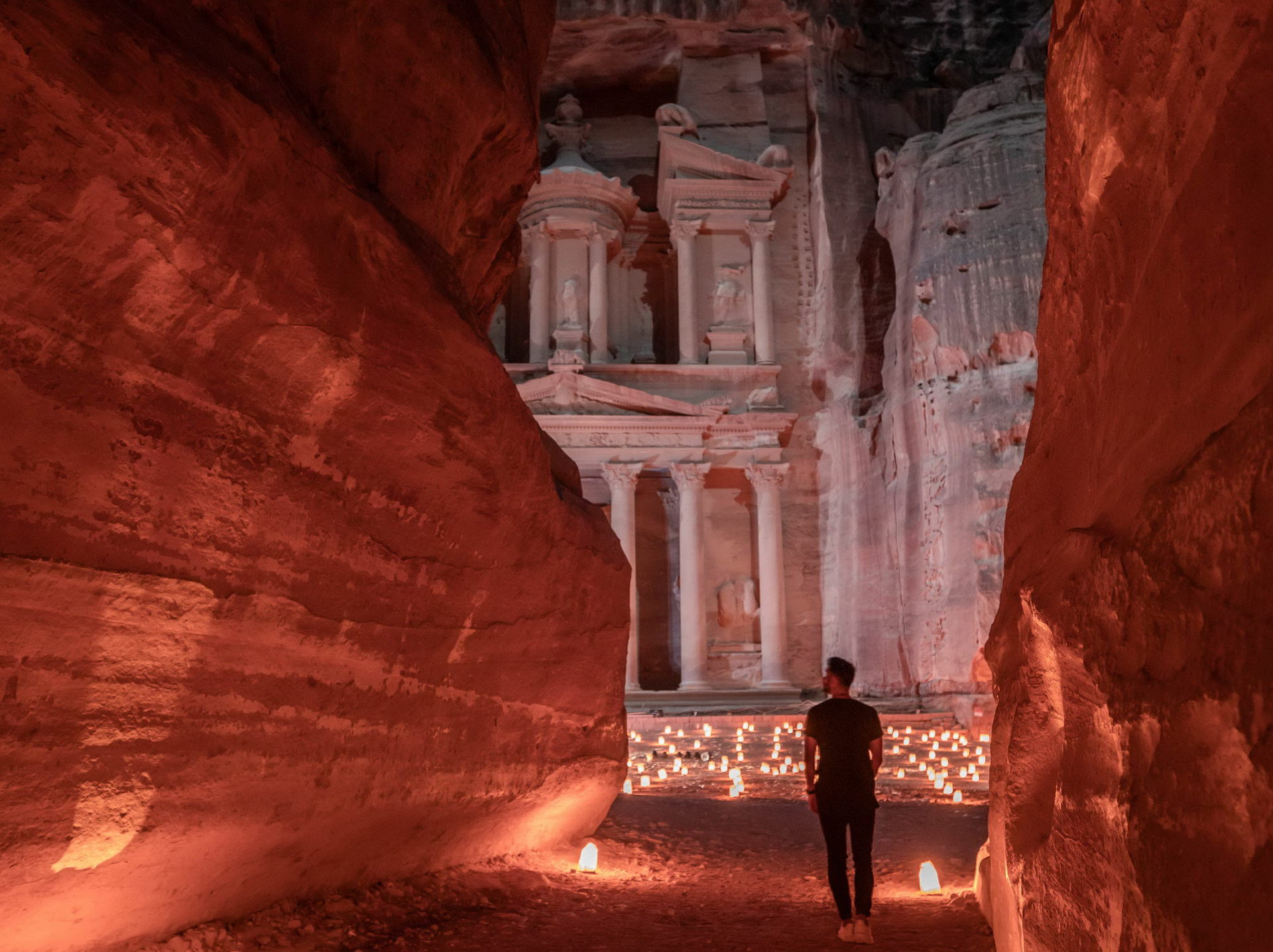
Petra opens its gates at 6:00 AM, and the first two hours are often regarded as the most magical time to be inside the site. The cool air and soft morning light create an enchanting atmosphere, especially in the Siq, the narrow gorge leading to the Treasury. Arriving early allows you to enjoy the Treasury with just a few other visitors. Mid-morning light illuminates the Treasury facade beautifully, making it a prime time for photography. For those interested in the Monastery, late afternoon is the best time to visit, as the sun sets behind it, creating a stunning visual. Don’t miss the unique experience of 'Petra by Night,' where visitors can walk the Siq lit by candles to the Treasury. This enchanting evening event runs from Sunday to Thursday, starting at 8:30 PM and concluding around 10:30 PM, making it a memorable addition to your Petra experience.
Practical Tips for Visiting Petra
Entry fees for Petra vary based on the duration of your stay, costing 50 JD for one day, 55 JD for two, and 60 JD for three days. However, the Jordan Pass, priced at 70, 75, or 80 JD for one, two, and three-day access, respectively, is a cost-effective option as it includes entry to over 40 sites in Jordan and waives the 40 JD visa fee. When planning your visit, consider how to get to Petra and the associated costs. It’s also wise to check the weather conditions before your trip and to pack essential supplies such as water, sunscreen, and comfortable hiking shoes. Make sure to allocate a full day for your visit to explore the vast site thoroughly.
Frequently Asked Questions
Is Petra better in spring or autumn?
Both seasons offer excellent weather conditions, but spring features beautiful greenery and wildflowers, while autumn is known for its clear light. Choose based on your travel dates rather than worrying about which is better.
Is Petra too hot in summer?
While summer afternoons can be scorching, mornings and late evenings are quite comfortable. With an early start, sufficient hydration, and a midday break, summer visits can be very rewarding, especially with fewer crowds.
Is winter a good time to visit Petra?
Yes, winter is ideal for those seeking a quieter experience. Days are often sunny and cool, but travelers should be prepared for possible rain and pack accordingly.
What is the best time to hike in Petra?
Early morning, right after the 6:00 AM opening, is the best time to hike. Trails are cooler, the light is beautiful, and you can reach significant viewpoints before the day heats up.
When is Petra least crowded?
The least crowded times are from December to February. Additionally, the first two hours after opening and the last two hours before closing are the quietest of the day.
Ready to Plan Your Trip?
Regardless of when you choose to visit, Petra promises an unforgettable experience, rich in history and natural beauty. Use this guide to help shape the rest of your Jordanian adventure, and make the most out of your time in this ancient city.