Values and Tradition - Jordanian Culture and Customs
Explore the rich tapestry of Jordanian culture and customs, from local hospitality and feasting traditions to the significance of religion and the observance of Ramadan.
Local Customs
Bedouin hospitality is one of the cornerstones of Jordanian culture, deeply rooted in the traditions of this desert-dwelling community. Visitors to Jordan often find themselves charmed by the warmth and generosity of the locals. It is customary for a host to offer guests food and drink, typically Arabic coffee or tea, as a gesture of welcome. The act of serving coffee and tea is not merely about refreshment but signifies deep respect and friendship. Visitors should not refuse these offerings, as it may be seen as impolite. Often served in small cups, the coffee is usually strong and unfiltered, and tea may be flavored with mint or sage, adding a unique touch that represents the local flavor.
Greeting customs in Jordan play a significant role in expressing respect and connection. The typical greeting involves a firm handshake, often accompanied by kisses on the cheeks among close friends or family. Men may greet other men with a handshake and a light touch on the forearm, which signifies intimacy. For women, courtesy can include a light handshake or a nod, depending on the situation. It is essential to read the room; some traditional families may prefer to limit physical contact with those of the opposite gender, so always proceed with awareness.
Respect for elders is another significant aspect of Jordanian customs. Elders command immense respect in Jordanian society, and this is evident in various scenarios, from family gatherings to public interactions. When engaging with older individuals, it is expected to greet them first, offering a genuine smile and polite conversation. This respect extends to family structures, where familial bonds are strong, and decisions are often made collectively with input from the elderly family members. Visitors should appreciate this dynamic and may wish to observe or ask questions about family traditions during their stay.
Modesty in dress is particularly important in Jordan, especially in rural areas. While cities like Amman are increasingly cosmopolitan, it is advisable for both men and women to dress modestly, covering arms and legs. Women may choose to wear a long skirt or loose-fitting trousers and blouses, while men might opt for long pants and short-sleeved shirts. In conservative settings, such as religious sites, women should wear headscarves and loose garments that conceal their figure. Dressing modestly not only shows respect for local customs but helps visitors avoid unwanted attention and discomfort.
Tipping is customary in Jordan, reflecting appreciation for good service. Generally, rounding up the bill by giving an extra few dinars is sufficient in restaurants. When dining, if service is exceptional, a tip of 10-15% is deemed appropriate. Bargaining is also common in local markets, especially in souks. Visitors should feel free to negotiate prices, as this practice is welcomed, and often expected. Engaging in friendly banter during the bargaining process can enhance the overall experience and lead to good deals.
When visiting Jordan, it is crucial to be aware of cultural do's and don'ts. It is advisable to avoid discussing sensitive topics, such as politics or religion, particularly in public settings. Instead, conversations about culture, history, and travel experiences are more welcome. Moreover, using the right hand for transactions, greetings, and receiving items is an unspoken rule; the left hand is considered less clean. Understanding these nuances will help foster respect and goodwill between visitors and locals, enhancing the travel experience immensely.
Feasting in Jordan
Jordanian cuisine is a vibrant expression of the country’s rich culture and heritage, characterized by a blend of flavors and ingredients that reflect the historical and geographical diversity of the region. A quintessential dish of Jordan is Mansaf, a traditional meal made from lamb cooked in fermented yogurt and served over rice, garnished with pine nuts and herbs. This dish is not just food but a symbol of hospitality and is often served at significant gatherings and celebrations. Visitors may find themselves being invited to partake in this sharing of food, which serves to bond communities and families.
Mezze, which refers to a selection of small dishes served as appetizers, is another cornerstone of Jordanian dining. It typically includes hummus, which is a creamy spread made from chickpeas and tahini; falafel, deep-fried chickpea balls; baba ghanoush, a smoky eggplant dip; and tabbouleh, a refreshing parsley salad. The variety and abundance of mezze reflect the hospitality of Jordanians, as these dishes encourage communal sharing among diners. It's common for everyone at the table to scoop food from shared plates, promoting unity and conversation.
Dining etiquette in Jordan is closely tied to cultural norms. When invited to a local home, it is traditional to bring a small gift, such as sweets or fruit, as a token of goodwill. During meals, it is customary for guests to wait for the host to begin eating before digging into their own food. Many families also have a unique way of eating using their right hand, especially for dishes like Mansaf, where tearing off pieces of bread and using fingers for scooping is common. Knowing this custom enhances the experience of sharing meals with locals and helps establish a deeper cultural connection.
Another notable aspect of dining in Jordan is the ritual of Arabic coffee and tea. Coffee is served strong and flavorful, often flavored with cardamom, while tea is an essential part of the social fabric in Jordanian life. The serving of coffee is a ceremony in itself, symbolizing friendship and respect. Accepting three cups is typical, as it signifies that you have enjoyed the host's hospitality, and refusing the fourth cup can be interpreted as a signal to leave, which shows the importance of the ritual in social interaction.
For those with dietary restrictions, Jordanian cuisine has plenty of vegetarian options. Many traditional dishes can easily cater to those avoiding meat. Fresh salads, grains, vegetables, and legumes are staples in the local diet. Restaurants, particularly in urban areas, often have a diverse menu that highlights their vegetarian offerings, ensuring travelers with specific eating needs can find satisfying meals. Food markets, known as souks, are also fantastic places to explore local culinary delights, from spices to freshly prepared street foods.
When deciding where to eat, tourists are spoiled for choice in Jordan. Local eateries, upscale restaurants, and street food vendors all offer unique flavors. Recommended establishments include Hashem Restaurant in Amman for a taste of authentic falafel and hummus, or Fakhreldin for a fine dining experience featuring gourmet Middle Eastern dishes. Exploring the Jordanian food scene is an adventure in itself, promising delightful experiences that linger long after the meal ends.

Religion
Islam is the predominant religion in Jordan, shaping not only the spiritual framework of the society but also influencing daily life, culture, and customs. Approximately 92% of the population identifies as Muslim, primarily adhering to Sunni Islam. Despite the strong Islamic presence, Jordan is also home to a significant Christian minority, with various denominations represented, including Greek Orthodox and Roman Catholic communities. This religious diversity fosters a sense of coexistence and mutual respect among the different faiths, reflecting Jordan's tolerant nature in a region often marred by conflict.
Visiting places of worship is a significant aspect of exploring Jordan's cultural landscape. Mosques and churches across the country showcase impressive architecture and rich history. Notable mosques, such as the King Abdullah I Mosque in Amman, are often open to visitors outside of prayer hours. While visiting, it is vital to respect local customs, such as dressing modestly and maintaining a respectful demeanor. For men, wearing long pants and a shirt is appropriate, while women should ensure that their heads and bodies are adequately covered.
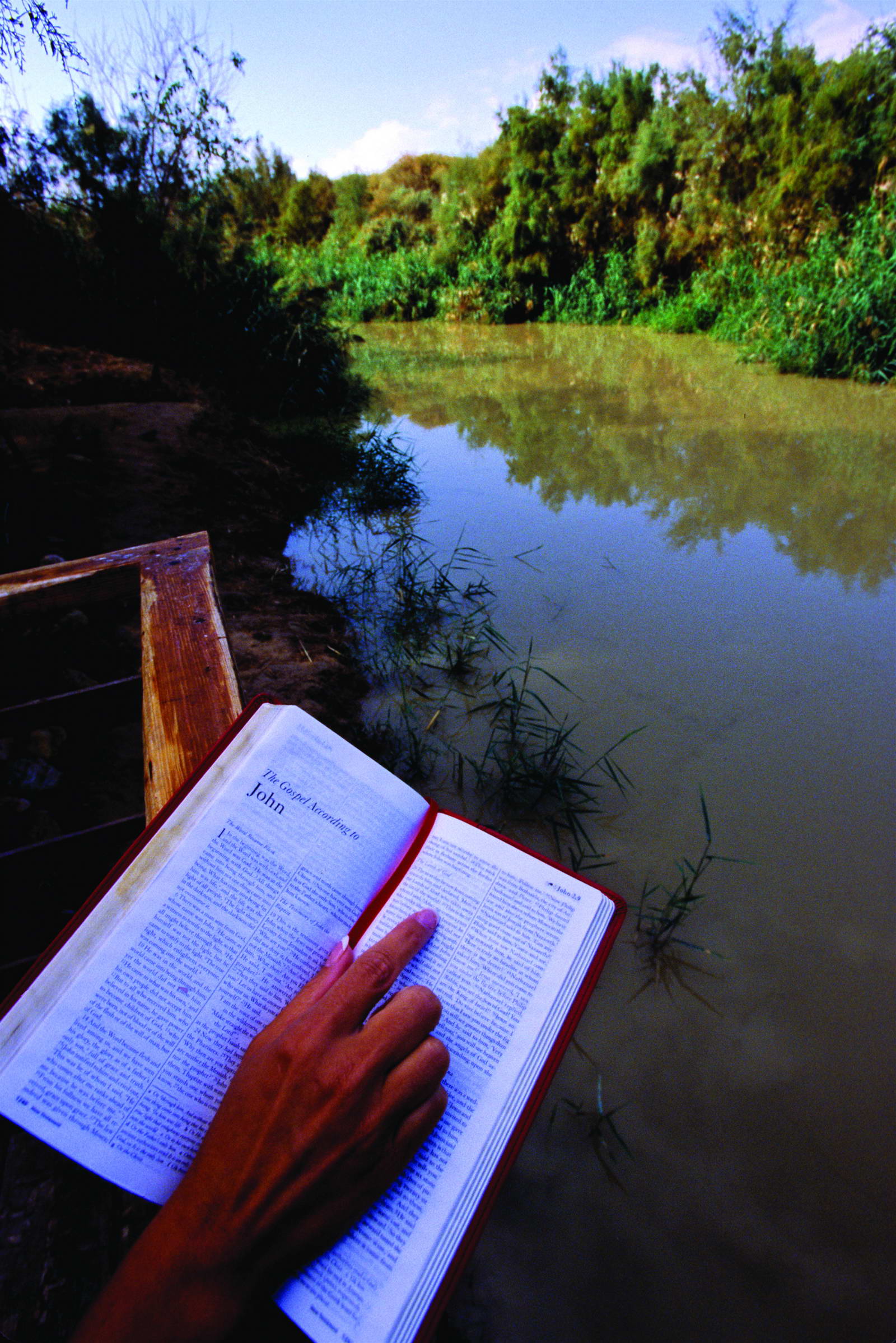
Apart from mosques, Jordan houses important Christian sites, most notably Mount Nebo, where it is believed Moses viewed the Promised Land. Travelers can visit shrines dedicated to St. George in Madaba, known for its spectacular mosaics. The Baptism Site of Jesus on the Jordan River, recognized as a UNESCO World Heritage Site, holds immense spiritual significance for Christians as the place where Jesus was baptized by John the Baptist. Visitors to these sites should approach their visit with reverence, mindful of the profound spiritual connections associated with these locations.
Understanding the prayer times in Islam can enhance a visitor's experience in Jordan. The call to prayer, known as Adhan, is proclaimed five times daily, and prayer breaks may alter operating hours of businesses and attractions. Travelers should be mindful of these prayer times, particularly when planning visits to mosques or participating in cultural tours. Engaging with locals can also provide valuable insights into the importance of these rituals in daily life.
Religious holidays in Jordan are observed with great dedication and celebration, including Eid al-Fitr and Eid al-Adha. During Eid, families come together for feasting, and homes are often adorned with festive decorations. Travelers visiting during these periods might experience unique cultural festivities, including traditional music and dancing, as well as the opportunity to taste special holiday dishes at gatherings. Respecting these occasions can provide visitors with a deeper understanding of Jordanian culture and traditions.
With the rich tapestry of faith woven into everyday life, understanding the religious customs and beliefs in Jordan allows travelers to connect with the people on a more profound level. Engaging in discussions about religion, when appropriate, can lead to enlightening exchanges and broaden one’s worldview, enriching the overall travel experience.

Ramadan
Ramadan is a holy month of fasting, prayer, reflection, and community observed by Muslims around the world. In Jordan, Ramadan is a significant cultural event that encapsulates both spiritual devotion and communal spirit. During this month, Muslims fast from dawn until sunset, refraining from eating and drinking, which provides a time for spiritual reflection and self-discipline. For non-Muslim visitors, understanding the customs and practices associated with Ramadan is crucial for a respectful and fulfilling travel experience.
Fasting hours vary each day, dictated by the timing of sunrise and sunset, with the fast breaking at iftar, which is the evening meal. During this special time, families and friends gather to share meals, often starting with dates and water, followed by a hearty feast. Restaurants in Jordan typically remain closed during the day, and many seek to cater to locals with iftar specials once the sun sets. Visitors should respect local customs by not eating or drinking in public during fasting hours to honor the traditions of their hosts.
While Ramadan provides a unique cultural lens through which to view Jordan, it can also affect travelers in practical ways. Many businesses may operate on reduced hours, and popular attractions may close earlier in the day to accommodate for prayer times. Tourists should plan their schedules accordingly and remain flexible. In cities like Amman, many international hotels do offer meal services throughout the day, but diners should be aware of how to navigate this sensitive period respectfully.
Proper etiquette during Ramadan is paramount for visitors. It is essential to acknowledge that many Jordanians are keen on sharing their customs and hospitality, so being amiable and understanding can foster positive interactions. Evening gatherings after the daily fasts can be an opportunity for visitors to engage with the local culture, often being invited to share meals if they’ve formed friendships. Engaging humbly and with appreciation for the fasting practice demonstrates respect for the cultural traditions.
Eid celebrations, which mark the end of Ramadan, are vibrant and jubilant occasions. Jordanians celebrate with communal prayers, feasting, and wearing new clothes. Gift-giving is common, and during this time, the streets are infused with joy and laughter as families come together. Visitors during Eid will witness a riot of colors, sounds, and flavors that reflect the country’s rich cultural fabric. Understanding this celebration can provide an incredible insight into the local way of life.
For travelers who might prefer to avoid visiting during Ramadan, alternative travel times that align with cooler months or outside the fasting period can still provide many enriching experiences. Regardless of when they choose to visit, travelers can enjoy the picturesque landscapes, historical sites, and the hospitality of the Jordanian people.

Frequently Asked Questions
- What is the significance of hospitality in Jordanian culture?
- Hospitality is a cornerstone of Jordanian culture, where offering food and drink to guests, such as Arabic coffee or tea, symbolizes deep respect and friendship.
- How should I greet people in Jordan?
- A typical greeting in Jordan involves a firm handshake, often with cheek kisses among close friends, while respect for physical contact varies by situation and individual preferences.
- What is the dress code for visitors in Jordan?
- Visitors should dress modestly, covering arms and legs, with women wearing skirts or loose-fitting trousers, especially in conservative areas and religious sites.
- Is tipping customary in Jordan?
- Yes, tipping is customary in Jordan, with rounding up the bill or leaving 10-15% for exceptional service considered appropriate.
- How does respect for elders manifest in Jordanian society?
- Respect for elders is crucial in Jordan, evident in greetings and family dynamics, where older family members often influence decisions and are greeted first.