Will the Waiving of Visa Fees Attract More Tourists to Jordan?
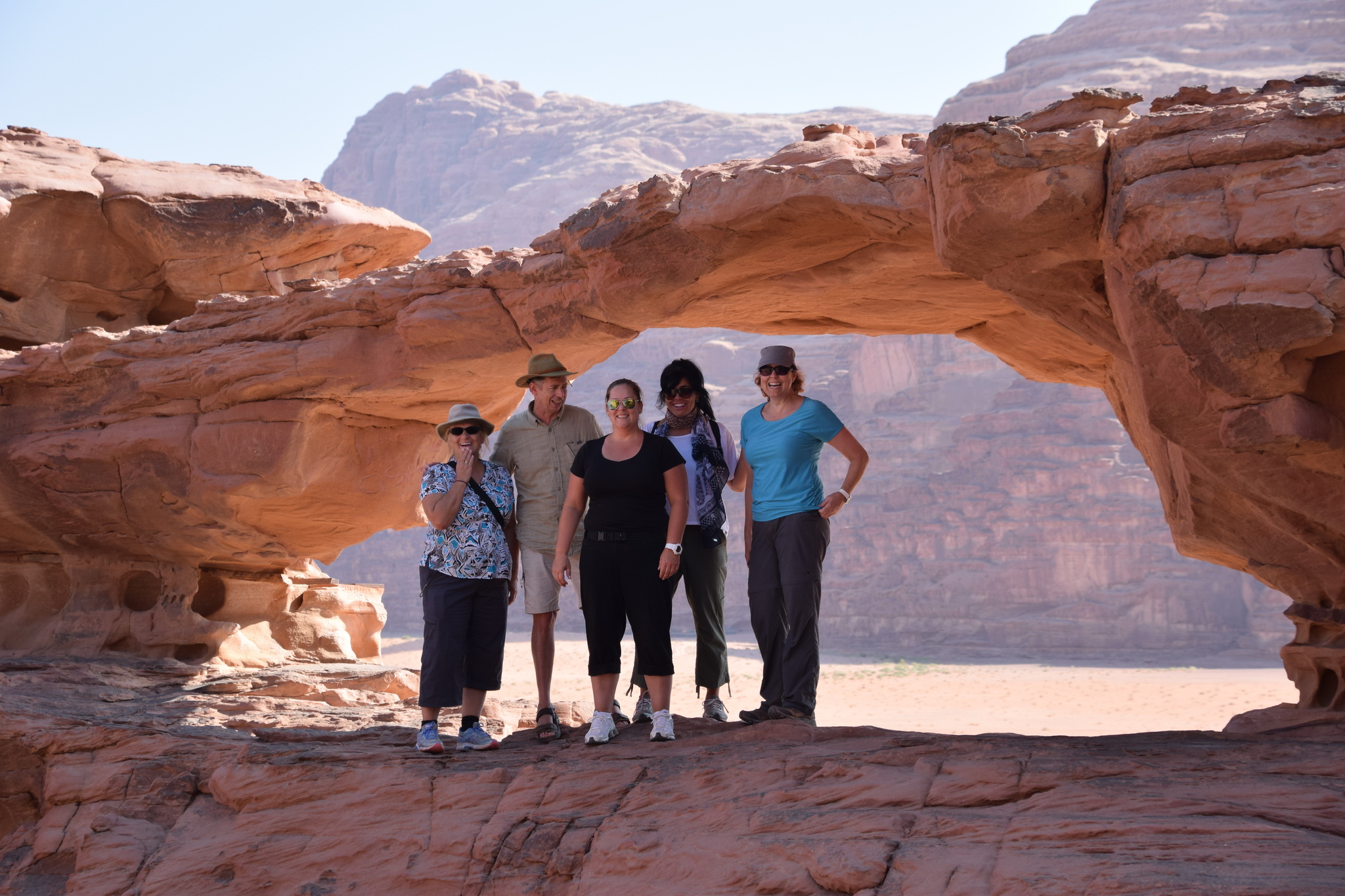
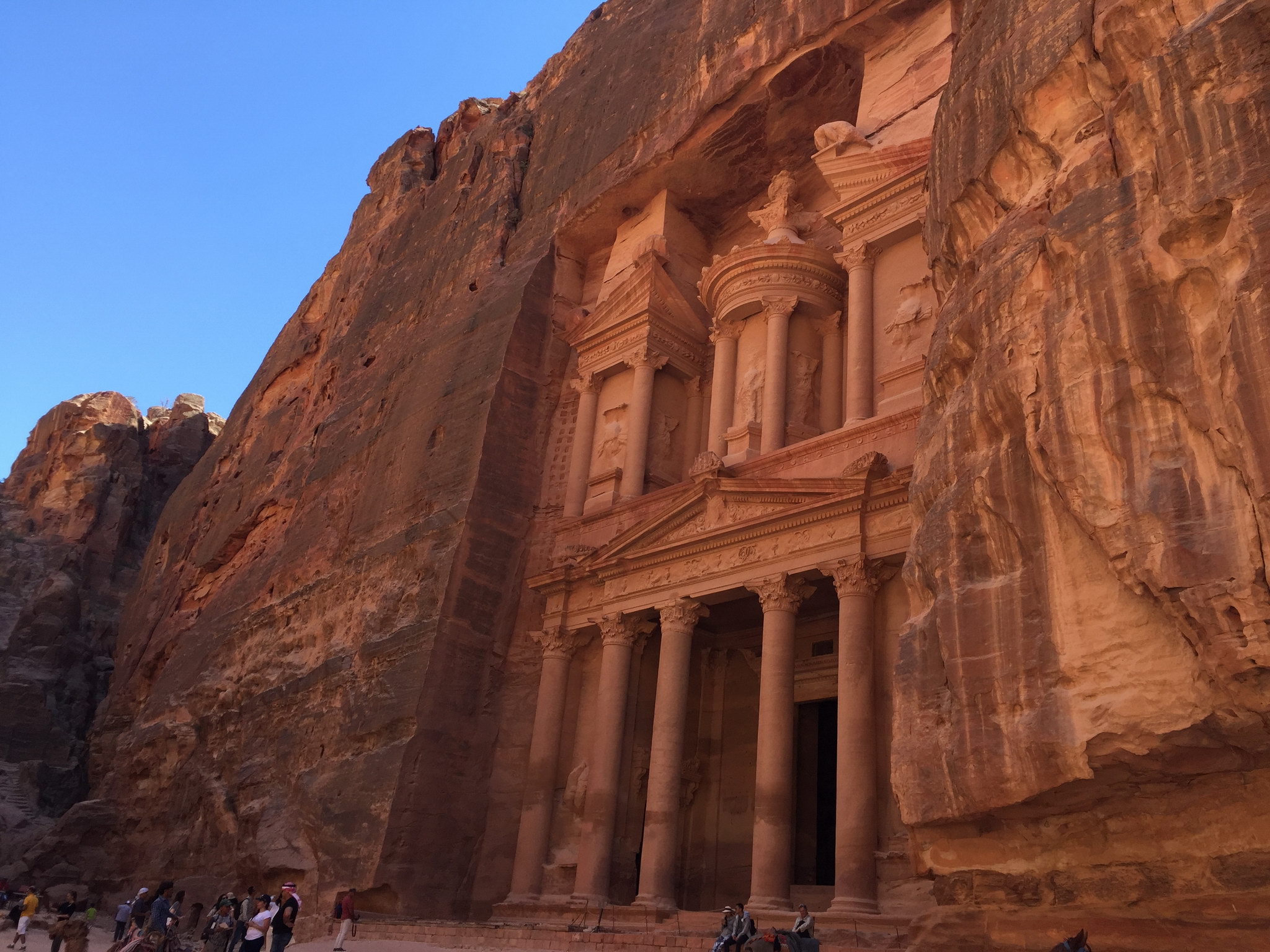
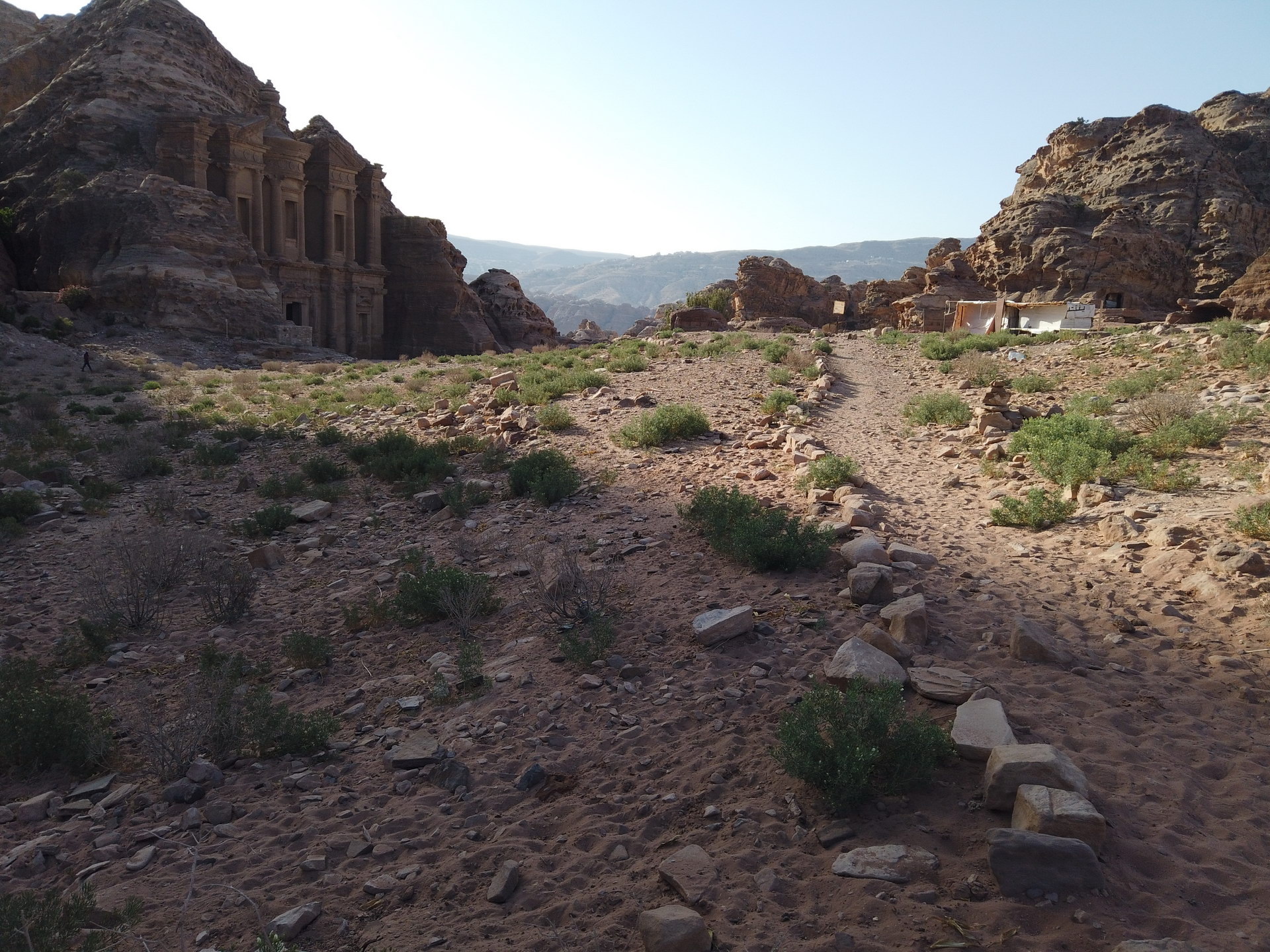
Jordan has declared the waiving of its 40 dinar (approximately $57) visa fee for incoming tourists to make journeys to Jordan "more accessible and affordable for travelers from all nationalities," as stated in an official government press release. This strategic move is designed to increase tourism to the kingdom's remarkable attractions, including the ancient city of Petra, the historical site of Pella, and the breathtaking landscapes of the protected area at Wadi Rum. It forms part of a wider series of initiatives aimed at revitalizing Jordan's struggling travel industry.
Furthermore, the 15 dinar (around $21) departure tax will be eliminated for all flights departing from Aqaba and Amman, provided that visitors purchase a ticket to a tourist site and maintain a minimum stay of three consecutive nights in Jordan. Although specifics on how this exemption will function remain unclear, it is worth noting that this tax has already been included in the overall costs of airplane tickets.
The Jordan Tourism Board anticipates that these changes will be implemented by September. In addition, Royal Jordanian, the national airline, is offering discounts on flights purchased as part of tour packages, while hotels in prominent locations such as Amman, Aqaba, and along the Dead Sea are providing special promotional rates to attract guests.
This initiative will predominantly benefit travelers using tour operators who stay for at least two consecutive nights in the country. While visitors are still required to obtain an airport entry visa, the process now comes at no cost. However, independent travelers must verify their extended stay in the country (three consecutive nights) and provide proof of purchasing a "unified tourist site ticket" to qualify.
Jordan's tourism sector has endured significant challenges, particularly due to global perceptions surrounding terrorism and conflict. Security concerns stemming from turmoil in neighboring countries, like Syria, Iraq, and the ongoing situation in Israel and Gaza, have led to a generalized wariness about safety in the region. Additionally, the tragic murder of the Jordanian pilot Muath Al-Kassasbeh by ISIS militants, albeit not on Jordanian soil, further contributed to worries about travel.
Nevertheless, both the US State Department and the British Foreign Office label Jordan as a safe destination for tourism, advising travelers only to avoid regions near the Syrian border, supplementing the guidance with practical advice like "avoid risky situations".
ENayef Al-Fayez, Jordan’s Minister of Tourism and Antiquities, remarked that these new measures are intended to "encourage travelers to include Jordan in their next travel plans" and to position the country as a welcoming, secure, and appealing destination.
So, will these incentives draw more visitors to Jordan? The current influx primarily consists of travelers attracted by the nation's natural beauty and rich cultural heritage. Interestingly, many travel to Jordan for reasons unrelated to traditional tourism, including work for aid organizations, media roles, or diplomatic missions. Additionally, there is a consistent arrival of medical tourists and refugees.
As I embark on my fifth year residing in Jordan, I can confidently assert that it is a stunning and safe place. I invite you to come and explore its wonders.
Frequently Asked Questions
- What recent changes have been made to visa fees for tourists in Jordan?
- Jordan has waived the 40 dinar visa fee for incoming tourists to make travel more accessible and affordable.
- Are there any conditions for waiving the departure tax in Jordan?
- Yes, the 15 dinar departure tax will be eliminated for flights departing from Aqaba and Amman if visitors purchase a ticket to a tourist site and stay a minimum of three consecutive nights.
- How can independent travelers qualify for the no-cost airport entry visa?
- Independent travelers must verify their extended stay of three nights and provide proof of purchasing a 'unified tourist site ticket' to qualify for the no-cost airport entry visa.
- What is the anticipated timeline for these new tourism initiatives in Jordan?
- The Jordan Tourism Board expects these changes to be implemented by September.
- How does the security situation in Jordan affect tourism?
- Despite concerns over regional security, both the US State Department and the British Foreign Office consider Jordan a safe destination, advising travelers to avoid areas near the Syrian border.