Exploring the Wonders of Wadi Rum Reserve
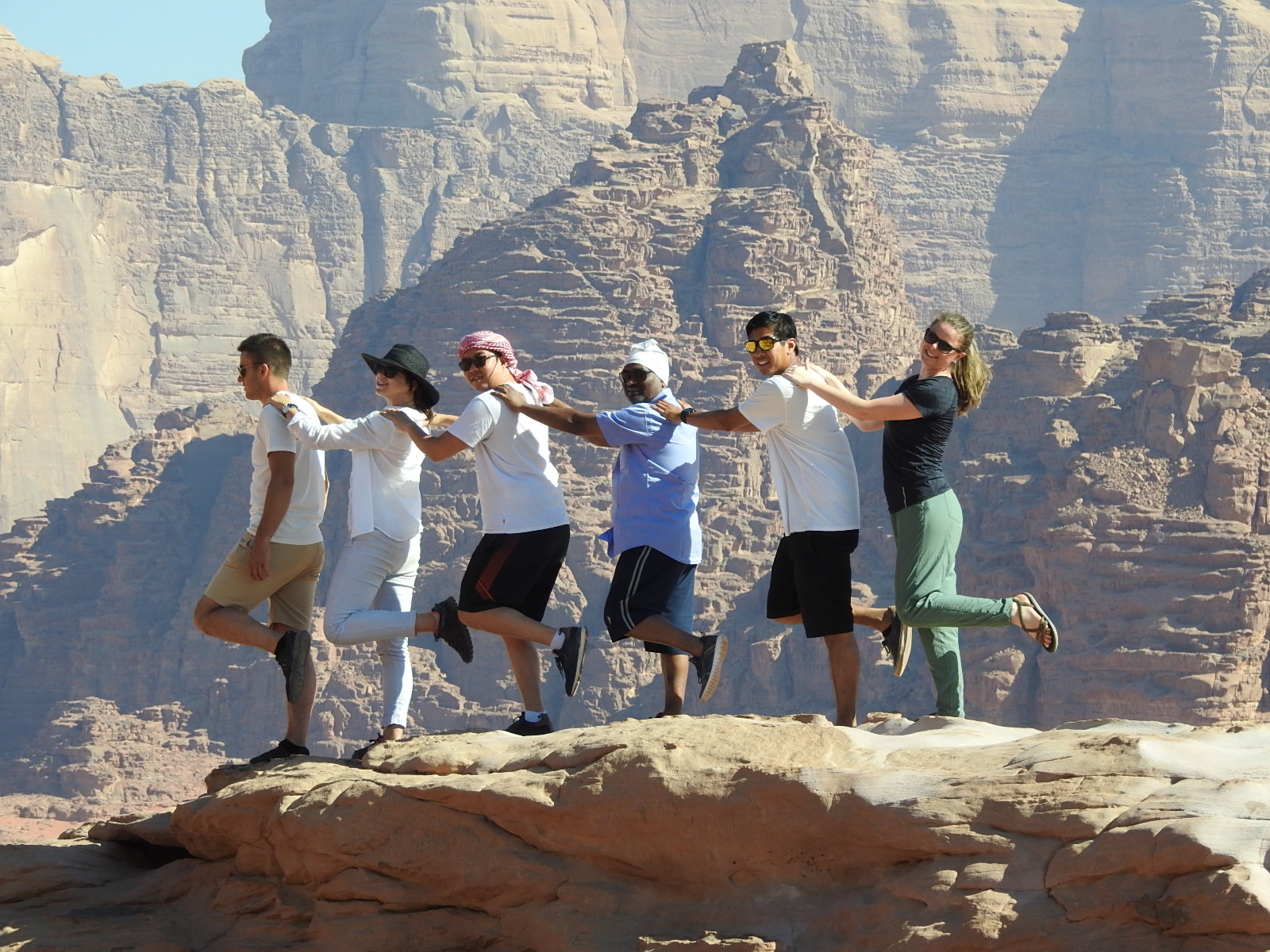
Wadi Rum Reserve, located in southern Jordan, is a protected area renowned for its extraordinary desert landscapes. Covering 720 square kilometers of striking terrain, this awe-inspiring wilderness features towering mountains and expansive sandy valleys, serving as the home for several Bedouin tribes and a diverse array of desert wildlife, including the reintroduced Arabian Oryx since 2002.
The unparalleled scenery of Wadi Rum attracts numerous visitors from around the world, making it a prime destination in Jordan tourism. However, the increasing footfall and off-road vehicle tours have been causing damage to the natural beauty and ecological integrity of the area. To address these concerns, the Royal Society for the Conservation of Nature (RSCN) has developed a management plan in collaboration with the Aqaba Special Economic Zone Authority (ASEZA) to balance visitor enjoyment with conservation efforts.
Wadi Rum Reserve: Protected vs Non-Protected Areas
Wadi Rum is an expansive region that can easily be seen on maps, spanning roughly 2,500 square kilometers. Within this vastness, there exists a designated reserve governed by the RSCN, beginning from the Wadi Rum Visitors Center and extending to the Saudi border. This protected area, about 30 to 40 kilometers into the desert, is divided into two sections: one is accessible for local use while the other is kept off-limits to protect an array of wildlife, including mountain goats and foxes.
Camps located within the reserve adhere to specific guidelines regarding design and amenities; they lack traditional water and power systems, resulting in a quieter and more serene experience compared to the non-protected areas. In contrast, facilities in the non-reserve zones offer conveniences such as running water and electricity, resembling urban living more than the serene escape Wadi Rum’s reserved landscape provides.
To enter the protected area, travelers typically drive straight from the main highway to the Wadi Rum Visitors Center, a journey of about 25 kilometers. Here, visitors can purchase entry tickets or present their Jordan Pass. The Visitors Center serves as a crucial starting point for further exploration into the heart of Wadi Rum.
Getting to Wadi Rum Village
Wadi Rum is a convenient stop for travelers exploring Jordan. If you are flying into Amman, this iconic desert is easily reachable. For direct travel to Wadi Rum, pre-arranged transport, taxis, or public buses are available from various tourist hubs in Jordan. A private taxi from Aqaba typically costs between $28-$36 USD, with the trip taking around one hour. Traveling by bus is also an option, with a daily service from Aqaba departing between 1:00 and 3:00 PM.
For those coming from Petra, a bus service operates daily for about $10 USD one way. Alternatively, taxi rides from Wadi Musa (the village near Petra) to Wadi Rum cost approximately $60 USD and take about 2 hours. Upon arriving, you will be dropped off at either Rum Village or the Visitors Center, which is the main hub for tourist activities.
Best Time to Visit Wadi Rum
Travelers are advised to avoid Wadi Rum during the peak summer months due to extremely high temperatures, with averages around 30 degrees Celsius and potential peaks exceeding 40 degrees Celsius. In contrast, the winter months present much cooler temperatures, typically ranging from 10 to 15 degrees Celsius during the day, with nighttime drops sometimes below freezing. The ideal times to visit fall between March to May and September to November, particularly during the busier months of March, April, September, and October.
Activities in Wadi Rum
- Jeep Tours: Explore the breathtaking desert landscape with options for tours lasting from two hours to a full day.
- Camel Rides: Experience the vastness of Wadi Rum on a camel for durations ranging from half an hour to a full day.
- ATV Rentals: Not available at all camps, but a thrilling option where permitted.
- Stargazing: Spend a night under the stunning desert sky.
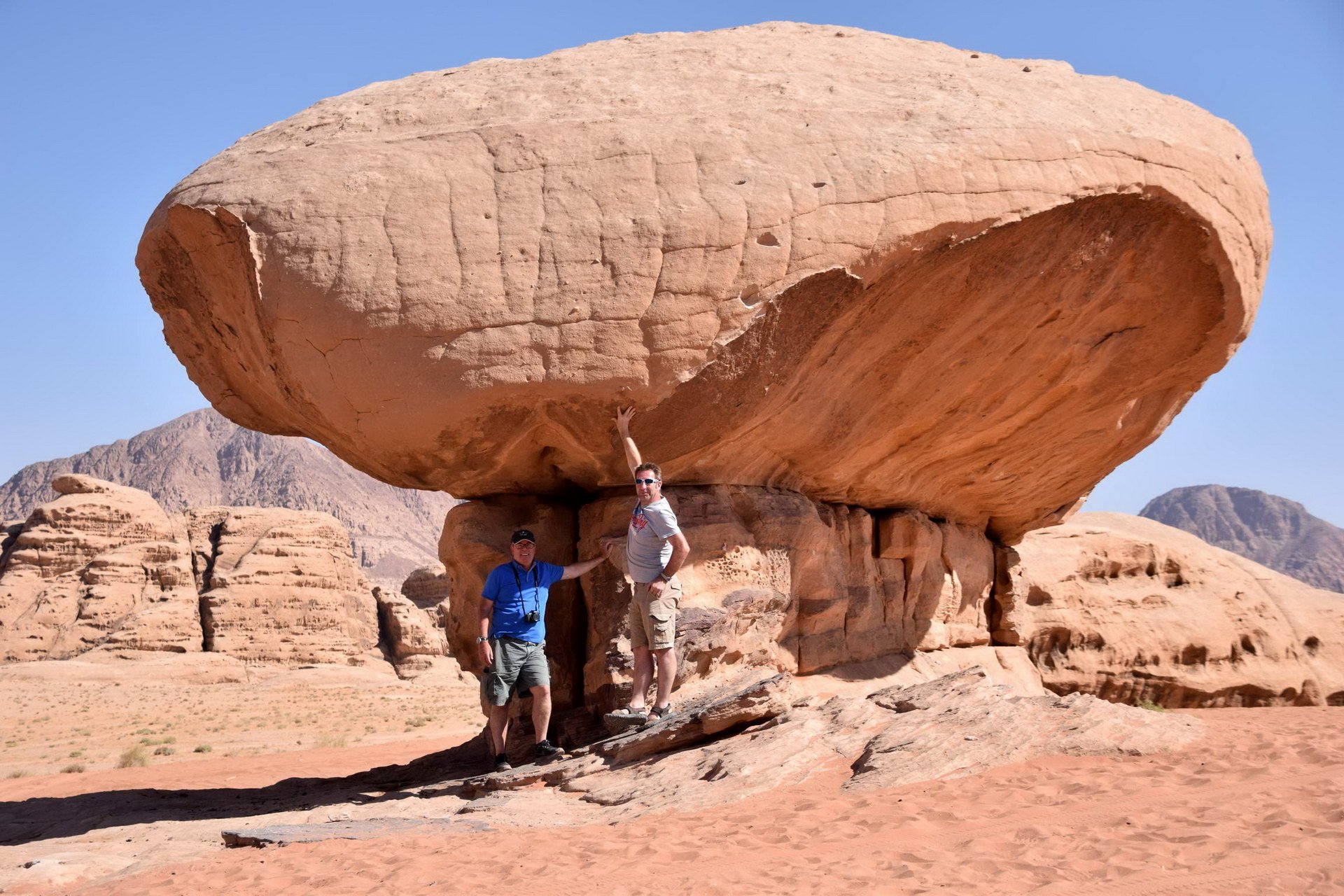
While on a jeep tour, you can witness stunning sites such as Lawrence’s Spring, Khazali Canyon with its ancient inscriptions, the Mushroom Stone, Burdah Rock Bridge, and the lovely Barrah Canyon. For a more extensive experience, a full-day jeep tour is recommended to cover numerous amazing sites, though a minimum of two hours is sufficient to explore the protected area.
Popular Tourist Sites in Wadi Rum
- Lawrence's Spring: Named after T.E. Lawrence, offers breathtaking views.
- Khazali Canyon: Famous for its petroglyphs and a suitable spot for climbers.
- Anfishiyyeh Inscriptions: A remarkable collection of ancient petroglyphs.
- Burdah Rock Bridge: The tallest natural arch offering spectacular views.
- Um Fruth Rock Bridge: One of the most photographed landmarks in Wadi Rum.
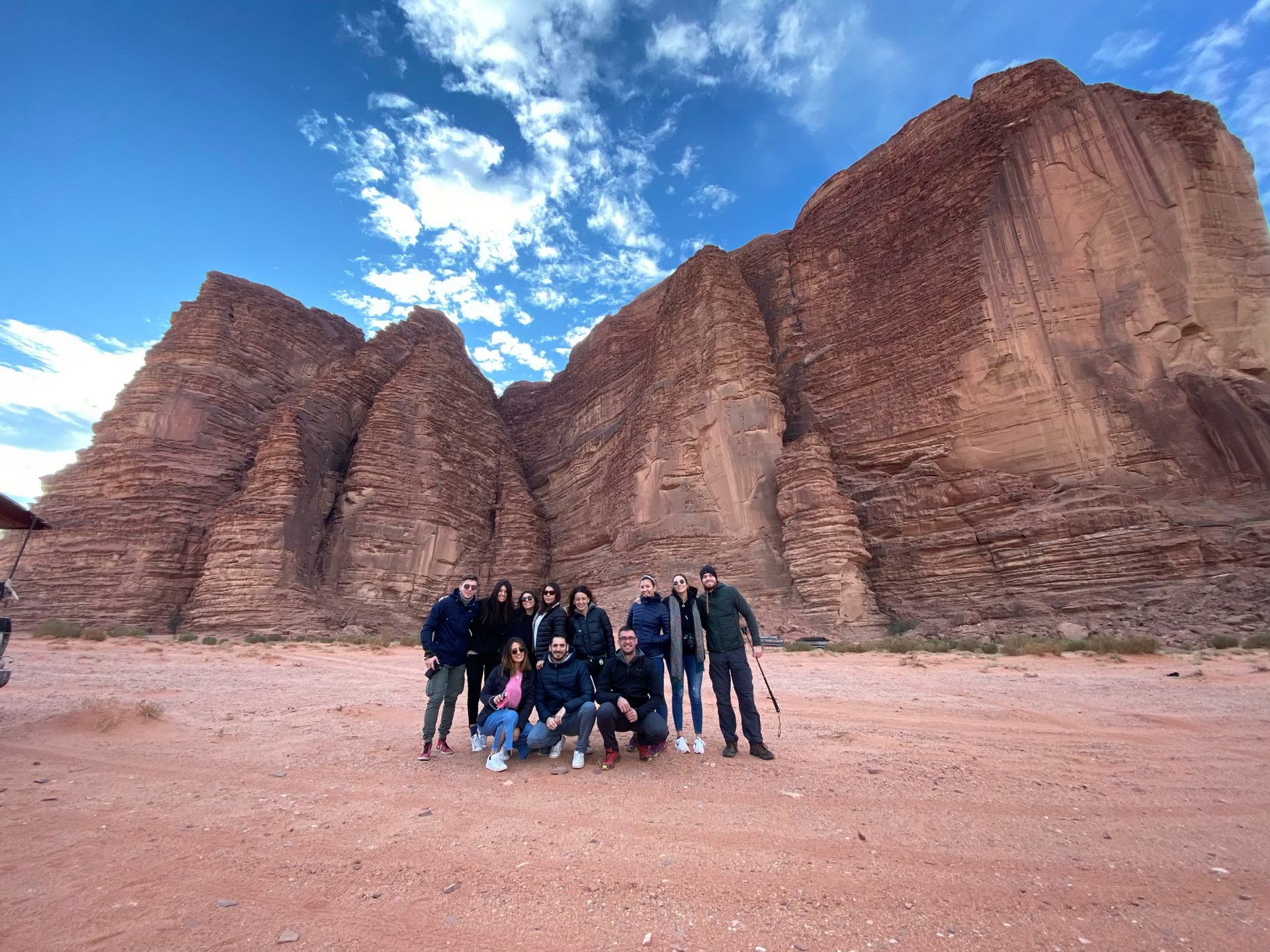
- Seven Pillars of Wisdom: Iconic rock formations visible from various points.
- Jabal Um ad Dami: Jordan's highest mountain, requiring a local guide for hiking.
Accommodation in Wadi Rum
For those wishing to stay overnight, Rum Magic Nights offers a unique Bedouin camping experience just outside the protected area. Established in the 1980s and redesigned in 2022, this camp provides luxurious accommodation options, including air-conditioning and private bathrooms, all situated about ten kilometers from the main grid, which adds a layer of challenge to maintaining these amenities.
Visitors can expect a peaceful experience without the hustle of modern distractions, as the camp operates without cell towers or traditional power. Rum Magic Nights is notable for being one of the few camps in the area with internet access.
Frequently Asked Questions
- What is Wadi Rum Reserve known for?
- Wadi Rum Reserve is renowned for its extraordinary desert landscapes, featuring towering mountains, expansive sandy valleys, and a diverse array of desert wildlife.
- How can I get to Wadi Rum from Aqaba?
- Travelers can take a private taxi from Aqaba, which costs between $28-$36 USD and takes about one hour, or use public buses that operate daily.
- Are there facilities in the protected areas of Wadi Rum?
- Camps within the protected areas adhere to specific guidelines and lack traditional water and power systems, offering a quieter experience compared to non-protected zones.
- What should I do to enter Wadi Rum Reserve?
- To enter the protected area, travelers must drive to the Wadi Rum Visitors Center, where they can purchase entry tickets or present their Jordan Pass.
- How far is Wadi Rum from the main highway?
- The Wadi Rum Visitors Center is about 25 kilometers from the main highway, serving as the starting point for further exploration into the reserve.